Egypt · Muḩāfaz̧at al Gharbīyah
Where to Stay in Al Maḩallah al Kubrá, Muḩāfaz̧at al Gharbīyah
Al Maḩallah al Kubrá is the largest city of the Gharbia Governorate, a textile town in the middle of the Nile Delta on the Damietta Branch.
Hotel links are affiliate links: booking through them may earn us a commission, at no extra cost to you. It never affects how places are ranked. How this works


Where to stay in Al Maḩallah al Kubrá
The practical side of choosing where to sleep.
Work brings most people here. Al Maḩallah al Kubrá is a business address before it is a destination, and the streets beside the Misr Spinning and Weaving Company hold the beds that answer to that. El Maḥalla is a working town.
Anyone here for the other half of the city, the fields and the Damietta Branch its western bank belongs to, does better away from the industrial streets and nearer the water. Samannud sits within reach of both. Three choices, then.
The mill quarter suits business, the bank of the Damietta Branch suits anyone who wants the Nile Delta rather than the factory floor, and the road out toward Samannud suits a trip built around Busiris, Cynopolis and Sebennytos. Rooms thin out at the edges. El Mahalla El Kubra is the largest city in the Nile Delta, which means the centre carries the supply and the outskirts carry very little, so a stay planned around Samannud still books in town.
Whichever side of the city the room sits on, the Damietta Branch and the mills are the two fixed points that any day here organises itself between.
Find hotels in Al Maḩallah al Kubrá
Direct booking searches for these neighbourhoods.
The Misr Spinning and Weaving quarter
The streets beside the Misr Spinning and Weaving works, where the cloth trade of El Maḥalla is transactedFind hotels in The Misr Spinning and Weaving quarterStays that want the water rather than the factory floorThe Damietta Branch bank
The western bank of the Damietta Branch, where the built grid of Al Maḩallah al Kubrá meets the tributary. Lodging is scarce in this area; reserve in advance.Find hotels in The Damietta Branch bankDays out to Samannud and the older Delta names beyond itThe Samannud road
The outward road toward Samannud, which shortens the run to Busiris, Cynopolis and Sebennytos. Rooms are few around here — worth securing early.Find hotels in The Samannud roadHotel links are affiliate links: booking through them may earn us a commission, at no extra cost to you. It never affects how places are ranked. How this works
About Al Maḩallah al Kubrá
Textiles built this city.
What is Al Maḩallah al Kubrá known for?
Al Maḩallah al Kubrá runs on spinning and weaving, and the Misr Spinning and Weaving Company is the works the largest city of the Gharbia Governorate is known for. Agriculture runs alongside it. The Nile Delta supplies the fields, the Damietta Branch supplies the water, and El Mahalla El Kubra sits in the middle of both as a working town rather than a sight.
What are the main landmarks in Al Maḩallah al Kubrá?
The mill is the monument. Misr Spinning and Weaving Company dominates what there is to point at in El Mahalla El Kubra, and the older Delta names the record gathers nearby, Samannud, Busiris, Cynopolis and Sebennytos, belong to the country around the city rather than to its streets. Textiles are the reason to look.
A visitor who wants a monument goes elsewhere in Egypt; a visitor who wants to see how a Nile Delta industrial town is put together stays here.
What is the history of Al Maḩallah al Kubrá?
No founding year for Al Maḩallah al Kubrá survives in the record. What it gives instead is a set of older names in the same stretch of Nile Delta, Busiris, Cynopolis, Sebennytos and Samannud, which places Al Maḩallah al Kubrá in a landscape settled long before the mills arrived. The Damietta Branch explains why.
A branch of the Nile carries water through the middle of the Delta, and a town on its western bank had the ground a working settlement needs. Both halves of the city's description, industrial and agricultural, still hold. Textiles turned it into a name.
Spinning and weaving made Al Maḩallah al Kubrá the largest city of the Gharbia Governorate and the largest in the Nile Delta, and the Misr Spinning and Weaving Company is the single works that carries most of that reputation. The mill employs at industrial scale. Muḩāfaz̧at al Gharbīyah has other towns, but none of them carries the same weight, and the name El Mahalla El Kubra travels through Egypt attached to cloth rather than to any monument.
El Maḥalla is the short form. That contraction is what the city is called in ordinary use, and it is the version that turns up wherever the textile trade of the Nile Delta comes into a conversation.
Where is Al Maḩallah al Kubrá?
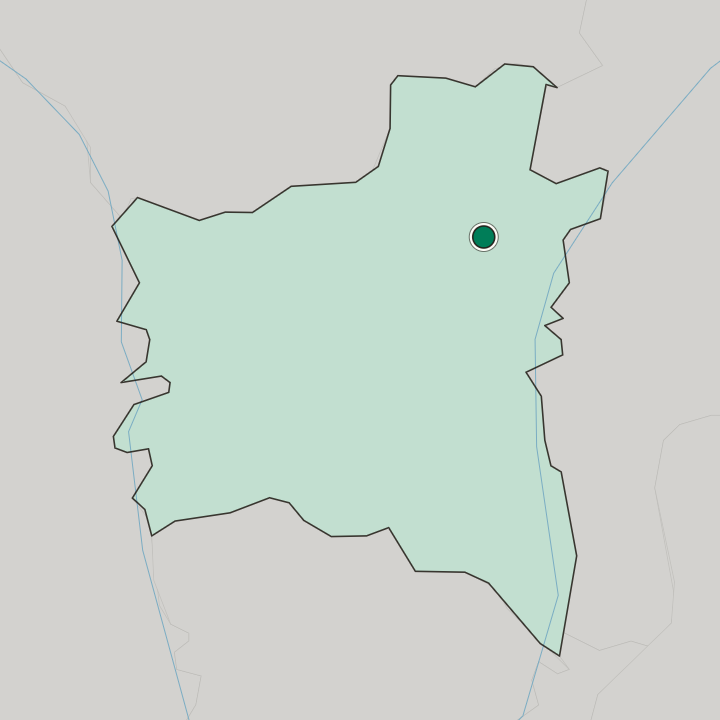
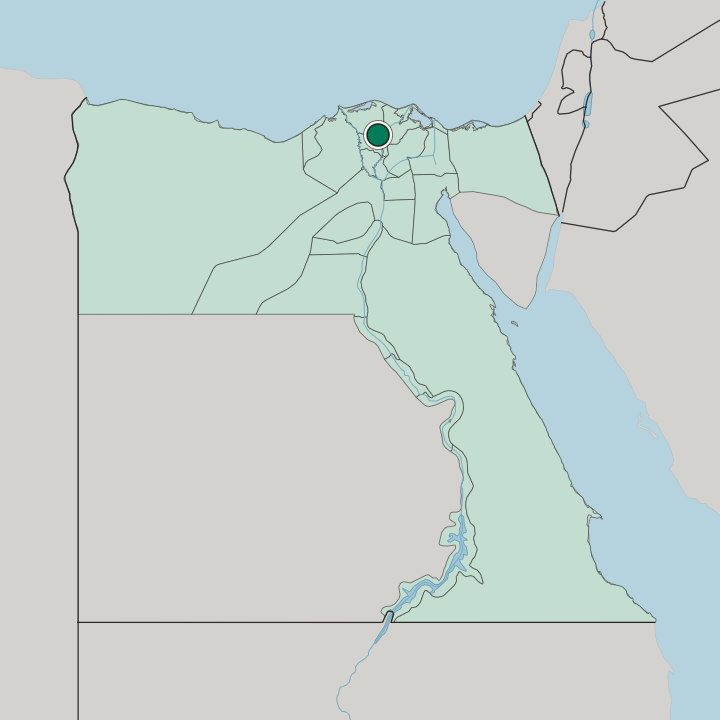
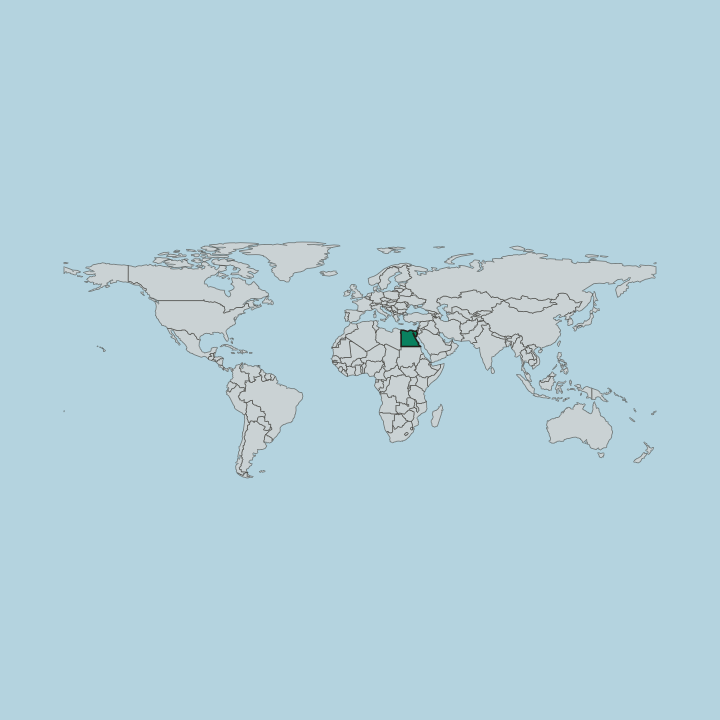
The Damietta Branch runs past. Al Maḩallah al Kubrá stands on the western bank of that tributary in the middle of the Nile Delta, with Muḩāfaz̧at al Gharbīyah spread around it and cultivated ground filling the space between one Delta town and the next. Samannud lies among those towns.
Busiris, Cynopolis and Sebennytos are the older names the record keeps in the same stretch of Delta, and none of them changes the flatness of the ground the city works.
What is the climate of Al Maḩallah al Kubrá?
The Damietta Branch sets the tone. A city on the western bank of a Nile tributary, in the middle of the Nile Delta and under a subtropical sky, gets a heavy, humid summer and a winter mild enough to keep the fields of Muḩāfaz̧at al Gharbīyah working. The mills run through it.
Anyone timing a visit to Al Maḩallah al Kubrá by weather rather than by business picks the cooler half of the year.
How do you get to Al Maḩallah al Kubrá?
The Delta is flat all round. Al Maḩallah al Kubrá stands in the middle of the Nile Delta, which puts it inland from every coast and within reach of the rest of Muḩāfaz̧at al Gharbīyah by road across flat cultivated country. The city keeps to the western bank.
The approach is from the surrounding cultivated country, Samannud among the neighbours, and the Misr Spinning and Weaving works mark where the industrial city begins.
Common questions
What is the best area to stay in Al Maḩallah al Kubrá?
The Misr Spinning and Weaving quarter: Business at the Misr Spinning and Weaving Company. The Damietta Branch bank: Stays that want the water rather than the factory floor. The Samannud road: Days out to Samannud and the older Delta names beyond it.
Good for
Another city in Muḩāfaz̧at al Gharbīyah
Updated September 2026