Egypt
Muḩāfaz̧at al Gharbīyah, Egypt — Towns & Travel Guide
Muḩāfaz̧at al Gharbīyah sits in the middle of Egypt's Nile Delta, a flat farmland province between the two great branches of the Nile.
Hotel links are affiliate links: booking through them may earn us a commission, at no extra cost to you. It never affects how places are ranked. How this works


Towns & cities in Muḩāfaz̧at al Gharbīyah
Pick a town or city — each links to where to stay.

 Egypt
Egypt
Al Maḩallah al Kubrá
Al Maḩallah al Kubrá is the largest city of the Gharbia Governorate, a textile town in the middle of the Nile Delta on the Damietta Branch.Where to stay →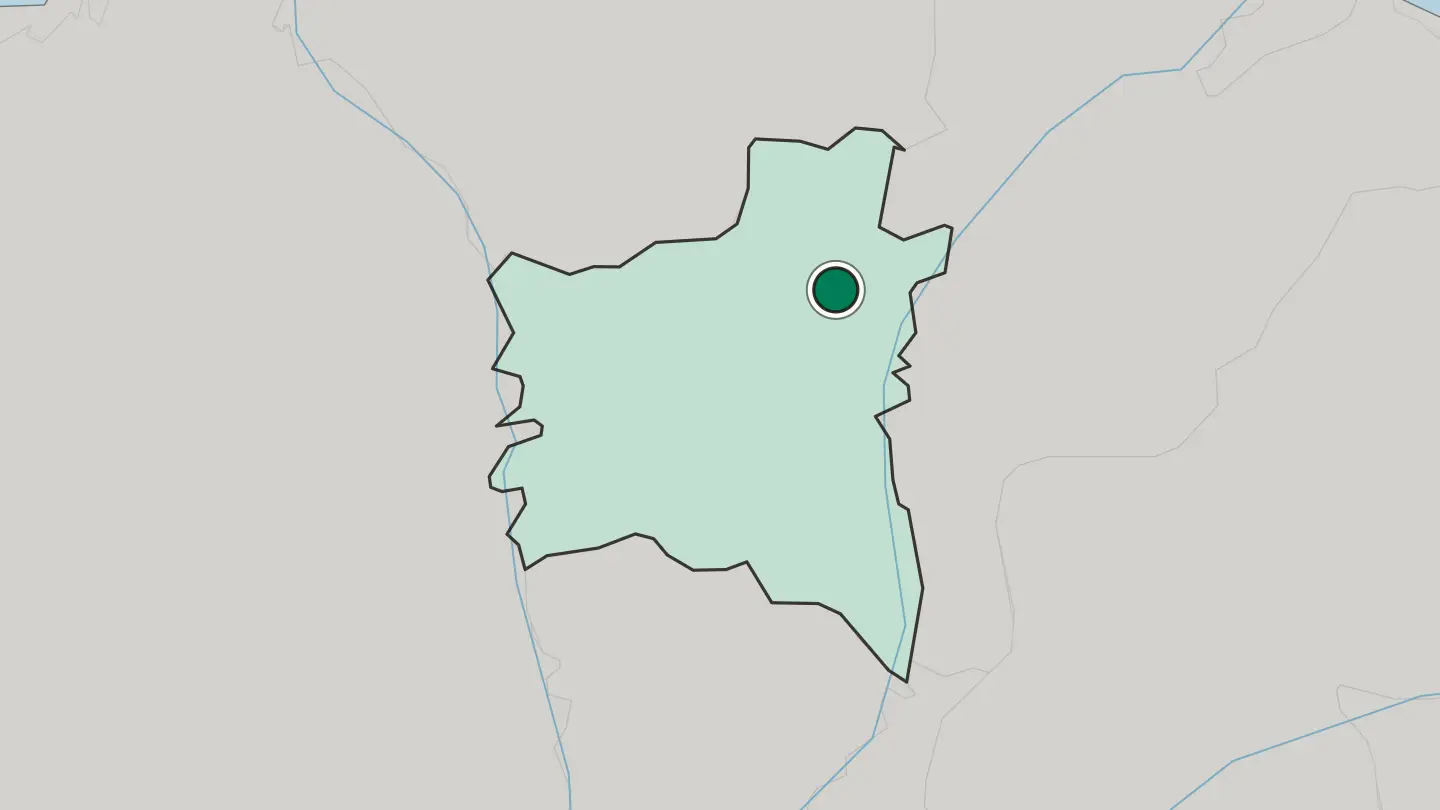 Egypt
Egypt
Tanta
Tanta is a city of the Nile Delta in Egypt, heart of the cotton country, famous for the Sufi festival of Sayyid al-Badawi filling its streets each autumn.Where to stay →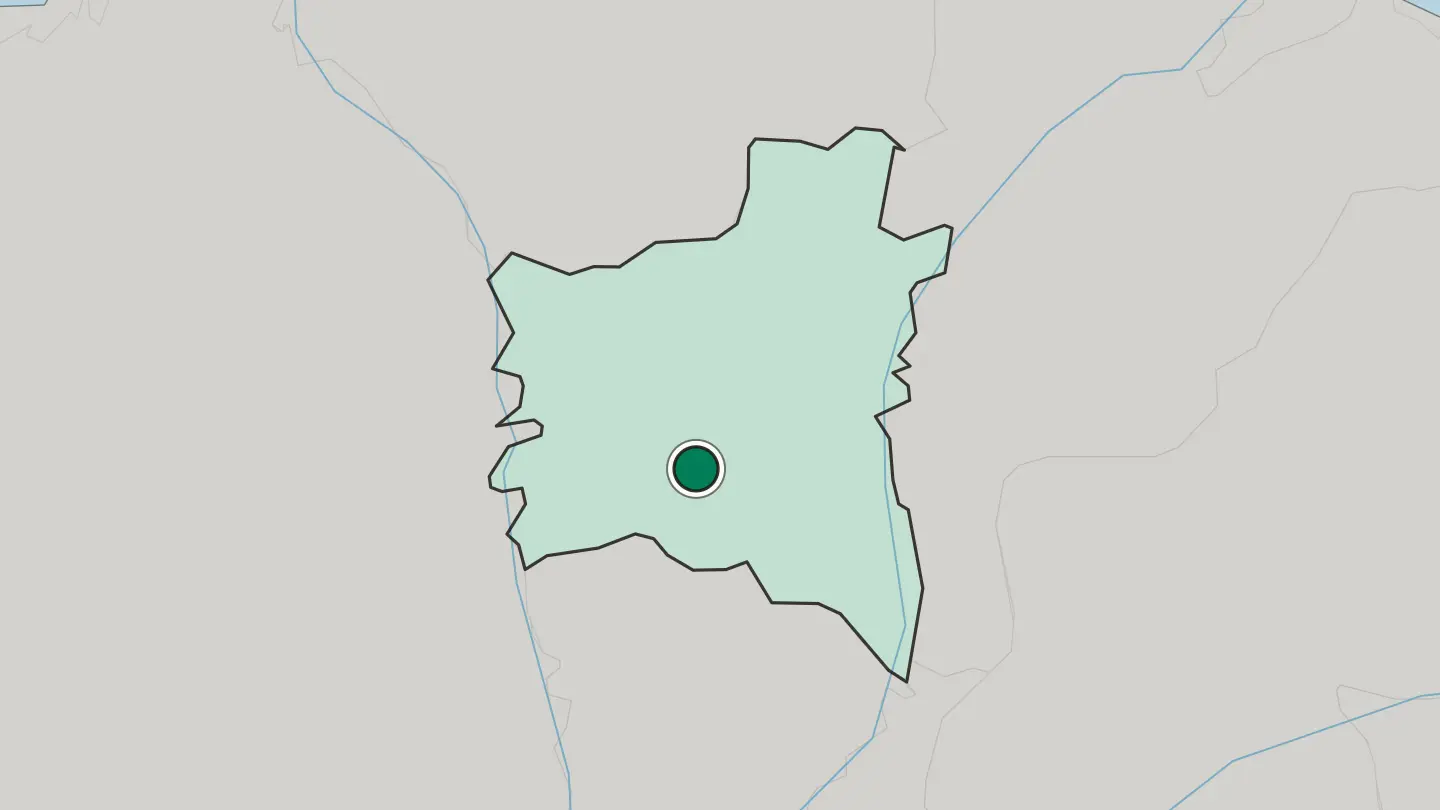
Hotel links are affiliate links: booking through them may earn us a commission, at no extra cost to you. It never affects how places are ranked. How this works
About Muḩāfaz̧at al Gharbīyah
Two things define this province: cotton and a saint.
What is Muḩāfaz̧at al Gharbīyah known for?
El Mahalla El Kubra grew Egypt's largest textile mills, spinning and weaving the Delta's cotton on a scale no other city in the country can match, mill upon mill. The capital, Tanta, draws pilgrims. Its mosque holds the tomb of the medieval Sufi Sayyid Ahmad al-Badawi, whose annual mulid has pulled crowds toward this city for centuries.
Around both towns stretches farmland planted with cotton, rice, and jasmine.
Where is Muḩāfaz̧at al Gharbīyah?
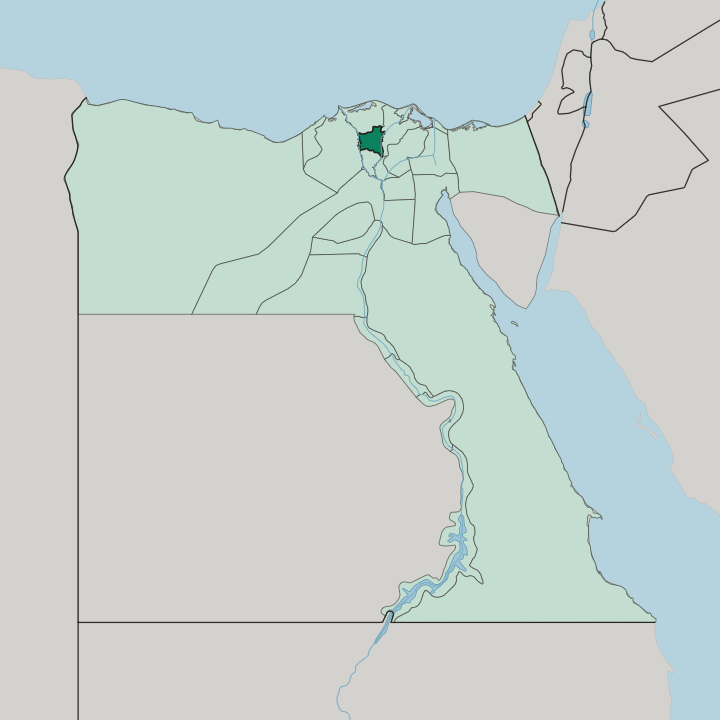
The province lies in the middle of the Nile Delta, in Lower Egypt north of Cairo. It is landlocked by other Delta provinces, with no coast and no desert of its own. The Nile frames it on both sides: the Damietta branch runs down its eastern edge and the Rosetta branch down its western edge, so the whole province sits on the tongue of land between the two arms of the river before they reach the Mediterranean. Kafr El Sheikh Governorate lies to the north, closer to the sea. Monufia Governorate lies to the south, upstream toward Cairo.
Everything in between is flat. That flatness is the point. There are no hills here and no rock, only alluvial soil laid down by the Nile over thousands of years, cut into fields by a dense web of irrigation canals.
Tanta stands near the centre of the province, roughly midway on the rail line between Cairo and Alexandria. El Mahalla El Kubra sits to its north-east, closer to the Damietta branch. The land is farmed to its edges, and the villages run almost continuously between the towns.
What is Muḩāfaz̧at al Gharbīyah like?
Life here turns on the land and on the mosque. This is farming country, and its calendar follows the cotton and rice harvests as much as any city clock. Jasmine is the surprise crop: fields around the province supply flowers for the perfume trade, picked by hand before dawn while the scent is strongest.
The oils and pastes pressed from them are shipped to Europe, and Gharbia grows a large share of the world's jasmine. Tanta's culture is bound to the Sufi shrine at its heart. The mulid of Sayyid Ahmad al-Badawi has been held here since the thirteenth century, and for centuries it was among the largest festivals in the Muslim world, drawing pilgrims from across Egypt and beyond.
It is a night festival. Sufi brotherhoods lead the dhikr, the rhythmic chanting that fills the streets around the mosque, and the crowds swell into the millions during the week it runs. El Mahalla El Kubra carries a different identity altogether, that of a mill town, where generations of families have worked the same textile factories and where labour has a long and combative history.
The two cities sit only a short drive apart, yet one belongs to the pilgrim and the other to the loom.
What is the history of Muḩāfaz̧at al Gharbīyah?
The province is old. Under the Fatimids, Lower Egypt was split into provinces, and Gharbia, the name means "the western", was the strip between the Rosetta and Damietta branches, ruled from El Mahalla El Kubra. Muhammad Ali reorganised it in the nineteenth century, and in 1836 the capital moved from Mahalla to the more central Tanta, where it has stayed.
During the revolution against British rule in 1919, the town of Zefta declared itself an independent republic, one of the boldest gestures of that uprising in the Delta.
What is the climate of Muḩāfaz̧at al Gharbīyah?
The Delta climate here is hot and dry. Summers run long and almost rainless, and the fields stay green only because Nile irrigation feeds them through canals rather than any rain from the sky. Winters are mild.
What little rain the province gets falls in those cooler months, and even then it amounts to little more than a few grey days scattered between Cairo and the Mediterranean coast. Morning haze often hangs over the canals until the sun burns it off.
How do you get to Muḩāfaz̧at al Gharbīyah?
Most travellers come by train. Tanta sits on the main railway between Cairo and Alexandria, and fast trains stop there on the way between the two, making it the easiest Delta capital to reach. There is no airport in the province, so flights land at Cairo to the south or Alexandria to the north-west, and the last leg is by rail or road across the flat farmland.
Within Gharbia, roads and branch lines tie Tanta to El Mahalla El Kubra and the smaller Delta towns.
Common questions
What is the best area to stay in Muḩāfaz̧at al Gharbīyah?
Tanta: reaching the al-Badawi mulid and the province by rail. El Mahalla El Kubra: business tied to the Mahalla cotton mills.
Good for
More regions in Egypt
Updated September 2026