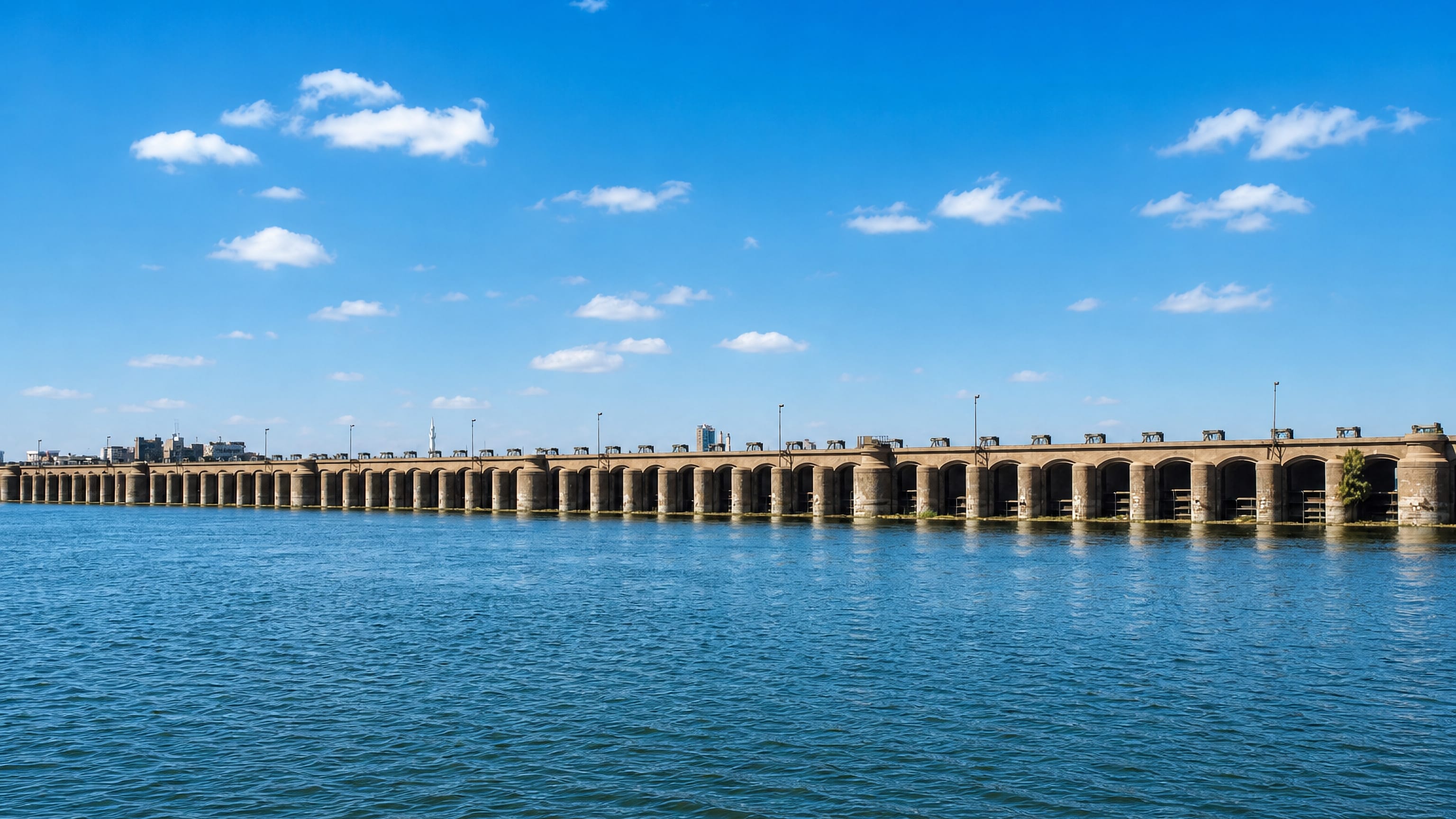
Egypt · Muḩāfaz̧at Asyūţ
Where to Stay in Assiut, Muḩāfaz̧at Asyūţ
Assiut is the capital of Asyut Governorate in Upper Egypt, a university city beside the Necropolis of Asyut and its ancient predecessor.
Hotel links are affiliate links: booking through them may earn us a commission, at no extra cost to you. It never affects how places are ranked. How this works


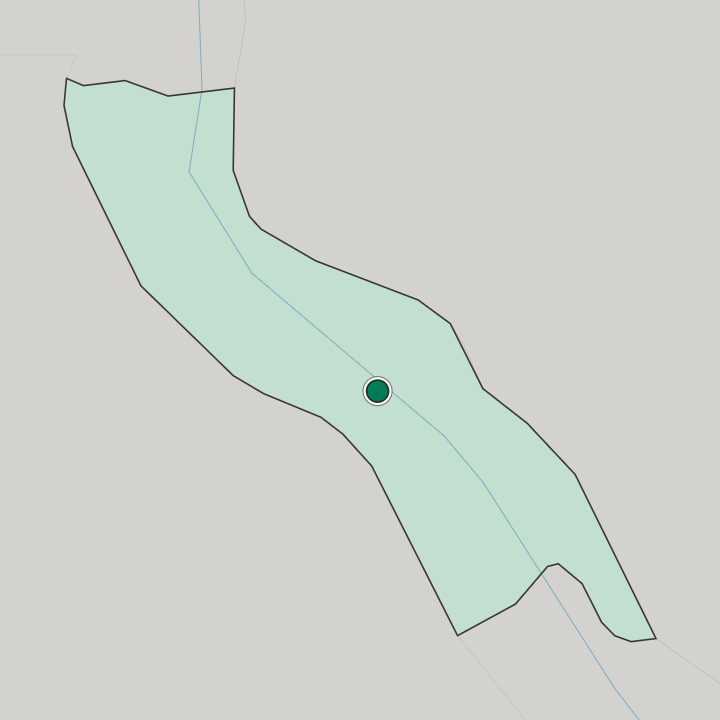
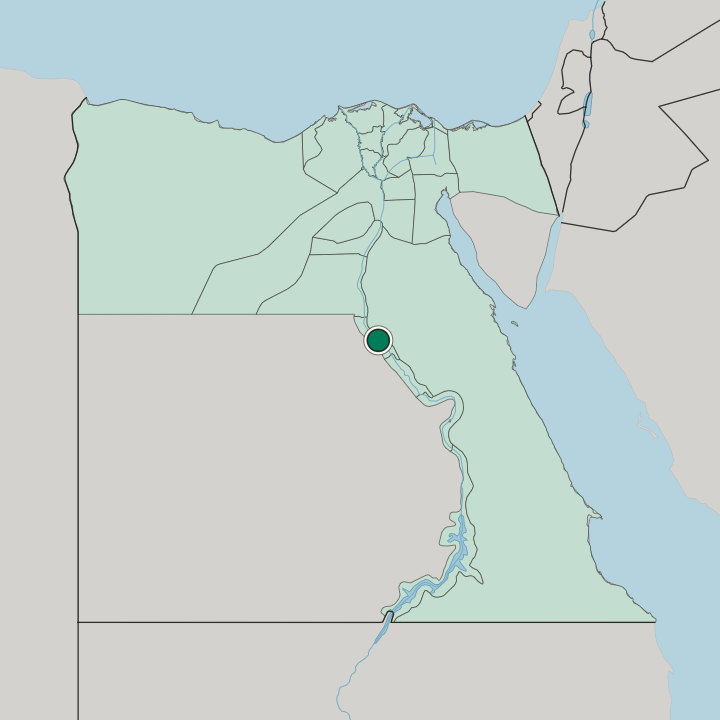
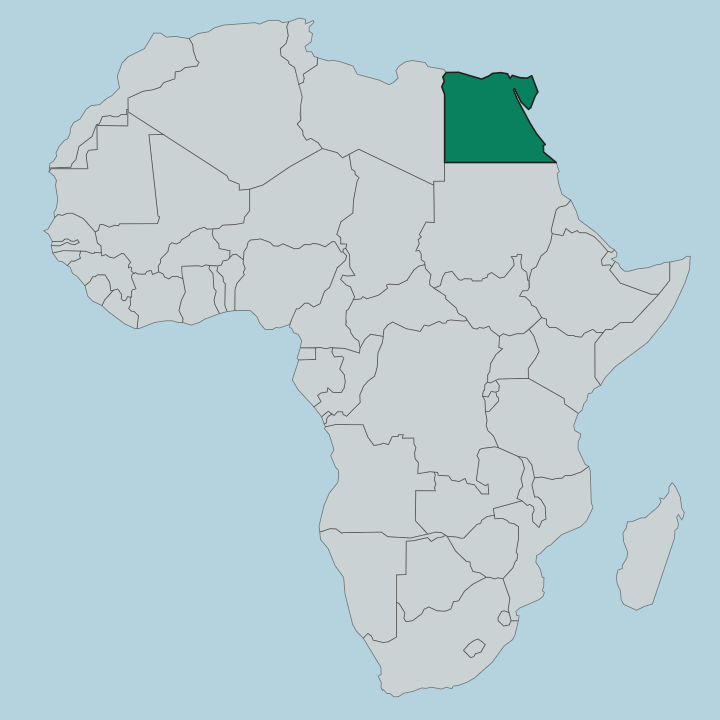
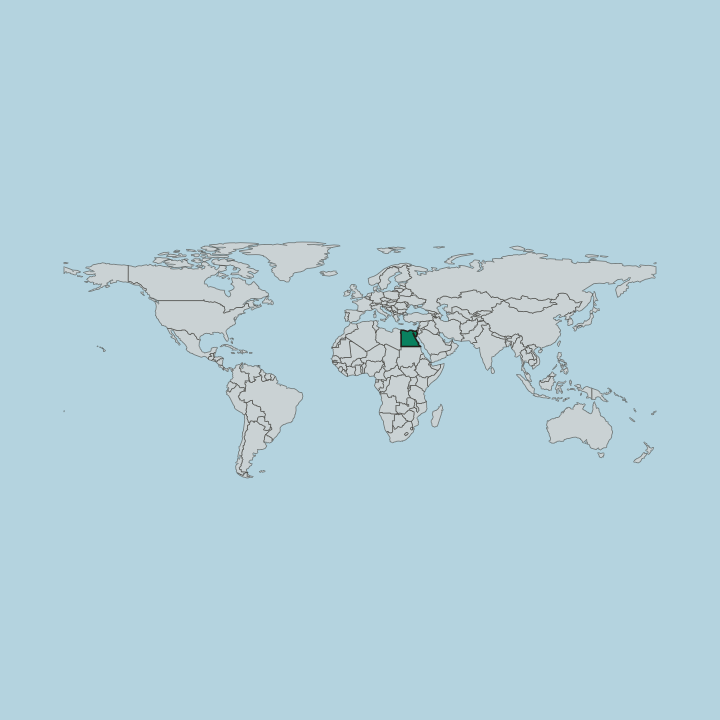
Where to stay in Assiut
The practical side of choosing where to sleep.
The University of Assiut sets the first choice. Rooms near the campus and its College Museum put a visitor among lecture halls, museum cases, and the daily traffic of a provincial capital that works rather than performs for guests. It suits a short academic errand.
The National Museum of Asyut belongs to the same day, so a stay aimed at collections rather than tombs can be arranged without a car and without long crossings of the city. The other choice faces the older city. Assiut was built close to an ancient city of the same name, and the Necropolis of Asyut lies with it, so a room on that side shortens the approach to the Tomb of Mesehti and the Tomb of Nakhti.
Lodging on that older side is sparse. Most visitors end up sleeping in the modern centre and travelling out to the tombs, which is the practical arrangement in a city whose accommodation follows the university and the governorate rather than the archaeology. Asyut Governorate keeps its offices here too.
That concentration of business, the governorate, the university, and the museums, is why the centre holds nearly all of the city's beds and why the tombs are visited as a day trip rather than a base.
Find hotels in Assiut
Direct booking searches for these neighbourhoods.
Around the university
Lecture halls, the College Museum and the National Museum of Asyut inside one day on footFind hotels in Around the universityAnyone here for the Tomb of Mesehti and the Tomb of NakhtiToward the older city
The shortest approach to the Necropolis of Asyut and the ancient settlement beside it. Lodging is scarce in this area; reserve in advance.Find hotels in Toward the older cityHotel links are affiliate links: booking through them may earn us a commission, at no extra cost to you. It never affects how places are ranked. How this works
Things to do in Assiut
Ranked by global recognition; descriptions from Wikidata (CC0).
Museums & Galleries
2- College Museum, University of Assiut
- National Museum of Asyut
Castles & Historic Sites
3- Asyut
- Necropolis of Asyut
- Tomb of Mesehti
worth knowingacross 2 categories in Assiut
About Assiut
Tombs and lecture halls.
What is Assiut known for?
Assiut carries two reputations at once: the ancient necropolis that lies with the older city nearby, and the University of Assiut, whose College Museum keeps part of what the province has yielded. The National Museum of Asyut gathers the rest. Assiut also holds one of the largest Coptic Christian communities in Egypt, and that alone sets the city apart among the provincial capitals of Upper Egypt.
What are the main landmarks in Assiut?
The Necropolis of Asyut is the anchor, with the Tomb of Mesehti and the Tomb of Nakhti standing as the two names from that ground that reach beyond the province. Two museums do the rest. The National Museum of Asyut sets out the province's finds for a general visitor, while the College Museum at the University of Assiut keeps a teaching collection closer to the lecture rooms.
Coptic churches belong on the list too, since Assiut holds one of the largest Coptic Christian communities in Egypt.
What is the history of Assiut?
Two cities share the name. Assiut was built close to an ancient settlement of the same name, and that older site still lies nearby, so the modern streets and the antiquity of Upper Egypt occupy separate ground rather than one layered mound. The tombs record the older town.
The Necropolis of Asyut holds the burials of that earlier city, and two of them, the Tomb of Mesehti and the Tomb of Nakhti, carry names known outside Egypt. Asyut Governorate came later, and with it the modern administrative map that the old necropolis predates by a very long way. Modern Assiut took the administrative role, becoming the capital of Asyut Governorate and the place where the province's courts, offices, and records were gathered.
The University of Assiut followed. A teaching institution of its kind changes a provincial city, and the College Museum attached to it is one visible result: an academic collection sitting alongside the National Museum of Asyut in the same town. Faith runs through the same history.
Assiut holds one of the largest Coptic Christian communities in Egypt, a presence that belongs to the city's long record as much as the necropolis does.
Where is Assiut?
Assiut sits in Upper Egypt, and the modern city stands close to the ancient one rather than on top of it, which is why the old and new sites are counted separately. The distance between them is short. Asyut Governorate spreads out around the capital, and the city holds the offices, the university, and the museums that the surrounding province lacks.
The Necropolis of Asyut lies with the older site, which keeps the archaeology outside the modern street plan.
What is the climate of Assiut?
Upper Egypt runs hot, and Assiut takes the full share of it: a long summer in the subtropical band, with heat that holds through the middle of the day and eases only towards evening. Assiut's cool spell does not last. The cool season is the workable one for walking out to the Necropolis of Asyut, since shade is scarce on open ground and the tombs sit away from the built-up streets.
Plan around the middle hours.
How do you get to Assiut?
Arrivals come through the provincial capital itself. Assiut is the point where Asyut Governorate's routes converge, so anyone travelling in Upper Egypt reaches the surrounding towns and the older site by way of the city rather than around it. The tombs need a short ride out.
The Necropolis of Asyut and the ancient city stand apart from the modern streets, close enough for a taxi run but far enough that a walk is not the sensible way to do it.
Common questions
What is the best area to stay in Assiut?
Around the university: Visitors using the University of Assiut and its College Museum. Toward the older city: Anyone here for the Tomb of Mesehti and the Tomb of Nakhti.
Good for
Updated September 2026