Egypt · North Sinai
Where to Stay in Arīsh, North Sinai
Arīsh is the Sinai's largest city. Capital of the North Sinai Governorate, it spreads along the Mediterranean coast of the peninsula.
Hotel links are affiliate links: booking through them may earn us a commission, at no extra cost to you. It never affects how places are ranked. How this works


Where to stay in Arīsh
The practical side of choosing where to sleep.
The coast is the first decision. Arīsh faces the Mediterranean along its seaward edge, and a room on that side trades the working streets of a governorate capital for open water, salt air and the sound that comes with them. The sea is the constant.
Everything else in the city, the offices that follow from the capital's role, the market trade, the long road running back toward Cairo, sits behind the front and is reached from it without trouble. Inland, Arīsh is an administrative town first. Rooms away from the water sit nearer the institutions that make this the seat of the North Sinai Governorate, and nearer the places that record its past: Arish castle, the Al-Arish National Museum, and the El Arish zoo for a lighter afternoon.
Pick by your reason for coming. If you are here for the shore, stay where the water is in view; if the trip is business with the governorate, or a stage on the long haul across the Sinai Peninsula, the inland streets put you closer to what you need and cut the walk at both ends of the day.
About Arīsh
Size and office together.
What is Arīsh known for?
Arīsh, written also as Arish or El-Arish, is the largest city on the Sinai Peninsula and the capital of the North Sinai Governorate, so a coastal town carries the administrative weight of a whole region as well as its own. The sea supplies the setting. Water runs along the city's front, the Al-Arish National Museum keeps the regional record, and Cairo lies 344 kilometres off, with Arīsh standing to the northeast of the capital.
What are the main landmarks in Arīsh?
Three names carry the sights. Arish castle stands for the older layer of the town, the Al-Arish National Museum gathers what the North Sinai Governorate has to show of its past, and the El Arish zoo accounts for an easier half-day. The sea needs no listing.
Mediterranean water runs the length of the city, and it pulls more people than any single building on the Sinai Peninsula's largest city ever will.
What is the history of Arīsh?
Arīsh's past is written in its position. A city on the Mediterranean edge of the Sinai Peninsula stands where movement along the coast has to pass, and that alone accounts for a settlement holding this ground rather than the emptier stretches to either side of it. A castle followed.
Arish castle survives as the plainest evidence that the place was thought worth fortifying, which is the usual fate of a town sitting astride a route. The record is kept locally. The Al-Arish National Museum exists to hold the material of the North Sinai Governorate, and the decision to place a national museum in Arīsh rather than in Cairo indicates how much of the peninsula's story is bound up in this one city.
Borders shape it too. The city lies about 45 kilometres west of the Egypt-Gaza border, close to the Gaza Strip and to Israel, so the coastal way east of Arīsh reaches an international crossing rather than running on unbroken. Distance from the capital does the rest.
Some 344 kilometres of road separate the city from Cairo, far enough that Arish supplies for itself the services a smaller place would look to the Nile valley for, which is a large part of why it stands as the biggest settlement on the peninsula.
Where is Arīsh?
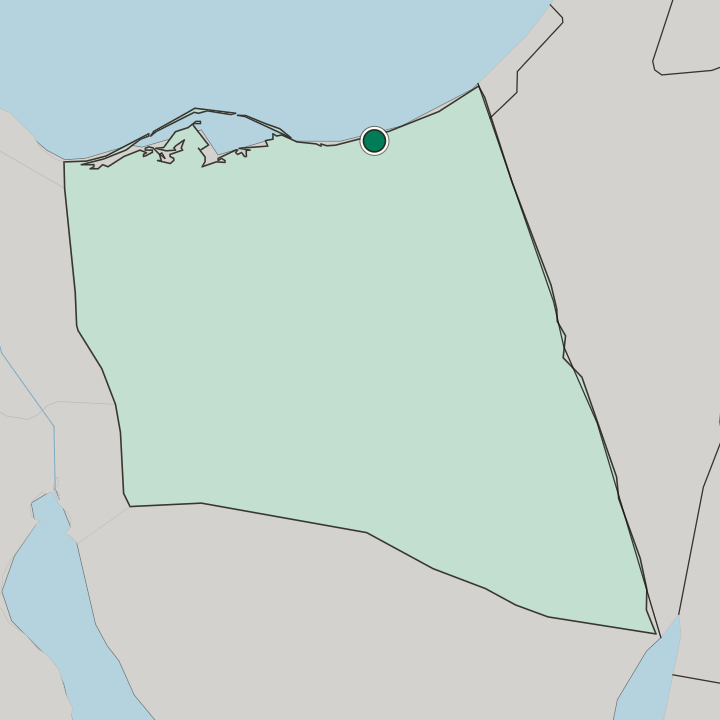
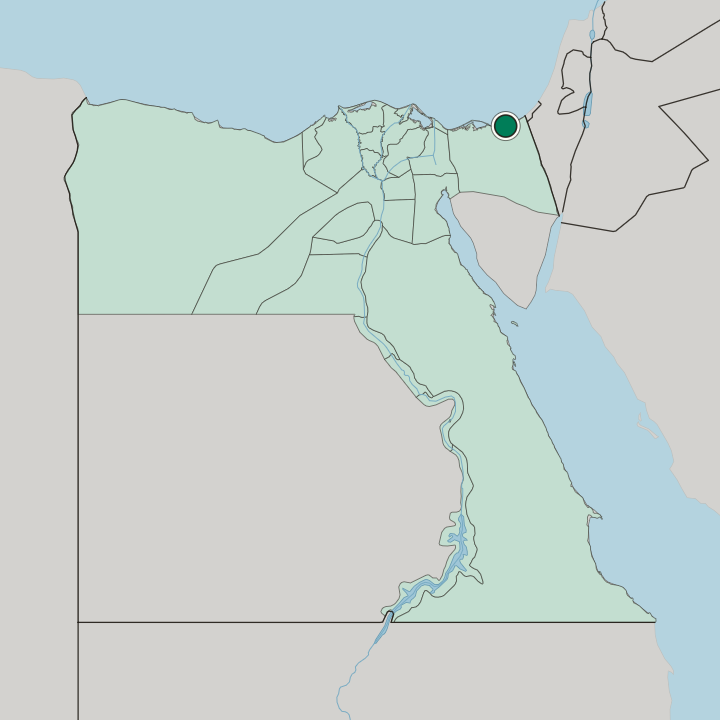
Coast on one side, peninsula on the other. Arīsh occupies the Mediterranean shore of the Sinai Peninsula, with the water along its front and the interior of the North Sinai Governorate running away behind, and the land east of the city carries on to the Egypt-Gaza border some 45 kilometres away. Cairo is a long way off.
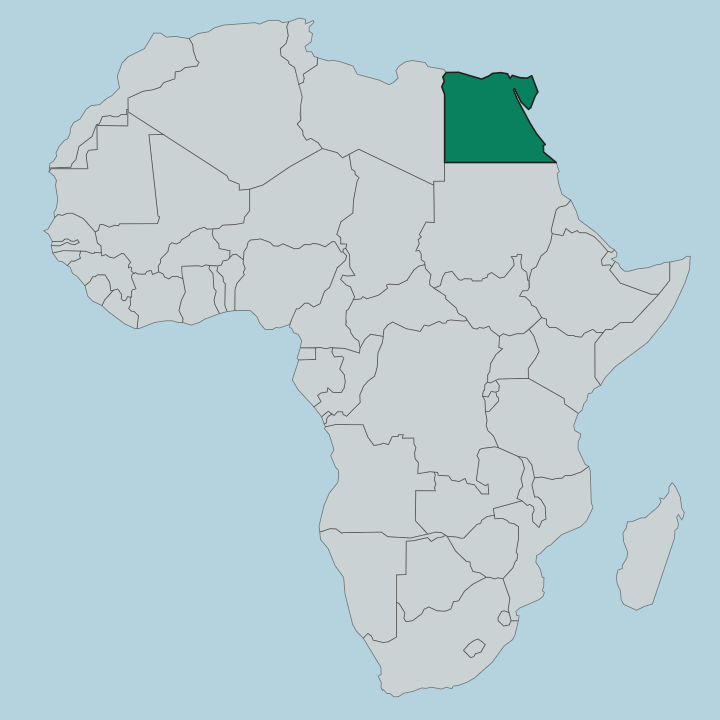
The capital lies 344 kilometres from here, with Arīsh to its northeast, which puts the city closer to the edge of Egypt than to its middle.
What is the climate of Arīsh?
Mediterranean water softens the local conditions. Sea air reaches every street of Arīsh, and a coastal city in the subtropical band north of the equator gets its seasons in the northern order, with the warm months arriving in the middle of the year. The interior is another matter.
Away from the shore the Sinai Peninsula loses that softening influence quickly, so conditions in the city and conditions a short way inland are not the same thing at all.
How do you get to Arīsh?
Road is how everything comes in. The run from Cairo covers 344 kilometres to reach Arīsh in the northeast, and it is the link that ties the North Sinai Governorate to the Nile valley and the rest of the country. East ends at a border.
The coastal road continues only as far as the Egypt-Gaza border, roughly 45 kilometres on, so through traffic in that direction stops where the Gaza Strip begins.
Updated September 2026