Ethiopia · Harari Region
Where to Stay in Harar, Harari Region
Harar is an ancient walled city in eastern Ethiopia, a holy city of Islam packed with mosques and shrines.
Hotel links are affiliate links: booking through them may earn us a commission, at no extra cost to you. It never affects how places are ranked. How this works


Where to stay in Harar
How the choice of base plays out on the ground.
Where you stay in Harar turns on the walled town. Inside the ramparts of Harar Jugol, guesthouses in the painted Harari houses put the mosques, the markets, and the gates at the door, and staying within the walls suits anyone here for the old city. The alleys fall silent after dark.
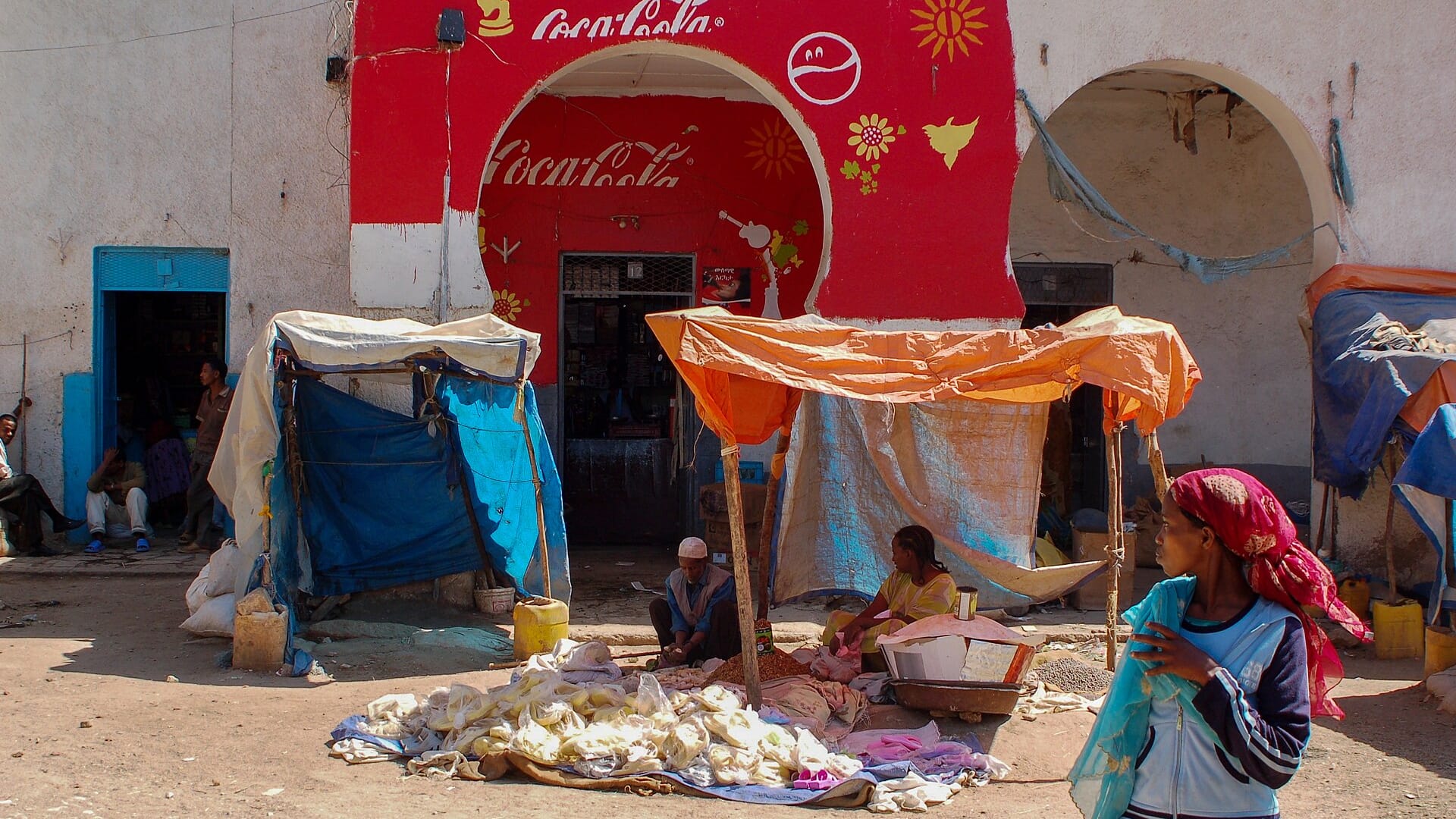
Rooms hide behind the bright walls of the old town. Outside the gates, the newer town spreads into ordinary streets. A room beyond the walls trades the maze for space, parking, and a quieter, plainer stay near the road.
The highlands roll green past the edge. If you want the mosques and the markets, stay inside the walls; if you want space and quiet, take a room outside. Either way, the old city is a gate away.
Find hotels in Harar
Direct booking searches for these neighbourhoods.
Inside the walls
Within the ramparts of Harar Jugol among the painted Harari houses, within a walk of the mosquesFind hotels in Inside the wallsQuieter, plainer stays with spaceOutside the gates
In the newer town beyond the walls, near the road and easier parkingFind hotels in Outside the gatesHotel links are affiliate links: booking through them may earn us a commission, at no extra cost to you. It never affects how places are ranked. How this works
About Harar
Harar is one of the holy cities of Islam.
What is Harar known for?
Behind its old brown walls, called Harar Jugol, crowd dozens of mosques and shrines along a maze of narrow, painted alleys, and men still feed wild hyenas by hand at the gates each night. The poet Rimbaud once traded coffee here. Faith and old walls make the city.
What are the main landmarks in Harar?
The old walls are the heart of Harar. The brown ramparts of Harar Jugol ring the maze of alleys and mosques, the great sight of the city, pierced by five ancient gates. Shrines fill the narrow lanes.
Dozens of mosques and holy graves crowd the old town, while the Rimbaud House recalls the poet and the Medhane Alem Cathedral rises among them.
What is the history of Harar?
Harar rose as a holy city of trade. For a thousand years it stood at the crossroads of the caravan routes between the highlands, the Red Sea, and the interior of Africa, and it grew into a great centre of Islam, ringed with walls and filled with mosques. Faith made its fame.
So many holy men lived and were buried here that Harar became a place of pilgrimage, counted among the holiest cities of Islam. The walled city guarded its own world. Kings and emirs ruled from within the ramparts, minting their own coin and speaking their own tongue, and five gates alone let the caravans in and out.
Strangers found their way in too. The French poet Arthur Rimbaud came to Harar as a trader in his restless later years, and his house still stands in the old town. Ethiopia took the city at last in the nineteenth century.
The whole walled town was later named a treasure of the world, and Harar keeps its mosques, its walls, and its wild hyenas still.
Where is Harar?
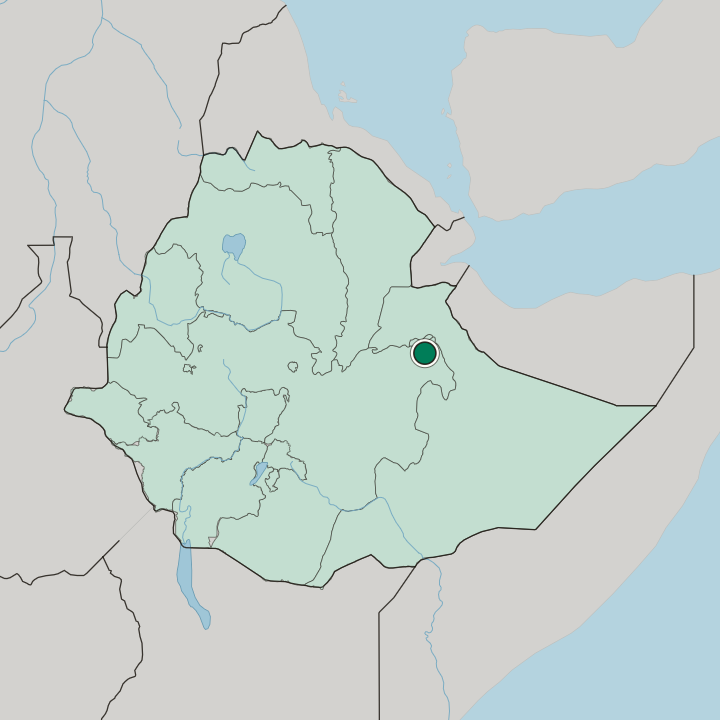
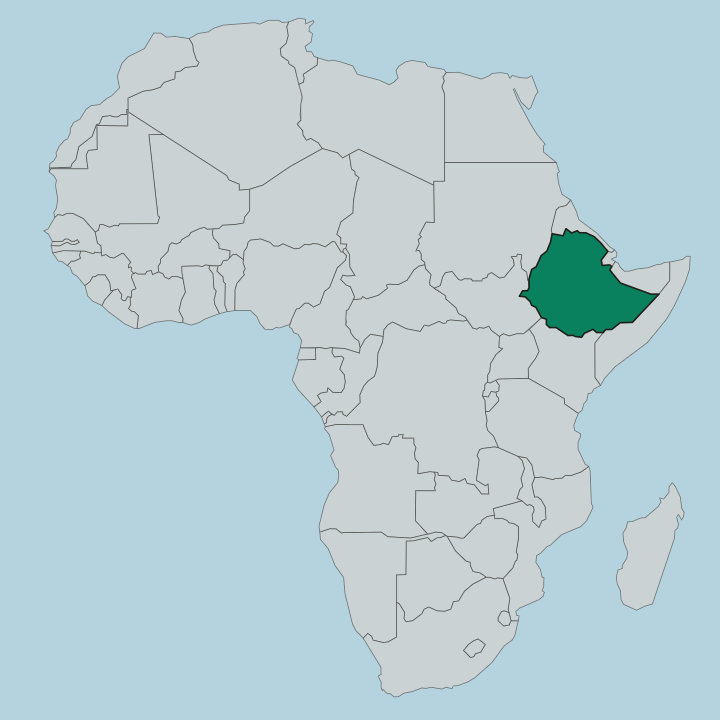
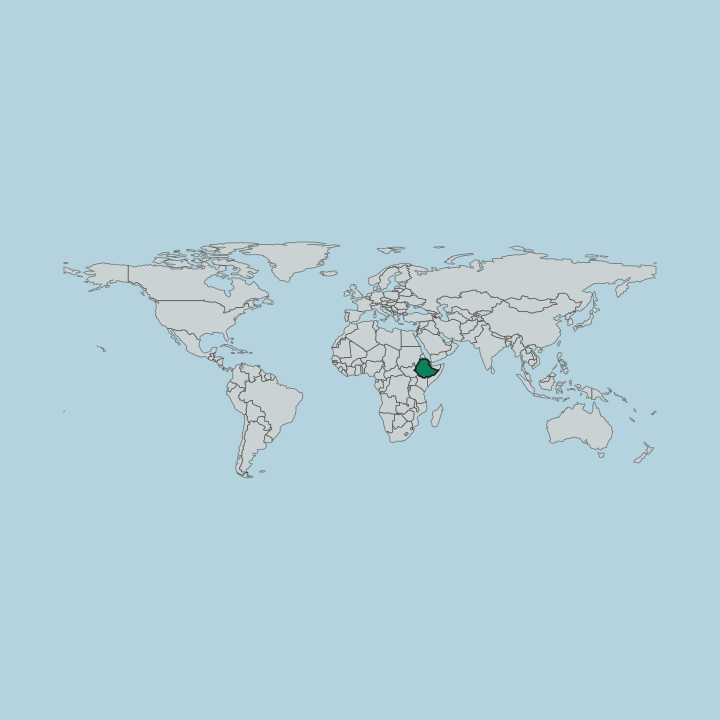
Harar stands on a hilltop in the eastern highlands of Ethiopia. The walled city crowns a ridge above the plains, where the green highlands fall away toward the deserts of the Somali lowlands to the east. Coffee and chat grow on the slopes around.
The dry lowlands stretch far below.
What is the climate of Harar?
Harar enjoys a mild highland climate. The height keeps the walled city warm by day and cool at night through the year, far gentler than the deserts below, and the rains come in two seasons. Mist drifts over the hilltop in the wet months.
The highland air stays fresh and mild.
How do you get to Harar?
Harar lies in the far east of Ethiopia. Roads climb up to the city from the lowlands and run west toward the capital, Addis Ababa, and a rail line and airport lie out on the plains below. Buses reach the walled gates from Dire Dawa.
Most arrive by road up to the walled city.
Common questions
What is the best area to stay in Harar?
Inside the walls: Visitors here for the mosques, markets, and gates. Outside the gates: Quieter, plainer stays with space.
Good for
Updated September 2026