Ethiopia · Oromiya Region
Where to Stay in Jimma, Oromiya Region
Jimma is the largest city of Ethiopia's Oromia Region, a market town whose trade in coffee and perfume drew buyers from far beyond it.
Hotel links are affiliate links: booking through them may earn us a commission, at no extra cost to you. It never affects how places are ranked. How this works


Where to stay in Jimma
Where visitors usually base themselves, and why.
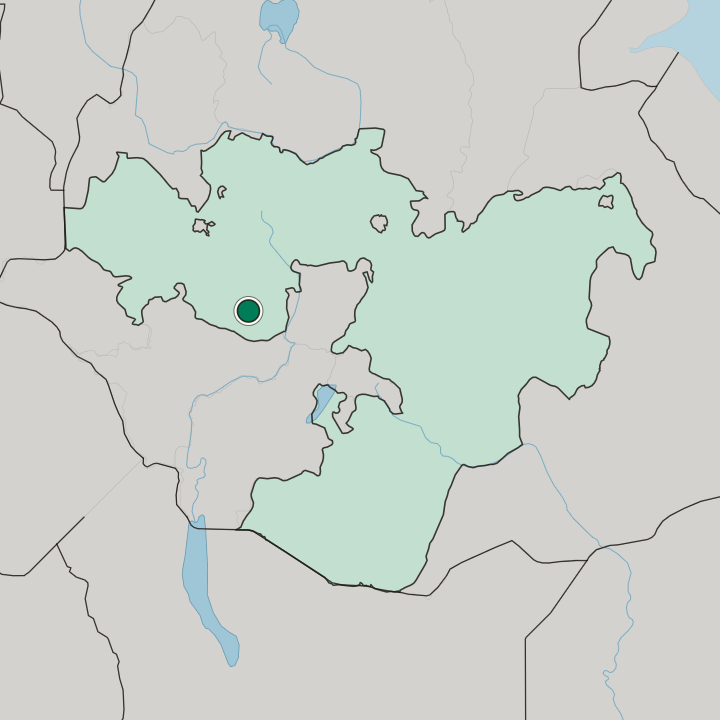
The city is the base, and there is no second candidate for it. Jimma is the largest place in the Oromia Region, and its 50.2 square kilometres are ringed on every side by the rural Jimma Zone, so a bed booked beyond the city limits is a bed in farmland. Stay inside Jimma.
Its standing as a special Zone, administered separately from the Jimma Zone around it, is the practical reason the offices, the commerce and the accommodation all gather within the same compact ground. What the stay is for shapes the rest of it. Anyone here for the trade that made Jimma known across Ethiopia will spend the day in the city, where buyers once arrived from neighboring kingdoms for coffee, perfume and the other goods a market town carried.
Trips out want a vehicle. The Jimma Zone is countryside rather than a second base, with nothing in it that competes with the city for a night, and the run back at the end of an afternoon is short enough that few visitors move their luggage for it. Amharic serves in the offices and the hotels.
A traveller who treats Jimma as a single base and the surrounding zone as a day's driving has read the geography correctly, because the Oromia Region puts nothing else of this size within reach of the coffee country.
Find hotels in Jimma
Direct booking searches for these neighbourhoods.
Jimma city
The whole of the 50.2 square kilometres that the Oromia Region administers as a special Zone, holding the offices and effectively all the roomsFind hotels in Jimma cityDriving days through the countryside that rings the special ZoneJimma Zone
Farming country wrapped around Jimma on every side, worth crossing by day and short on anywhere to sleep once the light goes. Beds are limited here, so book early.Find hotels in Jimma ZoneHotel links are affiliate links: booking through them may earn us a commission, at no extra cost to you. It never affects how places are ranked. How this works
About Jimma
Traders came for coffee.
What is Jimma known for?
Jimma worked as a market town that drew Ethiopia's diverse ethnic groups and buyers out of neighboring kingdoms alike, all of them there for coffee, perfume and whatever else the stalls carried. Size followed the trade. The city stands as the largest in the Oromia Region and holds the standing of a special Zone, administered apart from the Jimma Zone that surrounds it.
What are the main landmarks in Jimma?
The record lists no monument for Jimma. Its reputation was built on a market town that pulled in Ethiopia's diverse ethnic groups together with buyers from neighboring kingdoms, all of them trading coffee, perfume and the rest of what the stalls carried. Streets stand in for sights.
A visitor gets a working city of 50.2 square kilometres, the largest in the Oromia Region, where the farmland of the Jimma Zone starts as the built ground stops.
What is the history of Jimma?
Jimma's past is a trading past. It worked as a market town drawing all of Ethiopia's diverse ethnic groups, along with people out of neighboring kingdoms who travelled in to buy coffee, perfume and the other goods the stalls carried. Coffee anchored the commerce.
The mixture of buyers is what made the place unusual, because a town pulling custom from several kingdoms at once is doing rather more than serving the district immediately around it. Officialdom followed the merchants. Before the 2007 census Jimma was reorganized as a special Zone, which set the city apart from the Jimma Zone that surrounds it and gave it a standing of its own within the Oromia Region.
The change was administrative rather than physical. Jimma stayed where it stood, on the same 50.2 square kilometres, and remained the largest city of the region, but it stopped being counted as part of the countryside that rings it. Trade explains the shape of what followed.
The routes that carried buyers to Jimma from across Ethiopia are the reason the city, rather than any settlement of the Jimma Zone, ended up holding the offices, the commerce and the beds. Perfume and coffee are the words its name carries.
Where is Jimma?
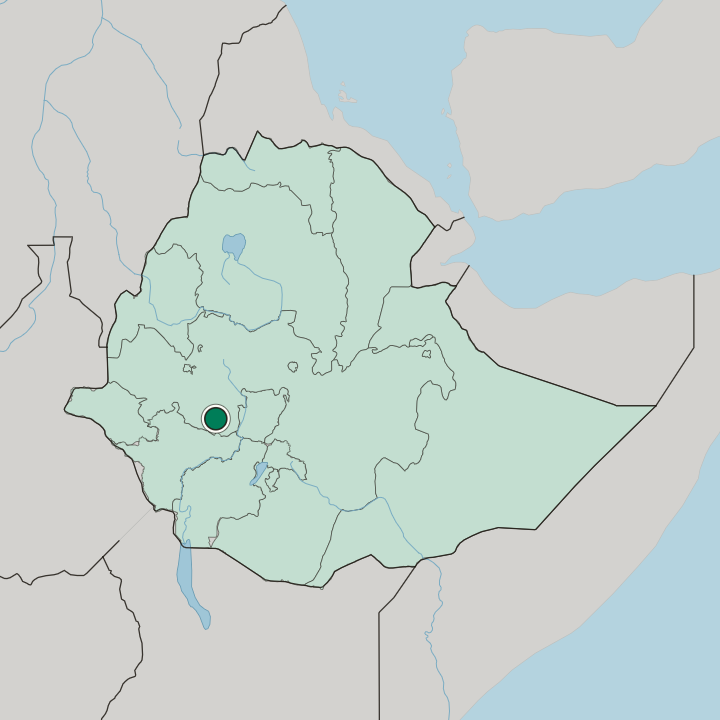
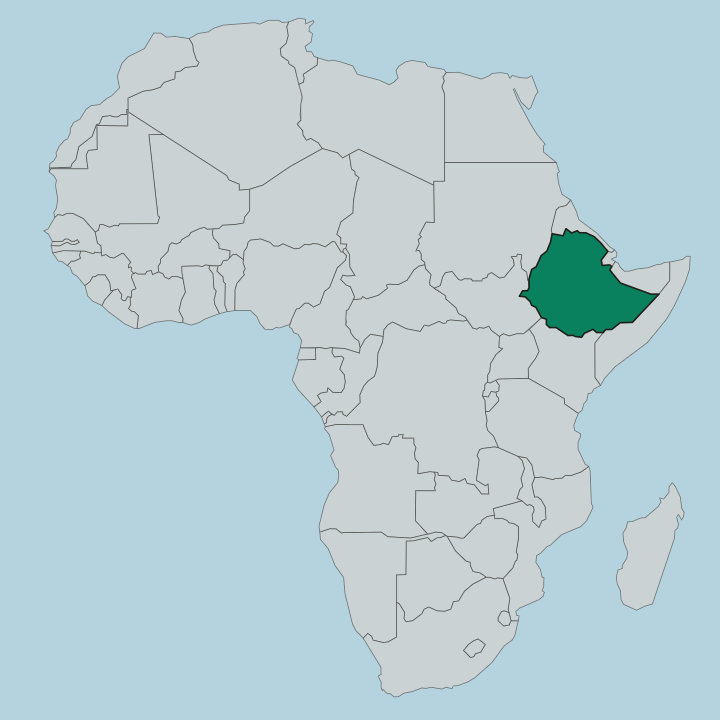
Jimma covers about 50.2 square kilometres, and the Jimma Zone encloses that ground on every side, so the city has countryside for a boundary in each direction rather than another town. The tropical band runs through here. As the largest city of the Oromia Region it stands in the middle of its own zone rather than at any edge of Ethiopia, which is how a market town came to serve a catchment far wider than its size suggests.
What is the climate of Jimma?
Coffee is the evidence. Jimma lies inside the tropical band, and the trade in coffee that drew buyers from across Ethiopia and out of neighboring kingdoms rests on the warmth and rainfall that the crop demands of the ground it grows on. Seasons turn on the rain rather than the cold.
The Jimma Zone farms the same weather the city sells.
How do you get to Jimma?
You arrive by road. Jimma is ringed by the Jimma Zone, so every approach crosses that countryside before the city itself, whichever part of the Oromia Region a traveller has set out from. The market did the rest.
Buyers reached Jimma from across Ethiopia and from neighboring kingdoms to trade coffee and perfume, and the routes that carried them are older than any administrative line drawn around a special Zone.
Common questions
What is the best area to stay in Jimma?
Jimma city: One base for the coffee and perfume trade the market town was built on. Jimma Zone: Driving days through the countryside that rings the special Zone.
More cities in Oromiya Region
Updated September 2026