Ethiopia · South West Ethiopia Peoples' Region
Where to Stay in Tēpī, South West Ethiopia Peoples' Region
Tēpī is an upland town of the Sheka Zone in southern Ethiopia, named for a Majangir man whose bee hive sat in the marketplace tree.
Hotel links are affiliate links: booking through them may earn us a commission, at no extra cost to you. It never affects how places are ranked. How this works


Where to stay in Tēpī
Where the beds are, and what that means for the visit.
Tēpī is small enough to cross on foot. The town's ground covers barely fourteen square kilometres, which puts every quarter of it inside a short walk of the marketplace that gave the place its name. That settles most of the choice.
If you are here for the Sheka Zone rather than the town itself, a bed near the marketplace keeps you closest to the traffic that moves through it. Elevation is the other thing to weigh. Tēpī stands above a thousand metres, high enough that the nights cool off in a way the tropical position would not suggest, and a room with blankets is worth asking after.
The record names no hotel quarter here. What Tēpī offers instead is a compact town, with the walk from one edge to the other measured in minutes. Bookings sometimes carry the plain spelling Tepi.
The South West Ethiopia Peoples' Region administers the town from further off, and nothing in its layout asks a visitor to choose one side over another. Distances inside Tēpī are short, and the marketplace stays the reference point everyone uses. The Sheka Zone begins where the houses stop.
About Tēpī
A tree named the town.
What is Tēpī known for?
Tēpī carries the name of a Majangir man who kept a bee hive in the large tree that once stood in its marketplace, and that story is the first thing the record tells about the place. The Sheka Zone country surrounds it. The town's ground rises above a thousand metres, which does more to shape a day here than its position in the tropics does.
Its name's vowels follow the English words tape and pea.
What are the main landmarks in Tēpī?
No monument anchors the story of Tēpī. The record names one fixed thing, and it is a tree: the large tree that once stood in the marketplace, where a Majangir man is said to have kept his bee hive. That tree gave the town its name.
Nothing else in the written account is singled out, and the Sheka Zone around the town carries whatever else there is to look at.
What is the history of Tēpī?
Tēpī's beginnings carry no date. What the written record keeps instead is a naming story: the town is said to take its name from a Majangir man who once kept a bee hive in the large tree that stood in the marketplace. The tree is gone.
Its place in the account is not, and the marketplace it stood in remains the part of Tēpī that the record keeps returning to. Administration has shifted around the town far more often than the town itself has shifted. Tēpī sits in the Sheka Zone, and that zone answers to the South West Ethiopia Peoples' Region, a body whose name also appears in the shorter written form South West Ethiopia Region.
Spelling has been just as fluid. Tepi is the plain form, while Tēpī carries the vowel marks, and the record explains those marks by comparison with the English words tape and pea. Both forms point at the same upland town in the Sheka Zone.
The Majangir name outlived the hive. Tēpī's height, above a thousand metres, has kept it clear of the hot lowland belt that much of southern Ethiopia lies in.
Where is Tēpī?
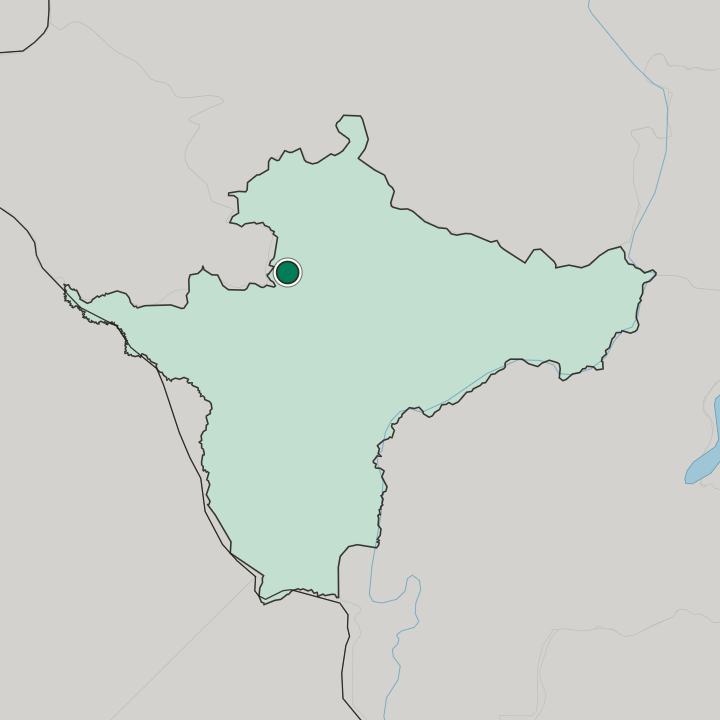
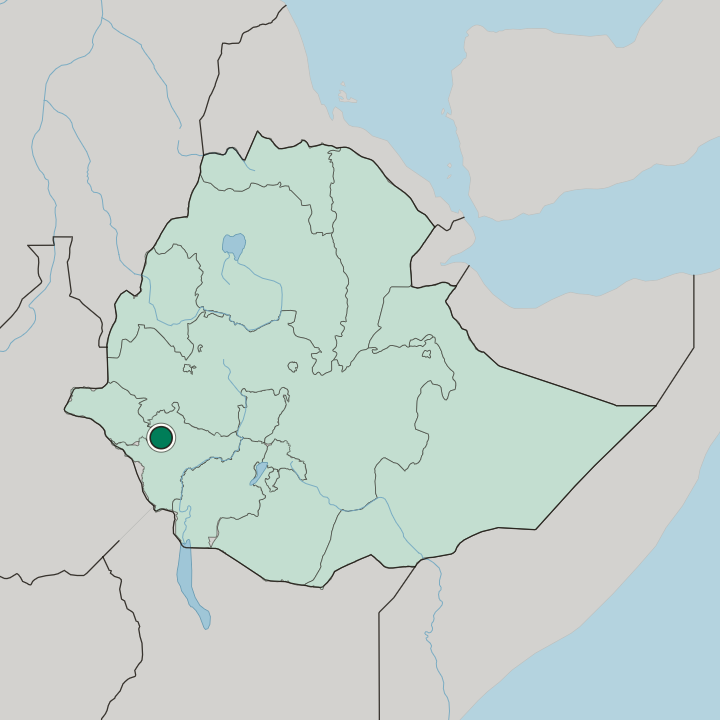
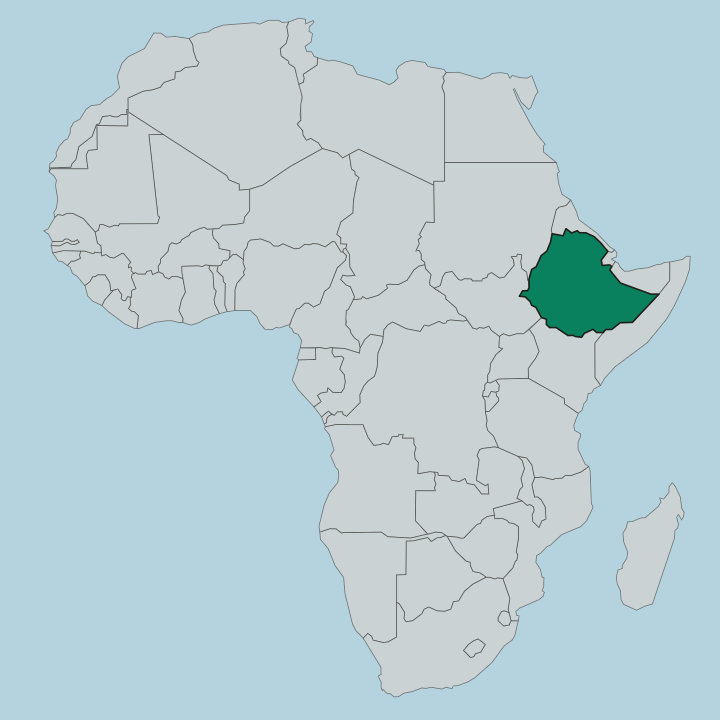
Height sets Tēpī apart from its place on the map. The town stands above a thousand metres in the Sheka Zone, inland in southern Ethiopia, on ground the South West Ethiopia Peoples' Region administers from a distance. Its built ground is compact.
Something close to fourteen square kilometres covers the whole town, which is why the marketplace serves as everyone's reference point rather than any one quarter.
What is the climate of Tēpī?
Altitude does the tempering here. Tēpī sits deep in the tropics by position, yet the ground under it rises above a thousand metres, and that height pulls the days and the nights back from what the map would promise. The Sheka Zone shares that lift.
Lower country in southern Ethiopia runs hotter, and Tēpī's advantage over it comes from elevation alone. Nights at this height cool in a way that surprises anyone arriving from the lowlands.
How do you get to Tēpī?
Arrival is overland. The record for Tēpī names no airport and no rail line, so the roads crossing the Sheka Zone carry everything that reaches the town. Those roads climb.
Tēpī stands above a thousand metres, and an approach from the lower parts of southern Ethiopia gains that height before it arrives. Everything that comes in converges on the marketplace that named the town.
Updated September 2026