Finland · Kainuu
Where to Stay in Kajaani, Kainuu
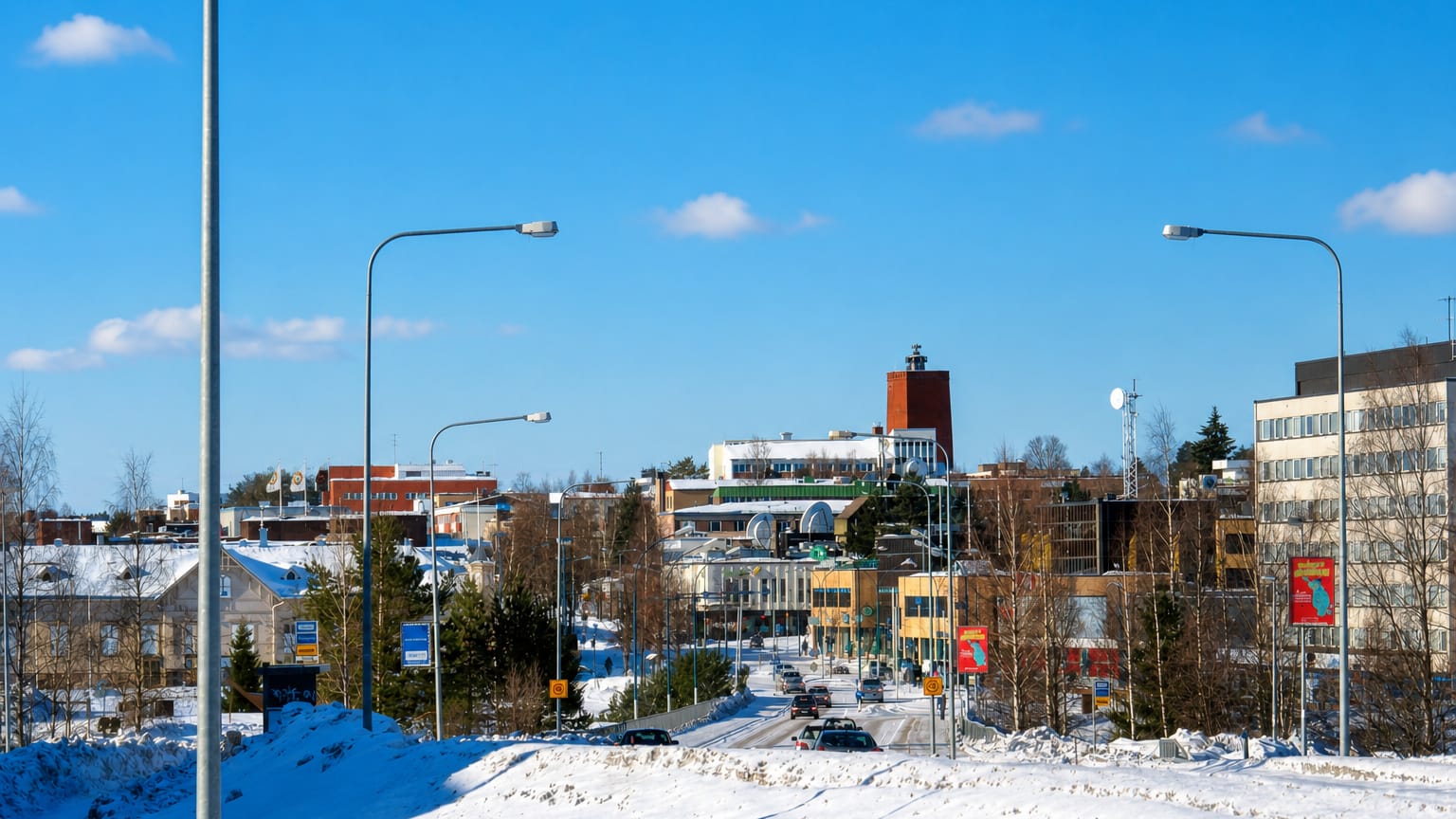
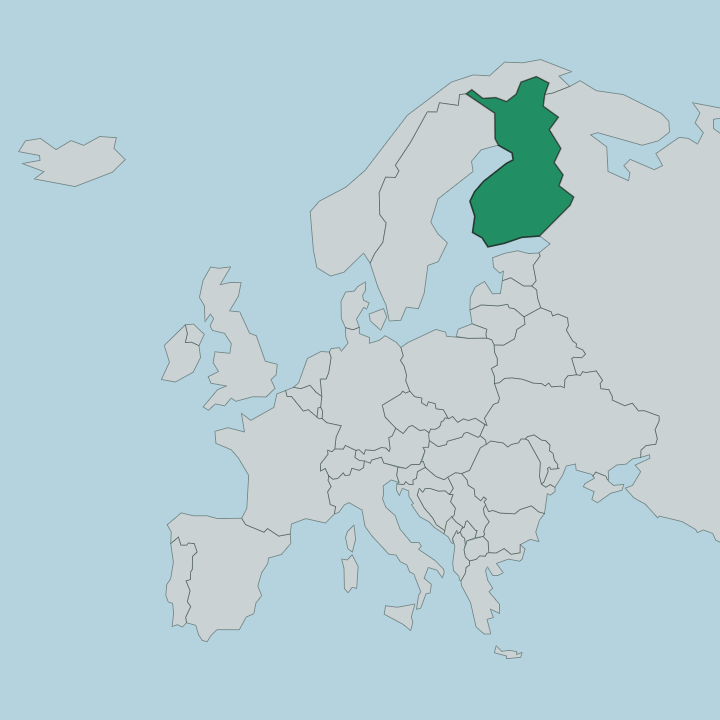
Kajaani is the regional capital of Kainuu in northern Finland, a castle town on the Kajaani River below Lake Oulu.
Find your area →


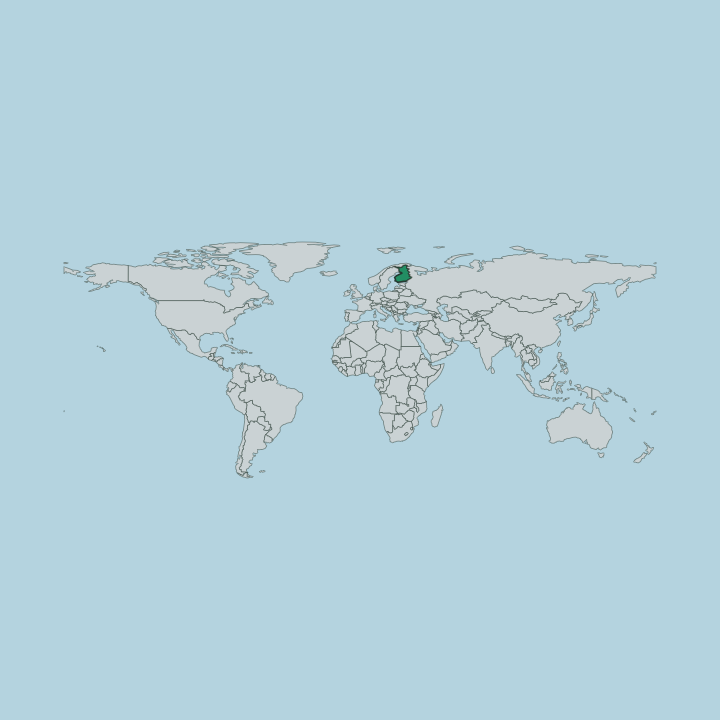
Where to stay in Kajaani
Where you base yourself shapes the visit — here's the character of each area.
Kajaani keeps most of its beds in the compact centre, the natural base for a regional capital of Kainuu in northern Finland. The core around the Kajaanin kirkko holds the town's hotels and guesthouses, within walking reach of the castle, the shops and the river. The core is the natural base.
Visitors here can reach the ruined Kajaanin linna on foot, along with the Kainuun Museo and the Kajaanin taidemuseo, and the Orthodox Kristuksen kirkastumisen kirkko a little way off. Walkable culture sits at the door. Out across the broad municipality toward Lake Oulu, cottages and cabins stand among the forests and water for travellers who want a quieter stay by the lake rather than in the town.
The lakeshore rewards a car. Some who come for the region's past base themselves near the Kainuun Museo and the memorial to Urho Kekkonen, while others use Kajaani as the one urban base in Kainuu before heading into the surrounding wilds. Book ahead when summer events fill the centre and the rooms by the castle go first.
Things to do in Kajaani
Ranked by global recognition; descriptions from Wikidata (CC0).
Museums & Galleries
2- Kainuun Museo
- Kajaanin taidemuseo
Churches & Religious Sites
3- Kajaanin kirkko Heritage
- Kristuksen kirkastumisen kirkko
- Kajaanin helluntaiseurakunta
Castles & Historic Sites
1- Kajaanin linna Heritage
Landmarks & Notable Places
2- Kajaanin seminaarin puutarhurin asunto Heritage house
- Ratapiha-tilan asuinrakennus Heritage
worth knowingacross 4 categories in Kajaani
About Kajaani
What is Kajaani known for?
Kajaani is known as the capital of Kainuu, the seat of the region in northern Finland and a town built around its castle. The ruined Kajaanin linna stands on its island in the river, the stronghold that gave the town its start in the seventeenth century. The castle made the place.
Church and museum fill out its centre, from the Kajaanin kirkko and the Orthodox Kristuksen kirkastumisen kirkko to the Kainuun Museo and the Kajaanin taidemuseo, with a memorial to the statesman Urho Kekkonen marking the town's link to one of Finland's own.
What are the main landmarks in Kajaani?
Kajaanin linna is the landmark above all others. The ruined castle stands on its island in the Kajaani River, the seventeenth-century stronghold around which the regional capital of Kainuu first grew, and its broken walls remain the symbol of the town. Kajaani's centre answers with two churches.
The Kajaanin kirkko serves the Lutheran parish and the Orthodox Kristuksen kirkastumisen kirkko stands nearby, while the Kainuun Museo and the Kajaanin taidemuseo hold the region's history and art, and a memorial honours the statesman Urho Kekkonen of this corner of northern Finland.
What is the history of Kajaani?
Kajaani begins with its castle. The stronghold of Kajaanin linna rose on an island in the river in the seventeenth century, and the town was chartered in 1651 to serve the garrison and the trade that gathered beneath the walls. The castle came first, the town after.
From that fortified start Kajaani grew into the administrative heart of Kainuu, the seat from which this remote region of northern Finland was governed and supplied. Later centuries layered church and culture onto the castle town. The Kajaanin kirkko was raised for the Lutheran parish and the Orthodox Kristuksen kirkastumisen kirkko for another tradition, while the Kainuun Museo gathered the region's past and the Kajaanin taidemuseo its art.
National memory found a place here too. A memorial marks the statesman Urho Kekkonen, tying Kajaani to one of Finland's own, and the regional capital settled into its modern role at the centre of the Kainuu wilderness.
Where is Kajaani?
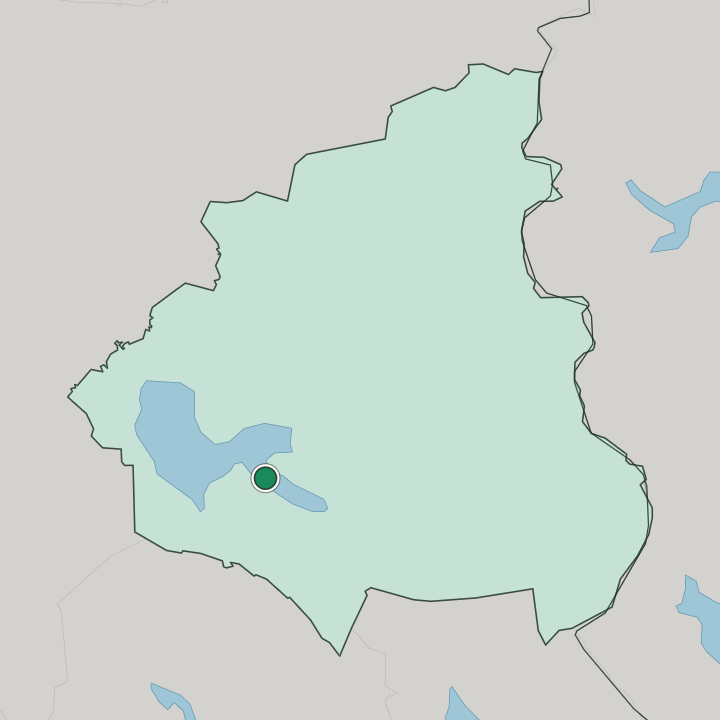
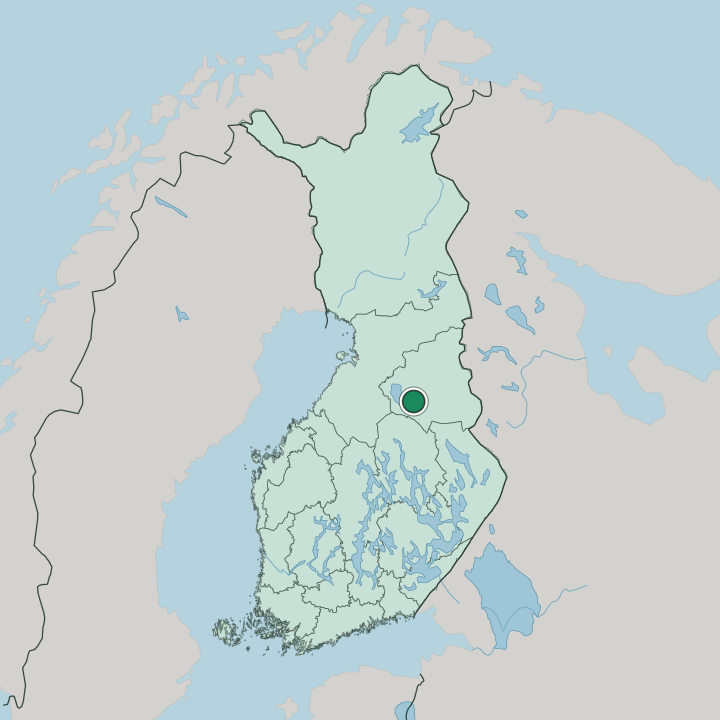
Kajaani lies in the forests of Kainuu, in northern Finland, on the Kajaani River that drains Lake Oulu toward the Gulf of Bothnia. Water and wood surround it. The town centre with the Kajaanin linna sits where the river runs through, the broad municipality spreading out into the lakes and pinewoods of the region beyond.
Wilderness lies on every side here, the Kainuu backwoods reaching from the shores of Lake Oulu to the eastern border country of this part of northern Finland.
What is the climate of Kajaani?
Kajaani holds the hard inland weather of the Kainuu backwoods, far from the moderating sea of northern Finland. Winters are long, dark and bitterly cold, deep snow lying over the forests and the frozen river through months that close in around the castle town. The cold runs deep here.
Summer brings warm air and the long northern daylight, the brief bright season when the woods and the waters of Lake Oulu draw visitors before the snow returns to Kajaani.
How do you get to Kajaani?
Kajaani is the transport hub of Kainuu, the point most travellers reach first in this part of northern Finland. The railway runs to the town, and trains stop near the centre within reach of the Kajaanin linna and the regional museums. Rail ties it to the south.
Road and bus link Kajaani across the wide region, and an airfield serves the longer hops, so the regional capital stays connected even as the Kainuu forests stretch far in every direction.
Good for
More cities in Kainuu
Updated September 2026