Finland · Kainuu
Where to Stay in Ristijärvi, Kainuu
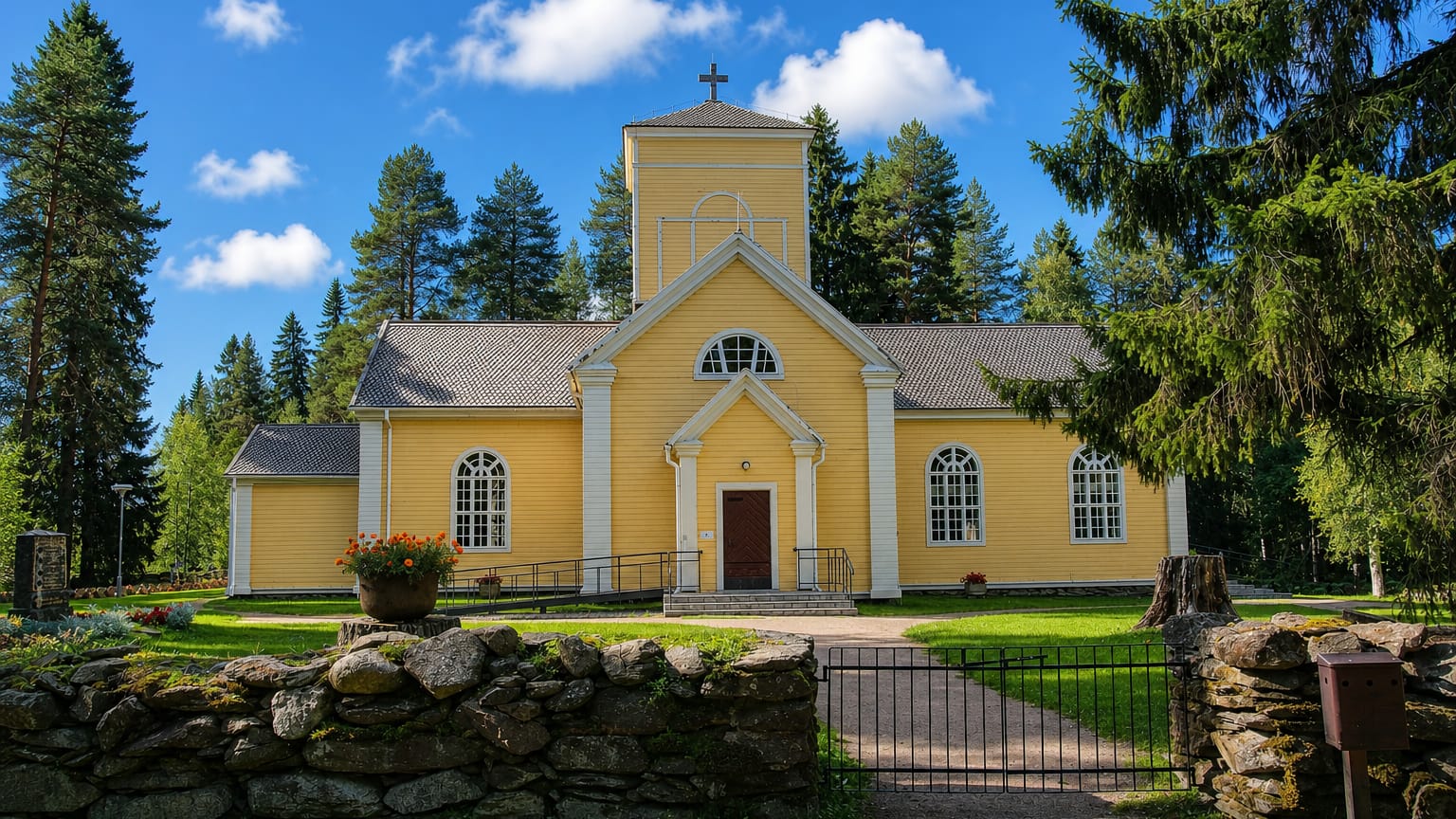
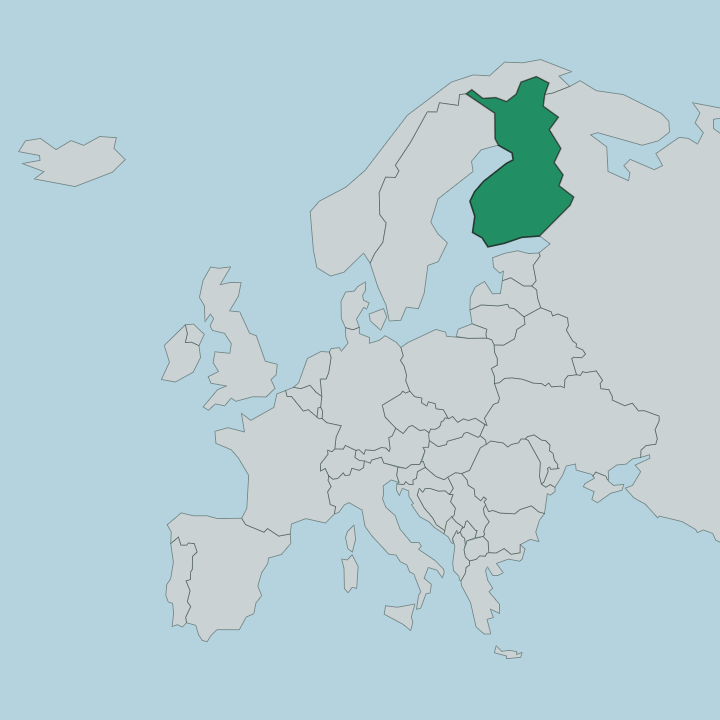
Ristijärvi is a small lakeside municipality in Kainuu, in northern Finland, gathered by its parish church.
Find your area →


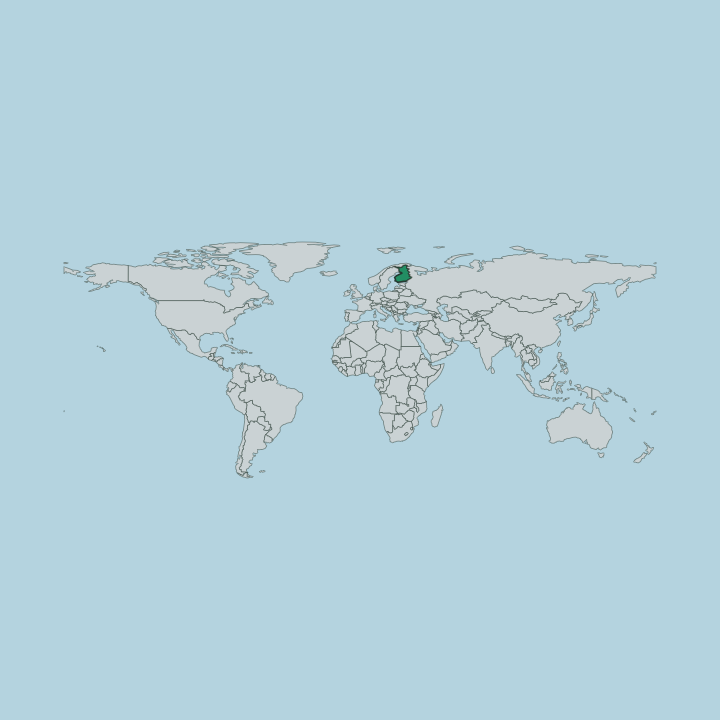
Where to stay in Ristijärvi
Not every neighbourhood fits every trip — here's what each one is good for.
Ristijärvi keeps a thin stock of beds for a small parish of the Kainuu lakeland, the kind of place where a guesthouse or a lakeside cabin is the usual room rather than a hotel. The village centre around the Ristijärven kirkko and its belfry, the Ristijärven kirkon tapuli, is the natural base, with the parish shops and the local exhibition of the Ristijärven Suojeluskunta- ja Lottanäyttely close at hand. It is a quiet stay.
Out across the forests and waters of the municipality, cottages stand among the trees near the old stream mills of the Kainuun puromyllyt and the tar-burning memorials of the Tervanpolton muistomerkit, a base from which to fish, walk and tour this part of northern Finland by car. Rooms in the parish are scarce. Many travellers instead sleep in the larger towns of Kainuu and drive in to see Ristijärvi for the day.
Book ahead in summer, when the lakeside cabins of the parish fill before the short season ends.
About Ristijärvi
What is Ristijärvi known for?
Ristijärvi is known as a quiet parish of the Kainuu lakeland in northern Finland, its life long set around the wooden Ristijärven kirkko and its separate belfry, the Ristijärven kirkon tapuli. Its wooden church anchors the parish. The old crafts of the region run deep here, kept by the Kainuun puromyllyt, the stream mills of Kainuu, and by the Tervanpolton muistomerkit that recall the tar-burning trade.
The wars of the last century left their scars on the parish. Memorials across the parish and the Ristijärven Suojeluskunta- ja Lottanäyttely hold that harder past, set among the forests and waters of this corner of Kainuu.
What are the main landmarks in Ristijärvi?
The Ristijärven kirkko anchors Ristijärvi, the wooden parish church whose separate belfry, the Ristijärven kirkon tapuli, stands beside it as a protected pair. Craft and industry left their own marks across Kainuu, in the stream mills of the Kainuun puromyllyt and the iron-smelting site of the Rautakorven rautahytti. War is remembered too.
Memorials and the Ristijärven Suojeluskunta- ja Lottanäyttely keep that past, while the Tervanpolton muistomerkit recall the tar trade that once carried the wealth of this part of northern Finland.
What is the history of Ristijärvi?
Ristijärvi grew as a farming and tar-burning parish in the forests of Kainuu, in northern Finland, its people working the land, the streams and the woods of a hard inland country. The parish was chartered in the 19th century, and the wooden Ristijärven kirkko with its belfry, the Ristijärven kirkon tapuli, gathered the scattered settlement around it. Tar built the old wealth.
The Tervanpolton muistomerkit recall the trade that floated the produce of these forests down toward the coast, while the stream mills of the Kainuun puromyllyt and the iron-smelting site of the Rautakorven rautahytti mark the older crafts of the district. The 20th century brought war close to this border country, and memorials together with the Ristijärven Suojeluskunta- ja Lottanäyttely keep that memory in the parish. Through it all the forests and waters of Kainuu have shaped the life of Ristijärvi, a small place set deep in the north.
Where is Ristijärvi?
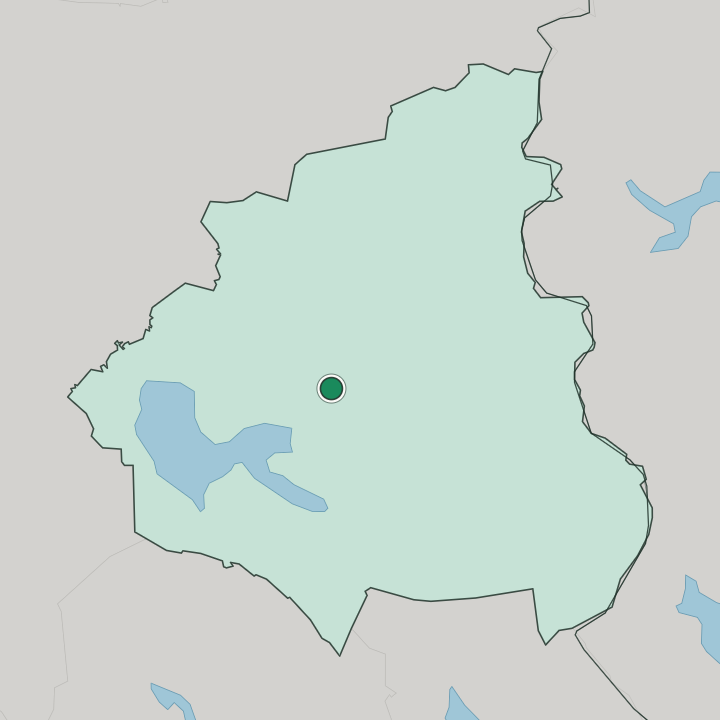
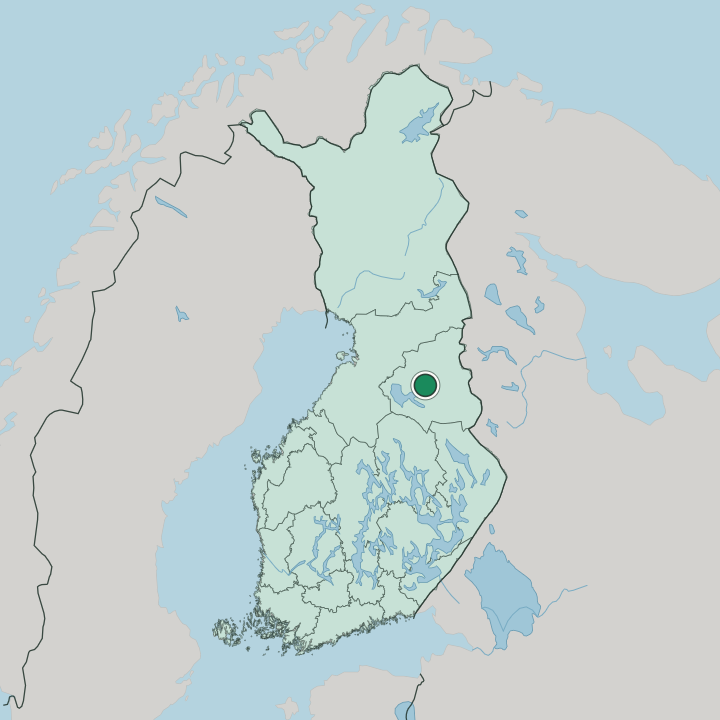
Ristijärvi lies in the lake-and-forest country of Kainuu, in northern Finland, a small municipality set among water and pinewoods. Lakes, streams and bogs fill the territory, the village gathered by the Ristijärven kirkko while the wild country opens on every side. The waters shape everything.
The old stream mills of the Kainuun puromyllyt mark where the streams once turned wheels, and the hamlets of the parish lie scattered through the forests of this part of Kainuu, far from any large town.
What is the climate of Ristijärvi?
Ristijärvi sits in the cold inland north of Kainuu, its seasons set hard by the forests and lakes of this part of northern Finland. Winters are long and snowy, deep frost gripping the water and the woods around the parish from early in the season until the late spring thaw releases them. The summers are brief but green.
The long northern daylight warms the lakes and the pinewoods around Ristijärvi through a brief growing season, the weeks when the cabins of the Kainuu lakeland fill before the snow returns to the north.
How do you get to Ristijärvi?
Ristijärvi sits on the road through the forests of Kainuu, and the car is the usual way in across this thinly settled part of northern Finland. The main route north passes close to the village, linking the parish to the larger towns of Kainuu, with buses running the same line to the centre by the Ristijärven kirkko. Trains do not call here.
Most travellers come through the bigger towns of the region before the last forest stretch into Ristijärvi.
Good for
More cities in Kainuu
Updated September 2026