Finland · Pohjois-Savo
Where to Stay in Vesanto, Pohjois-Savo
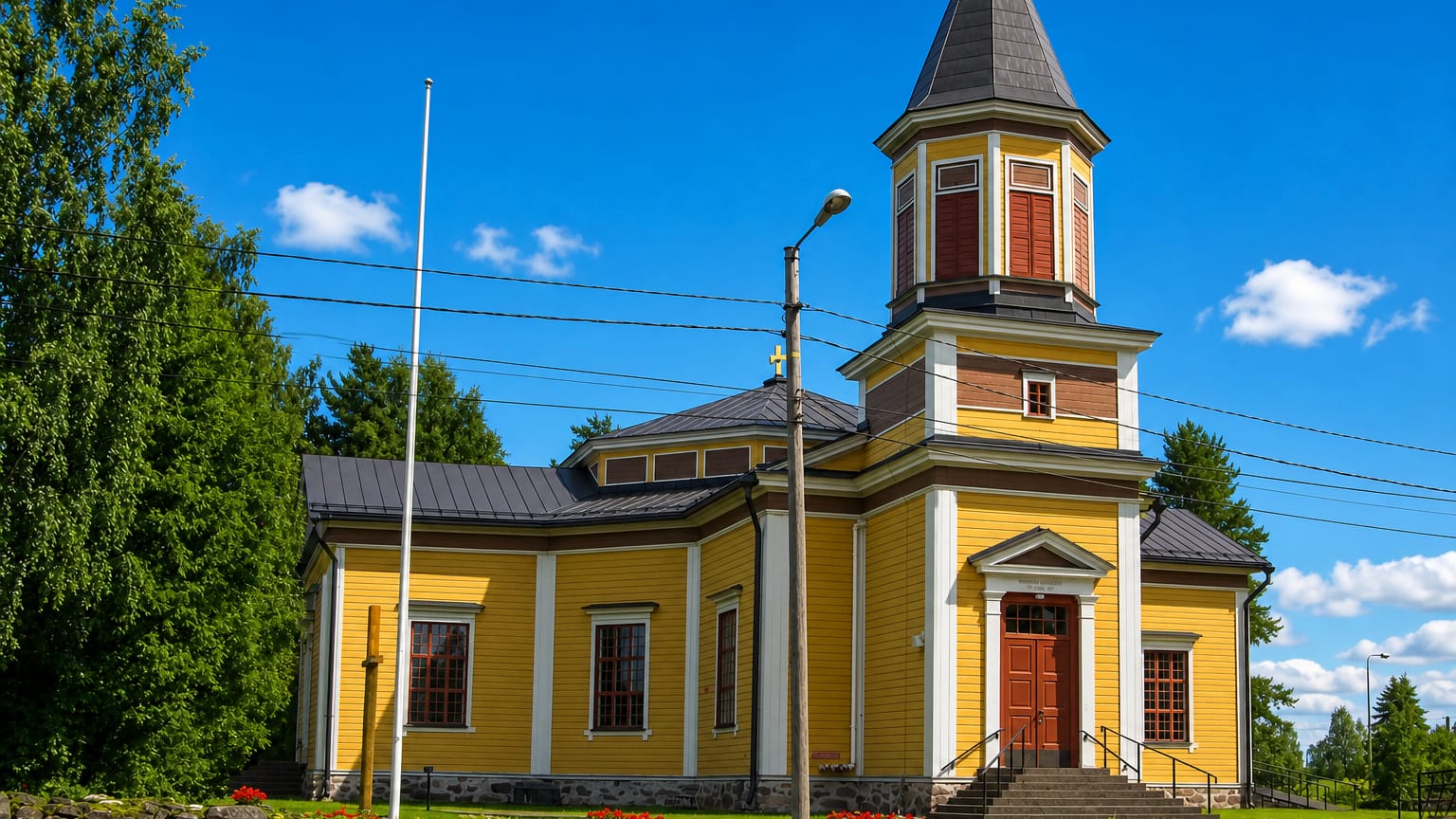
Vesanto is a lakeland municipality in Pohjois-Savo, in eastern Finland, gathered around Vesannon kirkko among the eastern lakes.
Find your area →


Where to stay in Vesanto
Where you base yourself shapes the visit — here's the character of each area.
Vesanto keeps only a modest stock of beds. The municipality is small and rural, so most rooms cluster in the parish core near Vesannon kirkko, where small lodgings and guesthouses serve the few travellers, summer visitors, and lake walkers who pass through this corner of Pohjois-Savo. Rooms in the parish are scarce.
Along the lakeshores and around the islands of Iso-Runkkuu and Itäsaari, holiday cabins and farm stays open through the warm months for anglers, boaters, and those drawn to the quiet of the eastern lakeland. The wider countryside holds the rest. Cottages and summer rooms scatter across the shores and farmland of the wide municipality, a fit for walkers and anyone seeking the stillness of the lake country, while larger hotels lie in the bigger towns of Pohjois-Savo for visitors who need more than the village can offer.
About Vesanto
Vesanto is a quiet lake parish.
What is Vesanto known for?
The municipality sits among the waters of eastern Finland, in the lakeland of Pohjois-Savo, where the old wooden Vesannon kirkko stands at the parish core and the lakes break the country into bays, islands such as Iso-Runkkuu and Itäsaari, and wooded shores. Its fame stays local. What it keeps is the older life of the land, recorded in the crofter museum of the Vesannon torpparimuseo, where the small farms and cottages of the eastern lakeland tell how people lived along these waters.
What are the main landmarks in Vesanto?
Vesannon kirkko is the landmark that marks Vesanto. The old wooden church stands at the parish core in the lakeland of Pohjois-Savo, the heart of the small municipality among the eastern lakes. Its lakes shape everything else in Vesanto.
The islands of Iso-Runkkuu and Itäsaari rise from the lakes with their old remains, the spring of Papinlähe and the site at Korpinen mark older ground, and the Vesannon torpparimuseo keeps the crofter cottages and small farms that tell the history of this corner of eastern Finland.
What is the history of Vesanto?
Vesanto grew as a lake parish in the east. Settlement gathered along the shores and islands of the waters in Pohjois-Savo, where small farms and crofts strung out across the country of the eastern lakeland and the spring of Papinlähe and the ground at Korpinen mark how long people have lived along these lakes. Vesannon kirkko drew the community together.
The wooden church rose at the parish core in the middle of the nineteenth century, the heart that gave the scattered lakeside settlement a centre. The modern municipality took its shape later. It was chartered in the 19th century, founded in 1871, as the lake country of eastern Finland organised its parishes.
The old way of life left its records. The crofter cottages and small farms kept in the Vesannon torpparimuseo preserve the work of the tenant farmers, and the islands of Iso-Runkkuu and Itäsaari held the fishing and shore life that fed the parish. So a remote lake community in Pohjois-Savo became a quiet municipality of the eastern lakeland.
Where is Vesanto?
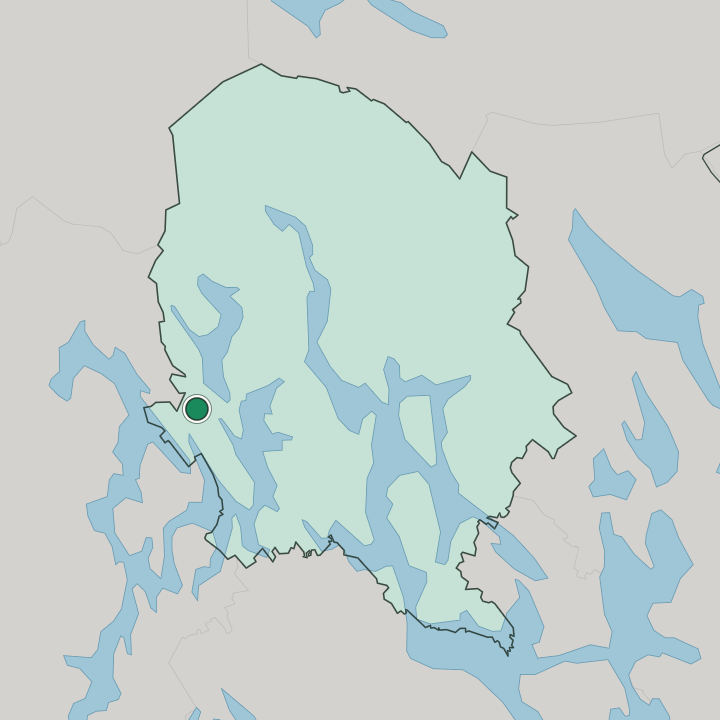
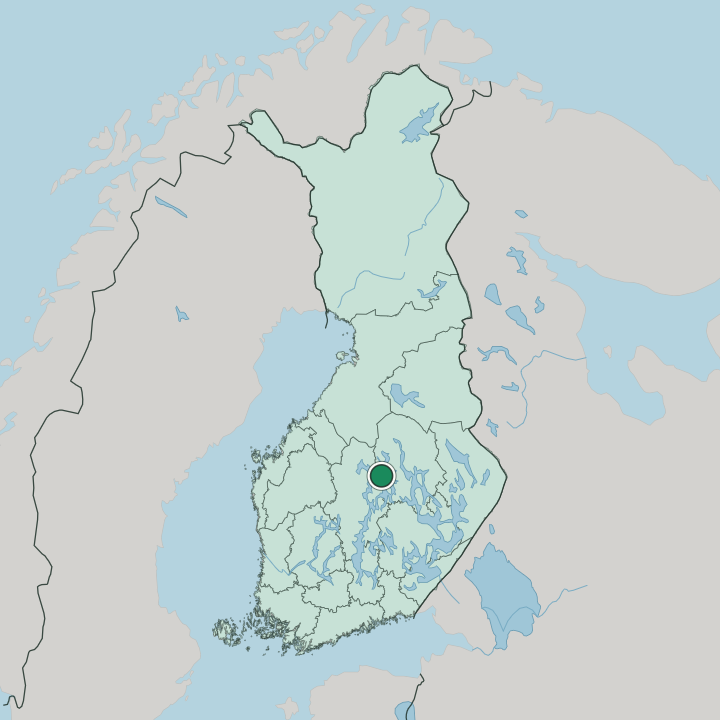
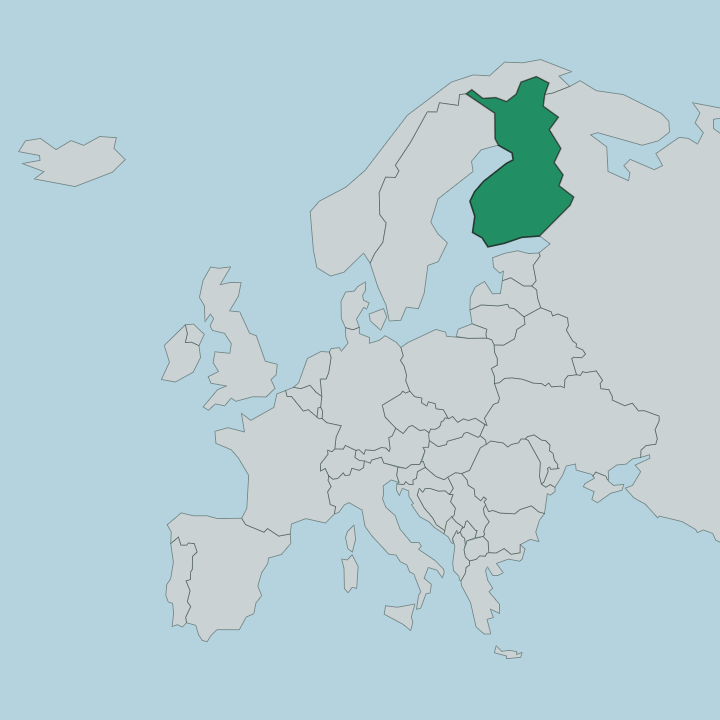
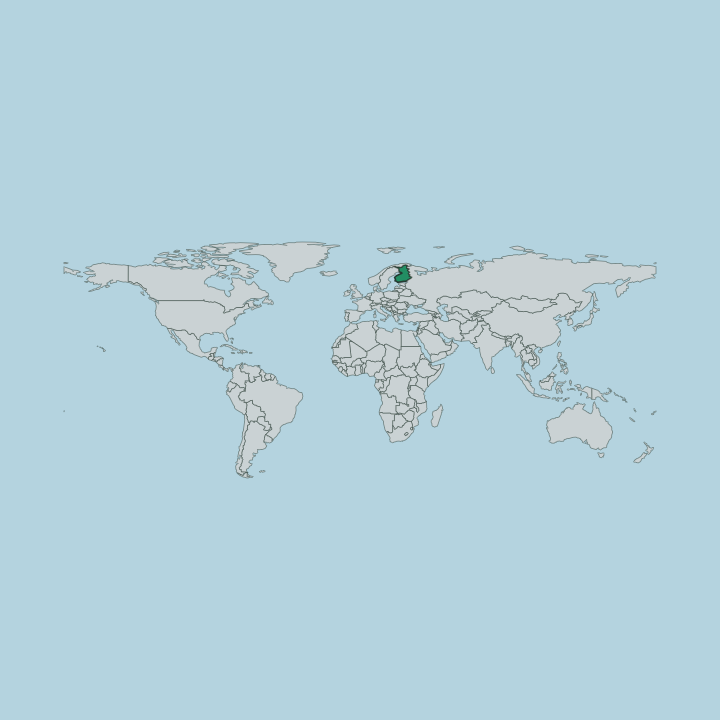
Vesanto lies in Pohjois-Savo, in eastern Finland, in the lakeland. The municipality spreads across a country of lakes, with bays, the islands of Iso-Runkkuu and Itäsaari, and wooded shores breaking up the farmland of the wide parish. Water runs through it all.
The lakes shape the land around Vesannon kirkko, and the scattered villages sit along the shores across the eastern lake country of the region.
What is the climate of Vesanto?
Vesanto has a cold lakeland climate. Winters are long and snowy, with hard frost gripping the bays and the lakes freezing solid across eastern Finland through the dark, cold months of the inland year. Summers come short and warm to the lakeshores.
The long days draw boaters and swimmers to the shores and the islands of the parish before the cold returns, and the lakes around Vesannon kirkko hold the warmth of the brief green season. Spring and autumn slip by quickly in this corner of Pohjois-Savo.
How do you get to Vesanto?
Vesanto is reached by road through the lakeland of Pohjois-Savo. The main route runs across the eastern lake country, the usual way into the municipality for most travellers, and local roads branch off along the shores to the parish core around Vesannon kirkko and the scattered villages of the wide municipality. Bus services run along this road.
The nearest railway and airport lie in the bigger towns of eastern Finland, the regional gateways that connect this quiet lake parish to the rest of the country.
Good for
More cities in Pohjois-Savo
Updated September 2026