Finland · Pohjois-Savo
Where to Stay in Kuopio, Pohjois-Savo
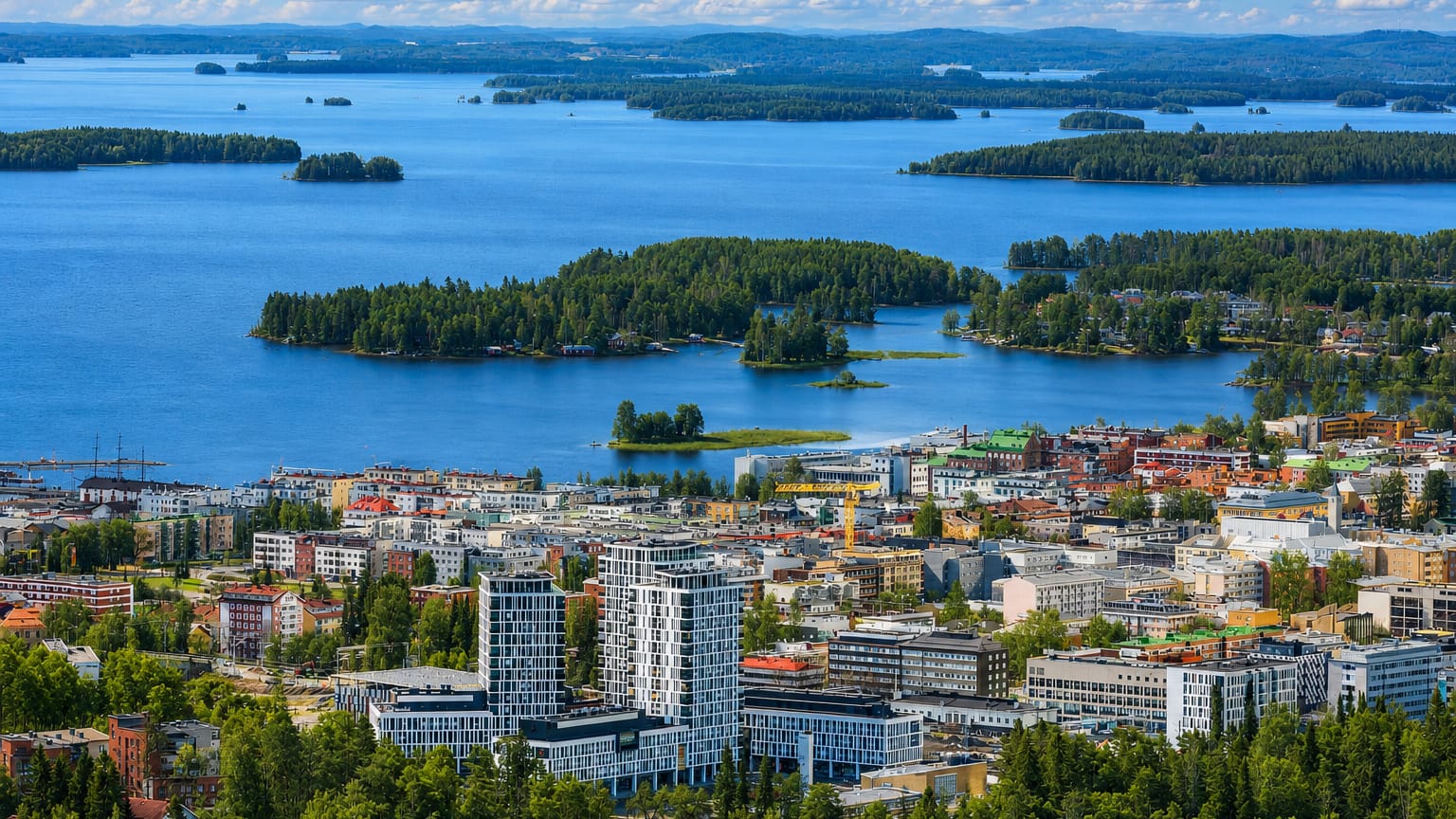
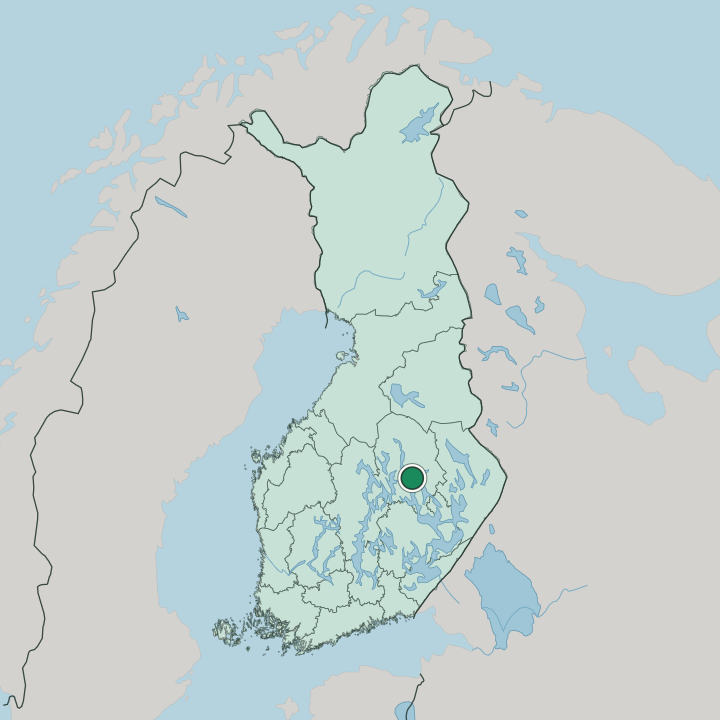
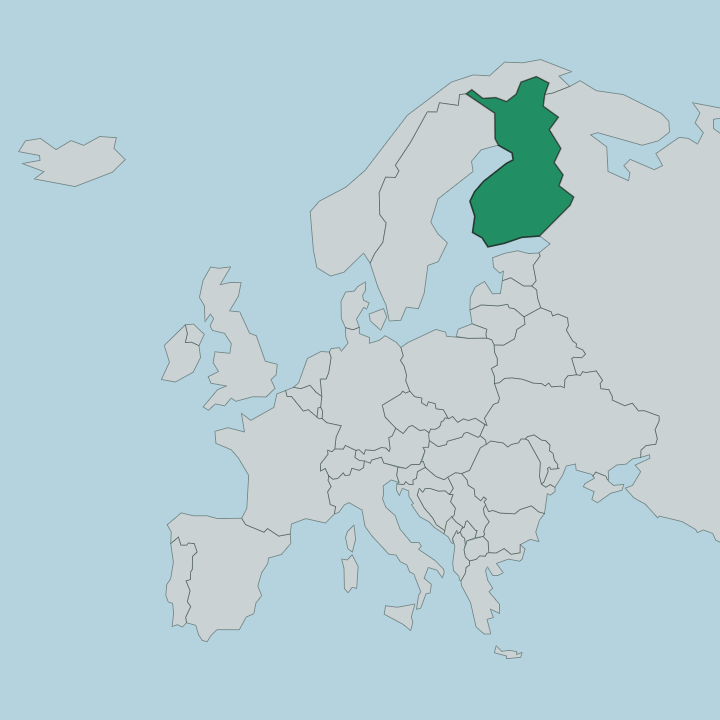
Kuopio is the lakeland capital of Pohjois-Savo in eastern Finland, set among the waters of Kallavesi below the Puijo ridge.
Find your area →


Where to stay in Kuopio
Not every neighbourhood fits every trip — here's what each one is good for.
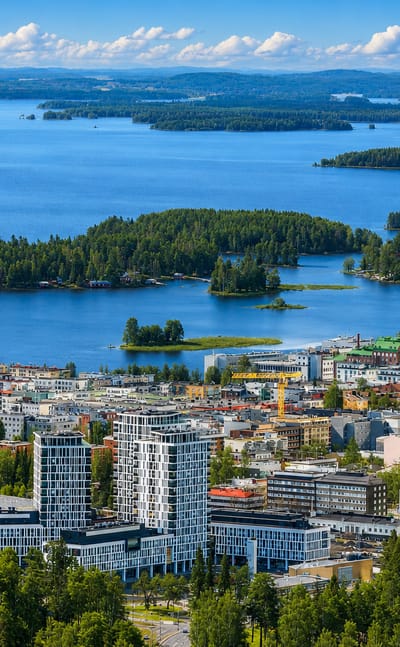
 KuopioFinland
Petonen
Petonen is a southern suburb of Kuopio, a lakeland city in eastern Finland.Where to stay →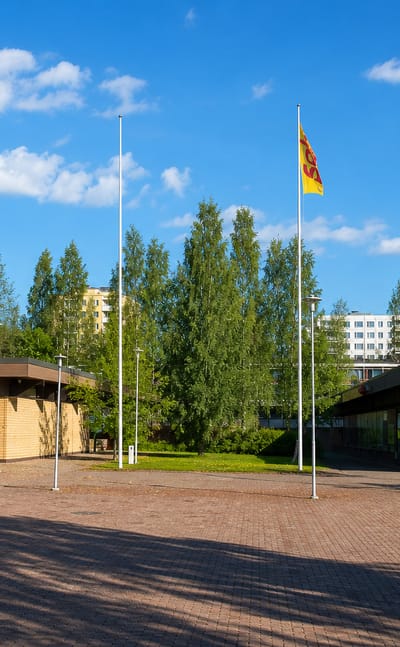 KuopioFinland
Särkiniemi
Särkiniemi is a residential district in south-western Kuopio, a suburban quarter of the city in eastern Finland.Where to stay →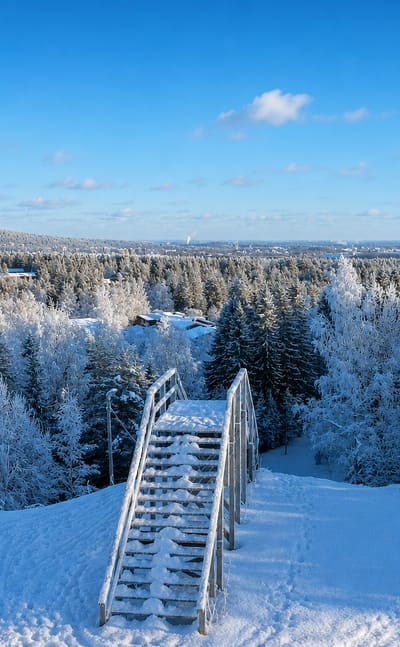 KuopioFinland
Neulamäki
Neulamäki is a hillside district in western Kuopio, a residential quarter near Neulamäen kirkko in eastern Finland.Where to stay →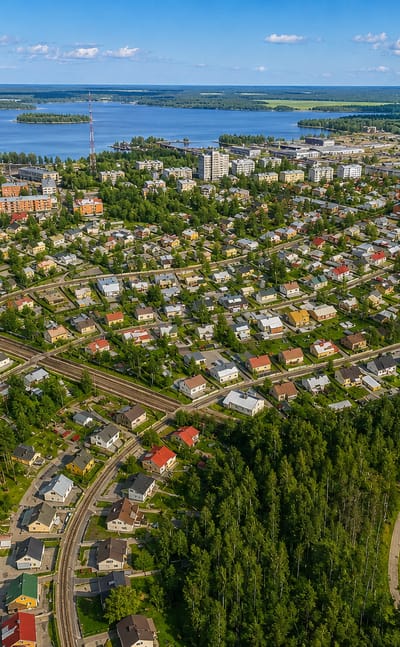 KuopioFinland
Niirala
Niirala is a central district of Kuopio, a museum-rich quarter near Alavan kirkko in eastern Finland.Where to stay →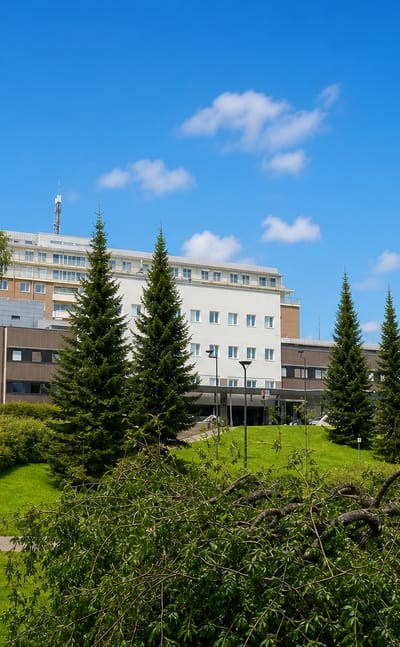 KuopioFinland
Puijonlaakso
Puijonlaakso is a district in northern Kuopio, a residential quarter below Puijon torni in eastern Finland.Where to stay →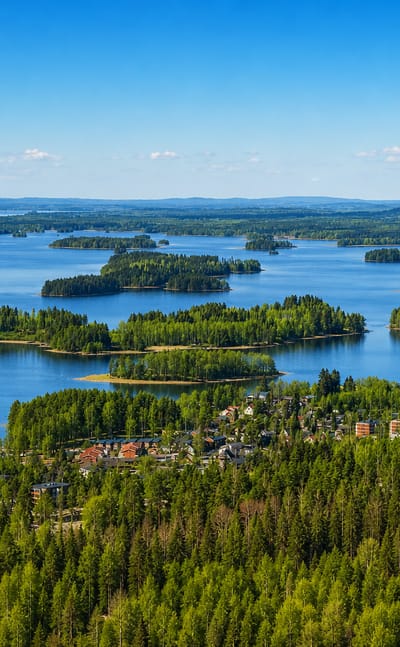 KuopioFinland
Julkula
Julkula is a residential district in north-western Kuopio, a suburban quarter of the city in eastern Finland.Where to stay →KuopioFinlandMännistö
Männistö is a district in north-eastern Kuopio, a residential quarter around Pyhän Johanneksen kirkko in eastern Finland.Where to stay →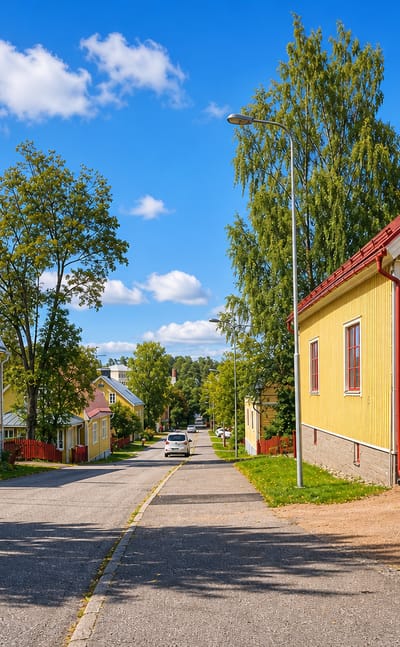 KuopioFinland
Linnanpelto
Linnanpelto is a museum-lined district of Kuopio, in eastern Finland's lakeland.Where to stay →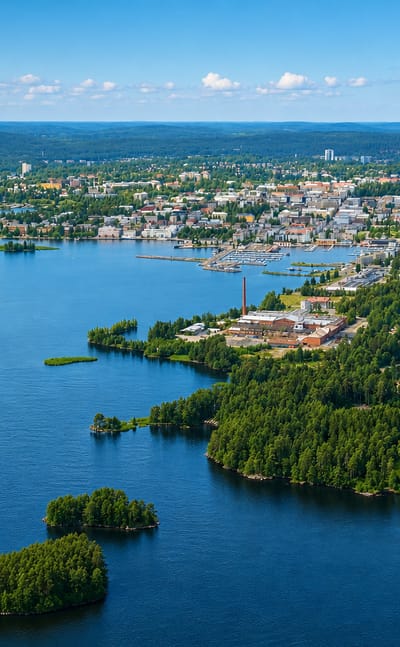 KuopioFinland
Itkonniemi
Itkonniemi is a lakeside district on the eastern edge of Kuopio, in eastern Finland.Where to stay →All neighbourhoods (16)
KuopioFinlandVäinölänniemi
Väinölänniemi is a headland district in the central part of Kuopio, eastern Finland.Where to stay →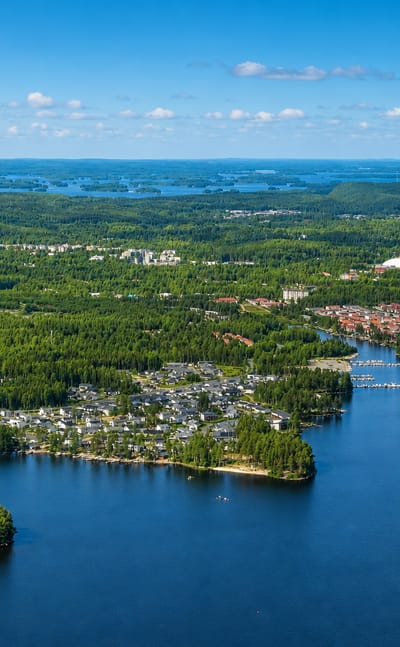 KuopioFinland
Saaristokaupunki
Saaristokaupunki is a lake-island district in southern Kuopio, eastern Finland.Where to stay →KuopioFinlandHaapaniemi
Haapaniemi is a district of Kuopio lying south of downtown, roughly a mile out from the Kuopio market square.Where to stay →KuopioFinlandSavilahti
Savilahti is a district of Kuopio, and the address the Pohjois-Savon palomuseo is recorded at.Where to stay →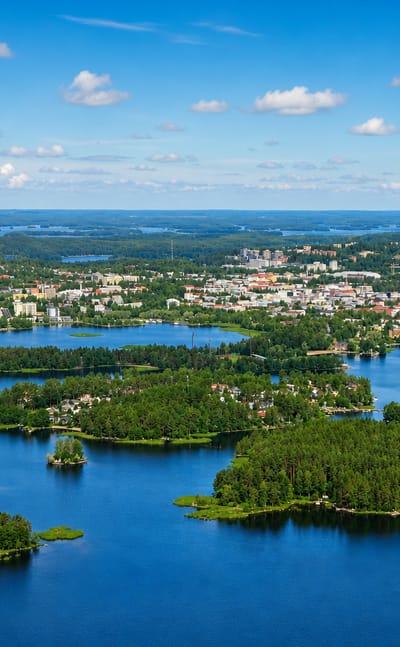 KuopioFinland
Rönö
Rönö is an island in Lake Kallavesi and a district of Kuopio, joined to Väinölänniemi by a bridge since 1988.Where to stay →KuopioFinlandKuopionlahti
Kuopionlahti is a district of Kuopio holding three museums: the Kuopion taidemuseo, the Kuopion korttelimuseo and the Kuopion sotaveteraanimuseo.Where to stay →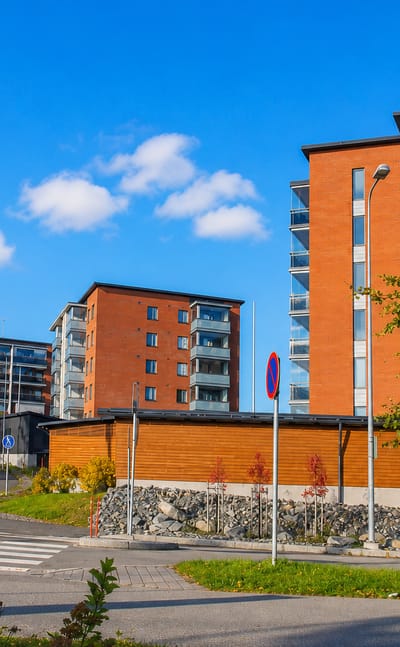 KuopioFinland
Lehtoniemi
Lehtoniemi is a district in the southern part of Kuopio, and one of the districts making up Saaristokaupunki. It runs just under three kilometres.Where to stay →Things to do in Kuopio
Ranked by global recognition; descriptions from Wikidata (CC0).
Museums & Galleries
5- Kuopion museo The Kuopio Museum is an Art Nouveau-style museum building. It houses the exhibition facilities of the Kuopio Museum of Natural History and the Kuopio Museum of Cultural History.
- RIISA - Suomen ortodoksinen kirkkomuseo
- Kuopion taidemuseo regional art museum
- Kuopion kulttuurihistoriallinen museo cultural history museum
- Kuopion sotaveteraanimuseo museum of war veteran traditions
Churches & Religious Sites
3- Pyhän Nikolaoksen katedraali Heritage Eastern Orthodox church
- Pyhän Johanneksen kirkko
- Pyhän Joosefin kirkko
Landmarks & Notable Places
2- Niuvanniemen sairaalan entinen tilanhoitajan asuinrakennus Heritage house
- Kanttila home of Minna Canth
worth knowingacross 3 categories in Kuopio
About Kuopio
What is Kuopio known for?
Kuopio is known as the regional capital of Pohjois-Savo, a lakeland city ringed by the waters of Kallavesi in eastern Finland. Water and ridge define it. The Puijon torni rises on the forested Puijo hill above the centre, the Pyhän Nikolaoksen katedraali holds the Orthodox tradition of the city, and the writer's house of Kanttila preserves the home of Minna Canth, while a wooden grid of old streets survives near the harbour of this Savo capital.
What are the main landmarks in Kuopio?
The Puijon torni is the signature landmark of Kuopio, the tall lookout on the wooded Puijo ridge with its sweep over Kallavesi and the Pohjois-Savo lakeland. Faith and culture fill the centre. The Pyhän Nikolaoksen katedraali stands at the heart of the city, the Orthodox tradition kept beside it in the RIISA - Suomen ortodoksinen kirkkomuseo, while the writer's home of Kanttila preserves the rooms of Minna Canth.
Museums gather the wider story in the Kuopion museo, the Kuopion taidemuseo and the wooden streets of the Kuopion korttelimuseo across this eastern Finland city.
What is the history of Kuopio?
Kuopio's history runs back to the founding of a market town on the shores of Kallavesi. The settlement was chartered in 1653 as a trading and church centre for the lakeland of Pohjois-Savo, its grid of wooden streets laid out beside the water of eastern Finland. Trade came by lake.
For long stretches the boats of Kallavesi carried timber, tar and goods between the scattered settlements of Savo, and the town grew as the natural hub of the region. Kuopio became a centre of Finnish culture and learning in the nineteenth century. The statesman and philosopher J.V.
Snellman lived and worked here, his home kept as the J.V. Snellmanin kotimuseo, and the writer Minna Canth made the town a literary stage from her house at Kanttila. Orthodox tradition gathered strongly in the city, crowned by the Pyhän Nikolaoksen katedraali and the church museum now known as the RIISA - Suomen ortodoksinen kirkkomuseo.
The Puijo ridge above the town was opened for recreation and crowned with the Puijon torni, and museums such as the Kuopion museo and the Kuopion taidemuseo gathered the heritage of the lakeland capital, while old wooden quarters survive in the Kuopion korttelimuseo.
Where is Kuopio?
Kuopio sits on a peninsula and a scatter of islands in the lake of Kallavesi, in the heart of the Pohjois-Savo lakeland of eastern Finland. Water surrounds the city on most sides, broken by wooded ridges, of which the forested Puijo rises highest above the centre. The lake runs everywhere here.
Bays, sounds and islands spread out from the grid town across the broad municipality, the ridge of Puijo and its lookout the Puijon torni giving the long view over the waters of Kallavesi and the Savo lakeland.
What is the climate of Kuopio?
Kuopio has a cold lakeland climate set by the waters of Kallavesi and the long winters of Pohjois-Savo. Snow and frost grip the city and the lake for months, the ice thickening on Kallavesi until the ski trails on the Puijo ridge run deep into the spring. Winter holds the lakeland long.
Warm, light summers follow, the long northern daylight drawing boats onto the open water of eastern Finland and walkers up the wooded slopes of Puijo before the cold returns to the Savo capital.
How do you get to Kuopio?
Kuopio is the transport hub of the Pohjois-Savo lakeland, and it is reached by several routes. The railway through eastern Finland stops in the city, the fast and common way in from the south, with trains running along the line that links Kuopio to the rest of the country. Flights add a quicker option.
The airport north of the city carries air traffic into the region, main roads cross the lakeland to the grid centre below the Puijo ridge, and in summer lake boats ply the open water of Kallavesi into the harbour of Kuopio.
Good for
More cities in Pohjois-Savo
Updated September 2026