Finland · Southern Savonia
Where to Stay in Mäntyharju, Southern Savonia
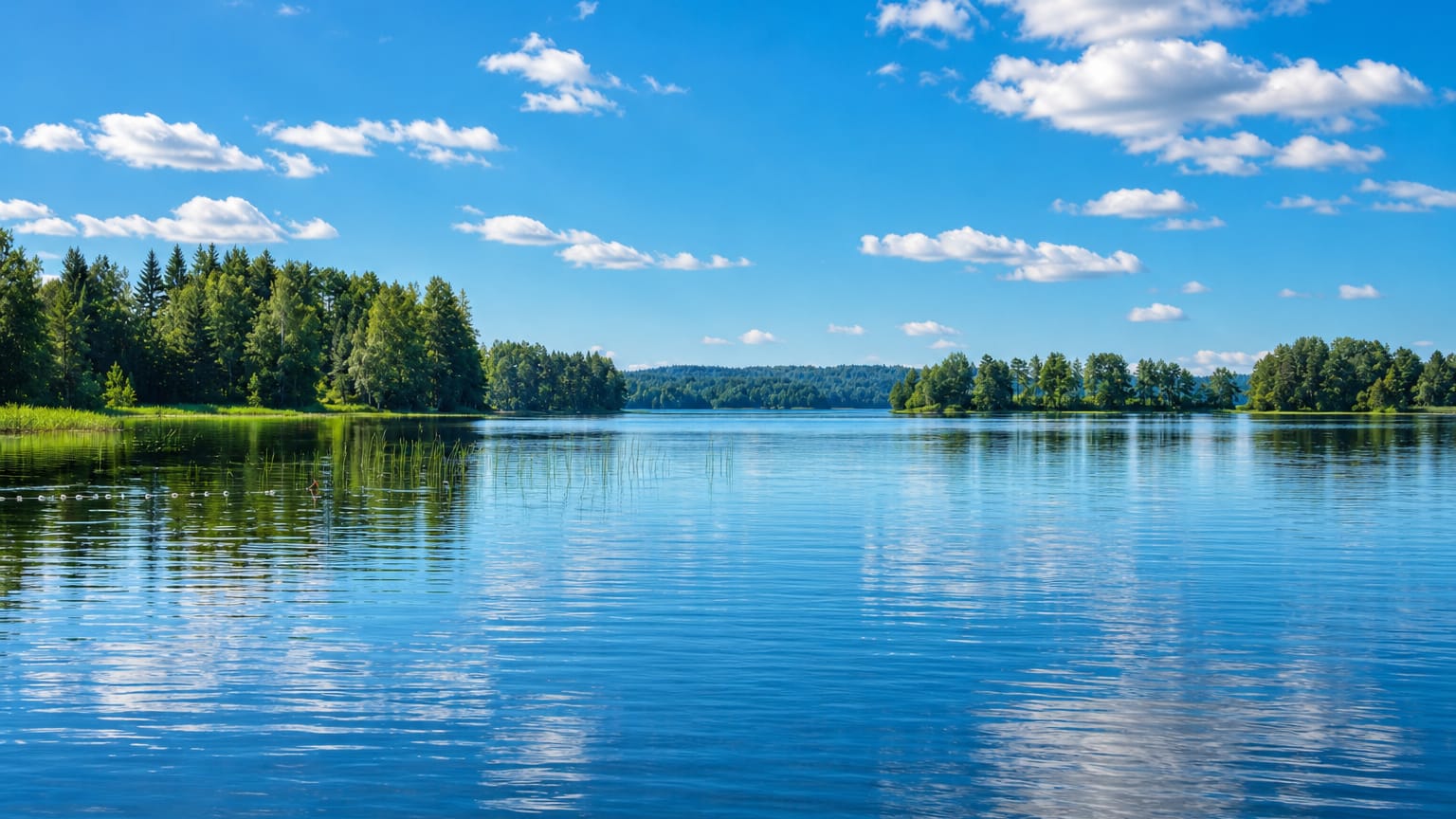
Mäntyharju is a lakeland municipality of Southern Savonia in eastern Finland, set among the waters and forests.
Find your area →


Where to stay in Mäntyharju
Not every neighbourhood fits every trip — here's what each one is good for.
Mäntyharju carries a fair spread of beds for the lakeland, a forest-and-water municipality of Southern Savonia. The village centre by the Mäntyharjun kirkko and the Mäntyharjun rautatieasema holds the everyday rooms, near the shops, the parish church and the station, and it suits visitors who want services and trains within walking reach. The village core is small and walkable.
Out across the lakes and islands of the municipality, holiday cottages and lakeside cabins stand among the pines, a base for travellers who come for the water, the boats and the long summer light of eastern Finland. Cottages fill in July. The museum of the Mäntyharjun museo, the island of Miekankoski with its summer café and the rock paintings of the Itkonlahden kalliomaalaus lie within reach by car or boat.
Some travellers instead trace the old line of the Suuri Savontie through the forests to reach the further shores. Book the lakeside cottages well ahead, for the summer draws the holiday crowd and the cabins of Mäntyharju go early.
Things to do in Mäntyharju
Ranked by global recognition; descriptions from Wikidata (CC0).
Museums & Galleries
2- Mäntyharjun museo local museum
- Miekankoski island and heritage site (museum, border of Treaty of Åbo between Sweden and Russia, summer cafe)
Churches & Religious Sites
3- Mäntyharjun kirkko Heritage
- Pertunmaan kirkko church building in Pertunmaa
- Partsimaan kyläkirkko
Castles & Historic Sites
1- Kuuselan kalmisto prehistoric burial site in Pertunmaa
Nature & Outdoors
1- Linnasaari Heritage
worth knowingacross 4 categories in Mäntyharju
About Mäntyharju
What is Mäntyharju known for?
Mäntyharju is known for its lakes and its old railway, a forest-and-water municipality of Southern Savonia in eastern Finland, in the lakeland. The Mäntyharjun rautatieasema brought the wider world to the village, its wooden station a heritage piece of the line. Trains still pass through.
The Mäntyharjun kirkko marks the centre, the island of Miekankoski recalls the old border between Sweden and Russia, and the rock paintings of the Mäntyharjun Haukkavuoren kalliomaalaukset carry the deep past of these waters.
What are the main landmarks in Mäntyharju?
The Mäntyharjun rautatieasema is a landmark of the village, its wooden station a heritage piece of the railway through Southern Savonia. Older marks lie out on the lakes. At the centre stands the Mäntyharjun kirkko, the island of Miekankoski keeps the memory of the old border between Sweden and Russia and a summer café, and the rock paintings of the Itkonlahden kalliomaalaus, the Kannonaluksen kalliomaalaus and the Mäntyharjun Haukkavuoren kalliomaalaukset carry the deep past of these waters of eastern Finland, while the Mäntyharjun museo gathers the local story.
What is the history of Mäntyharju?
Mäntyharju grew as a lakeland parish of the Savo forests. Chartered in the 16th century, the water-bound community of Southern Savonia lived among its lakes and islands, the people fishing and farming the shores while the deep past lingered in the rock paintings of the Itkonlahden kalliomaalaus and the Kannonaluksen kalliomaalaus. The borderland marked the place.
At the island of Miekankoski the old frontier between Sweden and Russia once ran through these waters, and the parish gathered its life around the Mäntyharjun kirkko, the church that held the village centre in the old keskusta. The modern age arrived by rail. The Mäntyharjun rautatieasema brought the railway to the village, its wooden station and yard a heritage of the line, while the old land route of the Suuri Savontie had long carried travellers through the forests of eastern Finland.
Trains drew life to the centre. Rural memory of the parish was gathered in the Mäntyharjun museo, and Mäntyharju settled into its modern role as a lakeland municipality of Southern Savonia, its lakes, its station and its old paintings spread across the waters and forests of eastern Finland.
Where is Mäntyharju?
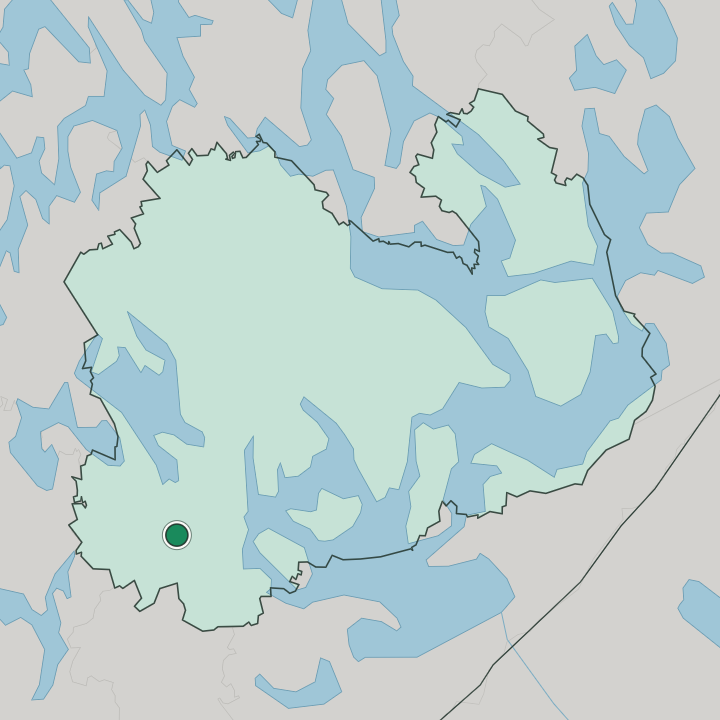
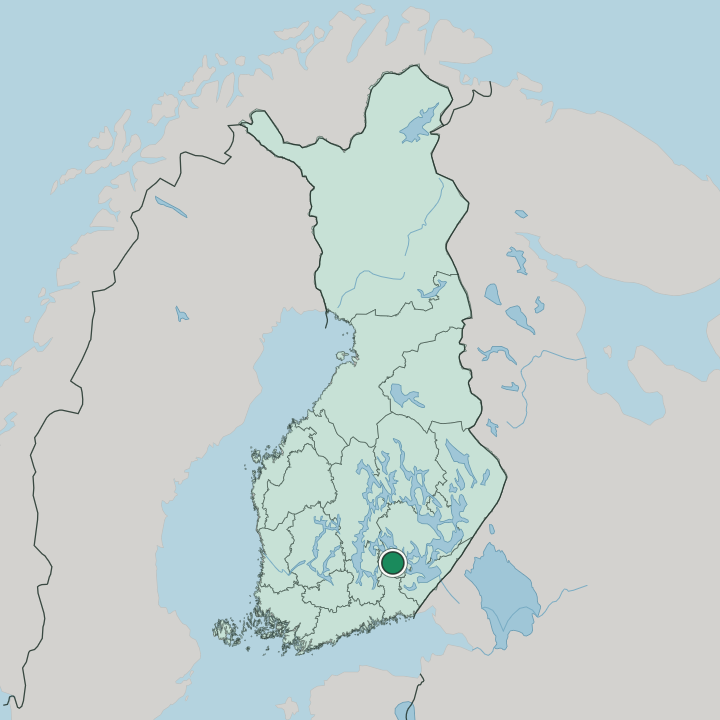
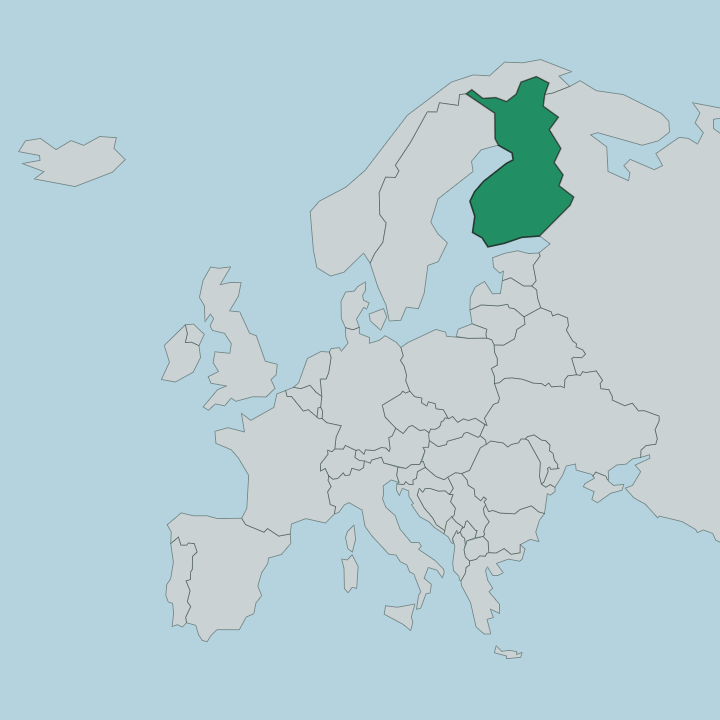
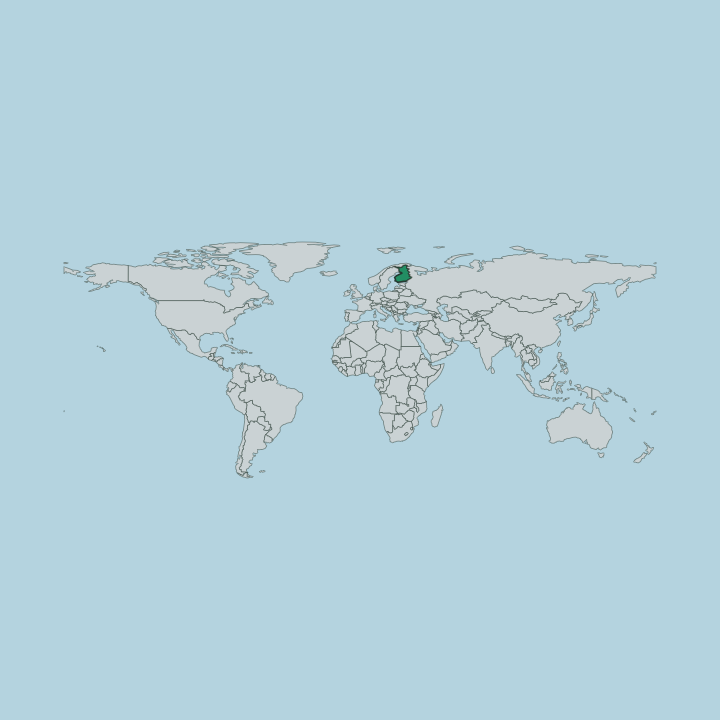
Mäntyharju lies in the lake-and-forest country of Southern Savonia, in eastern Finland, in the lakeland. Water fills the broad municipality, with lakes and pine forest spreading on every side while the village centre gathers by the Mäntyharjun kirkko and the Mäntyharjun rautatieasema. Islands break the lakes.
The waters around Miekankoski and the wooded shores carry the rock paintings and the summer cottages of the parish, the lake country that gives this corner of eastern Finland its shape.
What is the climate of Mäntyharju?
Mäntyharju has a cold lakeland climate, set by the waters and forests of Southern Savonia. Winters are long, dark and deeply snowed, the cold gripping the lakes and pinewoods of the municipality around the Mäntyharjun kirkko from the early autumn until the late spring thaw, when the ice holds the shores for months. Summer is brief but warm.
The long northern daylight warms the lake water and the islands of Mäntyharju through a brief season, drawing cottagers and boats to the shores of eastern Finland before the freeze returns.
How do you get to Mäntyharju?
Mäntyharju is reached by rail and road through the lakeland of Southern Savonia. Trains stop at the Mäntyharjun rautatieasema in the village centre, a rare lakeland town still on the line, and the roads carry the rest of the traffic to the centre by the Mäntyharjun kirkko. The station sets it apart.
Travellers come by train across the forests and lakes of eastern Finland, or by car along the roads that follow much the old line of the Suuri Savontie through the woods to the shores of Mäntyharju.
Good for
More cities in Southern Savonia
Updated September 2026