United Kingdom · Scotland · Glasgow
Kelvinhaugh, Glasgow — Area Guide & Where to Stay
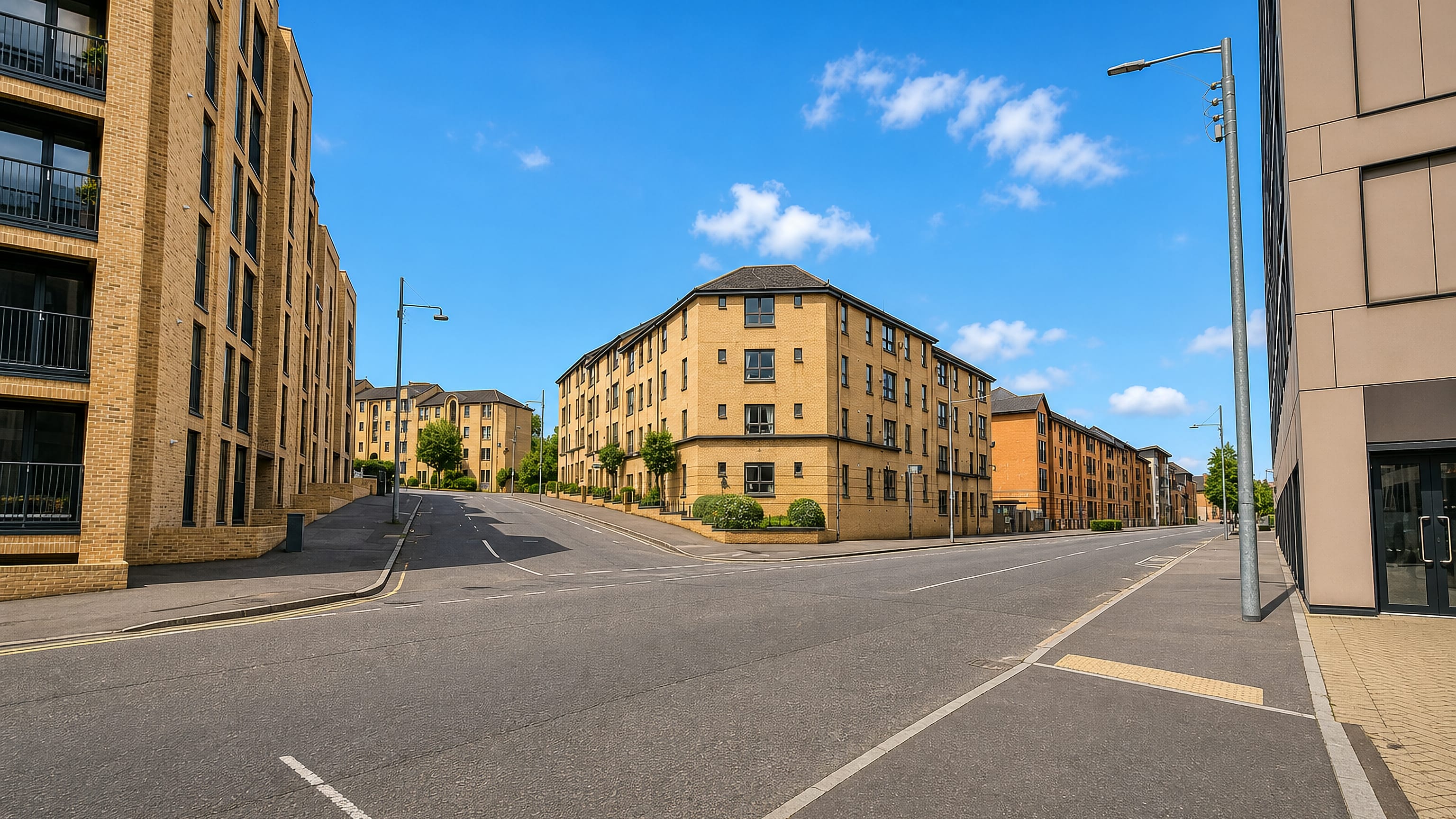
Directly north of the River Clyde in Glasgow's West End, Kelvinhaugh counts the Riverside Museum and the Tall Ship Glenlee among its landmarks.
Hotel links are affiliate links: booking through them may earn us a commission, at no extra cost to you. It never affects how places are ranked. How this works


Where to stay in Kelvinhaugh
How the choice of base plays out on the ground.
The river decides it. Kelvinhaugh sits directly north of the River Clyde, and the two obvious bases are the Riverside Museum end, where the Tall Ship Glenlee is also listed, and the Partick Bridge Street side around St Simon's Rc Church. Govan supplies most of the other names.
Anyone here for Govan Cross, The Govan Stones and Govan Old Parish Church should weigh a bed on that side instead.
Find hotels in Kelvinhaugh
Direct booking searches for these neighbourhoods.
Kelvinhaugh
Kelvinhaugh runs directly north of the River Clyde, and the Riverside Museum and the Tall Ship Glenlee are the fixed attractions nearest to it. Lodging is scarce in this area; reserve in advance.Find hotels in Kelvinhaughbeds within sight of St Simon's Rc Church and Partick CastlePartick Bridge Street
Partick Bridge Street carries St Simon's Rc Church, and Partick Castle belongs to the same corner of the West End as Kelvinhaugh. Few places to stay nearby — book ahead.Find hotels in Partick Bridge Streetdays given over to The Govan Stones and Govan Old Parish ChurchGovan Cross
Govan Cross gathers St Mary's Church and Govan Old Parish Church, and The Govan Stones are kept with that group rather than in Kelvinhaugh.Find hotels in Govan CrossHotel links are affiliate links: booking through them may earn us a commission, at no extra cost to you. It never affects how places are ranked. How this works
Things to do in and around Glasgow
Ranked by global recognition; descriptions from Wikidata (CC0).
Churches & Religious Sites
4- Govan Old Parish Church Heritage
- St Mary's Church, Govan Cross, Glasgow Heritage
- St Anthony's R.C. Church, 831 Govan Road, Glasgow Heritage
- St Simon's Rc Church, Partick Bridge Street, Glasgow Heritage
Castles & Historic Sites
2- The Govan Stones
- Partick Castle
worth knowingacross 2 categories in and around Glasgow
About Kelvinhaugh
What are the main landmarks in Kelvinhaugh?
The Riverside Museum tops the list. The Tall Ship Glenlee follows it, and across the roll come Govan Old Parish Church, St Mary's Church at Govan Cross, The Govan Stones, and St Anthony's on Govan Road. Partick Castle sits on the same list.
St Simon's Rc Church on Partick Bridge Street closes it.
What is the history of Kelvinhaugh?
Glasgow's record opens on Kelvinhaugh with no date attached. Kelvinhaugh reaches the sources as a neighbourhood of Glasgow, directly north of the River Clyde in the West End, and the deeper history near it attaches to other names: Partick Castle, The Govan Stones and Govan Old Parish Church. Those names hold the dates, not Kelvinhaugh.
What Kelvinhaugh keeps instead is a riverside position and a landmark roll shared with Govan and Partick.
Where is Kelvinhaugh?
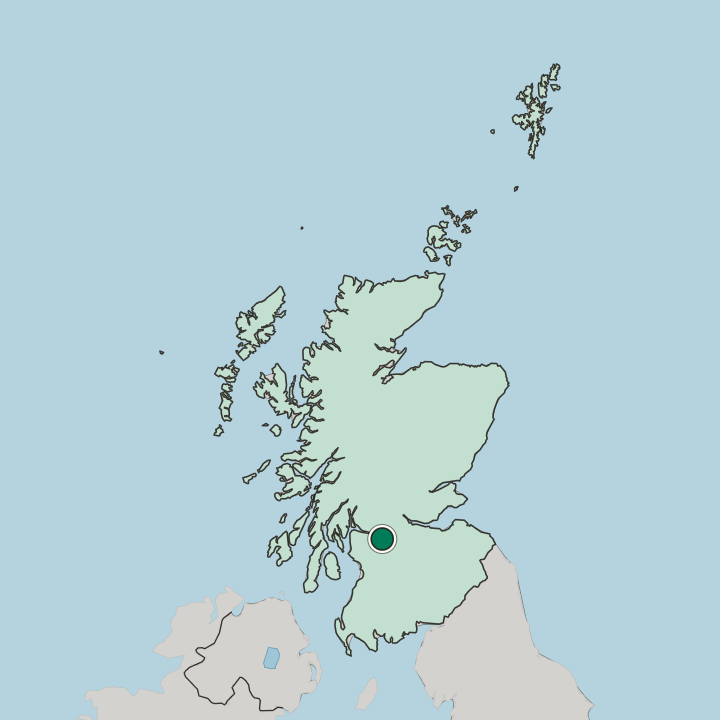
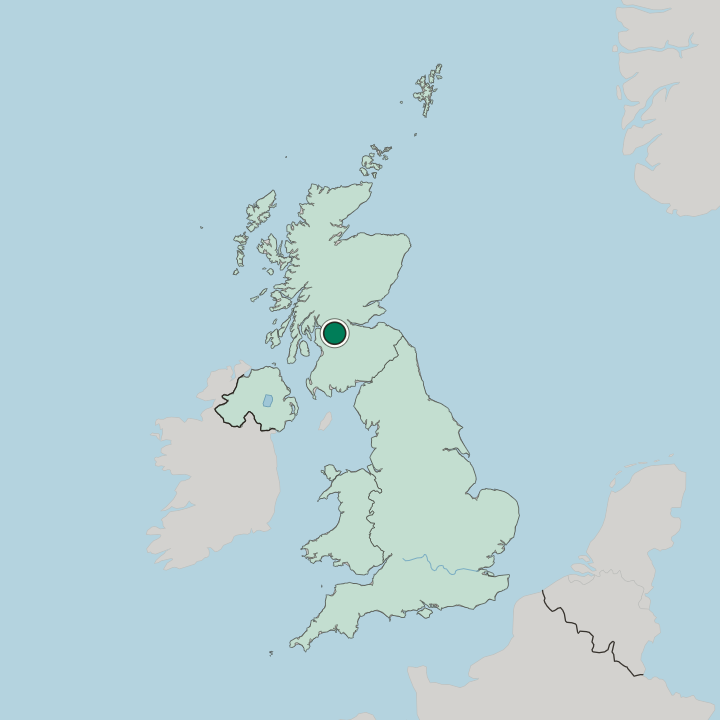
Kelvinhaugh lies directly north of the River Clyde, inside the West End of Glasgow, close to the Partick Bridge Street corner.
Common questions
What is the best area to stay in Kelvinhaugh?
Kelvinhaugh: stays on the Clyde bank beside the Riverside Museum. Partick Bridge Street: beds within sight of St Simon's Rc Church and Partick Castle. Govan Cross: days given over to The Govan Stones and Govan Old Parish Church.
Good for
More areas in Glasgow
Updated October 2026