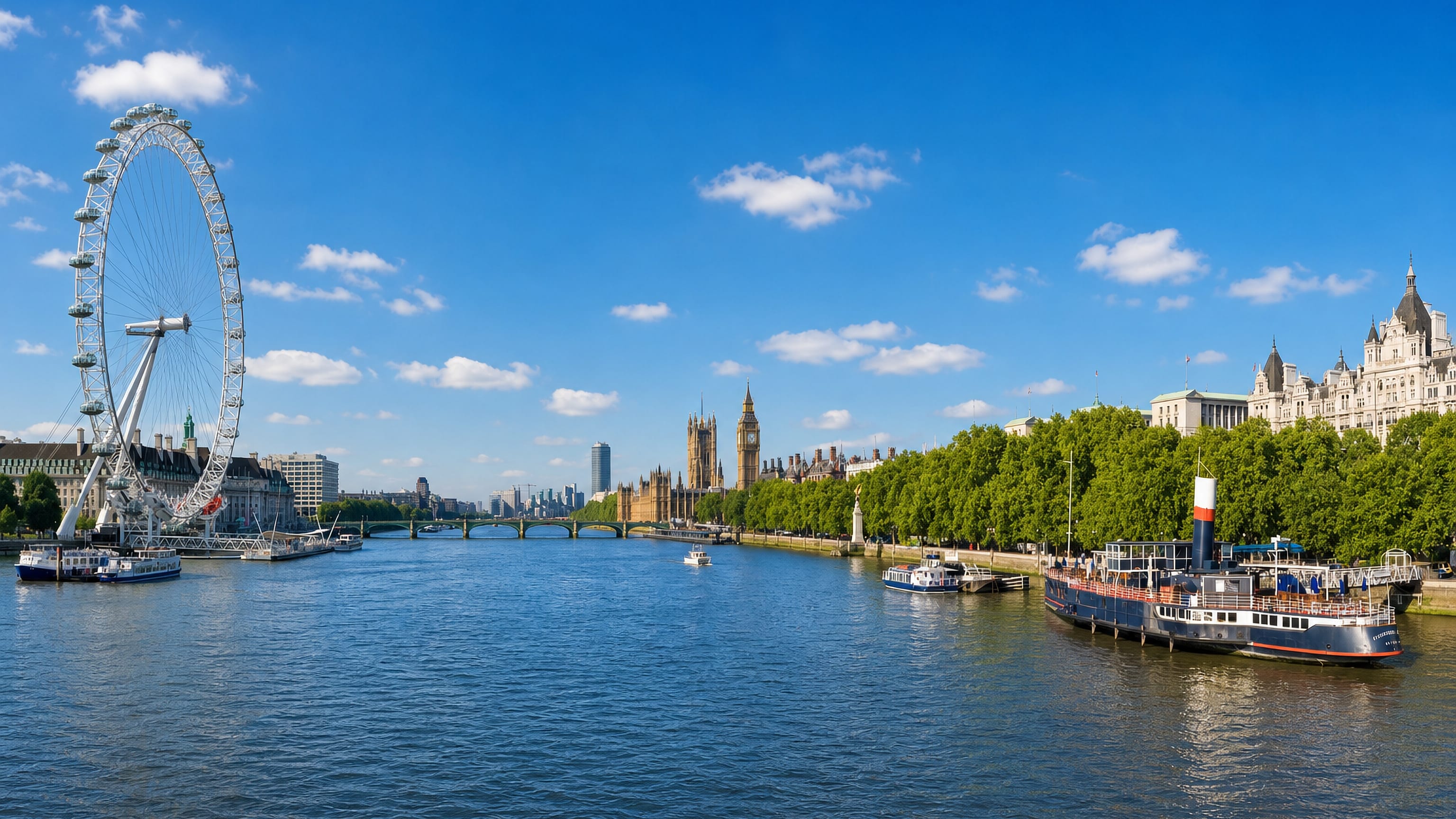
United Kingdom: Regions, Cities & Travel Guide
The United Kingdom is a constitutional monarchy off the north-western coast of Europe, a union of England, Scotland, Wales and Northern Ireland.
Hotel links are affiliate links: booking through them may earn us a commission, at no extra cost to you. It never affects how places are ranked. How this works


Top destinations in United Kingdom
Cities to start from, then drill into areas and hotels.
 United Kingdom
London
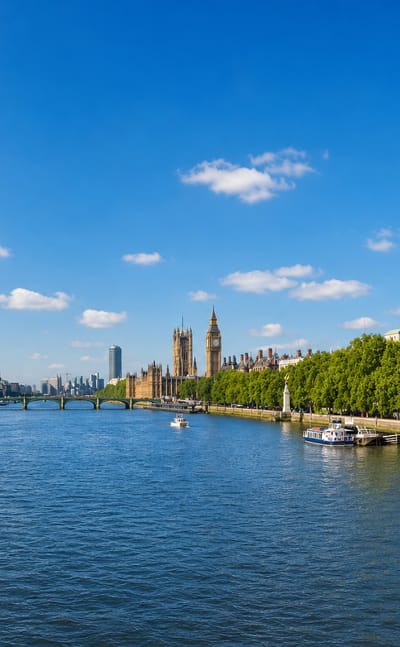
London is the capital of England and the United Kingdom, a city on the River Thames founded by the Romans as Londinium.Where to stay →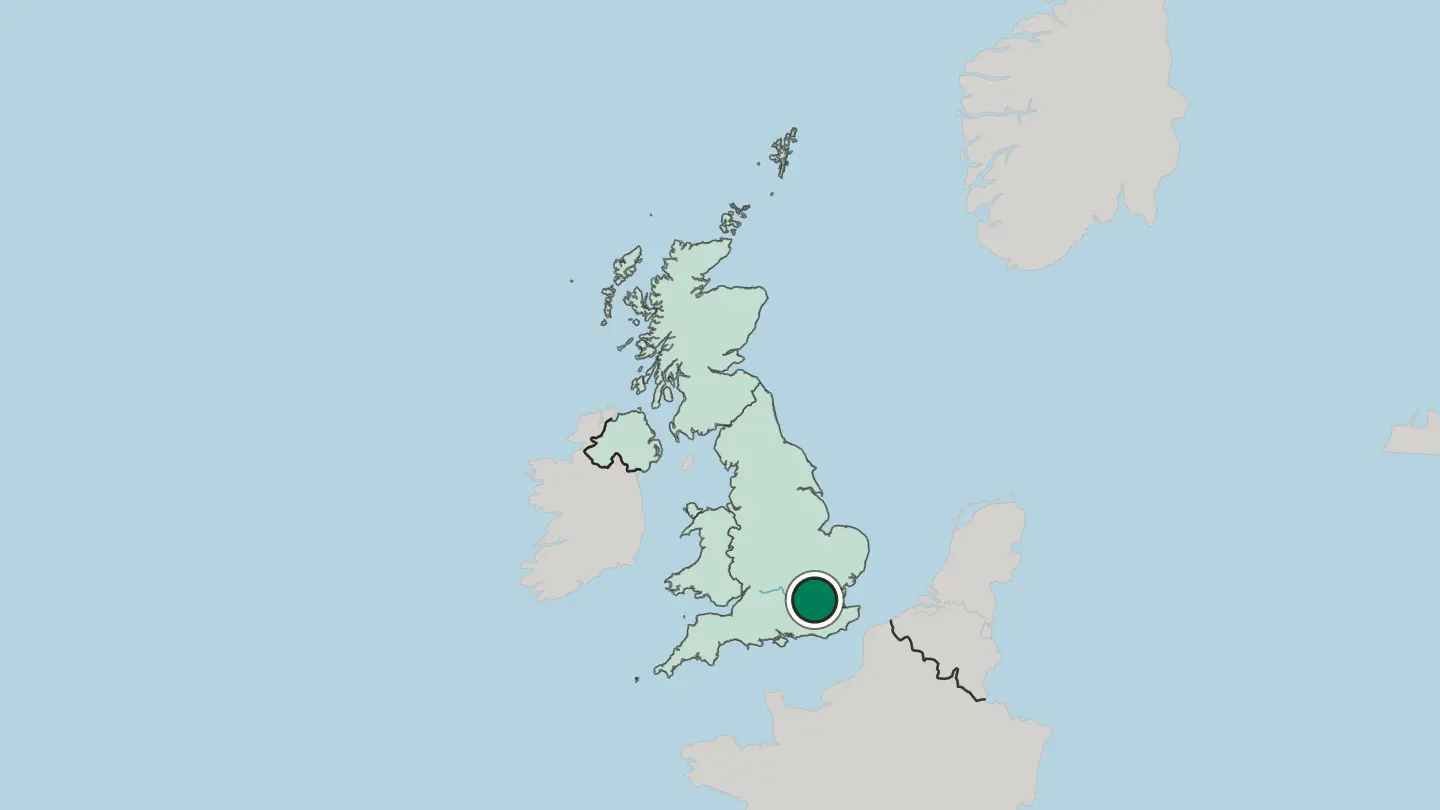
 United Kingdom
Edinburgh
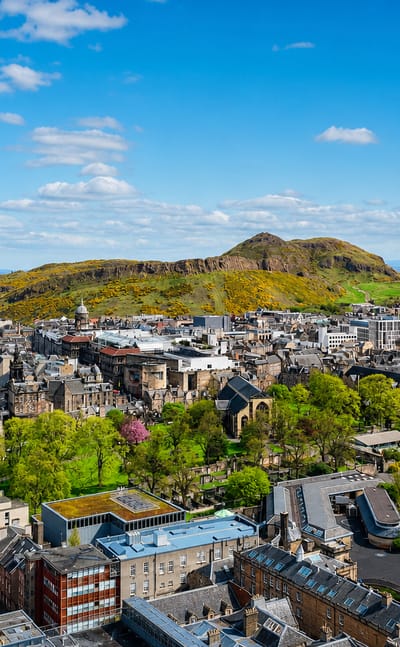
Edinburgh Castle stands on an old volcano above the capital of Scotland, a city on the Firth of Forth known for its Old Town and St Giles' Cathedral.Where to stay →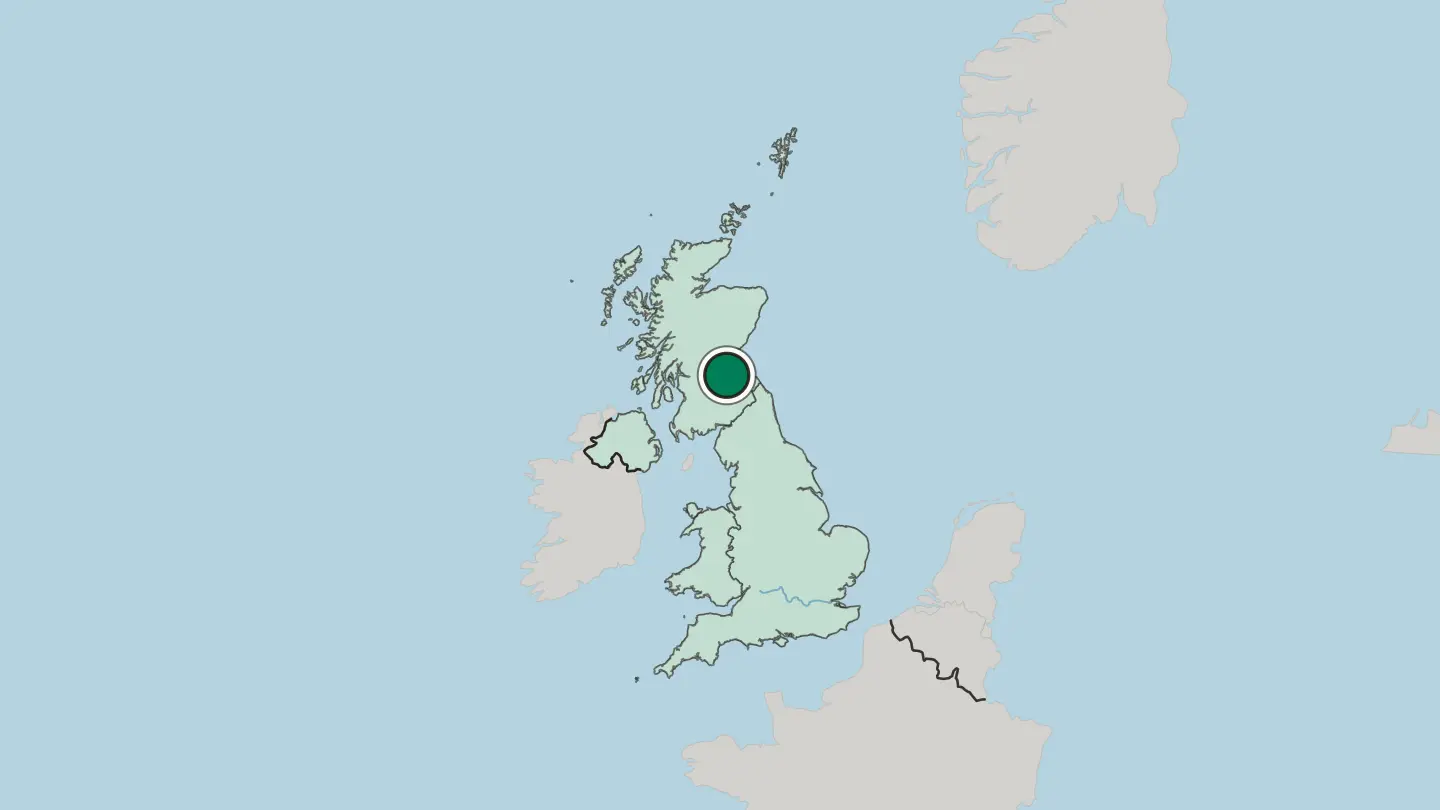
 United Kingdom
Liverpool
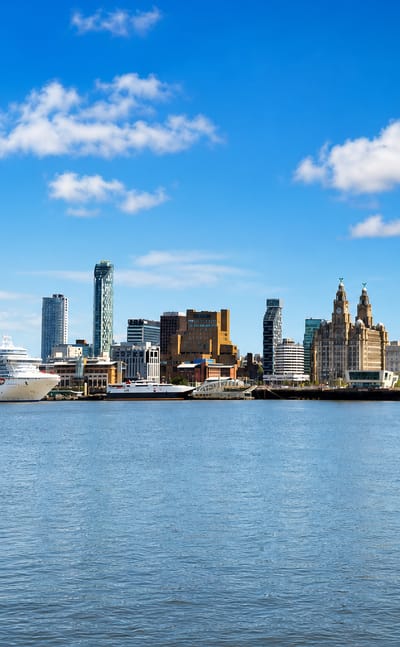
Wide docks front the Mersey Estuary at Liverpool, a port city in Merseyside, England, known for the Merseyside Maritime Museum and the Walker Art Gallery.Where to stay →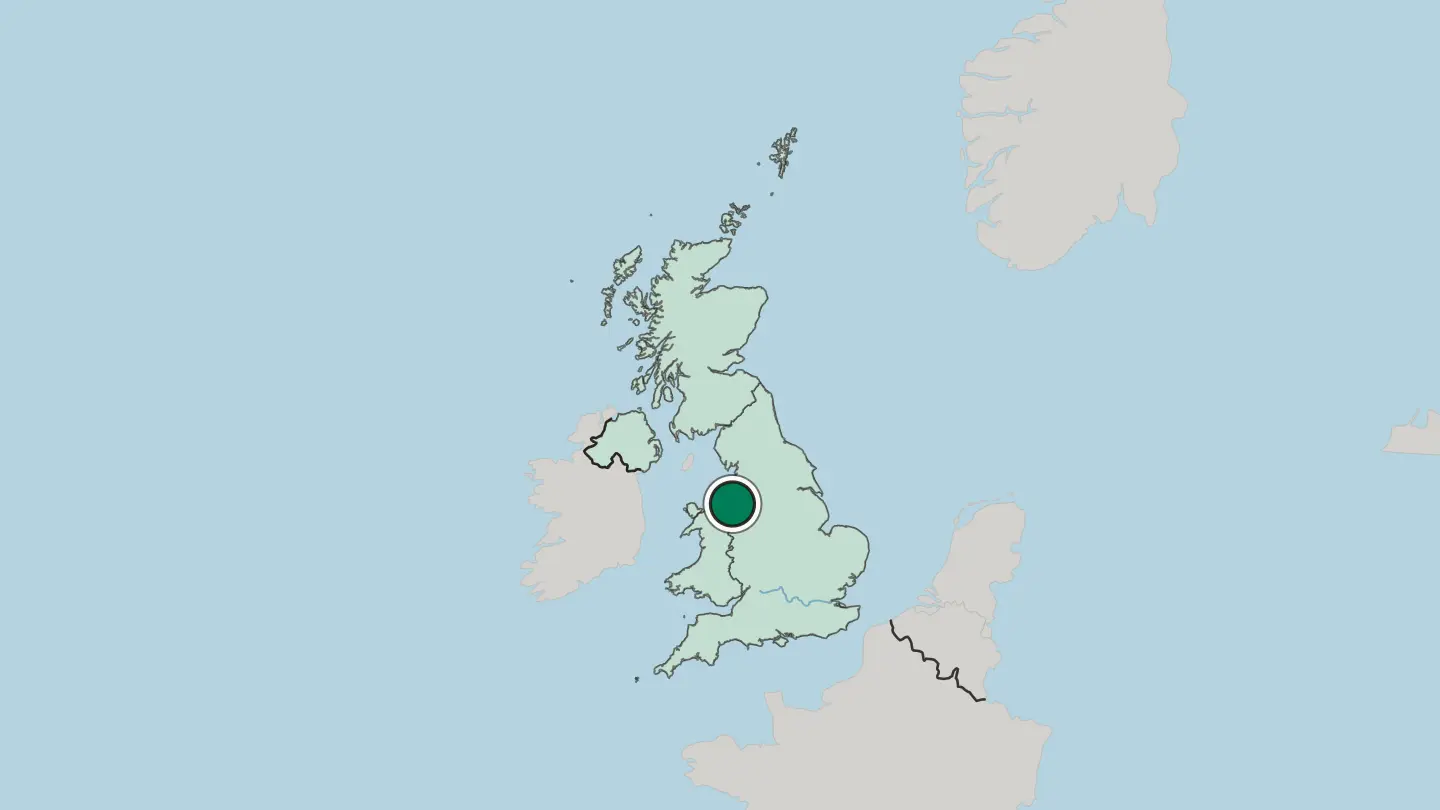
 United Kingdom
Manchester
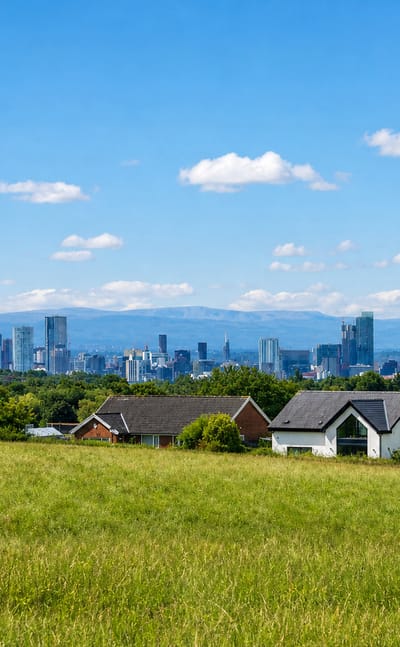
Red brick mills line the waterways of Manchester, a city in Greater Manchester, North West England, known for Chetham's Library and its cotton-trade past.Where to stay →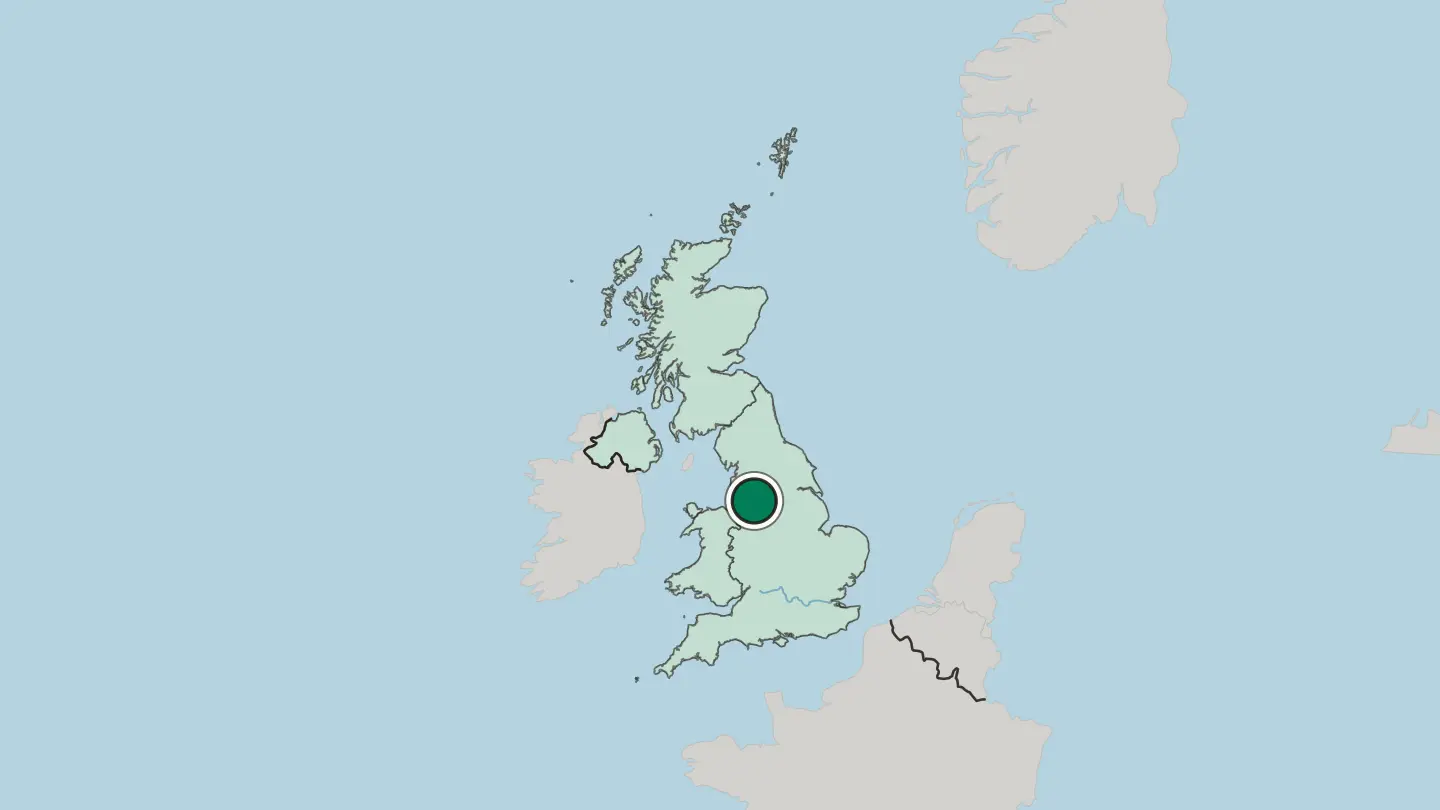
 United Kingdom
Birmingham
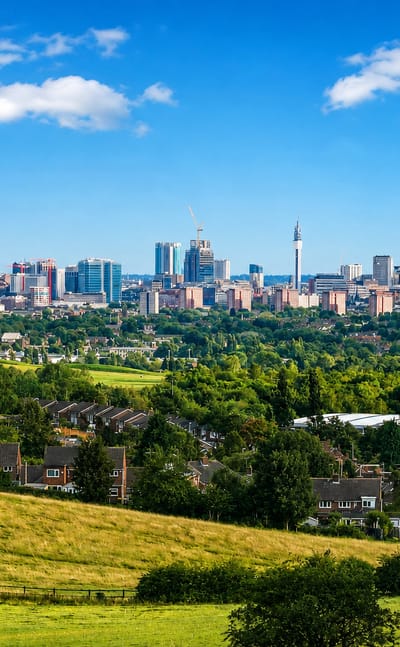
Brick and iron built Birmingham, a city in the West Midlands of England and Britain's second-largest, known for the Bull Ring and its old workshop trades.Where to stay →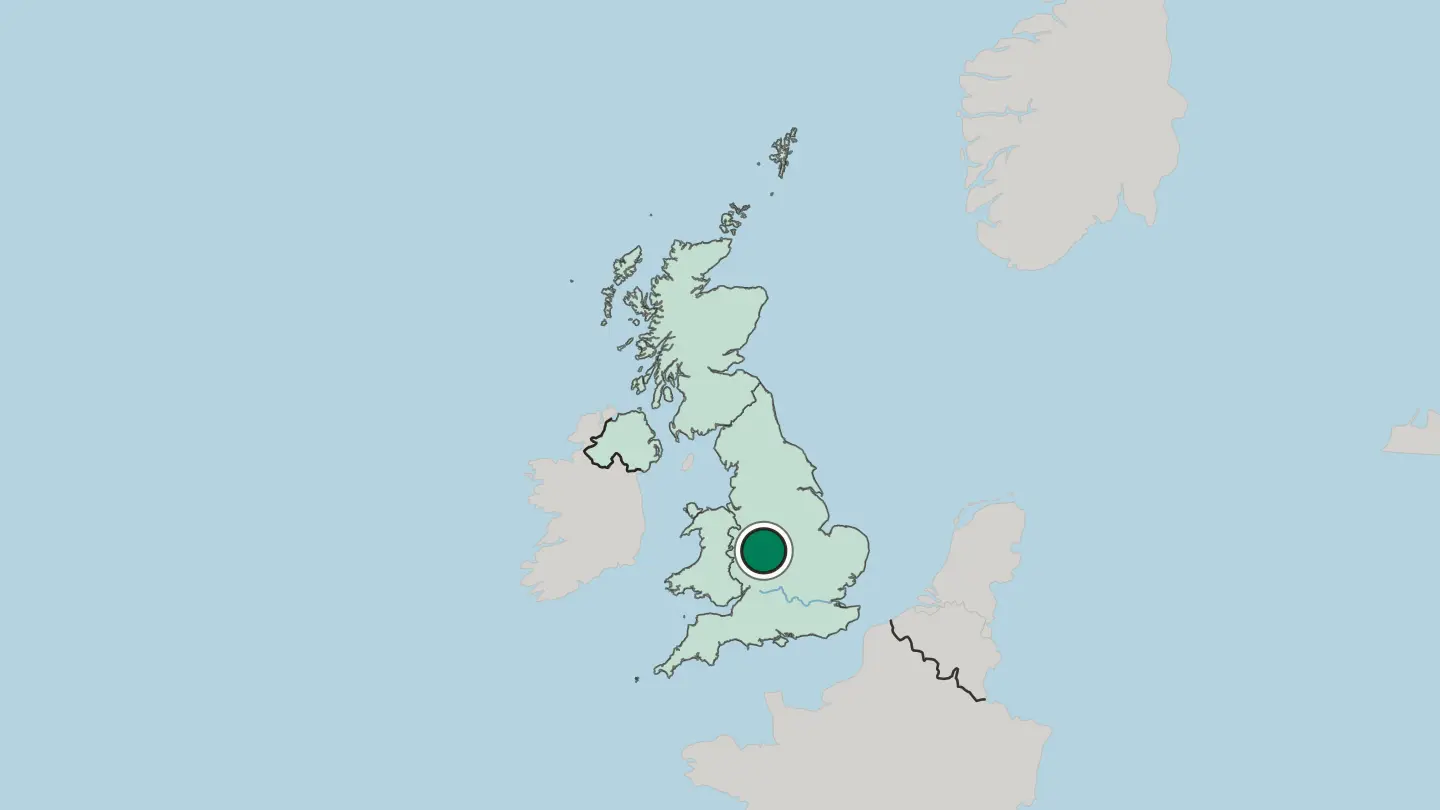
 United Kingdom
Glasgow
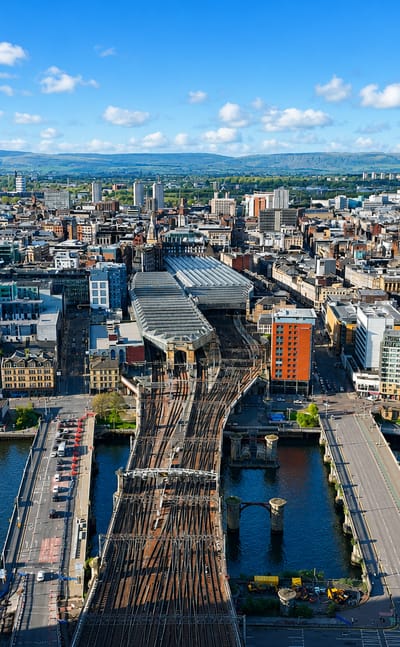
Deep-red sandstone lines the River Clyde at Glasgow, the largest city in Scotland, known for Glasgow Cathedral and the Kelvingrove Art Gallery and Museum.Where to stay →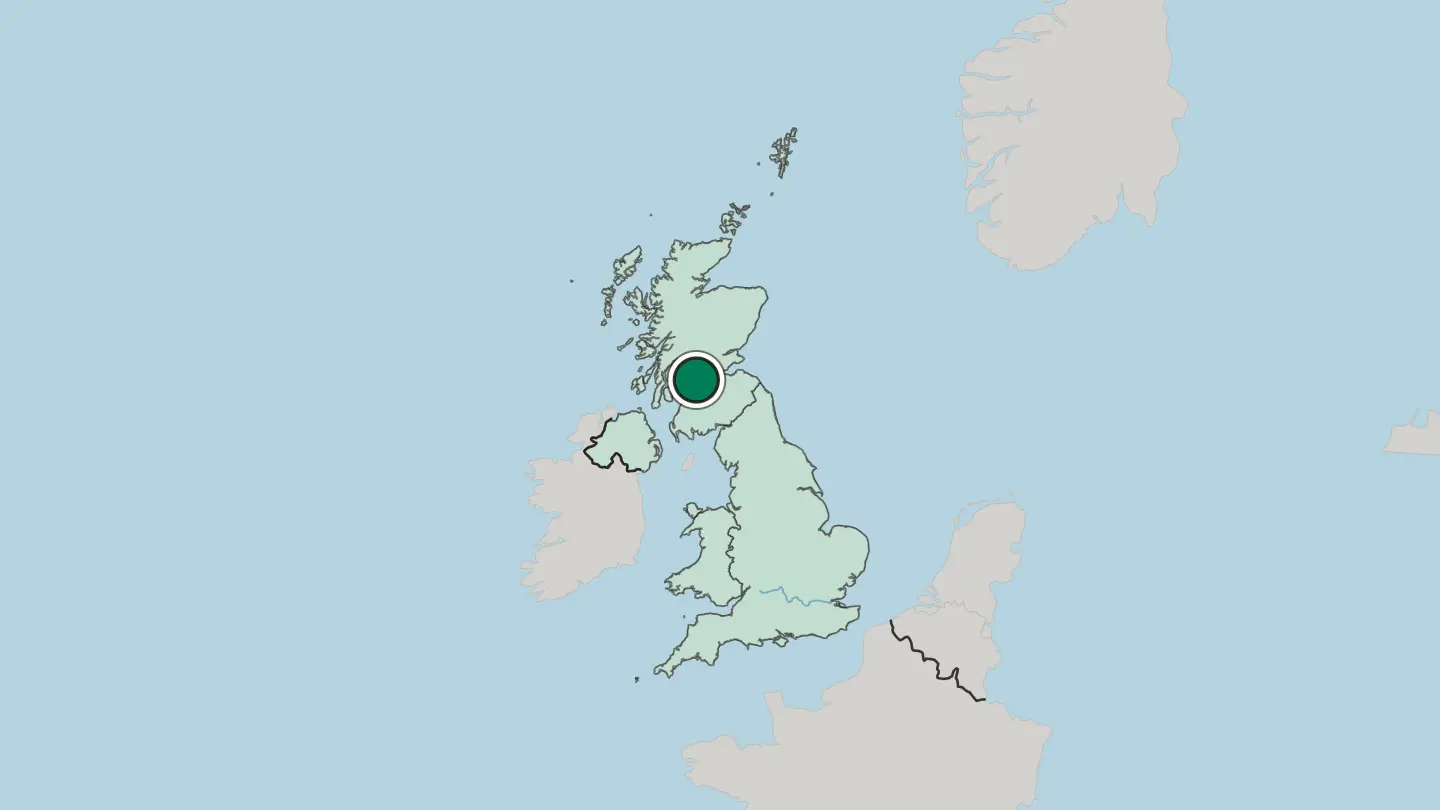
 United Kingdom
Belfast
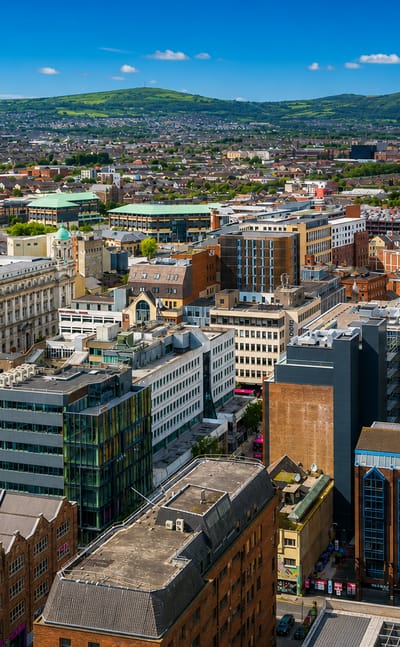
Belfast is the capital of Northern Ireland, a port city on the River Lagan, opening to the sea through Belfast Lough.Where to stay →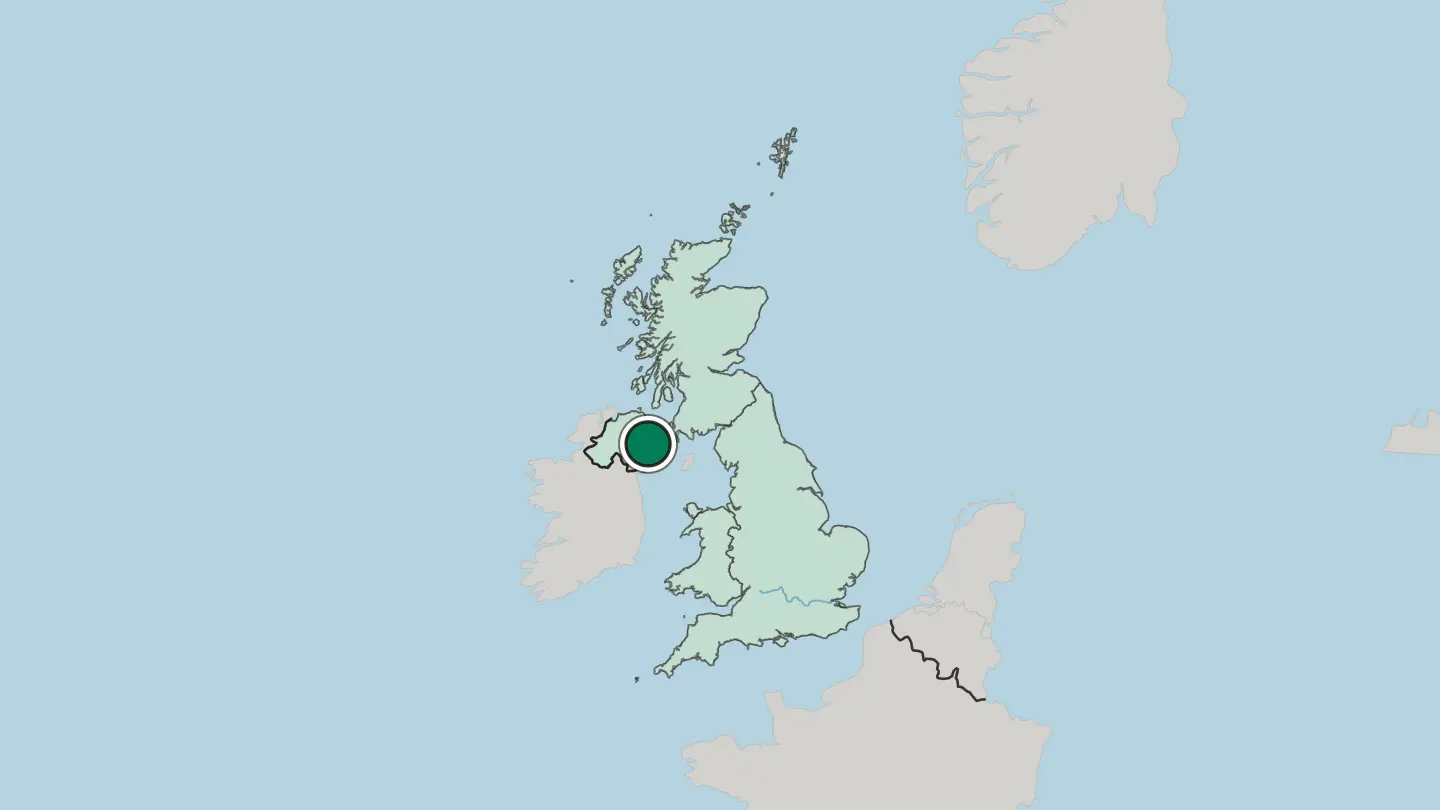
 United Kingdom
Bristol
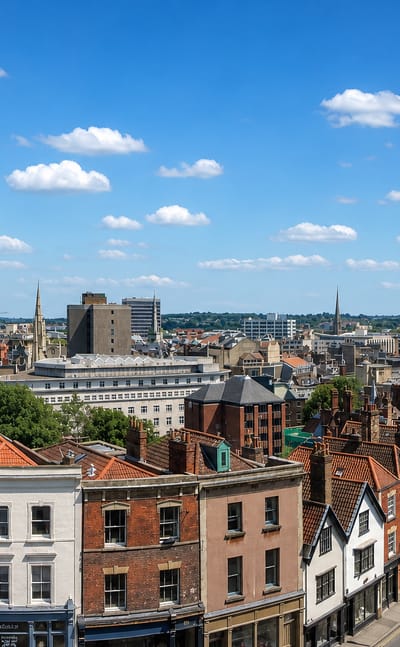
Tall masts rise beside the harbour at Bristol, a city in England known for the SS Great Britain and the spire of St Mary Redcliffe.Where to stay →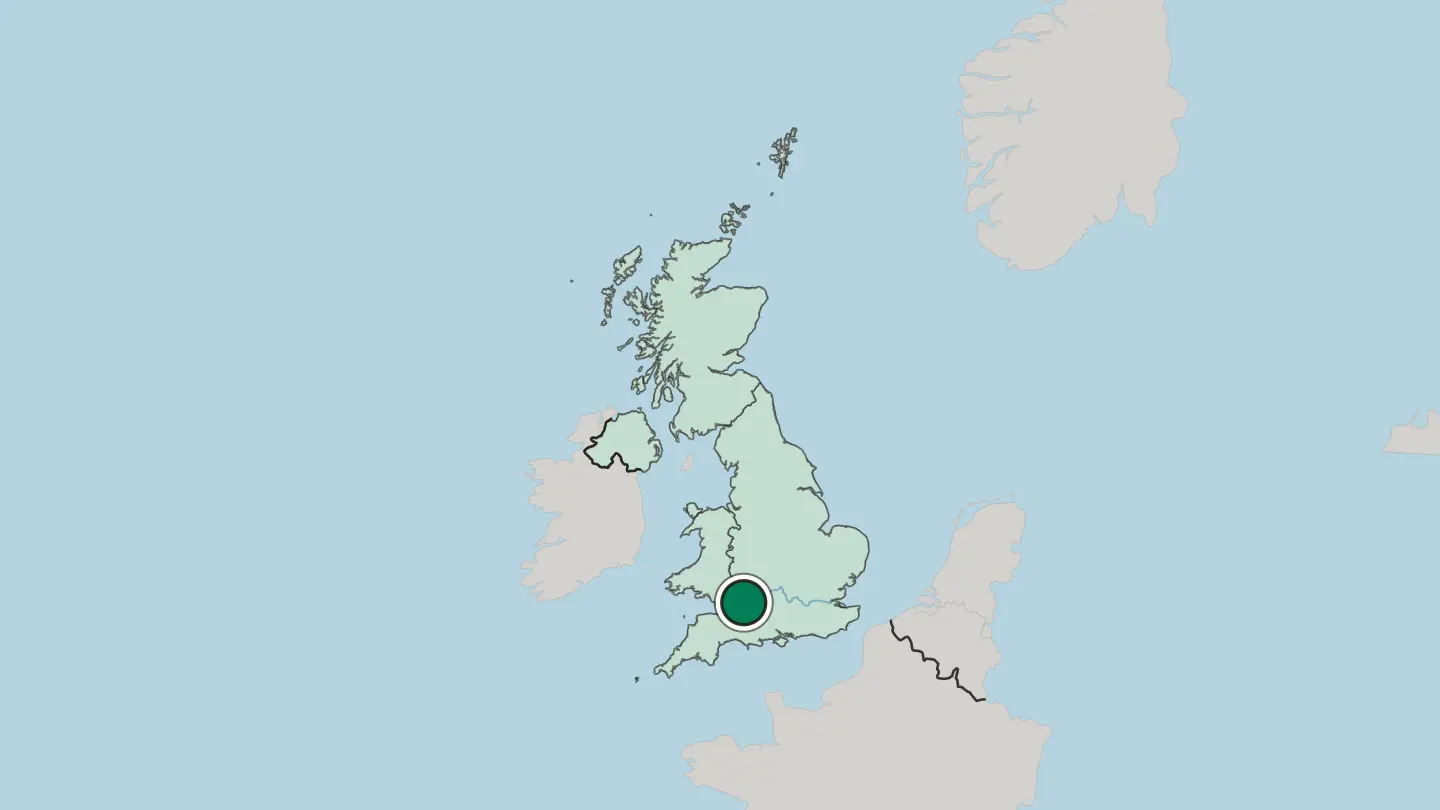
 United Kingdom
Newcastle upon Tyne
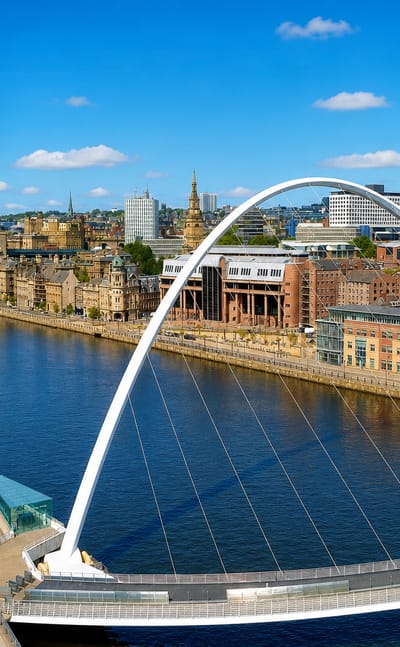
The River Tyne runs through Newcastle upon Tyne, England's northernmost city, an industrial and cultural centre in Tyne and Wear.Where to stay →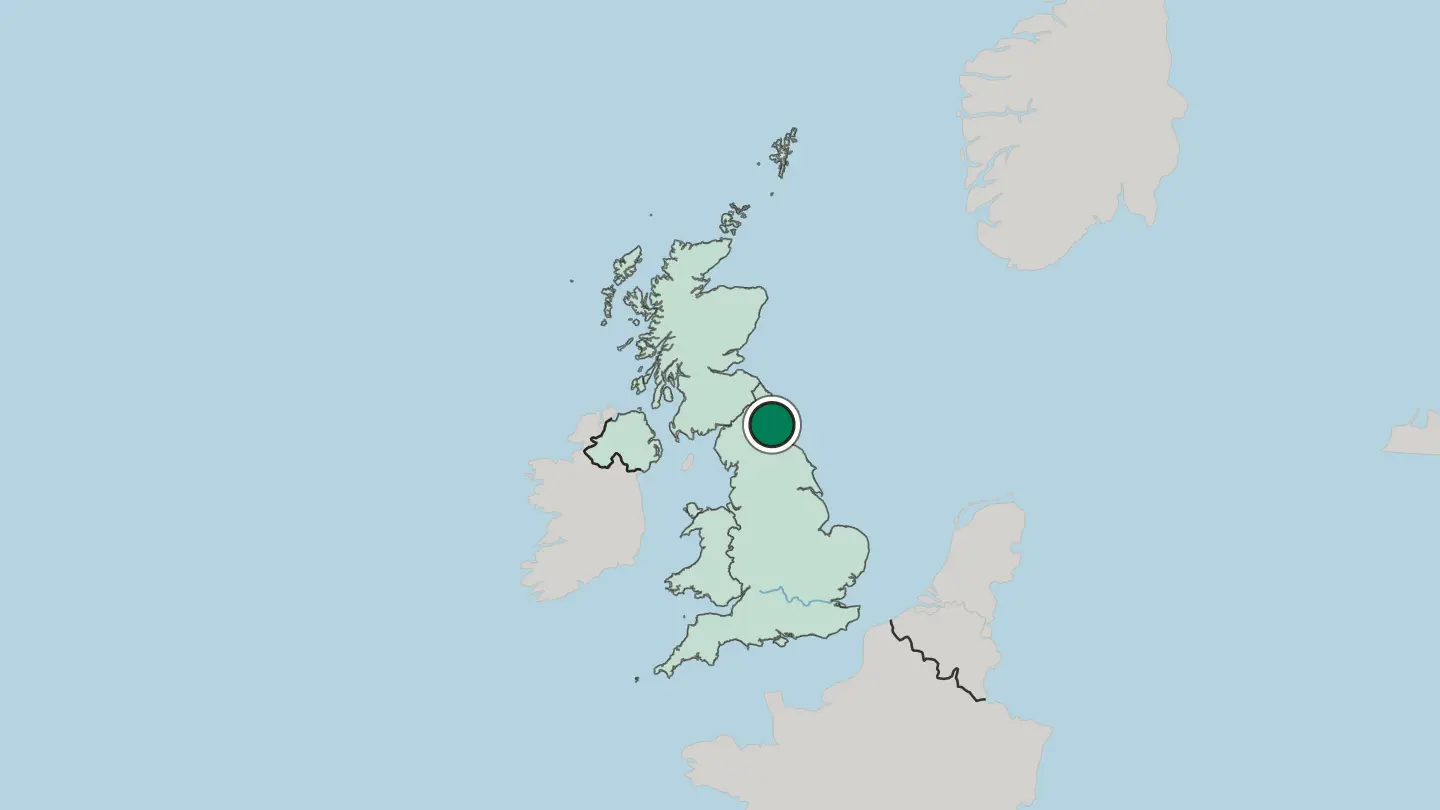
Hotel links are affiliate links: booking through them may earn us a commission, at no extra cost to you. It never affects how places are ranked. How this works
Regions of United Kingdom
United Kingdom
England
England is the largest of the four countries of the United Kingdom, filling the south and centre of the island of Great Britain.Towns & cities →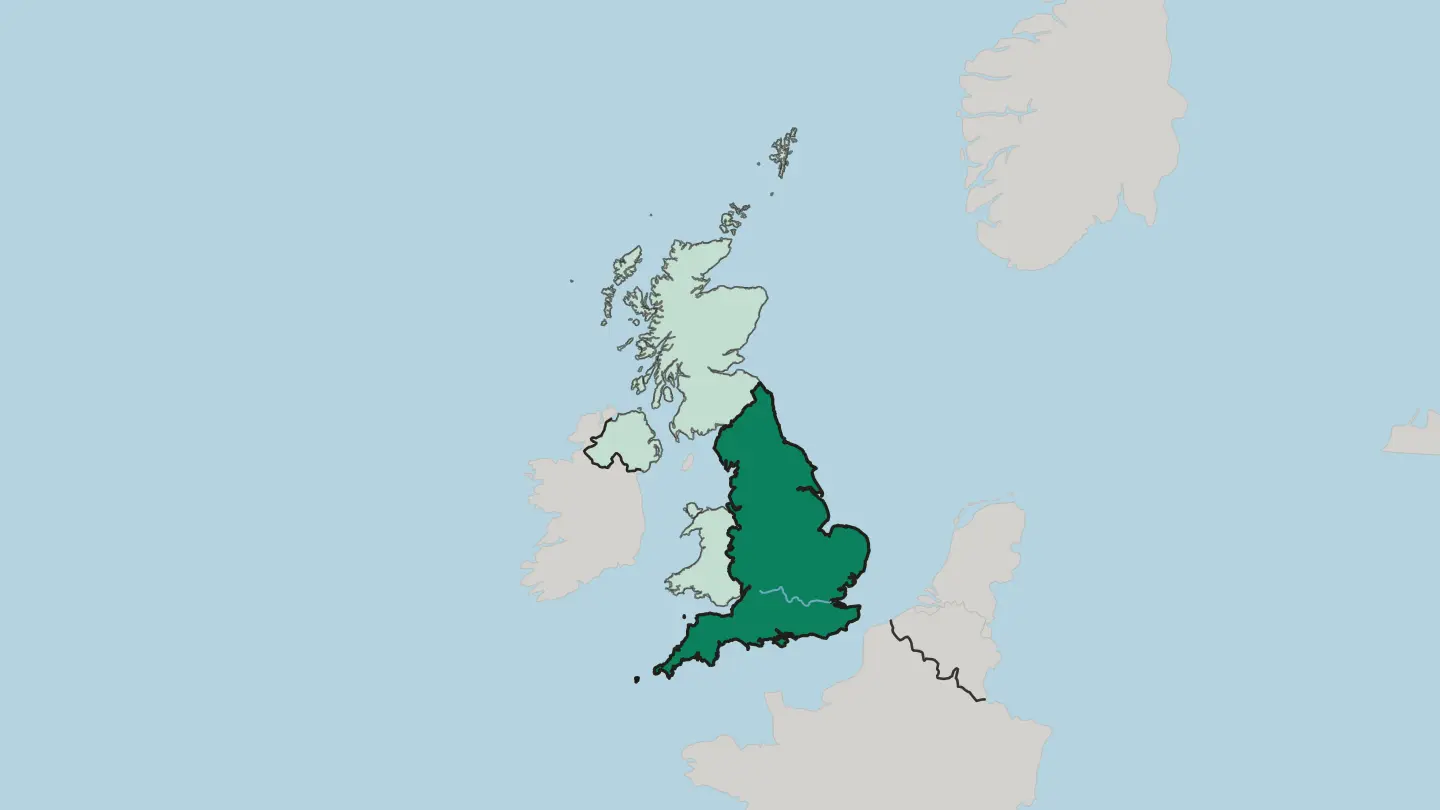 United Kingdom
Northern Ireland
Northern Ireland is a part of the United Kingdom in the north-east of the island of Ireland, sharing an open land border with the Republic of Ireland.Towns & cities →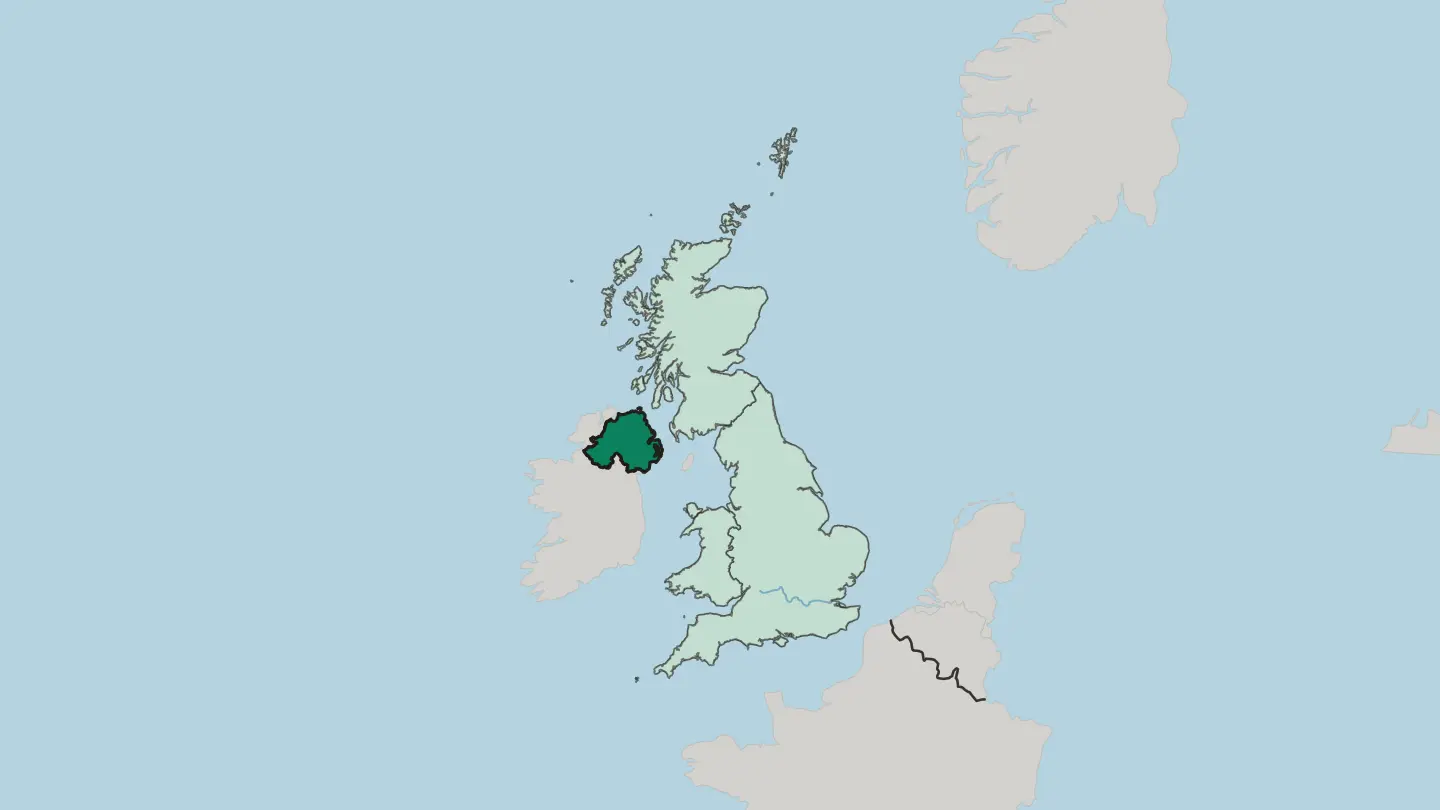 United Kingdom
Scotland
Scotland is the northern country of the United Kingdom, filling the top third of Great Britain in mountains, firths, and islands.Towns & cities →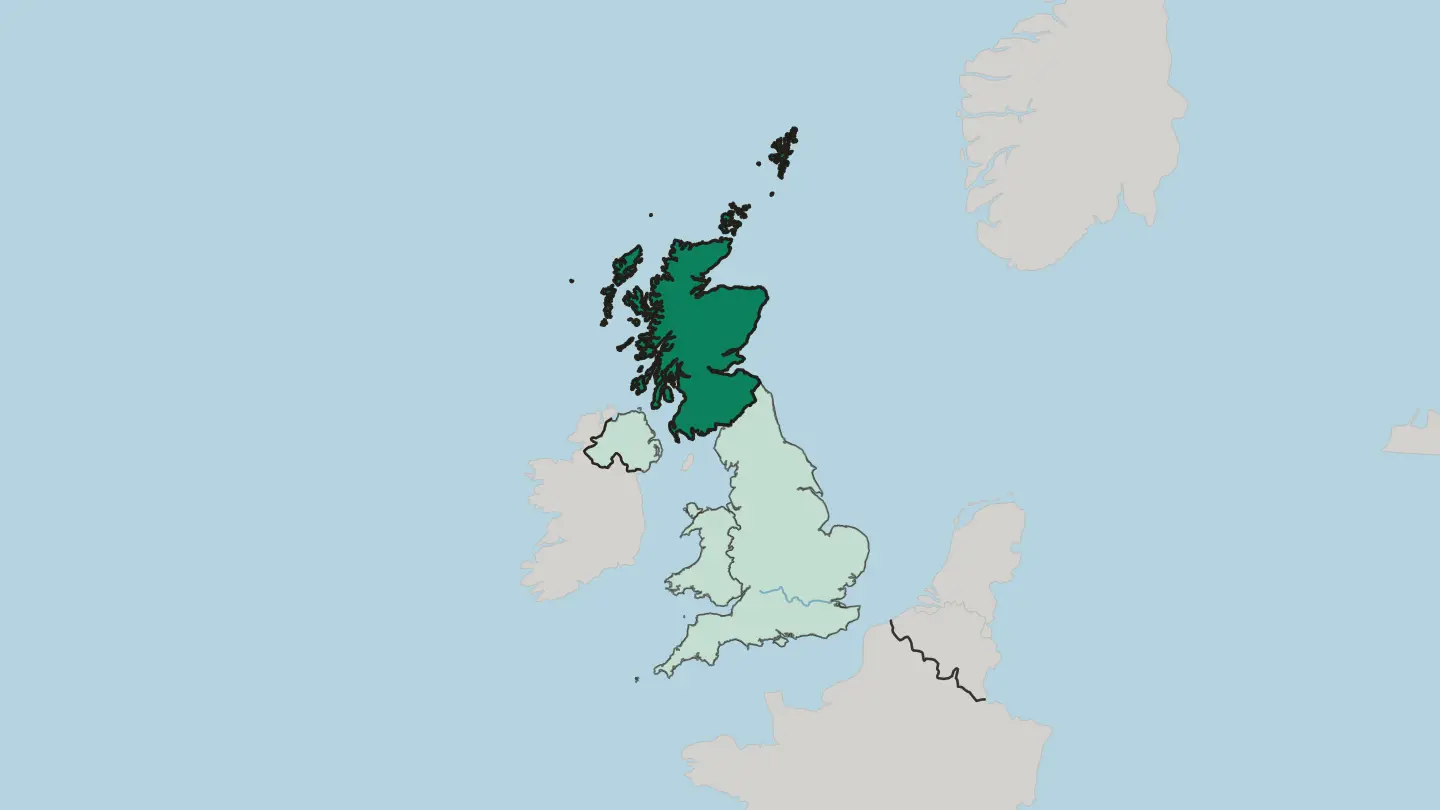
 United Kingdom
Wales
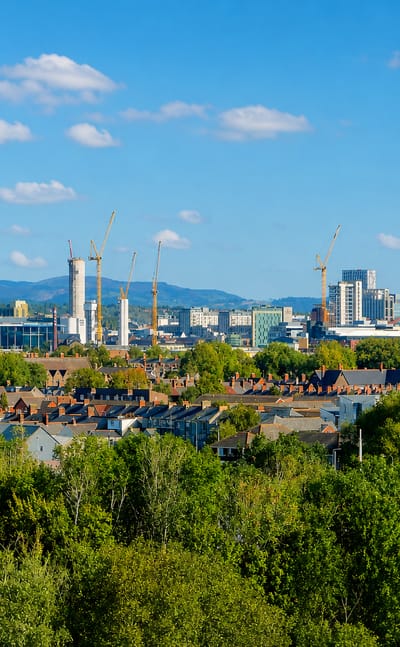
Wales is a mountainous country of the United Kingdom, filling the west of Great Britain, with its own Celtic language and a long sea coast.Towns & cities →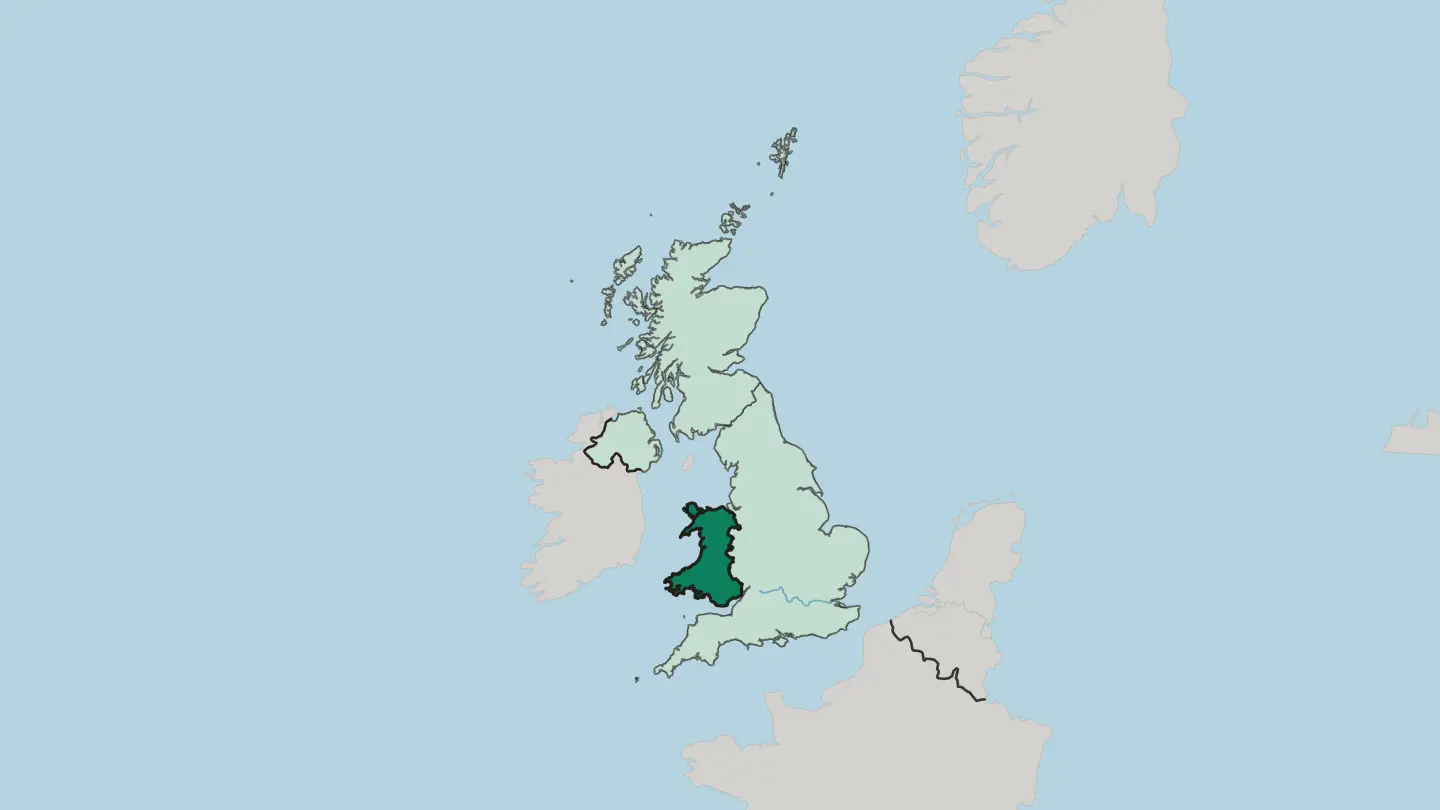
Explore by experience
Not sure which place? Start from how you want to travel.


About United Kingdom
Four countries make one state.
What is United Kingdom known for?
The United Kingdom joins England, Scotland, Wales and Northern Ireland under a single constitutional monarchy, each with its own capital in London, Edinburgh, Cardiff and Belfast. Most of the union lies on the island of Great Britain, while Northern Ireland holds the north-east of the island of Ireland. Water frames all of it.
The Atlantic Ocean, the North Sea, the English Channel, the Celtic Sea and the Irish Sea wash its coasts.
Where is United Kingdom?
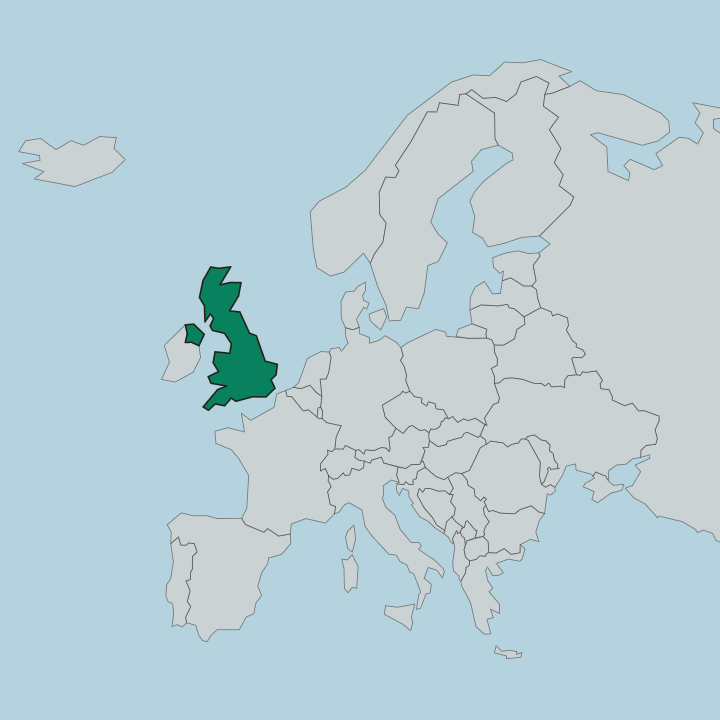
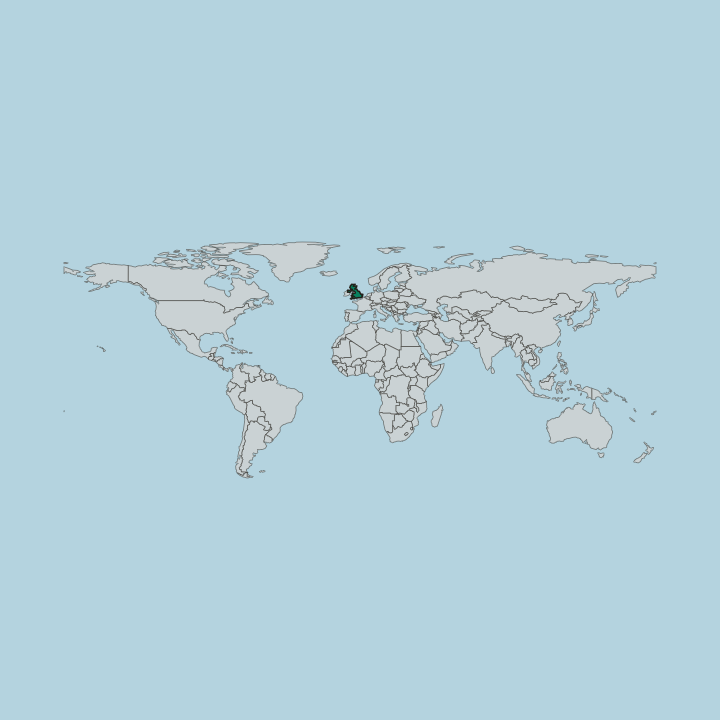
The United Kingdom occupies most of the British Isles, off the north-western edge of Europe. Its bulk sits on Great Britain, the larger island, where England fills the south and centre, Scotland the north, and Wales the west. Across the water, Northern Ireland takes up the north-east of the island of Ireland.
This is the union's one land frontier. It runs with the Republic of Ireland, the single country the United Kingdom borders by land, and every other edge is coast. Sea does the rest of the bounding.
The Atlantic Ocean opens to the west and north, the North Sea lies to the east, and the narrow English Channel separates the south coast from the European mainland. The Celtic Sea washes the south-west approaches, while the Irish Sea fills the gap between Great Britain and Ireland. Most of the smaller islands of the British Isles fall within its bounds as well.
No part of the country lies far from tidal water. The Crown Dependencies and the British Overseas Territories fall under United Kingdom sovereignty without forming part of the country itself.
What is the history of United Kingdom?
The date the United Kingdom marks as its founding is 1801, the year a union brought the kingdoms of these islands together under a single parliament. Before that, its parts governed themselves apart. England, Scotland and Wales already shared the larger island of Great Britain, and the union of 1801 tied the whole of the British Isles into one state.
One crown, one parliament, four countries: that pattern set in 1801 still frames the state. The result was a constitutional monarchy. That crowned, parliamentary form has held ever since.
But its shape did shift. Its full name, the United Kingdom of Great Britain and Northern Ireland, records that the state joins the island of Great Britain to the north-east of the island of Ireland. The rest of the British Isles, including the many smaller islands among the two, came into the same union of 1801.
Four countries remain within it. England, Scotland, Wales and Northern Ireland each keep a distinct identity and a capital of their own, at London, Edinburgh, Cardiff and Belfast, under one shared monarchy. The four countries' names still stand on the map, each a reminder of the joining and the parting behind them.
What is United Kingdom like?
To speak of one national culture in the United Kingdom is to miss the point of it. The state holds four countries, and England, Scotland, Wales and Northern Ireland each carry their own traditions, their own sense of home, and their own capital city. These four are countries in their own right, not mere regions of one.
What they share is a single crown and a common working language in English. Difference, not sameness, is the organising fact. That plural character runs through daily life across the union.
A traveller moving between London, Edinburgh, Cardiff and Belfast crosses real cultural borders, even inside one passport. Each of the four offers the visitor something the others do not. A shared crown and parliament sit above the four.
The island setting binds the whole together. Sea reaches deep into every part of the country, and a long, outward-facing coast has kept the culture turned toward the water and the wider world beyond the British Isles. The result is one state that never asks its parts to become the same.
Four nations, one state, many ways of being at home: that is the shape of it.
What is the climate of United Kingdom?
The United Kingdom has a temperate maritime climate. It is mild and changeable, set by the seas that surround the islands, with rain possible in any season and true extremes rare. Winters run cool rather than harsh.
The Atlantic Ocean to the west keeps the weather shifting, while the North Sea coast to the east tends to run cooler and drier. No part sits far from the sea, so none escapes that oceanic pull.
How do you get to United Kingdom?
Reaching the United Kingdom means crossing water, because it is an island country off the European mainland. Flights carry the bulk of that crossing. Sea routes cross the English Channel from the continent and the Irish Sea from Ireland, and the one land approach runs over the border from the Republic of Ireland into Northern Ireland.
From there, road and rail knit England, Scotland, Wales and Northern Ireland together, and ferries carry the crossing between the two main islands.
Common questions
What is the best area to stay in United Kingdom?
England: a first UK trip built around London. Scotland: the north of Great Britain. Wales: the western side of the island. Northern Ireland: the island of Ireland side of the union.
Good for
Updated September 2026