Ghana · Ashanti Region
Where to Stay in Kumasi, Ashanti Region
Kumasi is the capital of the Ashanti in central Ghana, the old royal city of a great African kingdom, seat of the golden stool and its king.
Hotel links are affiliate links: booking through them may earn us a commission, at no extra cost to you. It never affects how places are ranked. How this works


Where to stay in Kumasi
The practical side of choosing where to sleep.
Where you stay in Kumasi turns on the city centre or the leafier suburbs. The streets around the Kejetia market keep the stalls, the palace, and the shops within reach, and staying downtown suits anyone here for the market. The market fills the valley.
Traders crowd the lanes. Out toward the garden suburbs and the hills, the city gives way to green streets, gardens, and quiet ridges. A room in the suburbs trades the market for the tree-lined roads, the cultural centre, and the calm of the green city.
Green gardens shade the streets. Stay downtown for the market, or in the suburbs for the quiet. From the suburbs it is a short ride back to Kejetia.
Find hotels in Kumasi
Direct booking searches for these neighbourhoods.
The city centre
Around the market downtownFind hotels in The city centreStays wanting the quiet and green streetsThe garden suburbs
Out in the leafy ridgesFind hotels in The garden suburbsHotel links are affiliate links: booking through them may earn us a commission, at no extra cost to you. It never affects how places are ranked. How this works
About Kumasi
Kumasi is the royal city of the Ashanti.
What is Kumasi known for?
In the green forest country of central Ghana, it was the capital of a powerful kingdom that held out long against the British, and it keeps the palace of the Asantehene the king, the sacred golden stool that is the soul of the nation, one of the largest markets in West Africa, and the weavers of kente cloth and the goldsmiths of the old craft. Green hills ring the city. The forest closes in beyond.
What are the main landmarks in Kumasi?
The Manhyia Palace is the royal heart of Kumasi. The palace of the Asantehene, seat of the Ashanti king and his golden stool, stands in the north of the city, the emblem of the kingdom, above the streets. A vast market fills the centre.
The great Kejetia market, one of the largest in West Africa, spreads its thousands of stalls below, while the royal mausoleum, the kente weavers, and the crater lake of Bosomtwe mark the country around Kumasi.
What is the history of Kumasi?
Kumasi rose as the seat of the Ashanti kings. Three centuries ago the Ashanti states joined under one ruler, and a priest called down the golden stool from the sky to be the soul of the united nation, set at Kumasi. The kingdom grew mighty.
From this forest capital the Asantehene ruled a great empire of gold and trade, its armies feared across the region and its court rich beyond the coast. War came with the British. The Ashanti fought the British in war after war through the nineteenth century, and Kumasi was burned and besieged, and the king sent into exile over the golden stool.
The kingdom endured the storm. Though the British took the land at last, the Ashanti kept their king and their stool, and the Asantehene returned to a rebuilt Kumasi, which grew into the great market city of the forest. The palace still holds the stool.
Kumasi keeps its king and its market in the Ashanti forest.
Where is Kumasi?
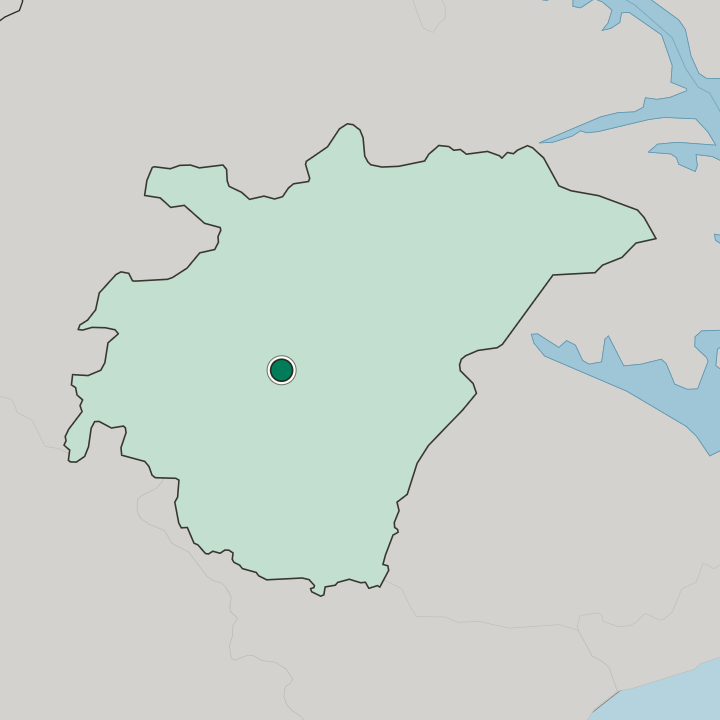
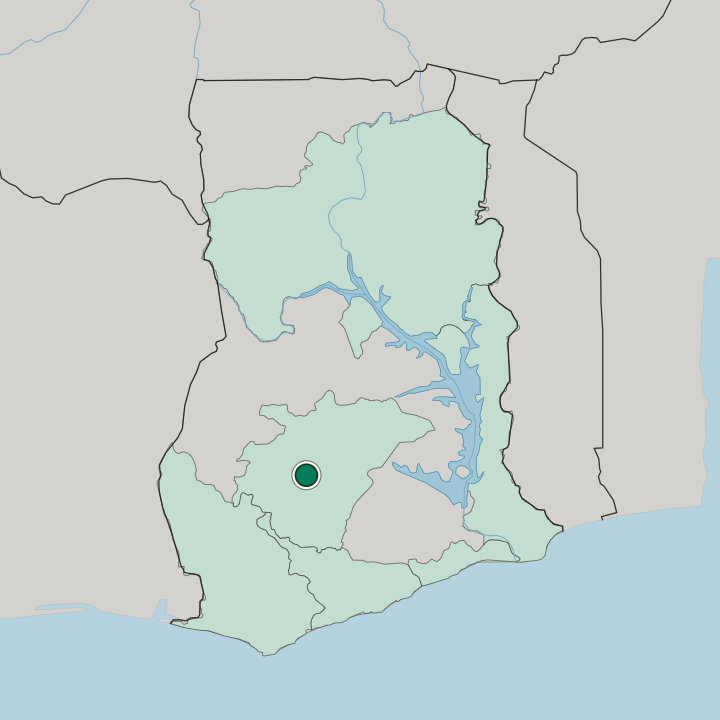
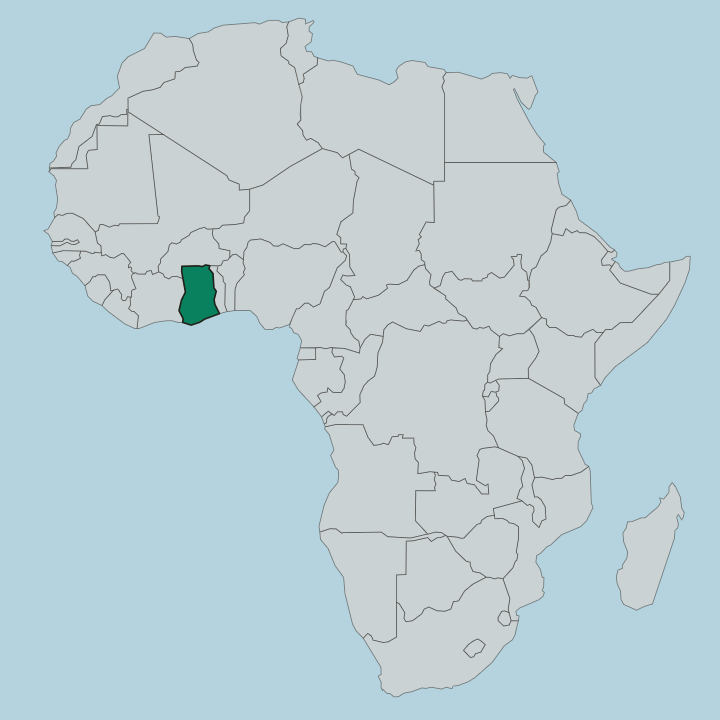
Kumasi lies in the centre of Ghana, in the green hills of the forest country. The city spreads over low hills in the heart of the West African rainforest belt, where the land rolls in green ridges of cocoa and timber, with the great crater lake of Bosomtwe in the hills to the southeast. Green ridges roll around.
The forest runs on past the town.
What is the climate of Kumasi?
Kumasi has a warm, wet tropical climate. Hot damp weather holds through the year in the forest, with two rainy seasons and short drier spells, and the dusty harmattan wind blowing down from the north in winter. The rains keep the forest green.
Harmattan haze dims the dry months.
How do you get to Kumasi?
Kumasi lies in central Ghana, on the road and rail between Accra and the north. Buses and roads run to it up through the forest from Accra and Takoradi, and an airport links it to the capital. Lanes fill with market traffic.
Accra lies south down the road.
Common questions
What is the best area to stay in Kumasi?
The city centre: Visitors here for the Kejetia market and palace. The garden suburbs: Stays wanting the quiet and green streets.
Good for
Updated September 2026