Ghana · Central Region
Where to Stay in Cape Coast, Central Region
Cape Coast is a coastal town of southern Ghana, an old fishing port and colonial capital, site of a castle standing as a memorial of the slave trade.
Hotel links are affiliate links: booking through them may earn us a commission, at no extra cost to you. It never affects how places are ranked. How this works


Where to stay in Cape Coast
How the choice of base plays out on the ground.
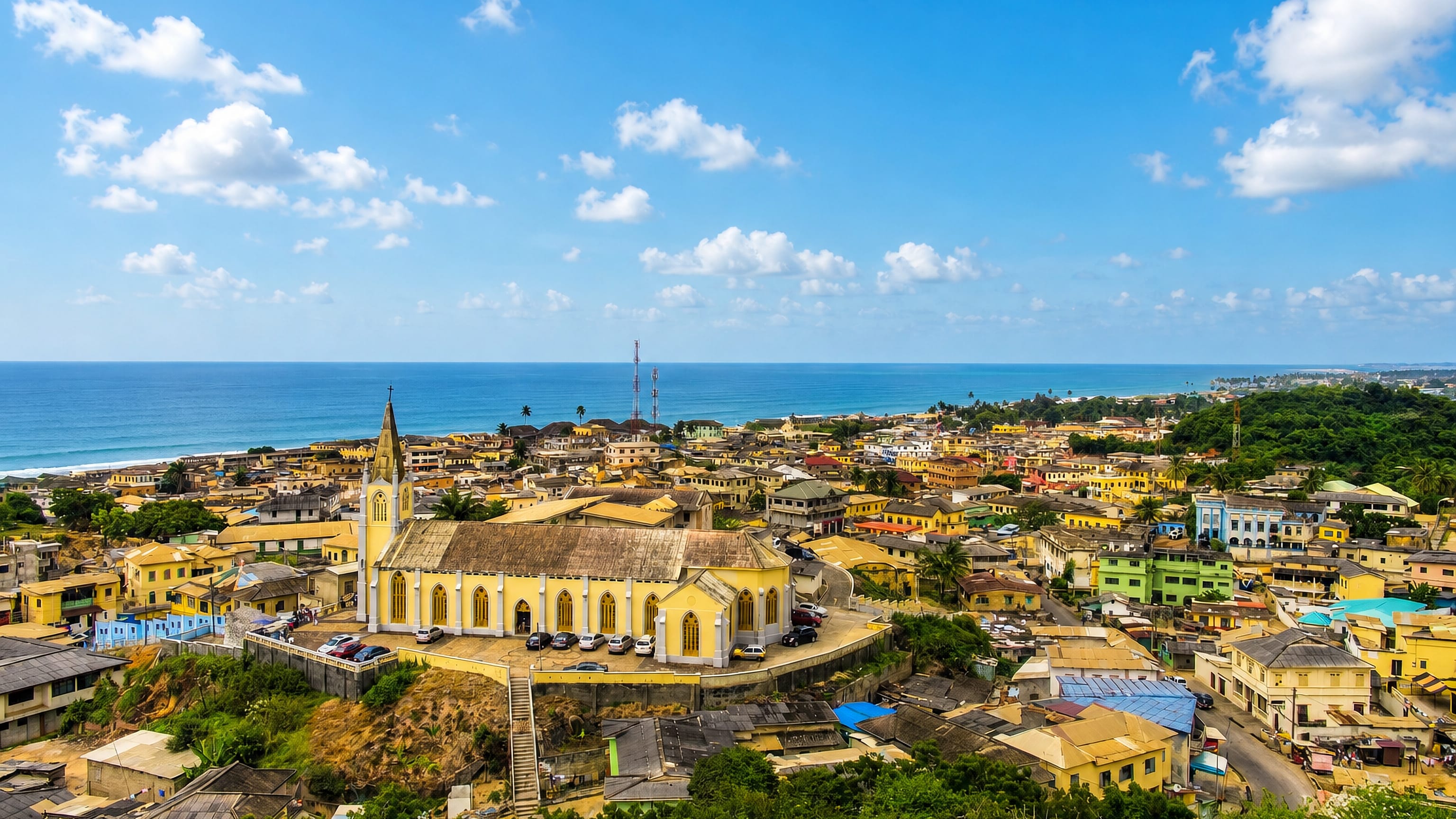
In Cape Coast the choice runs between the castle streets and the shore beyond. The streets around the castle keep the forts, the harbour, and the old schools within a walk, and staying downtown suits anyone here for the castle and its history. The white castle stands over the sea.
Canoes crowd the beach below. Out along the shore and inland, the town gives way to the fishing beaches, the lagoons, and the Kakum rainforest. A room by the sea trades the streets for the surf beaches, the palm shore, and the forest canopy walk in the hills.
The Atlantic rolls in from far. Stay downtown for the castle, or out for the coast and forest. The castle and the town streets stay near whichever beach you choose.
Find hotels in Cape Coast
Direct booking searches for these neighbourhoods.
The castle town
Around the old town by the seaFind hotels in The castle townStays wanting the beaches and KakumThe coast and forest
Along the shore and inlandFind hotels in The coast and forestHotel links are affiliate links: booking through them may earn us a commission, at no extra cost to you. It never affects how places are ranked. How this works
Things to do in Cape Coast
Ranked by global recognition; descriptions from Wikidata (CC0).
Museums & Galleries
1- Cape Coast Castle Museum Heritage
Churches & Religious Sites
1- St. Francis de Sales Cathedral
Castles & Historic Sites
3- Cape Coast Castle Heritage
- Fort McCarthy Heritage
- Monument at Mfantsipim school
worth knowingacross 3 categories in Cape Coast
About Cape Coast
Cape Coast is the castle town of the Ghanaian coast.
What is Cape Coast known for?
On the surf-beaten shore of southern Ghana, it grew as a great port of the old Gold Coast, and it keeps the white castle above the sea, held now as a solemn memorial of the Atlantic slave trade, the busy fishing harbour and its bright canoes, the old colonial forts and schools of the town, and the forest and canopy walk of Kakum nearby. The warm surf breaks on the shore. The old castle stands white above.
What are the main landmarks in Cape Coast?
The castle is the heart of Cape Coast. The great white fort above the harbour, whose dark dungeons held the enslaved before the Atlantic crossing, stands now as a solemn museum and memorial, the emblem of the coast, over the sea. A fishing harbour lies below.
The busy beach where bright canoes land the day's catch fills the shore beneath the walls, while the old forts, the great schools, and the Kakum forest mark the country around Cape Coast.
What is the history of Cape Coast?
Cape Coast was long a Fante fishing town. On this rocky shore the Fante people fished the surf, and Europeans came for the gold and trade of the coast, raising forts along the sea. The castle held a terror.
For many years the great fort above the harbour was a prison and a market of the Atlantic slave trade, where thousands of enslaved Africans were held in dark dungeons before they were carried in chains across the sea, never to return. The trade was ended at last. When slavery was abolished, the castle passed to other uses, and Cape Coast became the capital of the British Gold Coast and a great seat of learning, its schools teaching the leaders of the land.
The town gave way to Accra. In time the capital moved east, and Cape Coast grew quieter, living by its fishing, its schools, and its memory, so that the old castle now stands as a place of pilgrimage and mourning, kept for the world to remember. The fishing boats still crowd the shore.
Cape Coast keeps its castle and its harbour on the coast of Ghana.
Where is Cape Coast?
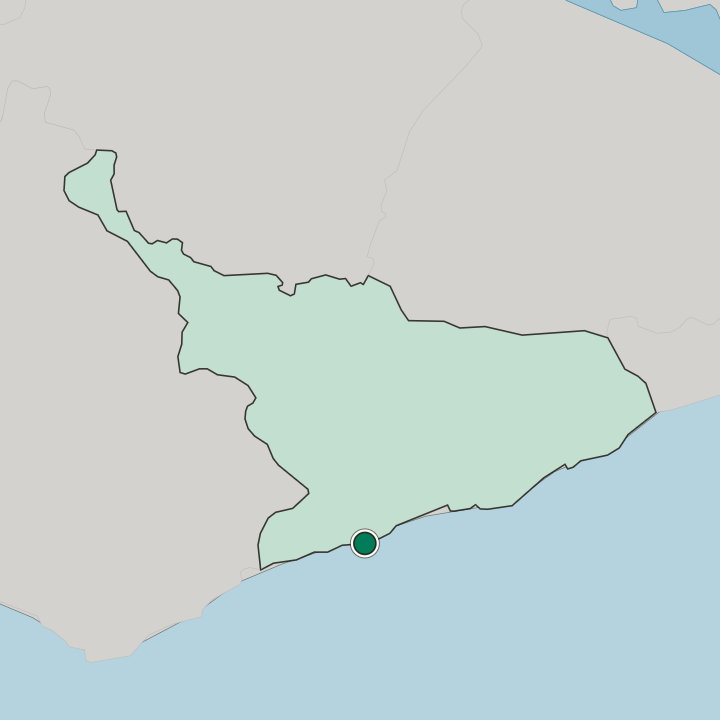
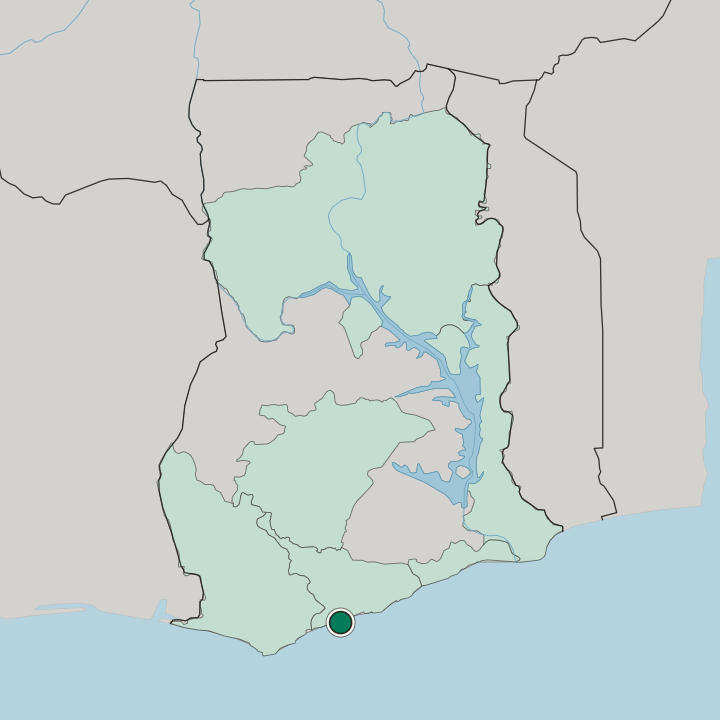
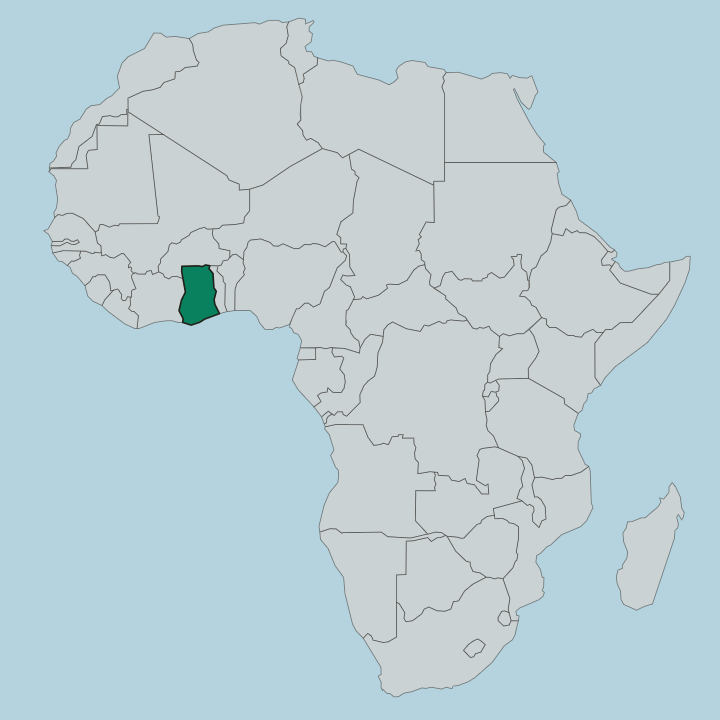
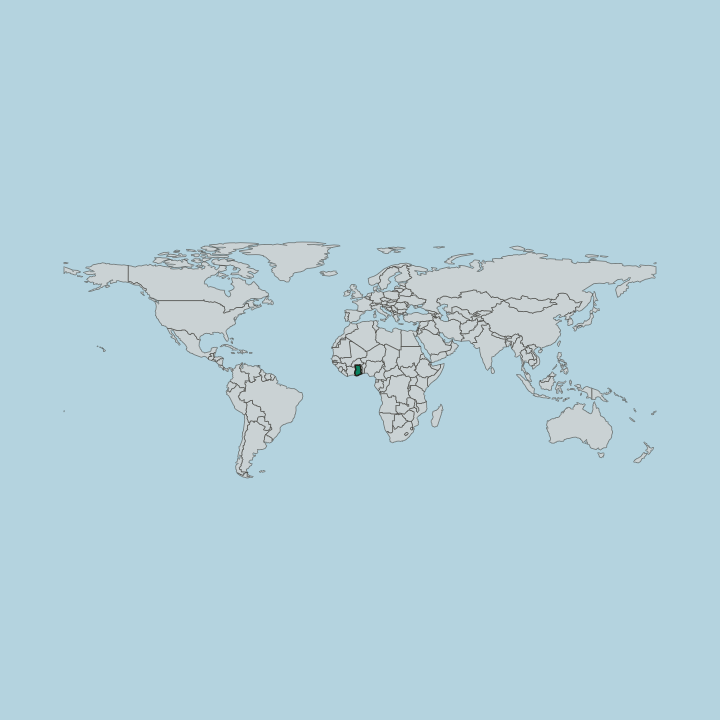
Cape Coast lies on the south coast of Ghana, on the Gulf of Guinea in West Africa. The town sits on rocky shores and low green hills above the Atlantic surf, where fishing beaches and old stone forts line the sea, with lagoons and rainforest in the country behind. The surf pounds the rocks.
Green hills rise behind the town.
What is the climate of Cape Coast?
Cape Coast has a warm, humid tropical climate. Hot damp weather holds all year on the coast, with two rainy seasons off the sea and a drier, dusty spell in the harmattan winter. The rains green the hills.
The surf runs warm and high.
How do you get to Cape Coast?
Cape Coast lies on the coast of southern Ghana, west along the shore from Accra. The coast road and buses run to it from the capital and the western ports, and lanes lead inland to the Kakum forest. Boats work the surf.
Accra lies east down the coast.
Common questions
What is the best area to stay in Cape Coast?
The castle town: Visitors here for the castle and forts. The coast and forest: Stays wanting the beaches and Kakum.
Good for
Updated September 2026