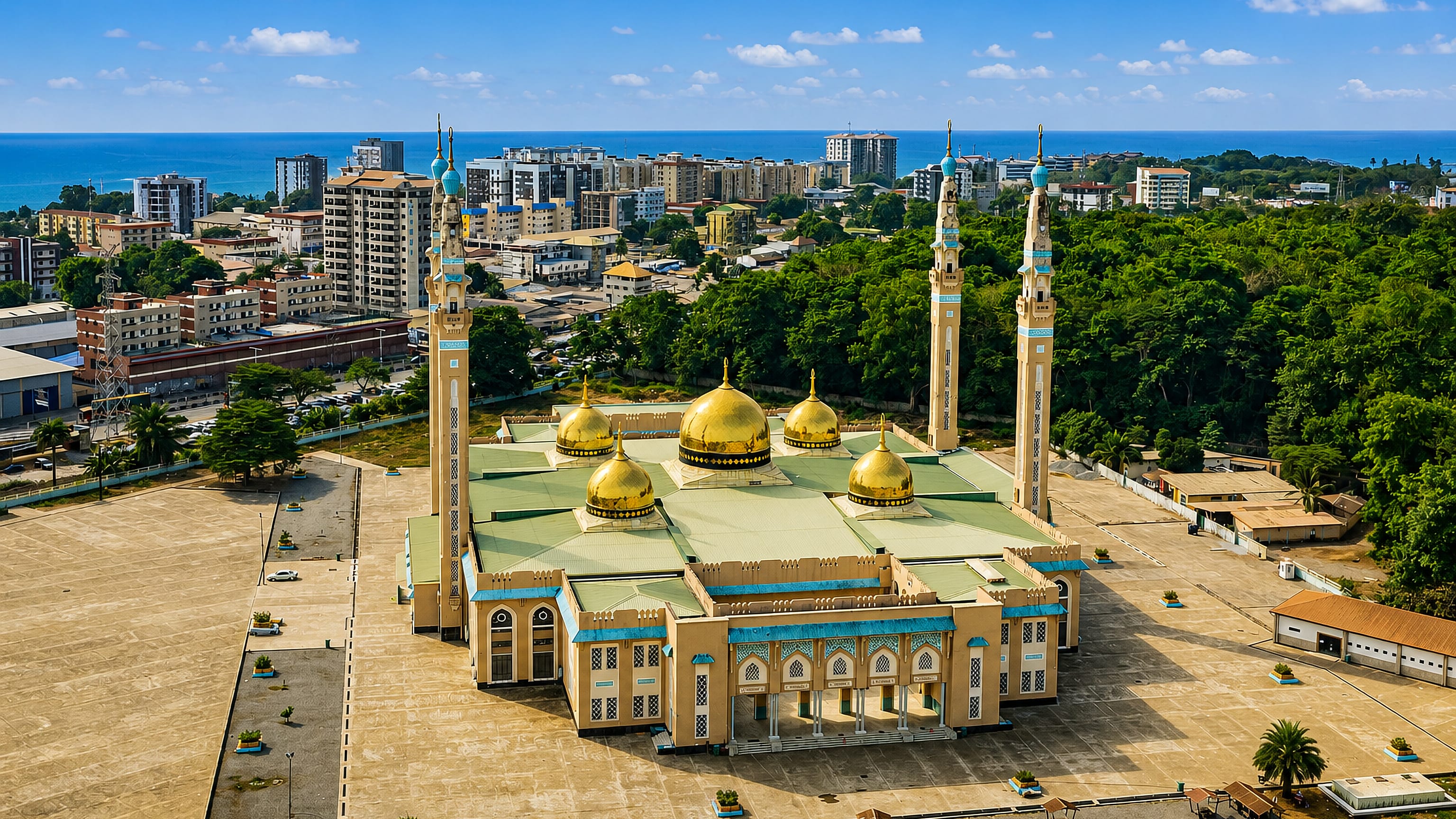
Guinea
Conakry Region, Guinea — Towns & Travel Guide
The port of Conakry gives Conakry Region its edge on the sea, the capital region of Guinea and the country's economic and cultural centre.
Hotel links are affiliate links: booking through them may earn us a commission, at no extra cost to you. It never affects how places are ranked. How this works


Towns & cities in Conakry Region
One town here has its own guide — it links to where to stay.
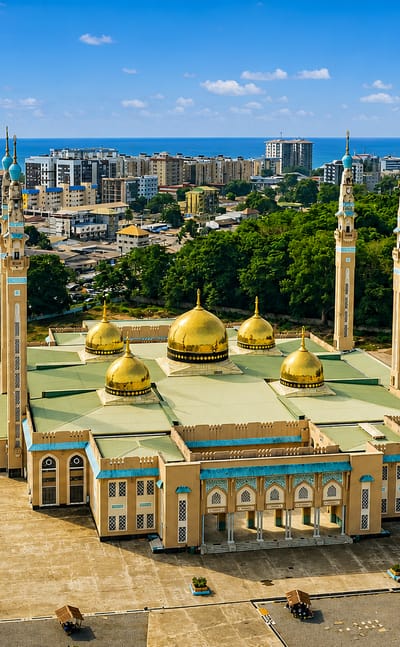
 Guinea
Conakry
Ships crowd the harbour at Conakry, the port capital and largest city of Guinea, its economic and cultural centre on the West African coast.Where to stay →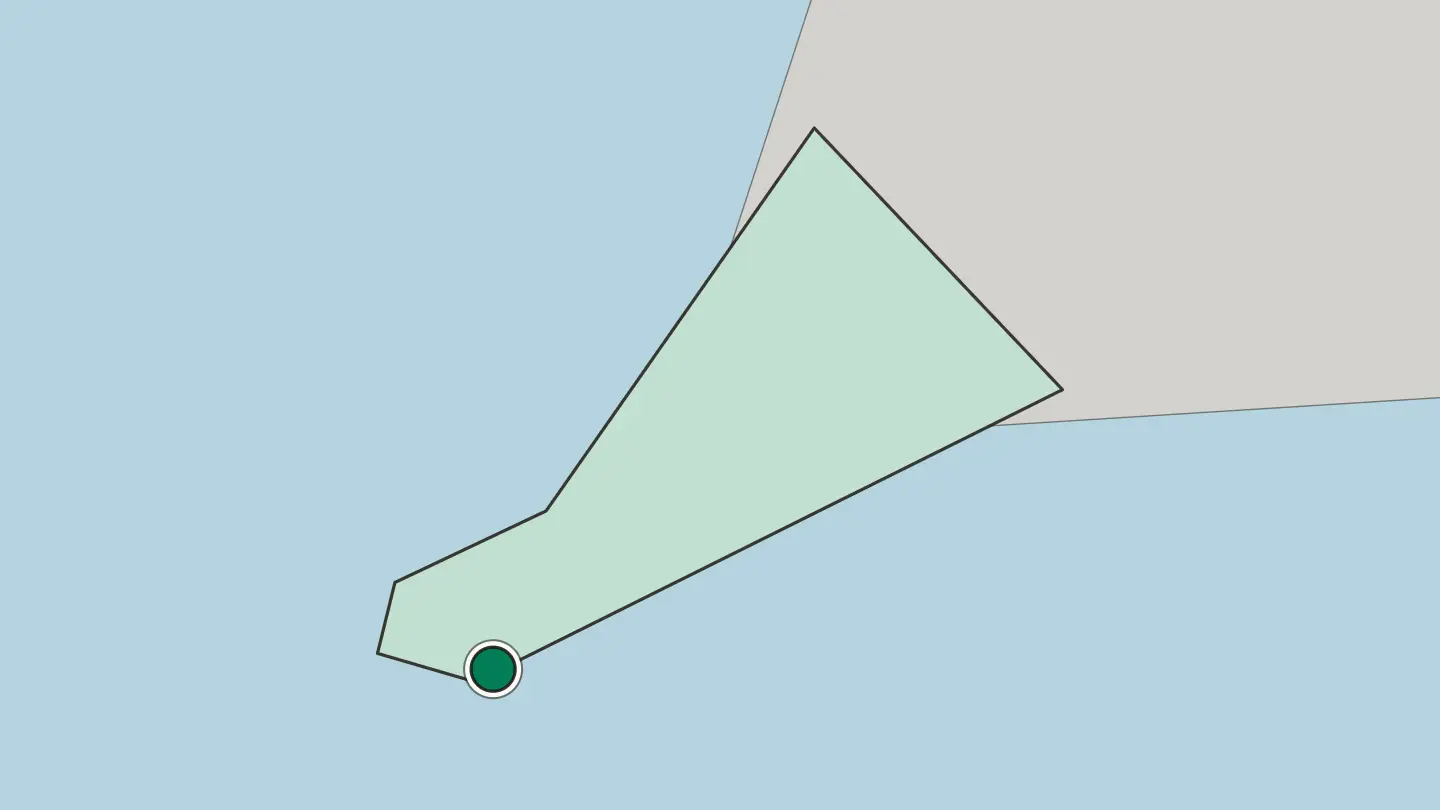
Hotel links are affiliate links: booking through them may earn us a commission, at no extra cost to you. It never affects how places are ranked. How this works
About Conakry Region
What is Conakry Region known for?
Conakry Region is known as the capital region of Guinea, built around the port city of Conakry on the country's coast. The city defines it. As the economic, financial, and cultural centre of Guinea, Conakry anchors the region and gathers the trade that passes through its port, while the seat of the nation's administration sits within the same coastal ground.
The region holds Conakry, the capital and largest city of the country.
Where is Conakry Region?
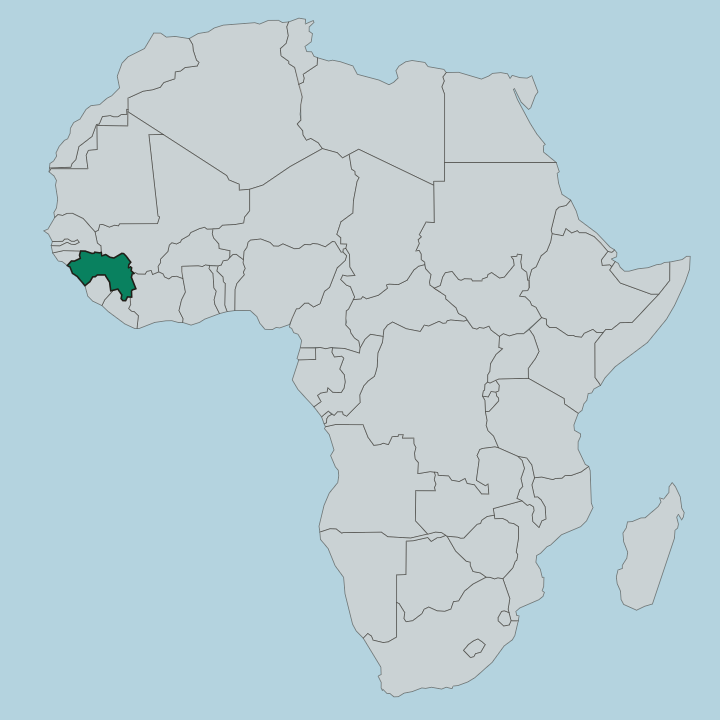
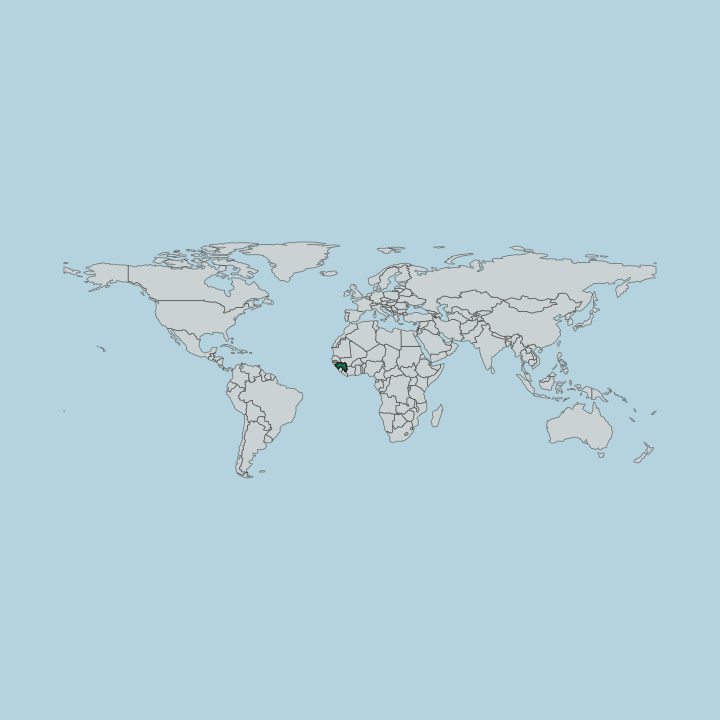
Conakry Region sits on the coast of Guinea, the small capital region built around the port city of Conakry. The sea shapes it. Conakry stands on the shore as a port, and the region gathers the city and the coastal ground immediately around it, so the whole territory belongs to the seaward edge of Guinea rather than the inland country.
The harbour ties the region to the shipping lanes that reach the West African coast. The region is compact by design. Holding little more than the capital and its surroundings, Conakry Region is defined by the built city rather than by a spread of open land, and its position on the coast sets it apart from the wider inland regions of Guinea.
The port, the shoreline, and the streets of Conakry give the capital region its whole setting on the sea.
What is Conakry Region like?
Conakry Region carries the culture of the capital of Guinea, whose urban area holds nearly a quarter of the country's people. Life here gathers in the city. As the cultural centre of the country, Conakry draws the movement of people, trade, and administration into the coastal region, and French is the shared language of its offices and streets.
The port fixes the region to the sea and to the traffic of the West African coast, and that trade has long shaped the character of the capital. The region is the city, in effect. Conakry Region holds the economic and financial heart of Guinea within its coastal bounds, and the daily life of the country's largest city runs through this small stretch of shore.
French threads through public life. The port, the coastal setting, and the pull of Conakry as the national centre give the capital region its shared identity on the sea.
What is the history of Conakry Region?
Conakry Region grew as the administrative region built around Conakry, the capital and largest city of Guinea. The port made the place. Conakry rose on the coast as a harbour town and became the economic and cultural centre of the country, and the region took shape as the small capital territory around it, holding the city and its coastal surroundings.
From that base Conakry has stayed the seat of Guinea and the heart of its trade.
What is the climate of Conakry Region?
Conakry Region has a tropical climate set by its low position on the coast of Guinea. Warmth holds year round. Heavy seasonal rains reach the shoreline around the port of Conakry off the sea, while a drier stretch breaks the year between the wetter months, and the ocean keeps the air humid across the capital region.
The West African coast draws in the same rains. This wet warmth marks the region through the seasons.
How do you get to Conakry Region?
Conakry Region is reached by sea, air and road through the capital itself. The port is the main approach. Ships call at the harbour of Conakry, air links tie the capital region to the wider country and beyond, and roads run inland from the coast into the rest of Guinea.
The sea carries the trade. From the shore the routes reach out across the country from Conakry.
Updated October 2026