Guinea · Conakry Region
Where to Stay in Conakry, Conakry Region
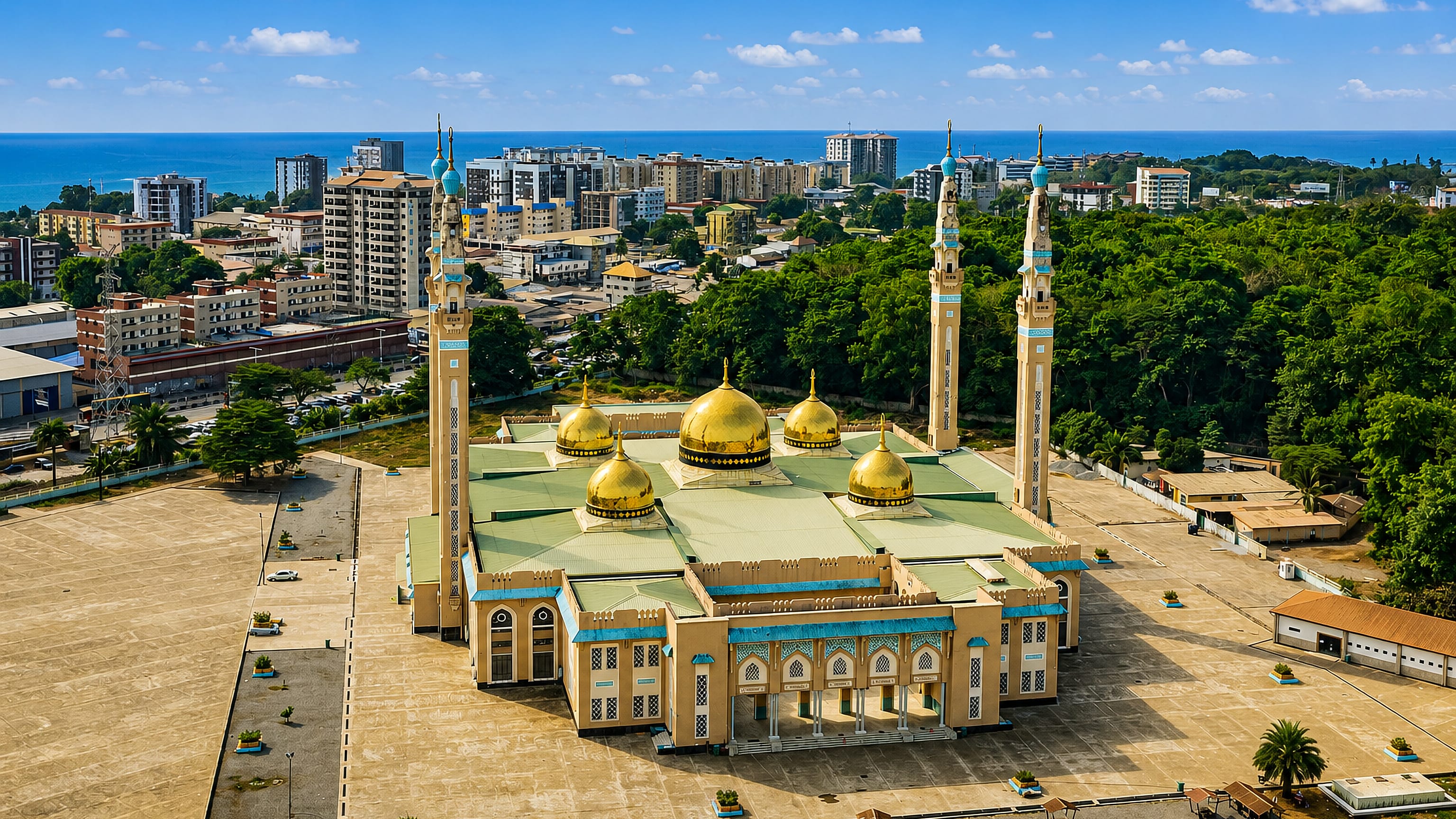
Ships crowd the harbour at Conakry, the port capital and largest city of Guinea, its economic and cultural centre on the West African coast.
Hotel links are affiliate links: booking through them may earn us a commission, at no extra cost to you. It never affects how places are ranked. How this works


Where to stay in Conakry
How the choice of base plays out on the ground.
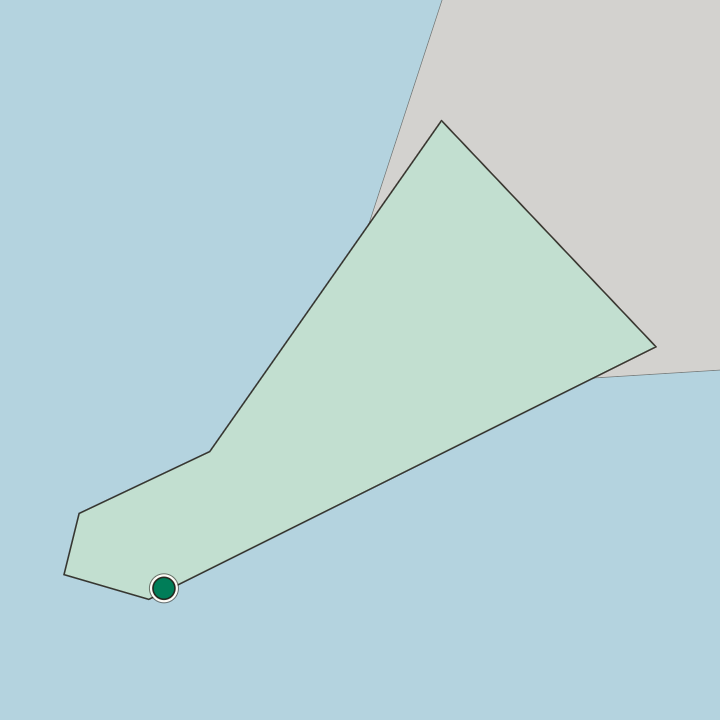
Conakry spreads its lodging across the port city along the West African coast, where the streets run out from the harbour toward the centre of Guinea's capital. The waterfront draws the traveller in. Near the harbour the trade of the port and the civic core of the city sit close together, and the Conakry National Museum and the Monument du 22 Novembre 1970 lie within reach of the central streets.
If you want the landmarks and the seafront of Conakry at hand, the blocks around the centre are the natural base. Farther out the city stretches along the coast toward its quieter edges. All Saints Cathedral rises among the buildings of the town, and beyond the built-up streets the Kakimbo cave marks the ground where the city meets the land around it.
Stay near the centre to reach the port and the museums quickly. Between the harbour and the outer reaches, the capital of Guinea holds its trade, its monuments, and its coastal setting close for a first visit to Conakry.
Find hotels in Conakry
Direct booking searches for these neighbourhoods.
the central streets by the harbour
The core blocks by the harbour gather Conakry's port trade with the Conakry National Museum and the Monument du 22 Novembre 1970, the civic heart of Guinea's capitalFind hotels in the central streets by the harbourTravellers who want quieter ground near All Saints Cathedral and the Kakimbo cave beyond the centrethe outer coast toward All Saints Cathedral
The outer streets pass All Saints Cathedral and reach toward the Kakimbo cave, where Conakry's built-up coast meets the land around itFind hotels in the outer coast toward All Saints CathedralHotel links are affiliate links: booking through them may earn us a commission, at no extra cost to you. It never affects how places are ranked. How this works
About Conakry
What is Conakry known for?
Conakry is known as the capital and largest city of Guinea and its economic, financial, and cultural centre. The port drives the city. As a harbour on the West African coast, Conakry handles the trade of the country and gathers its commerce, while the Conakry National Museum and the Monument du 22 Novembre 1970 mark its civic landmarks.
All Saints Cathedral stands among its buildings. The city is the heart of Conakry Region.
What are the main landmarks in Conakry?
Conakry gathers its landmarks between the harbour and the outer coast of Guinea's capital. The museum leads the list. The Conakry National Museum holds the collections of the country, the Monument du 22 Novembre 1970 stands among the civic monuments, and All Saints Cathedral rises among the city's buildings.
Beyond the streets the Kakimbo cave marks the natural ground at the city's edge. Together these landmarks trace Conakry from its port to its inland reach.
What is the history of Conakry?
Conakry grew from a harbour settlement on the West African coast into the capital and largest city of Guinea. The harbour gave the city its start. A port on the shore, it drew the trade of the country toward the coast and rose to become the economic, financial, and cultural centre of Guinea, so the whole of the nation's commerce came to pass through its streets and its harbour.
The city spread outward from the waterfront as its importance grew. Through the years Conakry gathered the buildings that still mark the city. The Monument du 22 Novembre 1970 records an event in the city's past, the Conakry National Museum holds the collections of the country, and All Saints Cathedral stands among the older structures of the town.
Its role never moved from the coast. From a harbour on the West African shore, Conakry has stayed the capital of Guinea and the heart of the country's trade, its port still the centre of the nation's commerce.
Where is Conakry?
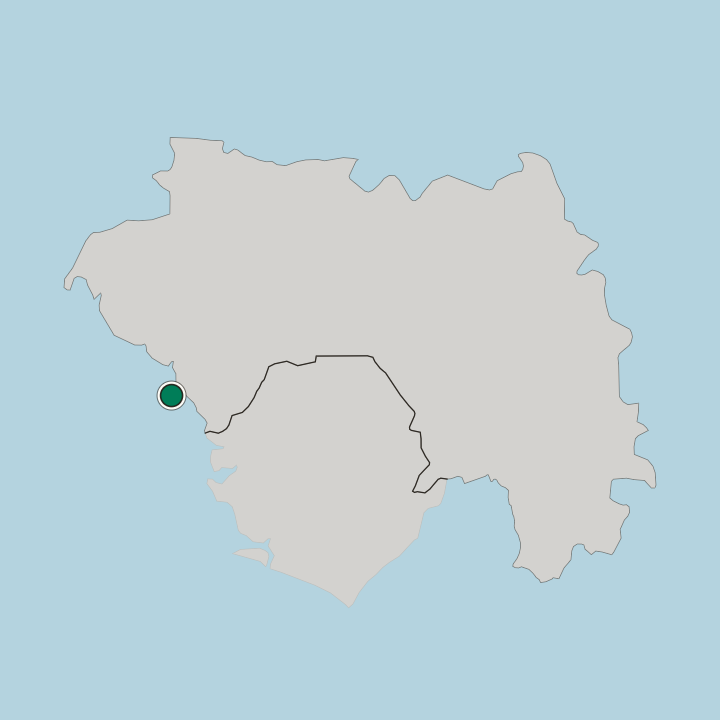
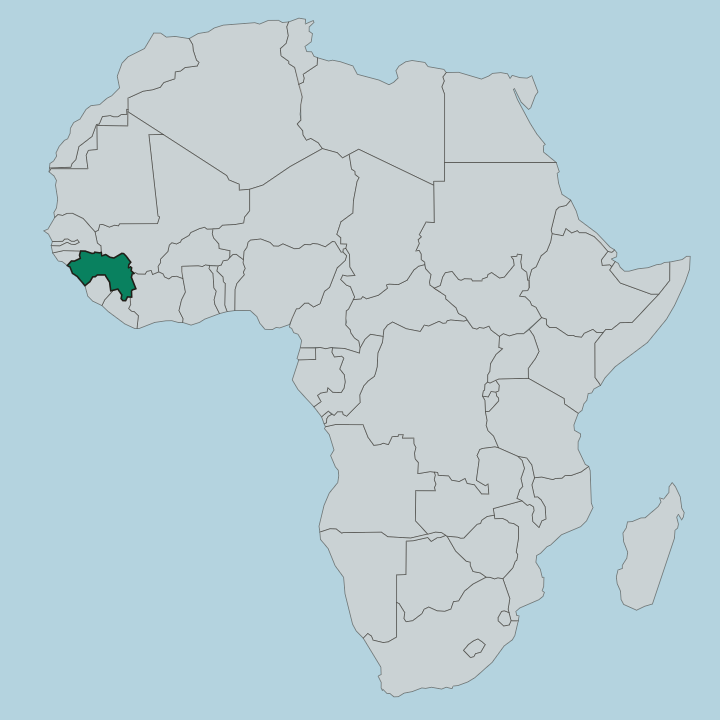
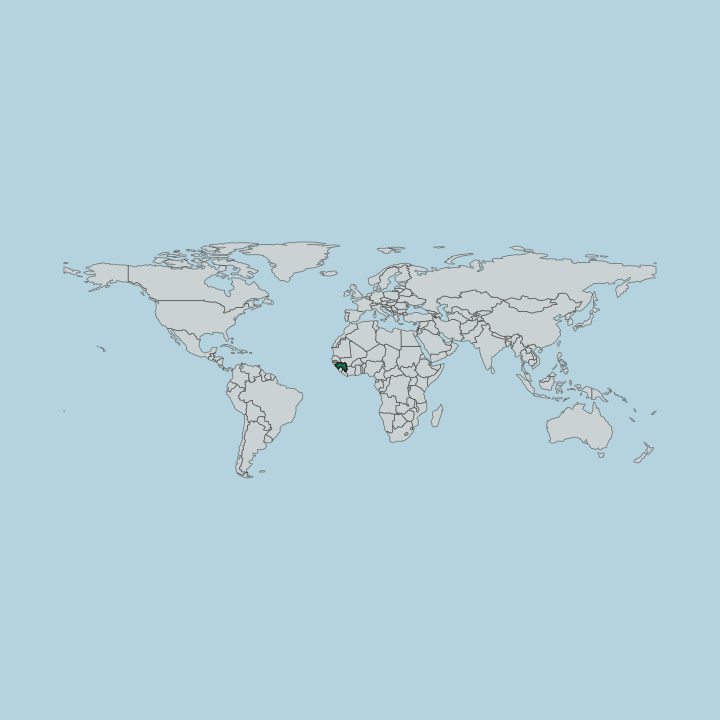
Conakry stands on the West African coast as the port capital of Guinea. The sea bounds the city. Its harbour opens onto the coast, the streets run back from the water across the low coastal ground, and the Kakimbo cave marks the land at the city's inland edge.
As the largest city of Guinea, Conakry faces the ocean from the shore and gathers the trade of the coast at its port.
What is the climate of Conakry?
Conakry has a tropical climate set by its low position on the West African coast. Warmth holds year round. Heavy seasonal rains sweep the shore and the harbour off the sea, while a drier stretch breaks the year between the wetter months, and the ocean keeps the air humid across the port capital of Guinea.
The coast draws in the same rains. This wet warmth marks the city through the seasons.
How do you get to Conakry?
Conakry is reached by sea, air, and road as the port capital of Guinea on the West African coast. The harbour is the main approach. Ships call at the port of the city, air links tie Conakry to the wider country and beyond, and roads run inland from the coast into the rest of Guinea.
The sea carries the trade. From the shore the routes reach out across the country from Conakry.
Common questions
What is the best area to stay in Conakry?
the central streets by the harbour: First-time visitors who want the port, the Conakry National Museum, and the Monument du 22 Novembre 1970 within reach. the outer coast toward All Saints Cathedral: Travellers who want quieter ground near All Saints Cathedral and the Kakimbo cave beyond the centre.
Good for
Updated September 2026