Greece · Central Greece
Where to Stay in Lamía, Central Greece
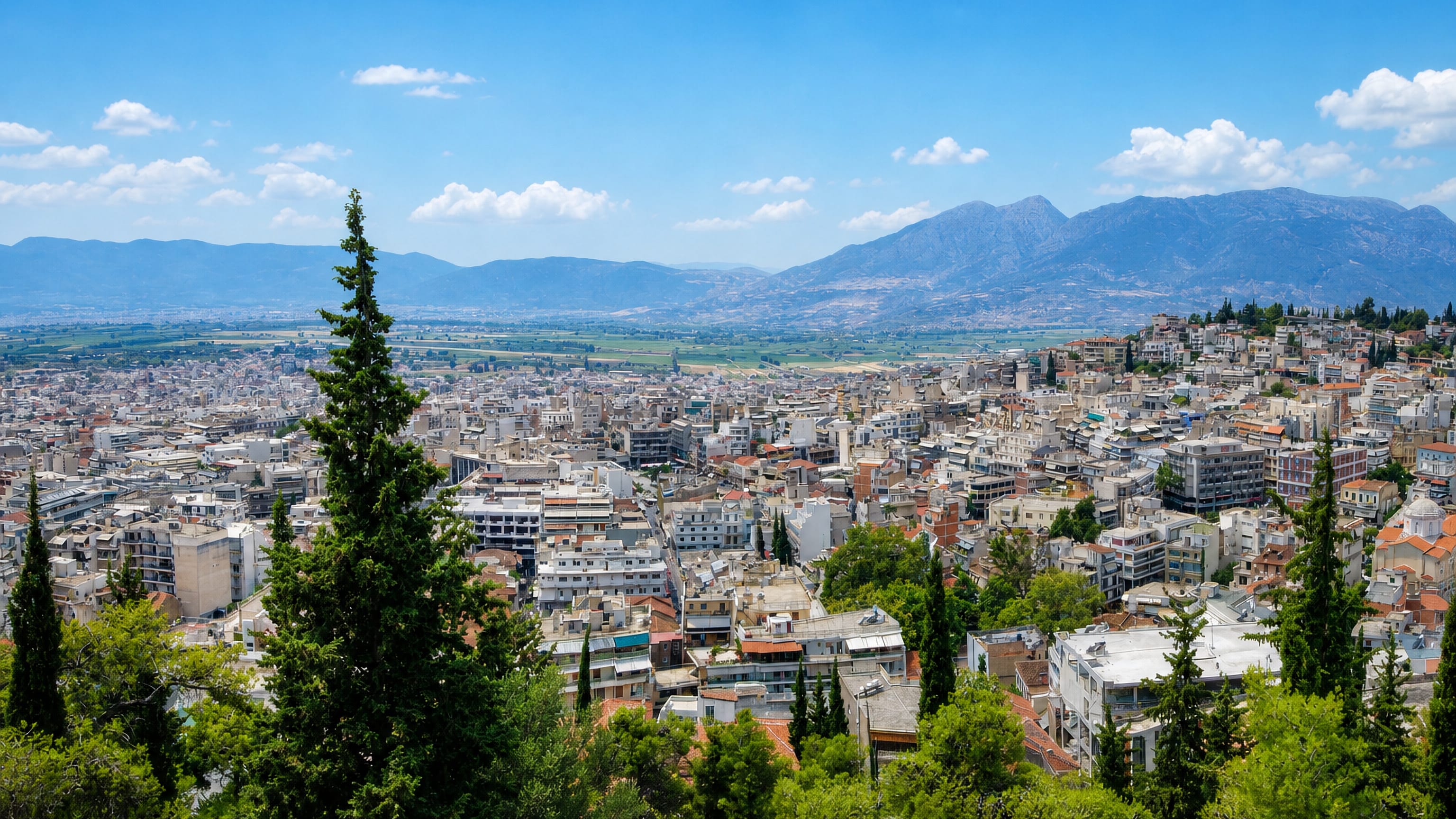
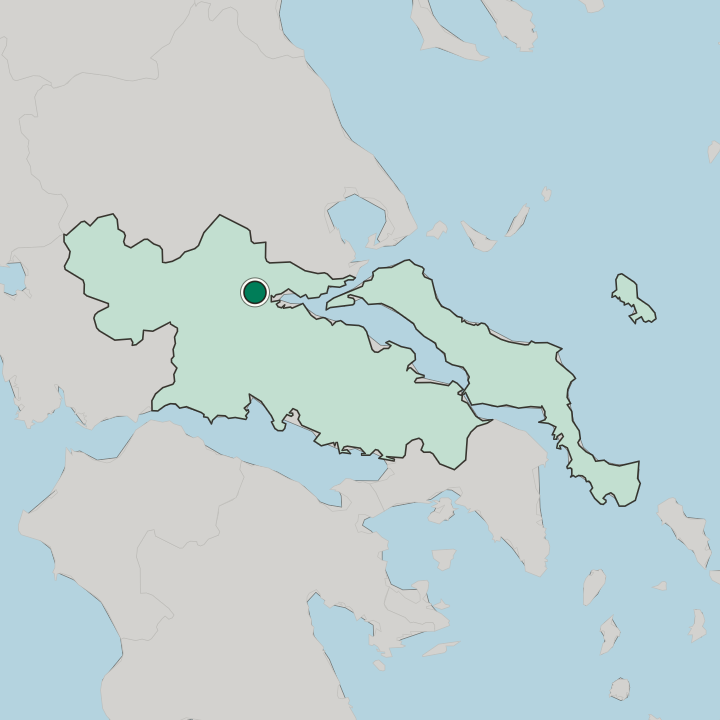
Lamía, capital of Phthiotis and of the Central Greece region, stands on the slopes of Mount Othrys above the farmland of the Spercheios.
Hotel links are affiliate links: booking through them may earn us a commission, at no extra cost to you. It never affects how places are ranked. How this works


Where to stay in Lamía
Where the beds are, and what that means for the visit.
The slope under the Castle of Lamia is where most people end up. Streets climbing towards the fortress keep the Metropolitan Cathedral of Lamia, the squares and the Archaeological museum of Lamia inside a short walk, and the gradient means half the rooms on this side look out over the Spercheios plain instead of at the building opposite. Climbs are steady rather than steep.
A stay here is walkable in every direction that matters. Lower down, the flat blocks towards the plain trade the view for parking and easier access by car, which suits anyone touring the villages of Phthiotis or arriving late from the Mount Othrys road. Beds are fewer than the size of the city suggests, because the trade here is agricultural rather than touristic and much of it comes and goes within a day.
Weekday demand can be the awkward kind. Rooms near the Chalkiopoulio Sports Hall fill around fixtures. Quieter still are the streets around the Church of Panagia Despina and the Church of Panagia Archontiki, residential and largely local, where a room means eating where the town eats rather than where visitors do.
Nothing there is far from the centre. The whole built-up area can be crossed on foot in well under an hour, so the choice between the castle slope and the plain is about outlook and parking rather than distance.
Find hotels in Lamía
Direct booking searches for these neighbourhoods.
Under the Castle of Lamia
The climbing streets below the Castle of Lamia, with the Metropolitan Cathedral of Lamia and the museum in walking range.Find hotels in Under the Castle of LamiaDriving tours out into Phthiotis and Mount OthrysThe lower blocks
Flat ground towards the plain where parking is easy and the Chalkiopoulio Sports Hall marks the edge of the centre. Few places to stay nearby — book ahead.Find hotels in The lower blocksLocal evenings away from the museum and castle trafficPanagia Archontiki streets
Residential blocks around the Church of Panagia Archontiki and the Church of Panagia Despina, close in but off the visitor route. Rooms are few around here — worth securing early.Find hotels in Panagia Archontiki streetsHotel links are affiliate links: booking through them may earn us a commission, at no extra cost to you. It never affects how places are ranked. How this works
Things to do in Lamía
Ranked by global recognition; descriptions from Wikidata (CC0).
Museums & Galleries
1- Archaeological museum of Lamia
Churches & Religious Sites
3- Church of Panagia Archontiki
- Church of Panagia Despina
- Metropolitan Cathedral of Lamia
Castles & Historic Sites
1- Castle of Lamia Heritage
Stadiums & Sports
1- Chalkiopoulio Sports Hall
worth knowingacross 4 categories in Lamía
About Lamía
A castle above a farming plain.
What is Lamía known for?
The Castle of Lamia holds the high ground over the town, and below it the Spercheios waters a fertile stretch of arable and livestock country for which the city does the buying, selling and administration on behalf of the whole of Phthiotis. Markets set the weekly rhythm. Visitors come for the fortress and the Archaeological museum of Lamia rather than for a beach, which keeps the place working rather than seasonal.
What are the main landmarks in Lamía?
The Castle of Lamia is the one every approach shows first, sitting on the hill that the city grew around and giving the clearest reading of the Spercheios valley below. Inside the town, the Archaeological museum of Lamia gathers what the surrounding country has produced, while the Metropolitan Cathedral of Lamia serves as the seat of the church for Phthiotis. Two older parishes hold their own corners.
The Church of Panagia Despina and the Church of Panagia Archontiki are the ones worth the detour. Sport has the Chalkiopoulio Sports Hall.
What is the history of Lamía?
Lamía goes back to antiquity, and the reason is under everyone's feet. A hill with water and good land at its foot is worth holding, and the fortified summit that became the Castle of Lamia commands both the Spercheios and the ground rising towards Mount Othrys, which made the site useful to every power that wanted this part of Greece. The hill was never abandoned.
Successive garrisons rebuilt the same enclosure rather than starting again elsewhere, and the castle a visitor walks through is the sum of those rebuildings rather than a single design. The town below grew as the market for its own countryside. Grain, stock and the trade that follows them fixed the pattern of the streets long before any modern administration arrived, and the churches record the phases of that growth: the Church of Panagia Despina and the Church of Panagia Archontiki belong to the older fabric, while the Metropolitan Cathedral of Lamia marks the city's rise to ecclesiastical rank over Phthiotis.
What the ground has given up over the centuries is kept in the Archaeological museum of Lamia, which collects the finds of the surrounding district rather than of the city alone. Administrative weight followed the same logic: as the natural centre of the Spercheios country, Lamía took the capital's role for the regional unit of Phthiotis and then for the whole Central Greece region. Farming still pays the bills.
Where is Lamía?
Two features fix the city. Mount Othrys supplies the slope the built-up streets climb, and the Spercheios supplies the flat, fertile ground below them, so Lamía occupies the join between upland grazing and irrigated arable land across a municipality of more than four hundred square kilometres. Phthiotis spreads out from that seam.
Villages of the plain and the hill country alike look to this one centre, which is why a city of modest size carries the functions of a much larger one.
What is the climate of Lamía?
Mount Othrys and the Spercheios valley split the year between them. Air draining off the mountain cools the upper streets at night while the valley floor holds the day's heat over the fields, which gives the city warmer summer afternoons and cooler mornings than its temperate position alone would suggest. Rain belongs to the cold months.
Snow settles on the higher ground of Othrys more readily than on the town, and the growing season on the Spercheios land runs long enough to keep the farming calendar busy for most of the year.
How do you get to Lamía?
Roads through the Spercheios valley carry almost everyone in. The city functions as the road hub of Phthiotis, so buses and cars from the villages of the plain and the Mount Othrys slopes converge on it daily, and the Castle of Lamia is visible long before the first streets are. Arrivals from elsewhere in Central Greece use the same corridor.
Distances inside the city are walkable. Drivers do better leaving the car on the flat ground below rather than attempting the climb towards the fortress.
Common questions
What is the best area to stay in Lamía?
Under the Castle of Lamia: Views down the Spercheios plain from the fortress slope. The lower blocks: Driving tours out into Phthiotis and Mount Othrys. Panagia Archontiki streets: Local evenings away from the museum and castle traffic.
Good for
Another city in Central Greece
Updated September 2026