Greece: Regions, Cities & Travel Guide
Sea and islands define Greece, a country on the Balkan peninsula in Southeast Europe with the longest coastline on the Mediterranean.
Hotel links are affiliate links: booking through them may earn us a commission, at no extra cost to you. It never affects how places are ranked. How this works


Top destinations in Greece
Cities to start from, then drill into areas and hotels.
 Greece
Athens
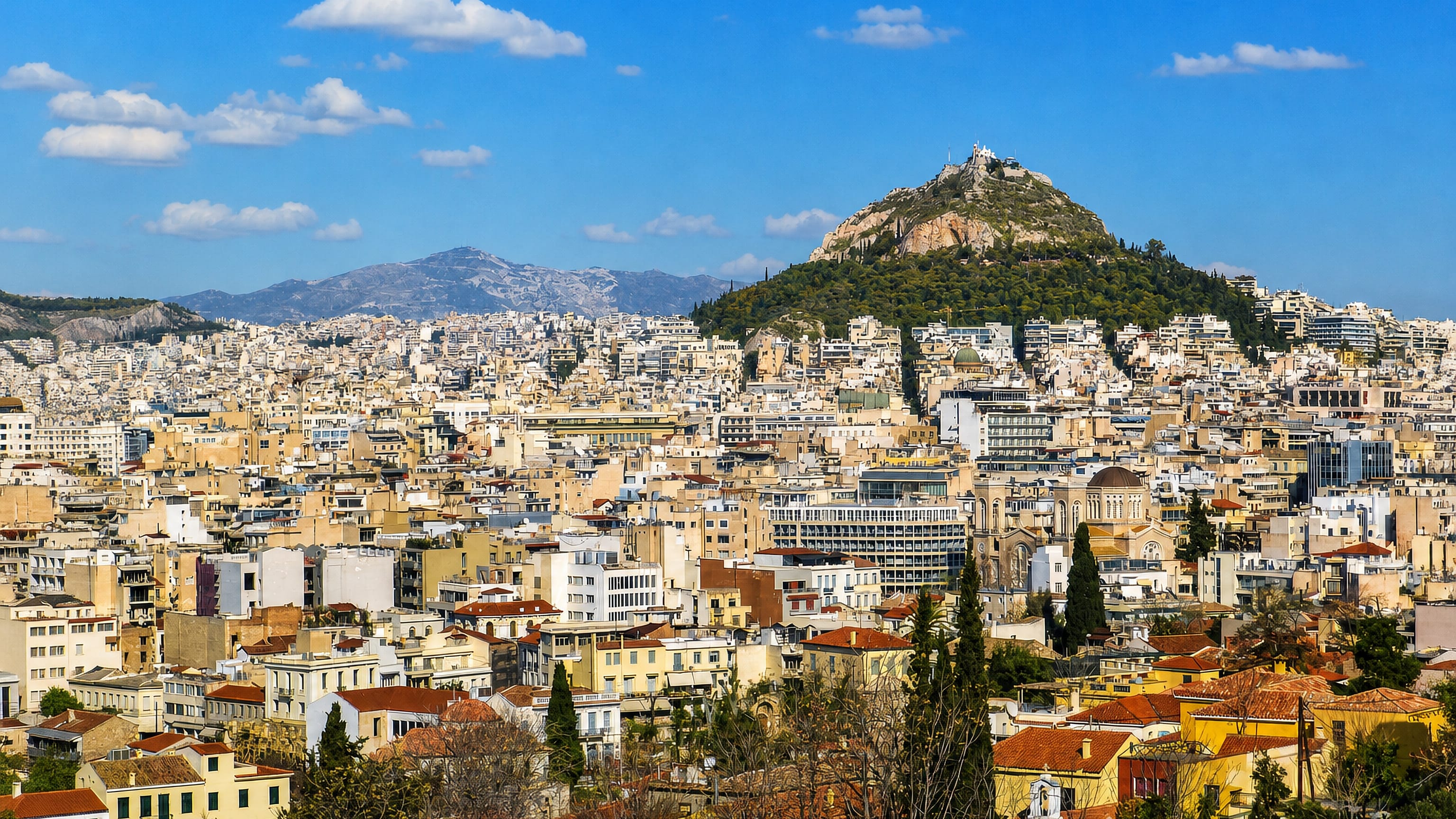
Marble temples crown the Acropolis above Athens, the capital of Greece and a coastal city on the Mediterranean shaped by Classical Greece.Where to stay →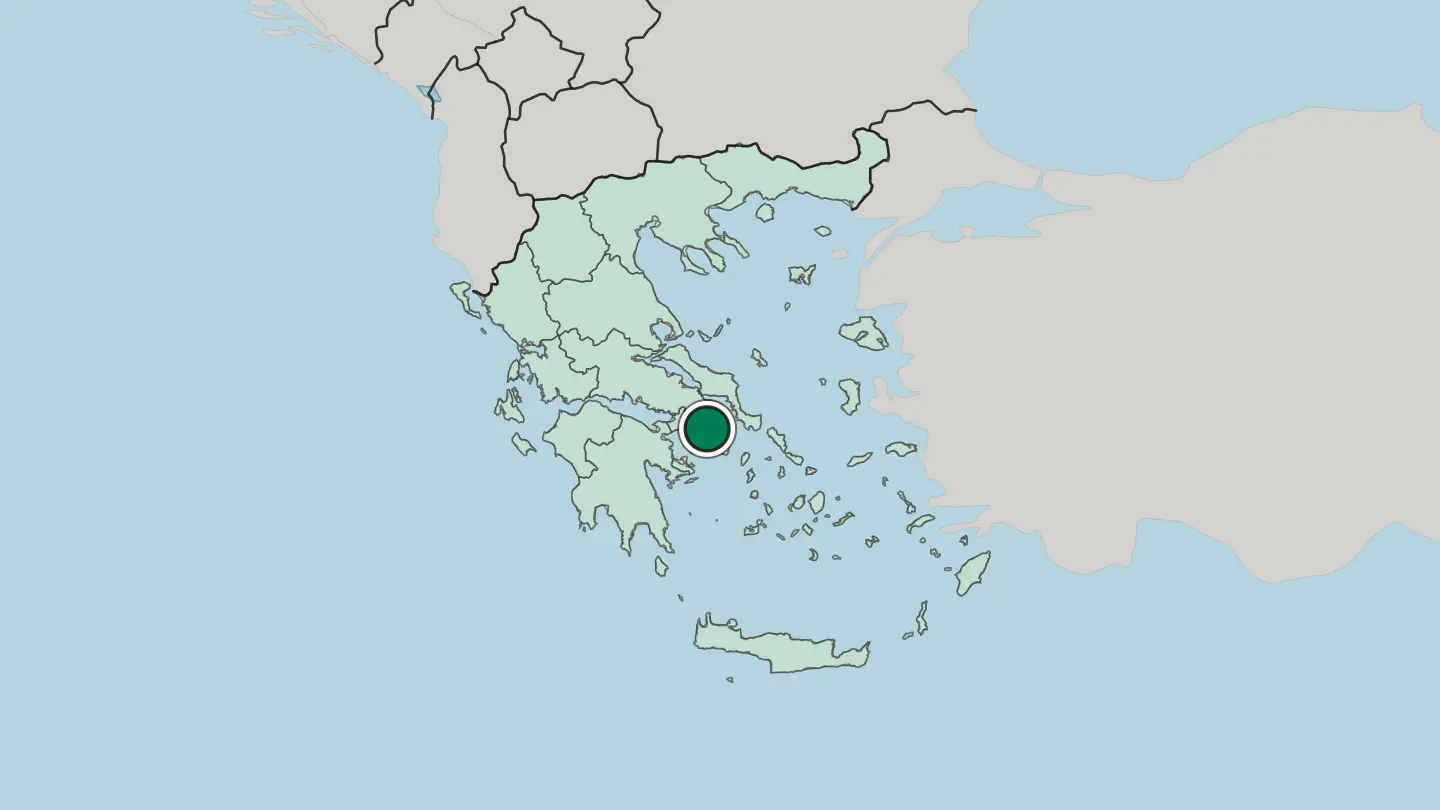
 Greece
Thessaloníki
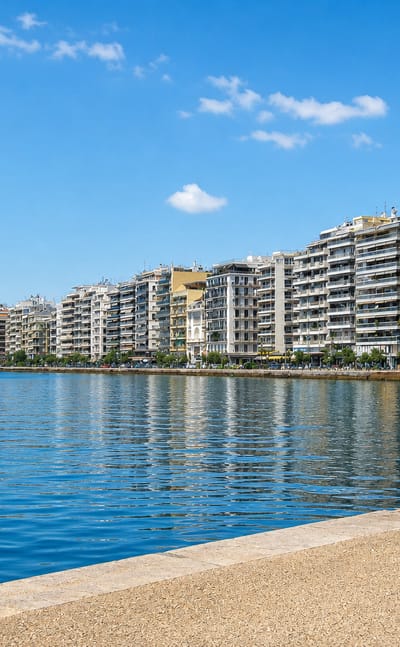
The White Tower of Thessaloniki holds the waterfront of Greece's second city, capital of Central Macedonia, known for its UNESCO Byzantine churches.Where to stay →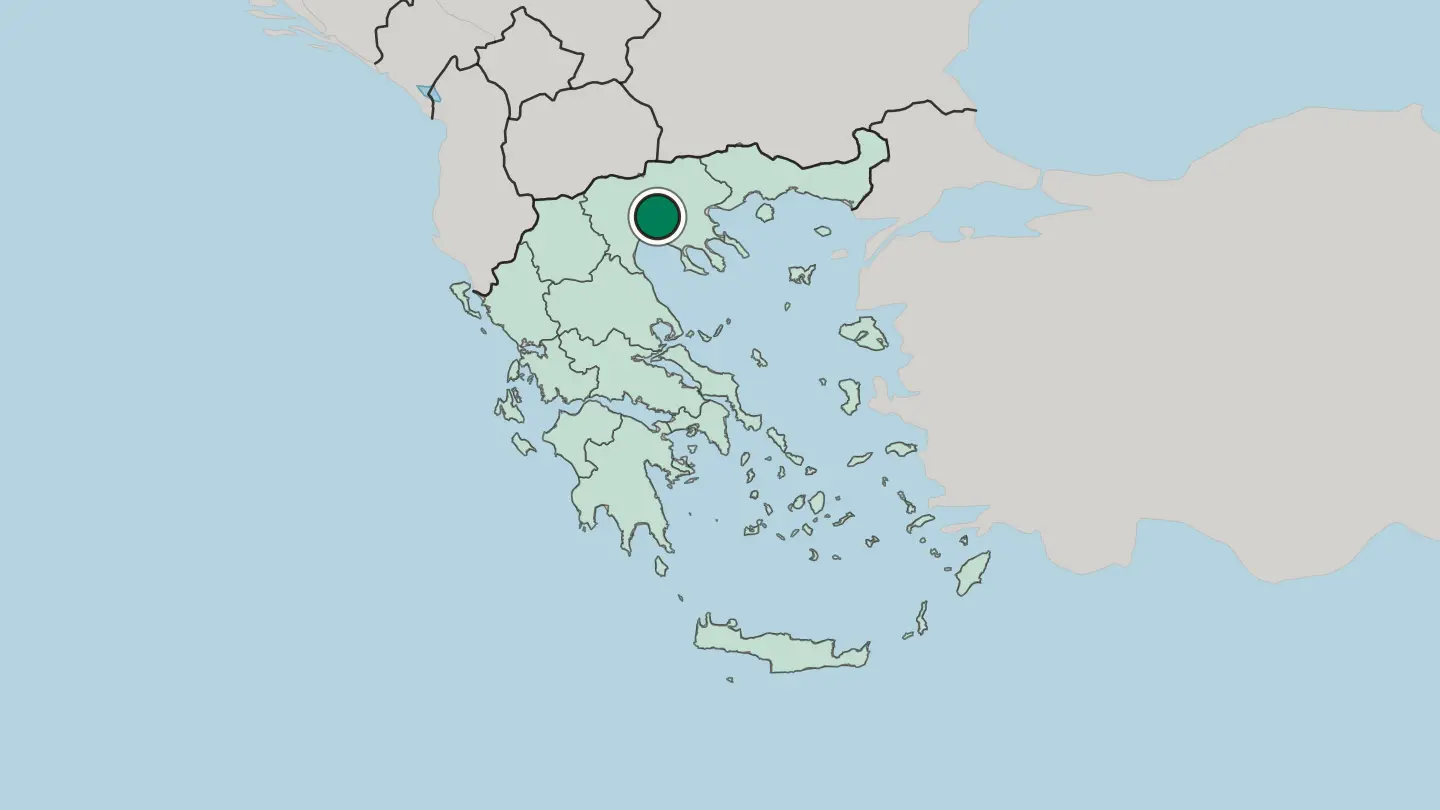
 Greece
Irákleion
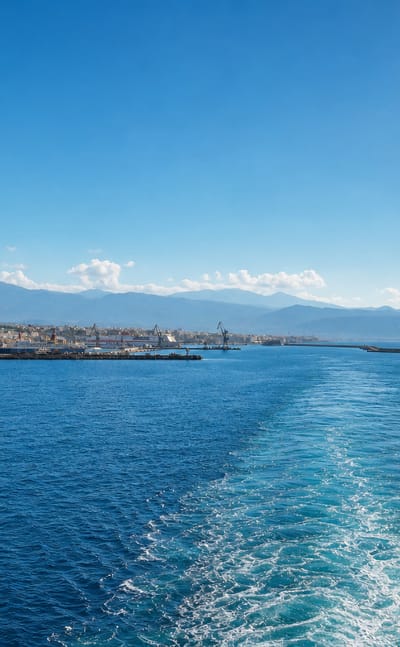
Venetian ramparts ring the old harbour at Irákleion, the capital of Crete, known for the Heraklion Archaeological Museum and nearby Knossos.Where to stay →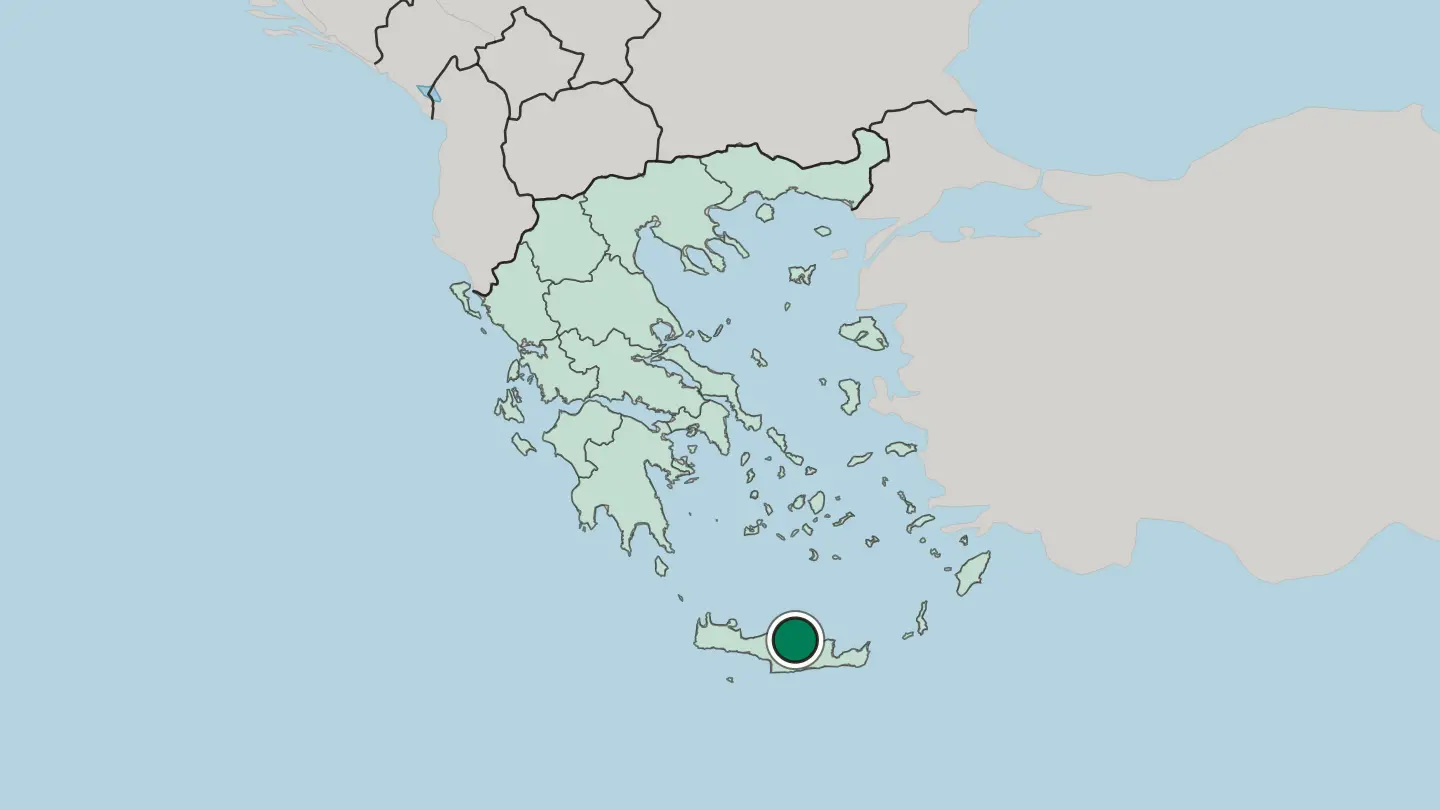
 Greece
Piraeus
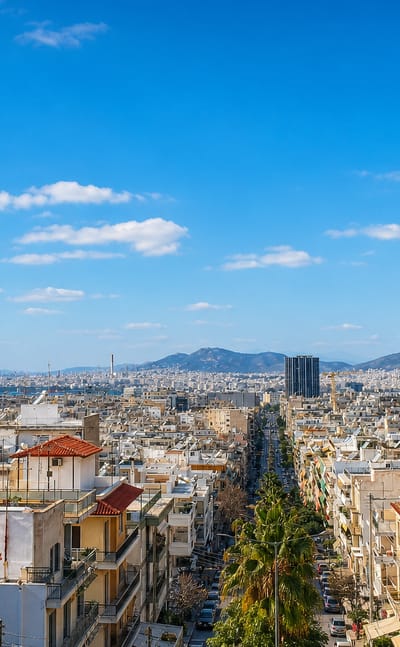
Ferries crowd the quays at Piraeus, the port city of Athens on the Saronic Gulf, in the Attica region and the main sea exit toward the Aegean.Where to stay →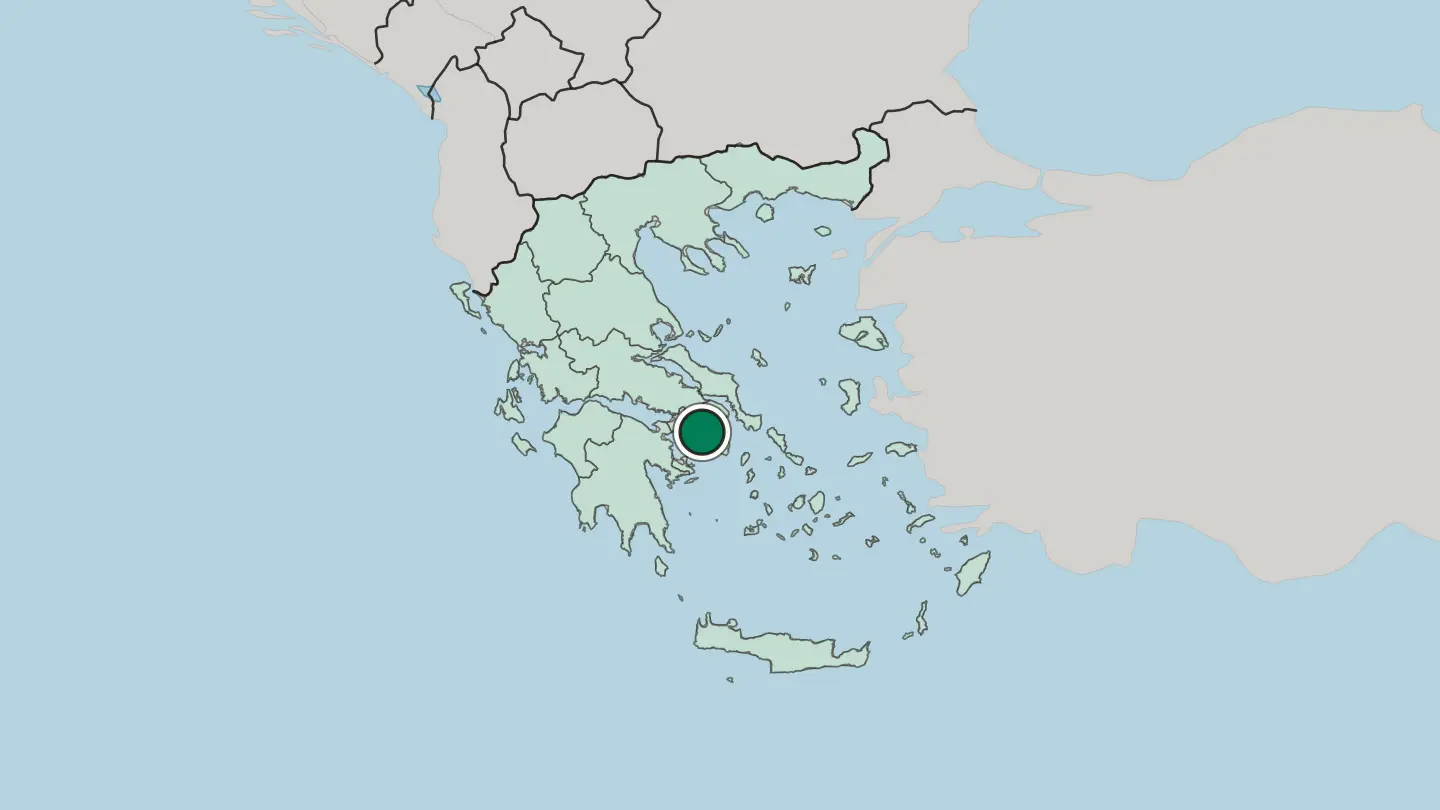
 Greece
Chaniá
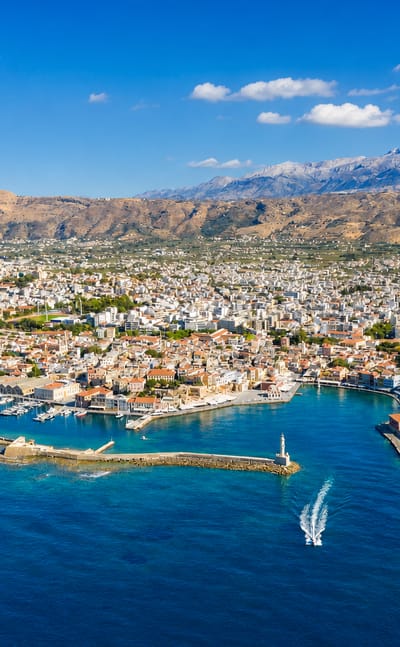
A Venetian harbour curves through Chaniá, a port town on the northwest coast of Crete, capital of the Chania regional unit with an old Ottoman quarter.Where to stay →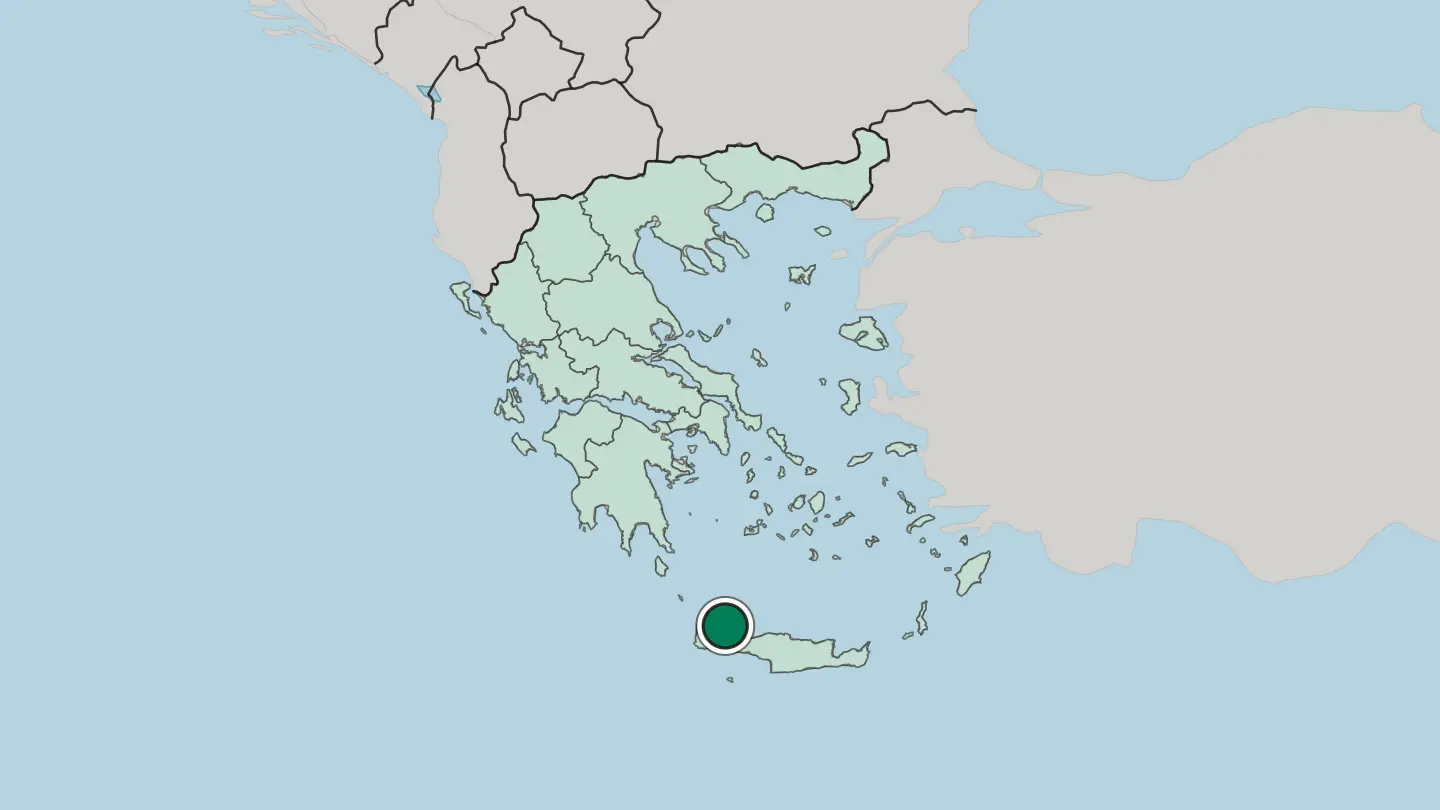
 Greece
Pátra
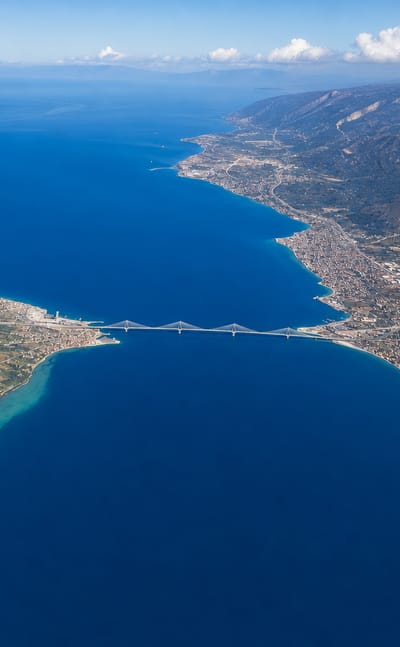
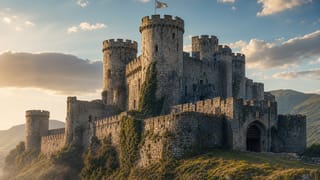
Patras Castle looks down over the Gulf of Patras, a port city at the foot of Mount Panachaikon in the northern Peloponnese, known for its Carnival.Where to stay →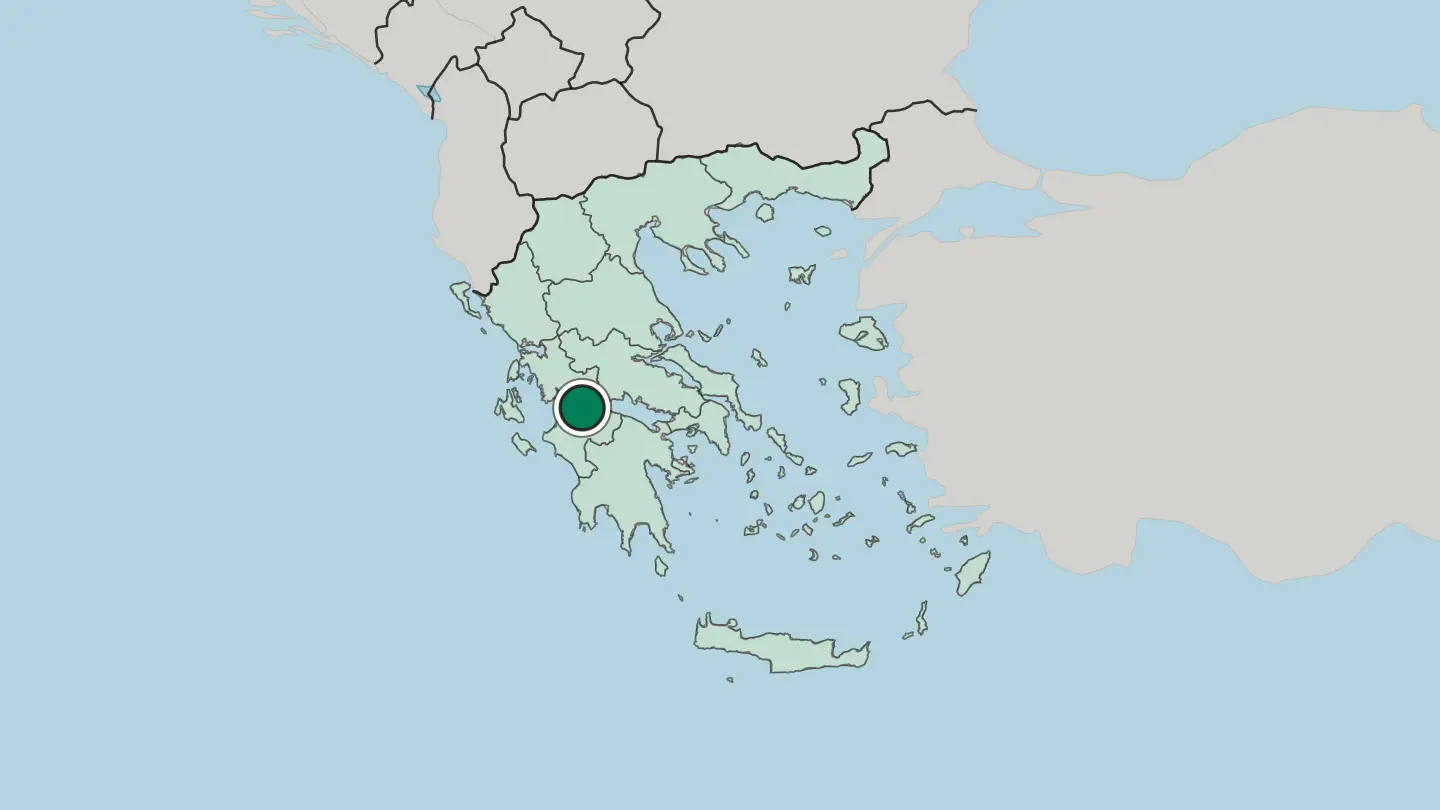
 Greece
Ródos
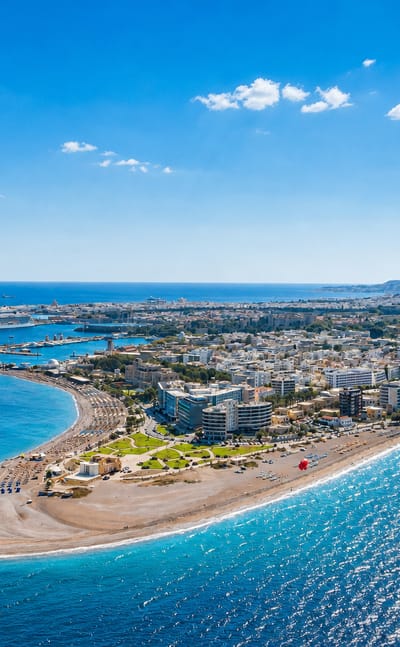
Medieval walls enclose the old town of Ródos, the main city of Rhodes in the South Aegean and historical capital of the Dodecanese islands.Where to stay →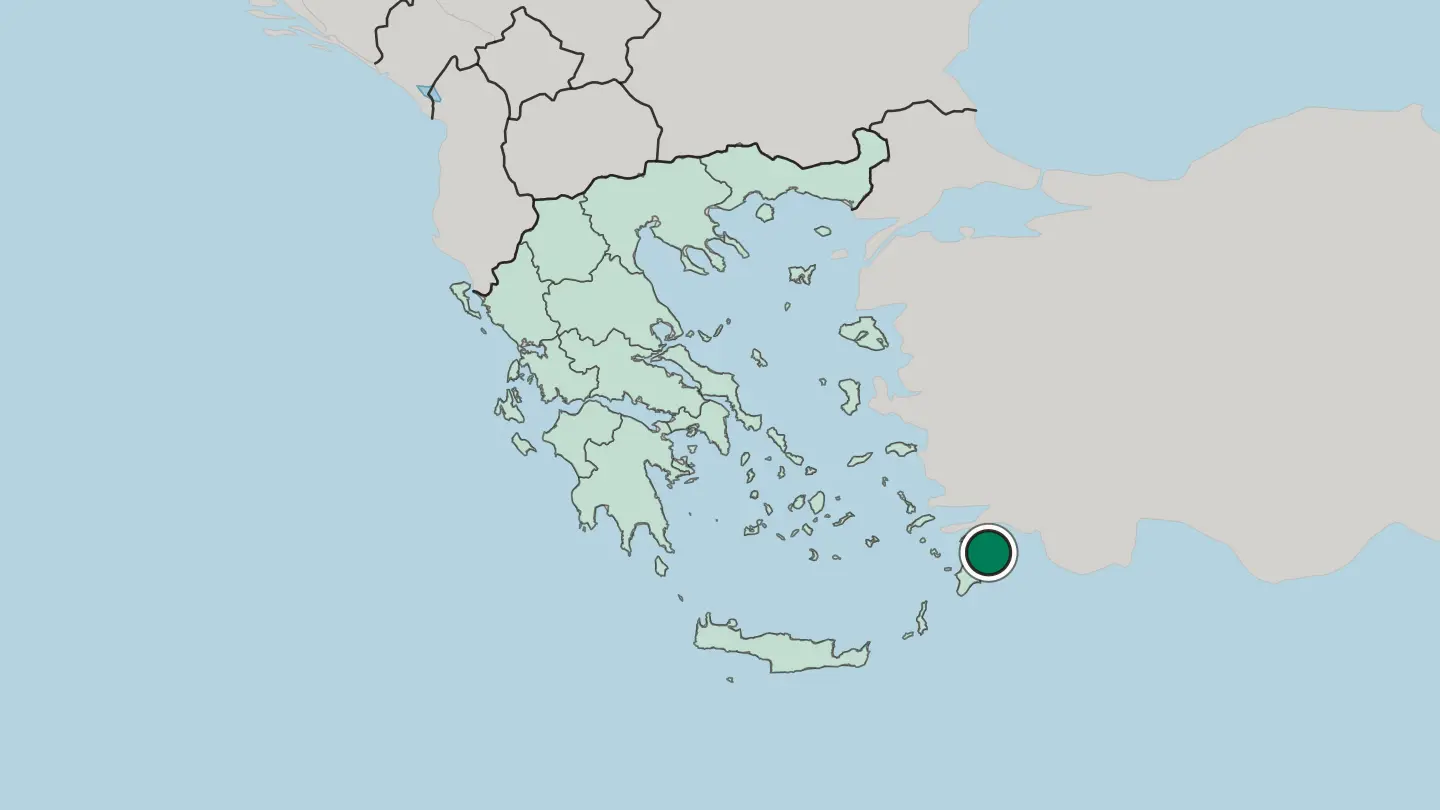 Greece
Lárisa
Frourio Hill rises over the Pineios in Lárisa, capital of Thessaly, a farming and university city known for its ancient theatre and lively cafes.Where to stay →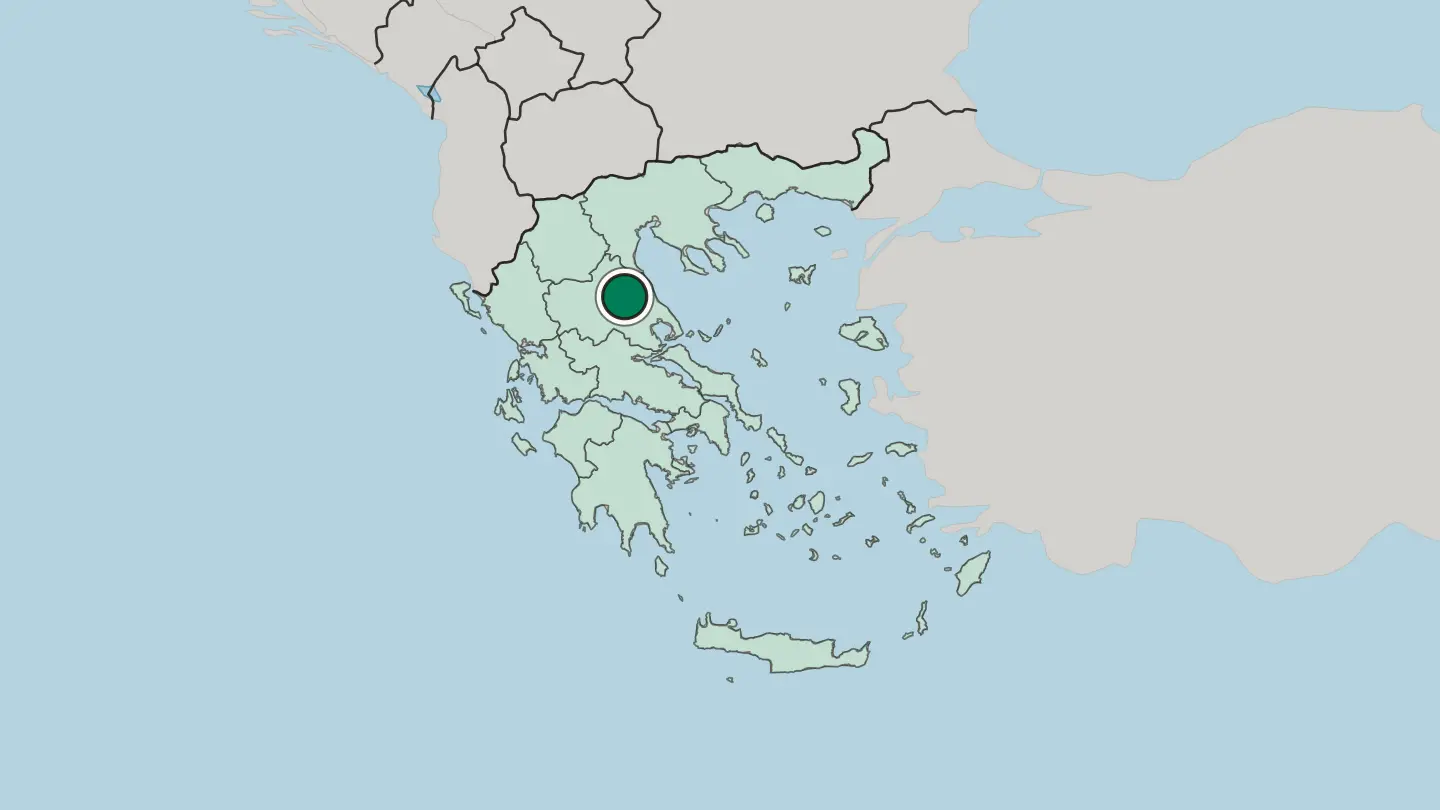
 Greece
Kavála
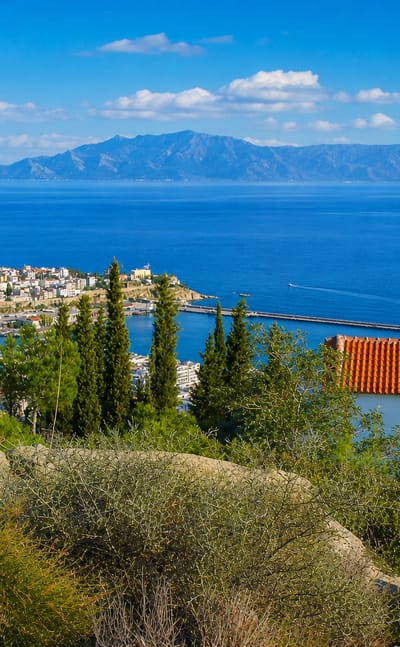
Old houses climb the Panagia peninsula at Kavála, the chief seaport of eastern Macedonia in northern Greece and capital of the Kavala regional unit.Where to stay →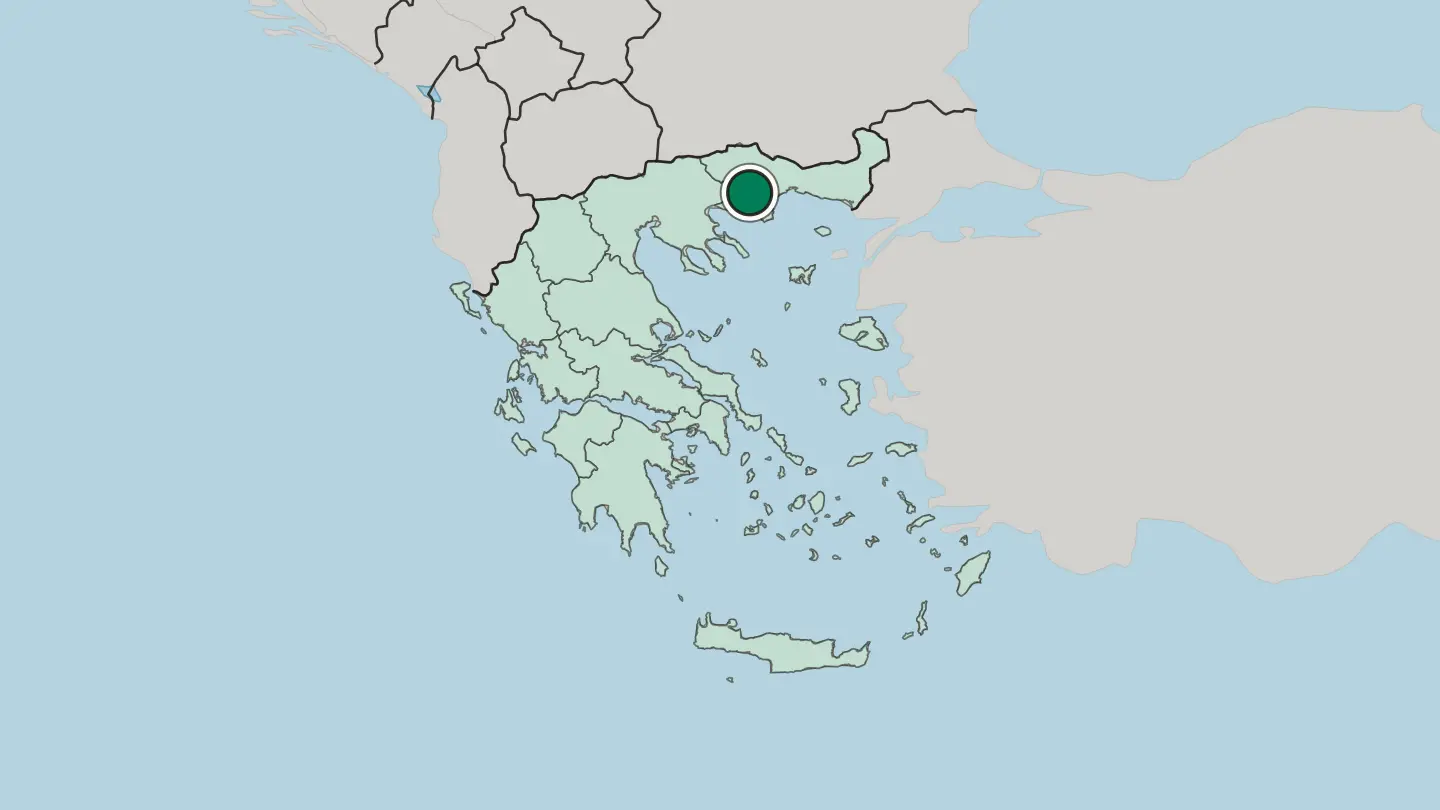
Hotel links are affiliate links: booking through them may earn us a commission, at no extra cost to you. It never affects how places are ranked. How this works
Regions of Greece
Greece
Attica
Attica reaches into the Aegean Sea around Athens, a historic region of Greece built around the city that became its capital.Towns & cities →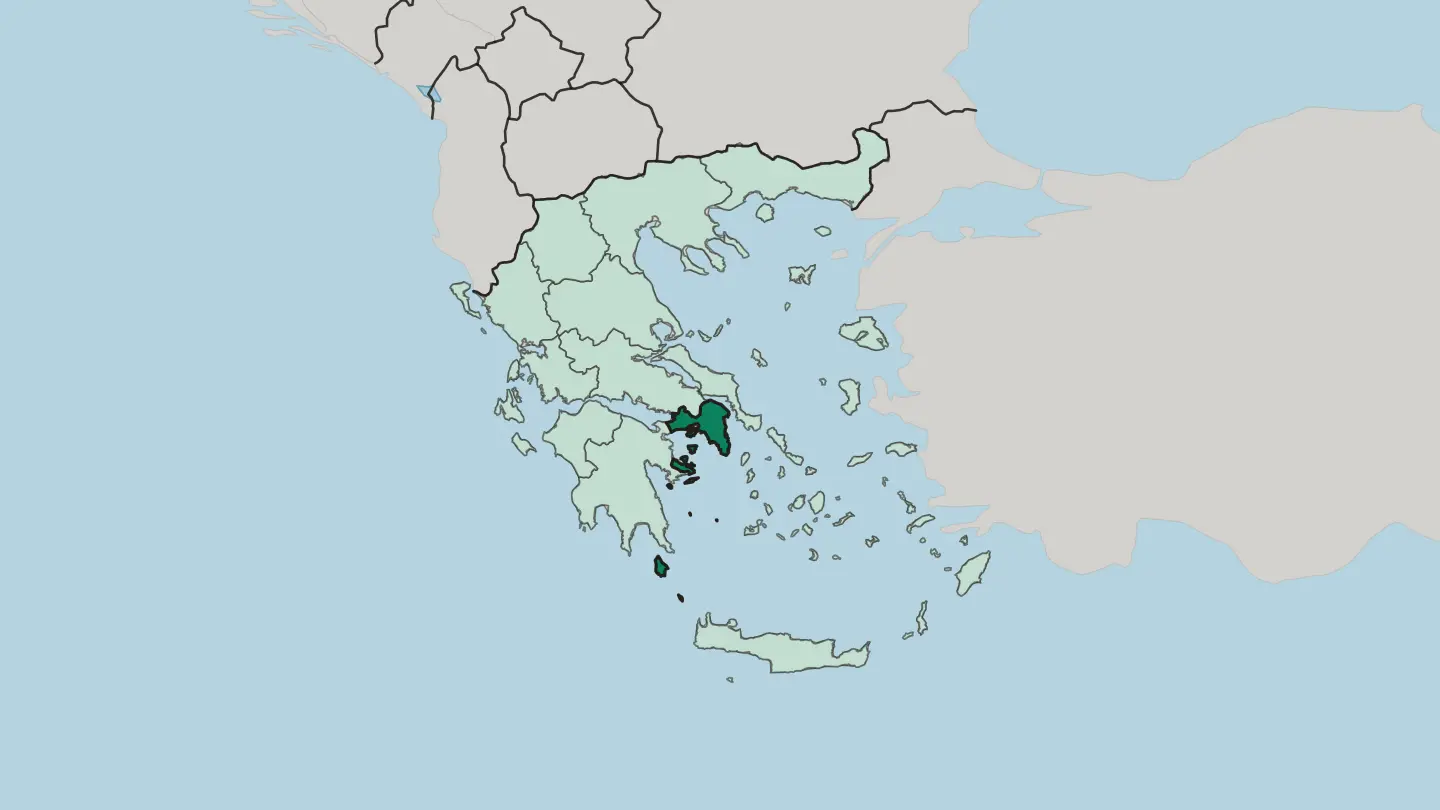
 Greece
Central Greece
Central Greece is the mainland region between Athens and Thessaly, holding Delphi, Mount Parnassus and the island of Euboea.Towns & cities →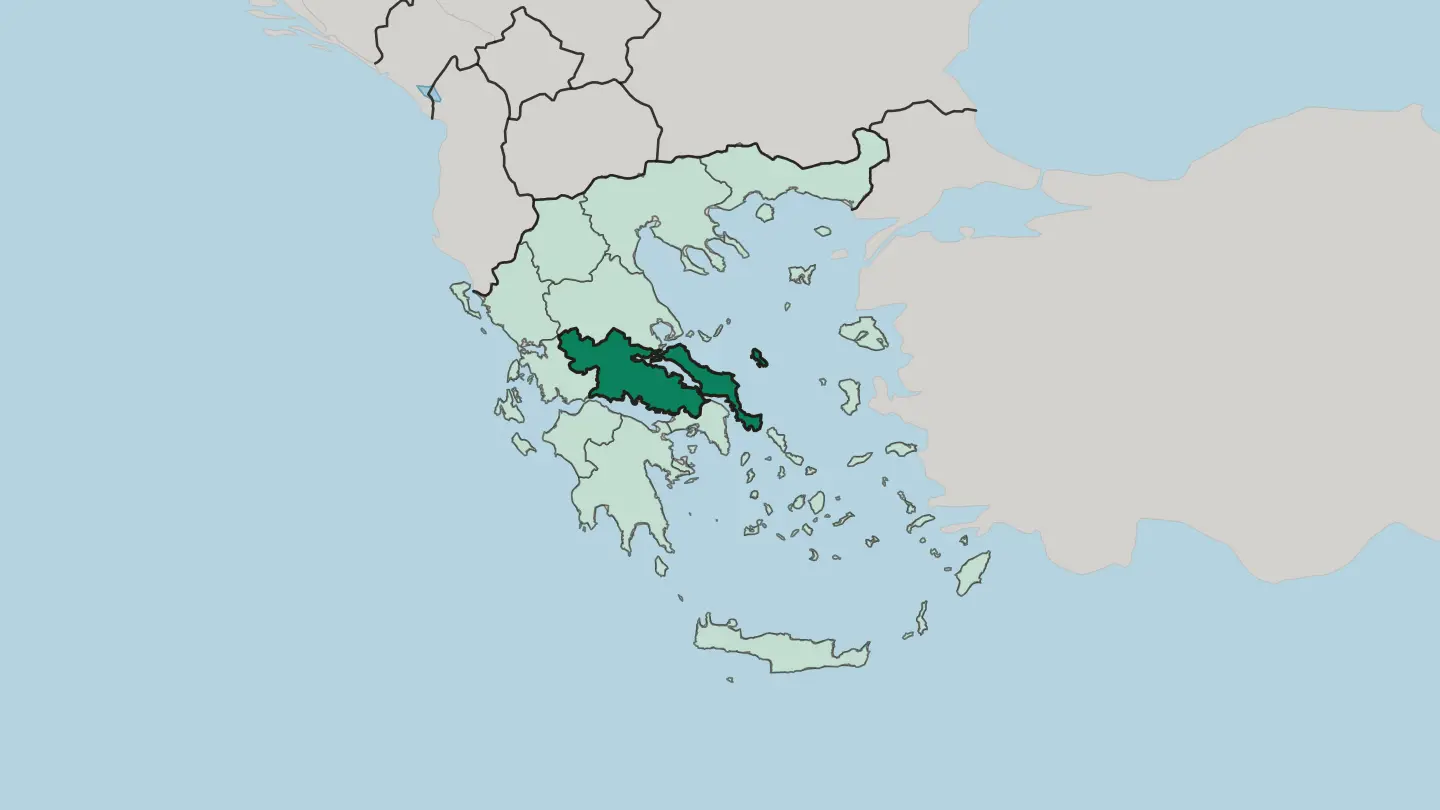 Greece
Central Macedonia
Central Macedonia is northern Greece's largest region, centred on Thessaloniki and the beaches of the Chalkidiki peninsula.Towns & cities →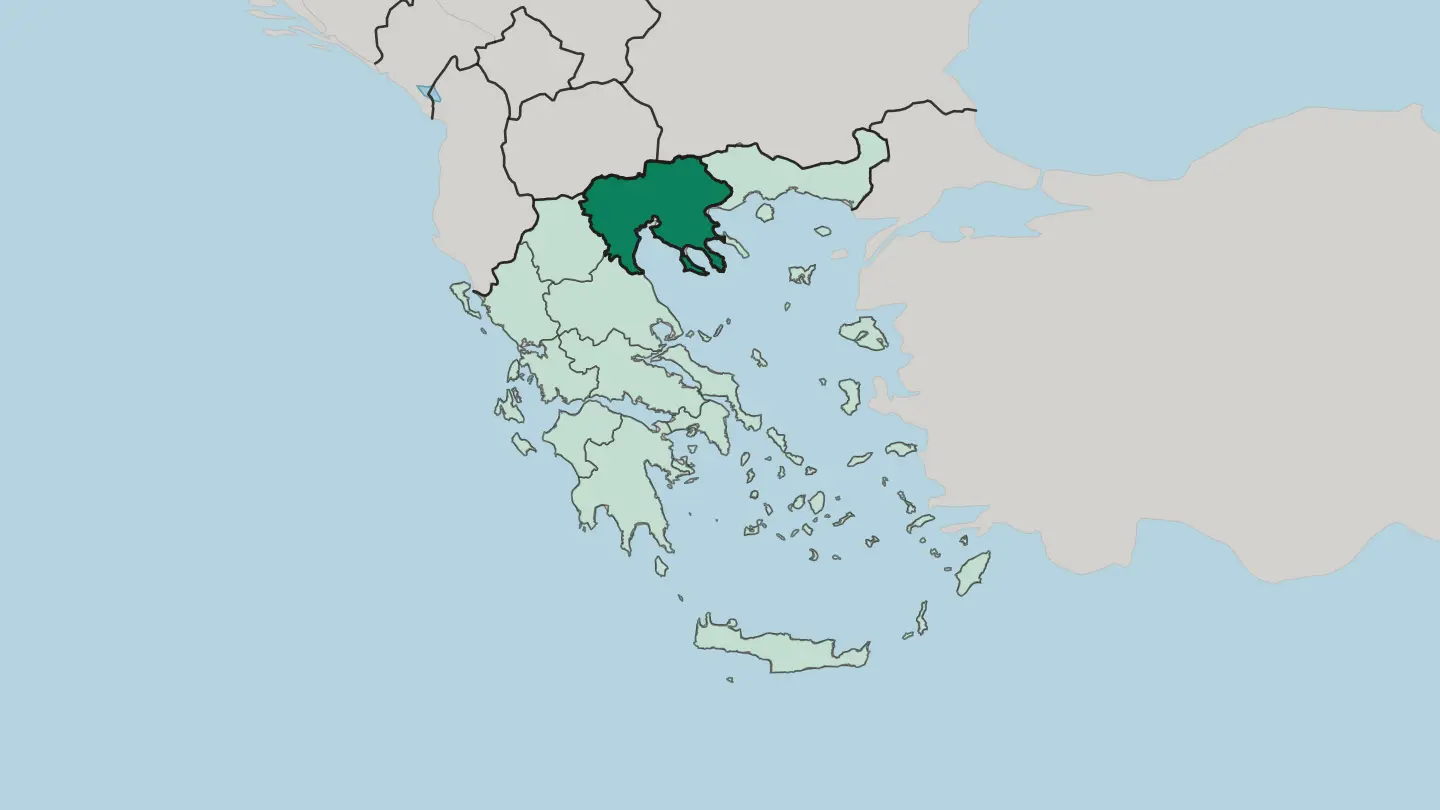 Greece
Crete
Crete is the largest island of Greece, a long mountainous ridge between the Sea of Crete and the Libyan Sea.Towns & cities →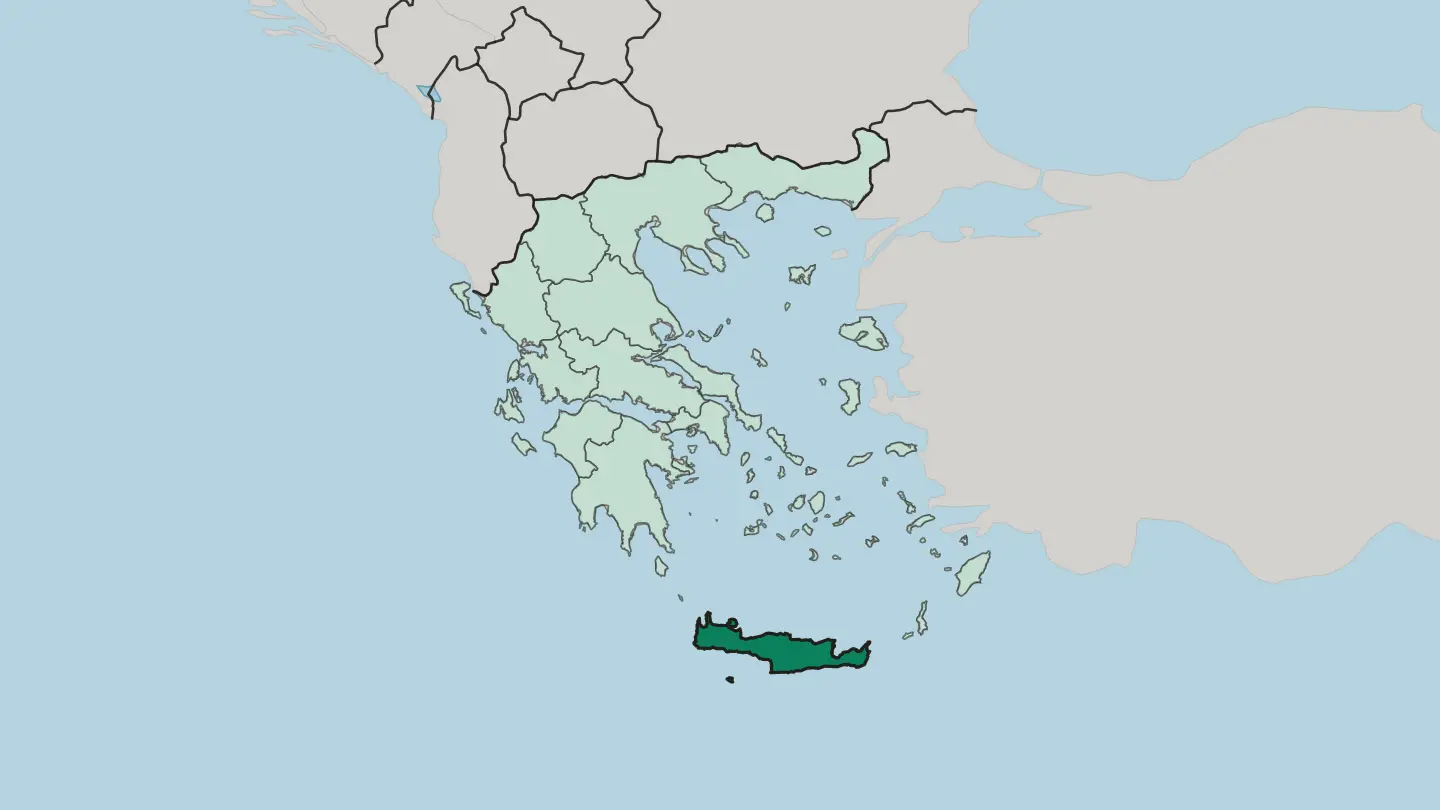 Greece
Eastern Macedonia and Thrace
Eastern Macedonia and Thrace is Greece's north-eastern corner, running from the Néstos to the Évros river along the Aegean Sea.Towns & cities →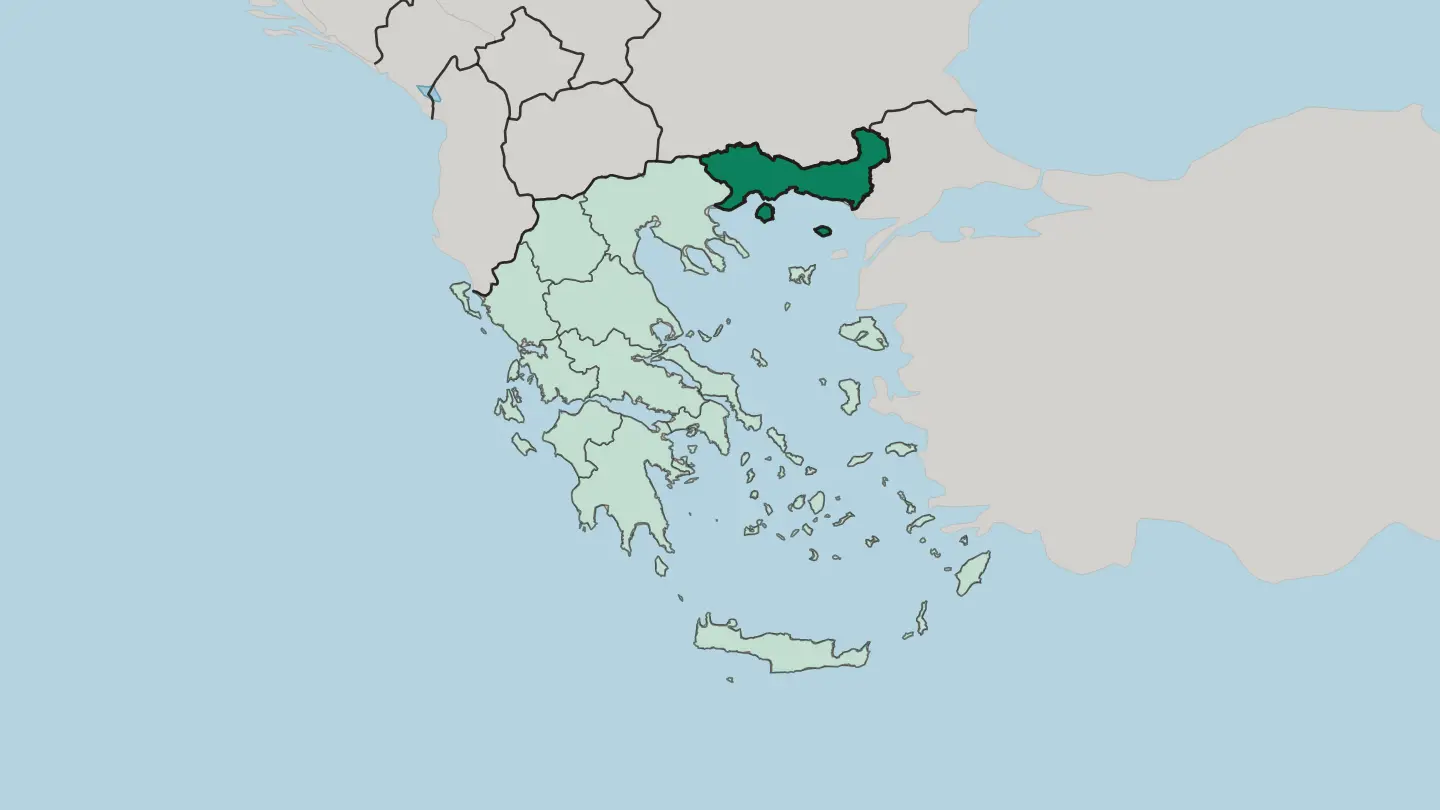
 Greece
Epirus
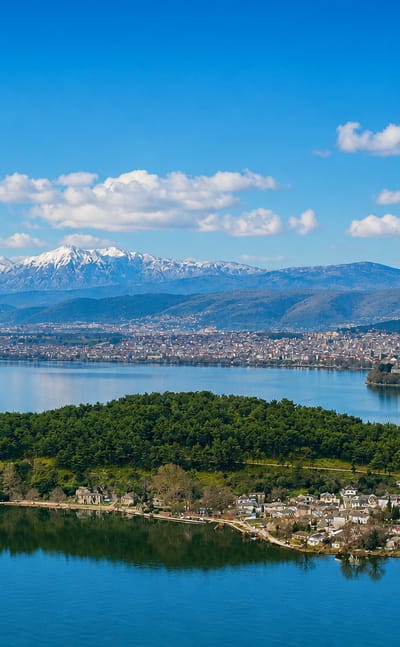
Epirus is the mountainous northwest corner of Greece, where the Pindus range drops to the Ionian Sea around the city of Ioannina.Towns & cities →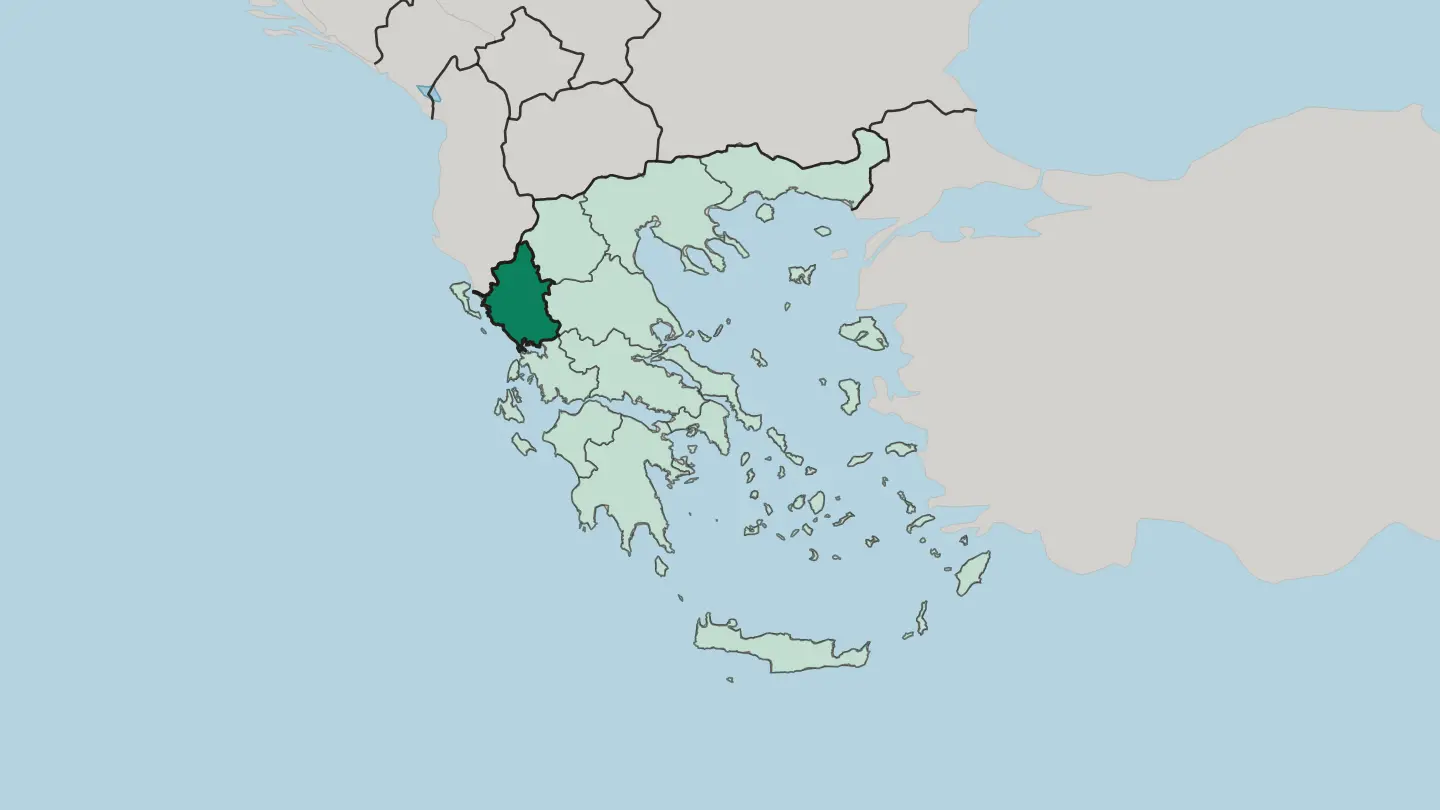 Greece
Ionian Islands
The Ionian Islands are a green Greek archipelago in the Ionian Sea, west of the mainland, with Corfu as their capital.Towns & cities →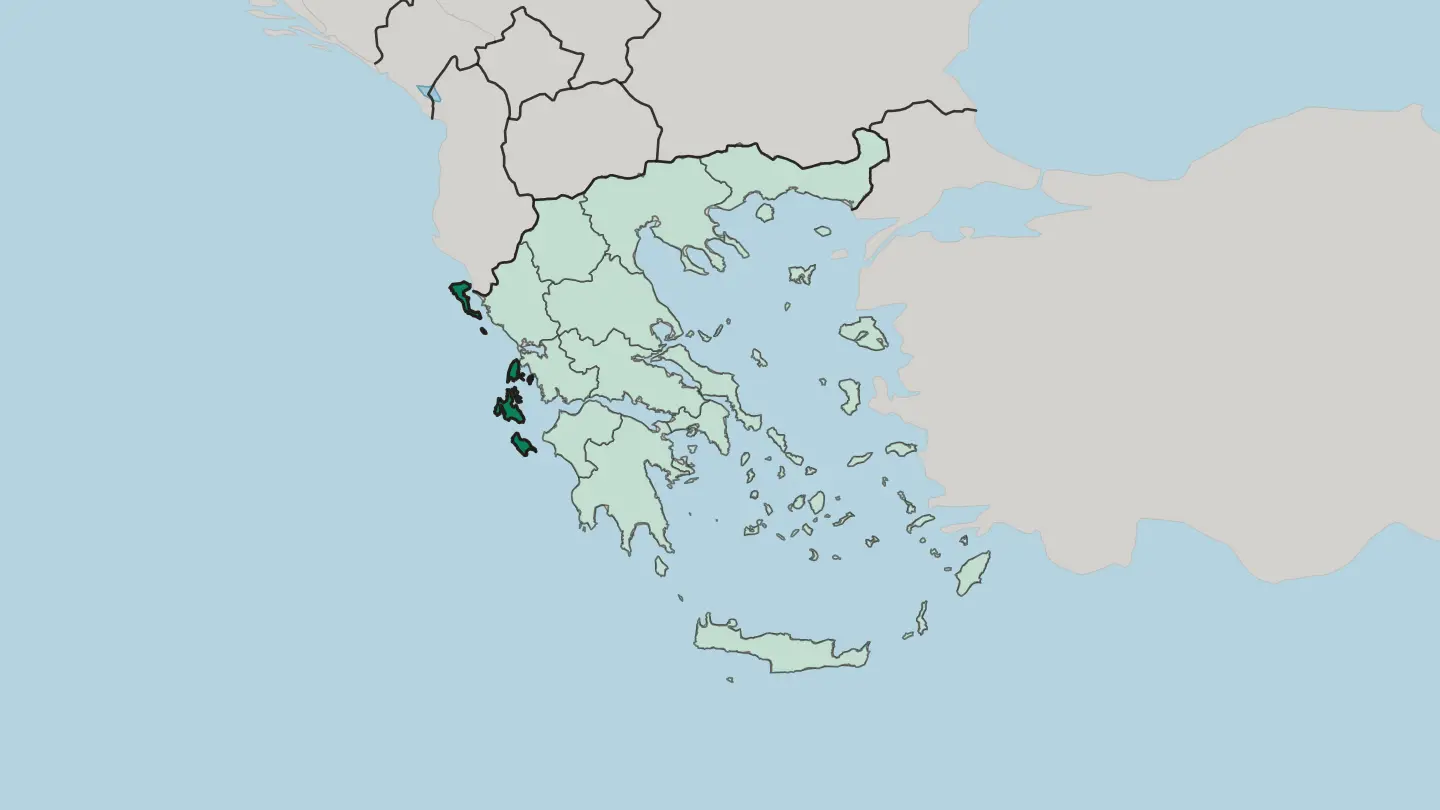 Greece
Mount Athos
Mount Athos is a self-governing monastic peninsula on the Aegean coast of northern Greece, closed to women for a thousand years.Towns & cities →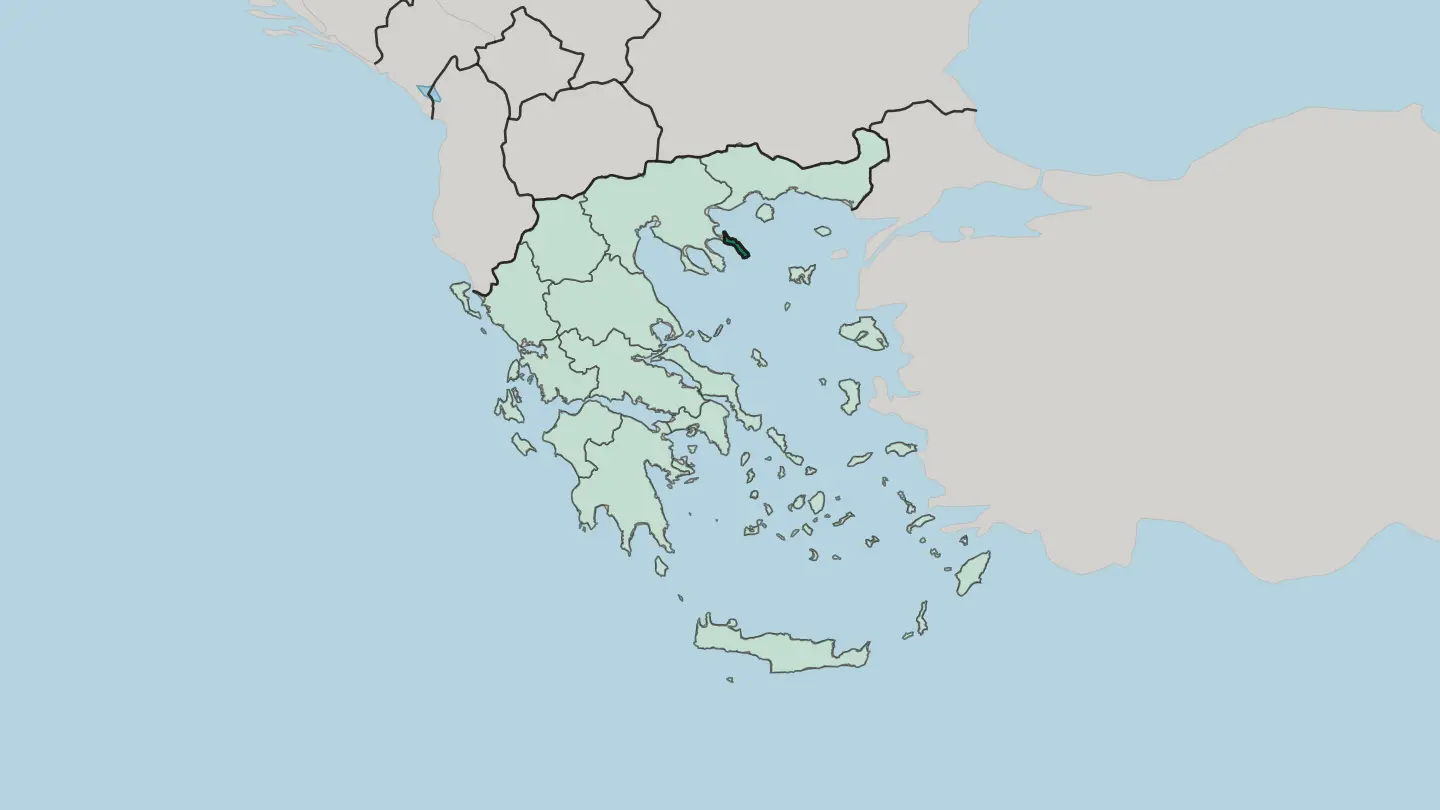 Greece
North Aegean
North Aegean is a region of scattered Greek islands off the Turkish coast, its capital at Mytilene on Lesbos.Towns & cities →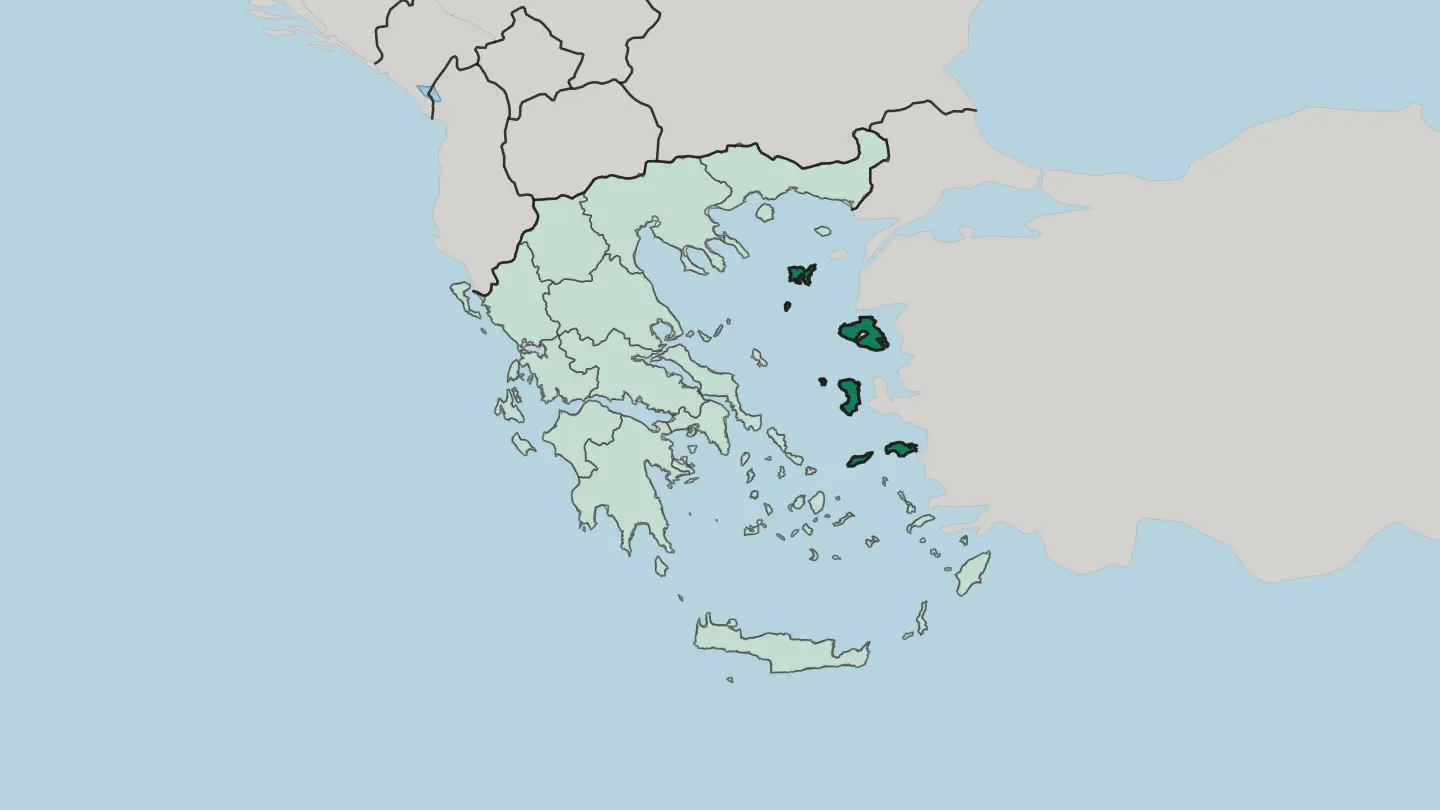
 Greece
Peloponnese
The Peloponnese is the southern peninsula of Greece, cut from the mainland by the Corinth Canal and dense with ancient ruins.Towns & cities →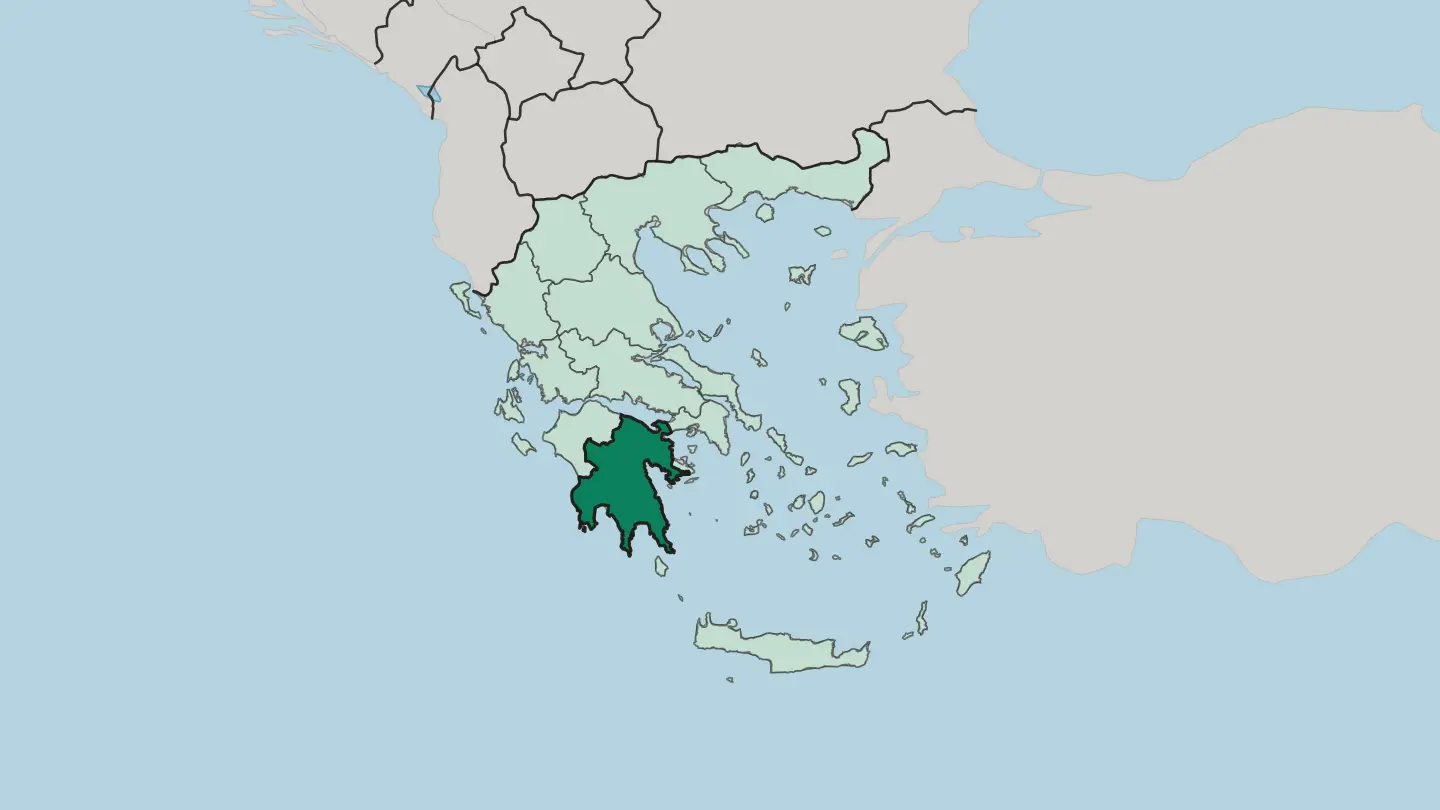 Greece
South Aegean
South Aegean is the Greek region of the Cyclades and Dodecanese, fifty islands strung across the southern Aegean Sea.Towns & cities →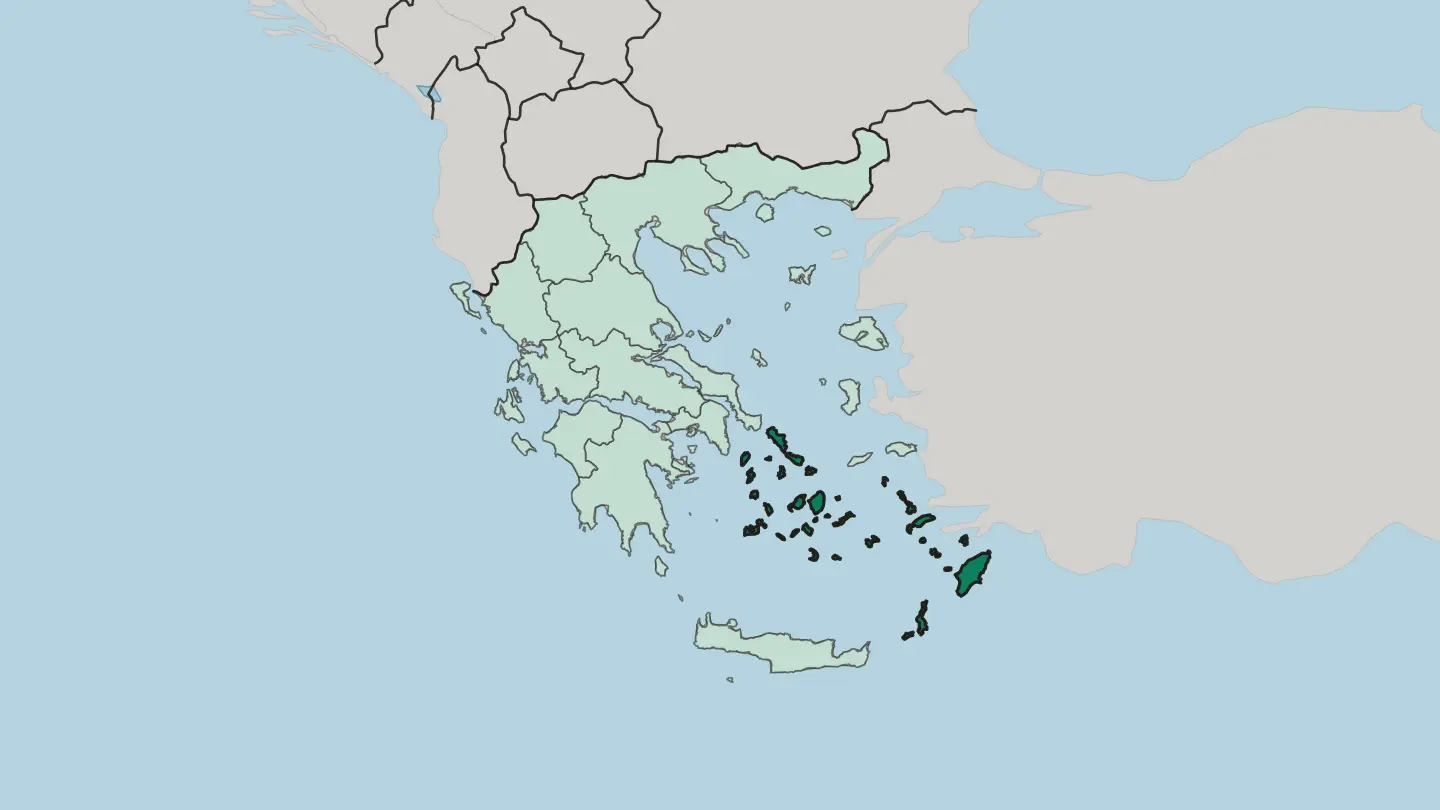
 Greece
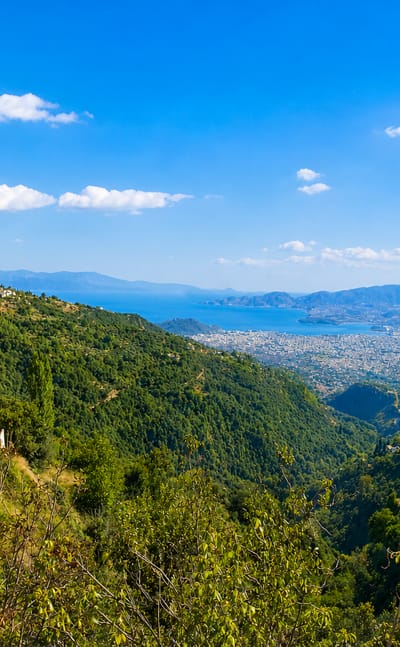
Thessaly
Thessaly is the wide grain plain of central Greece, ringed by mountains and crowned by the monasteries of Meteora.Towns & cities →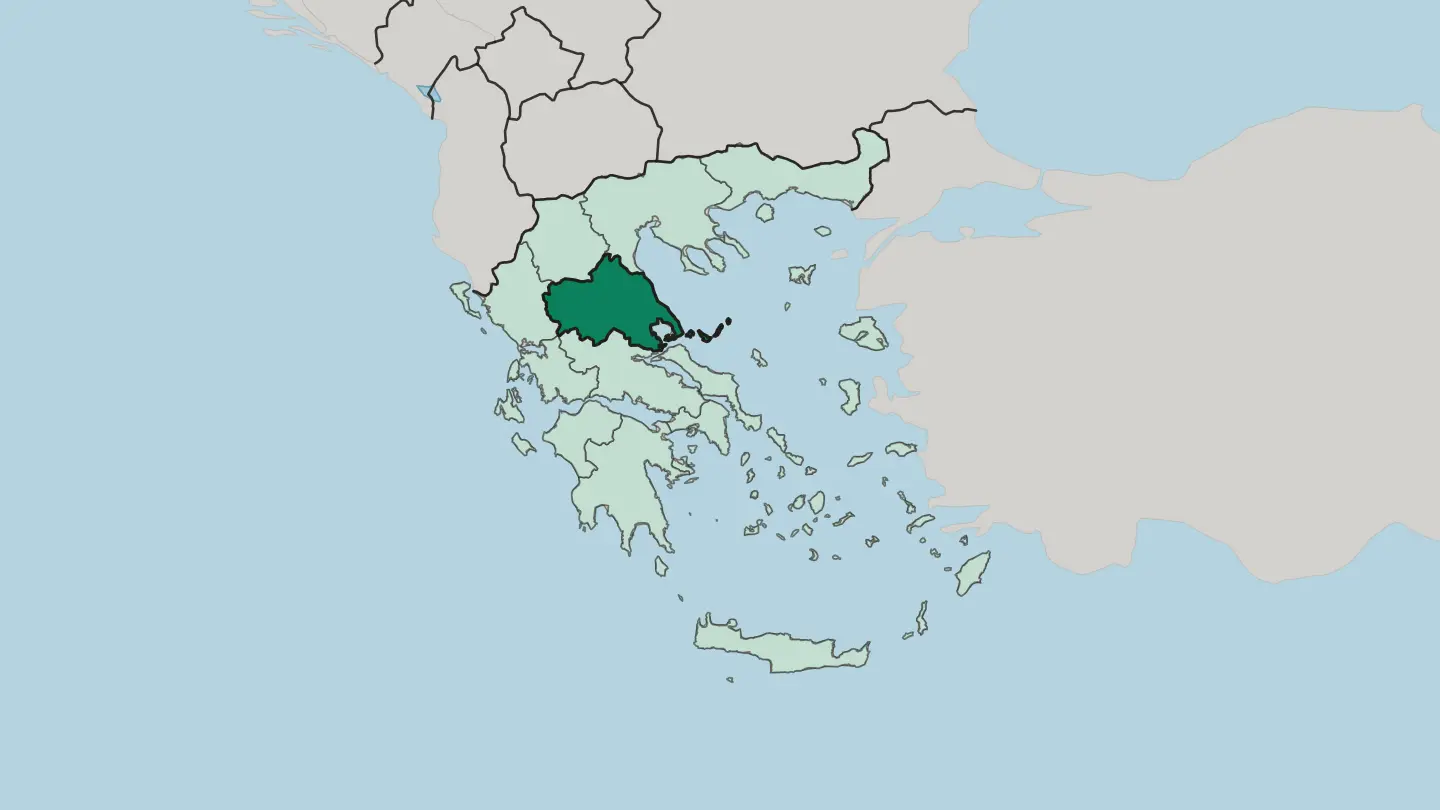 Greece
Western Greece
Western Greece spans the far west of the mainland and the north-west corner of the Peloponnese, meeting on the Ionian Sea.Towns & cities →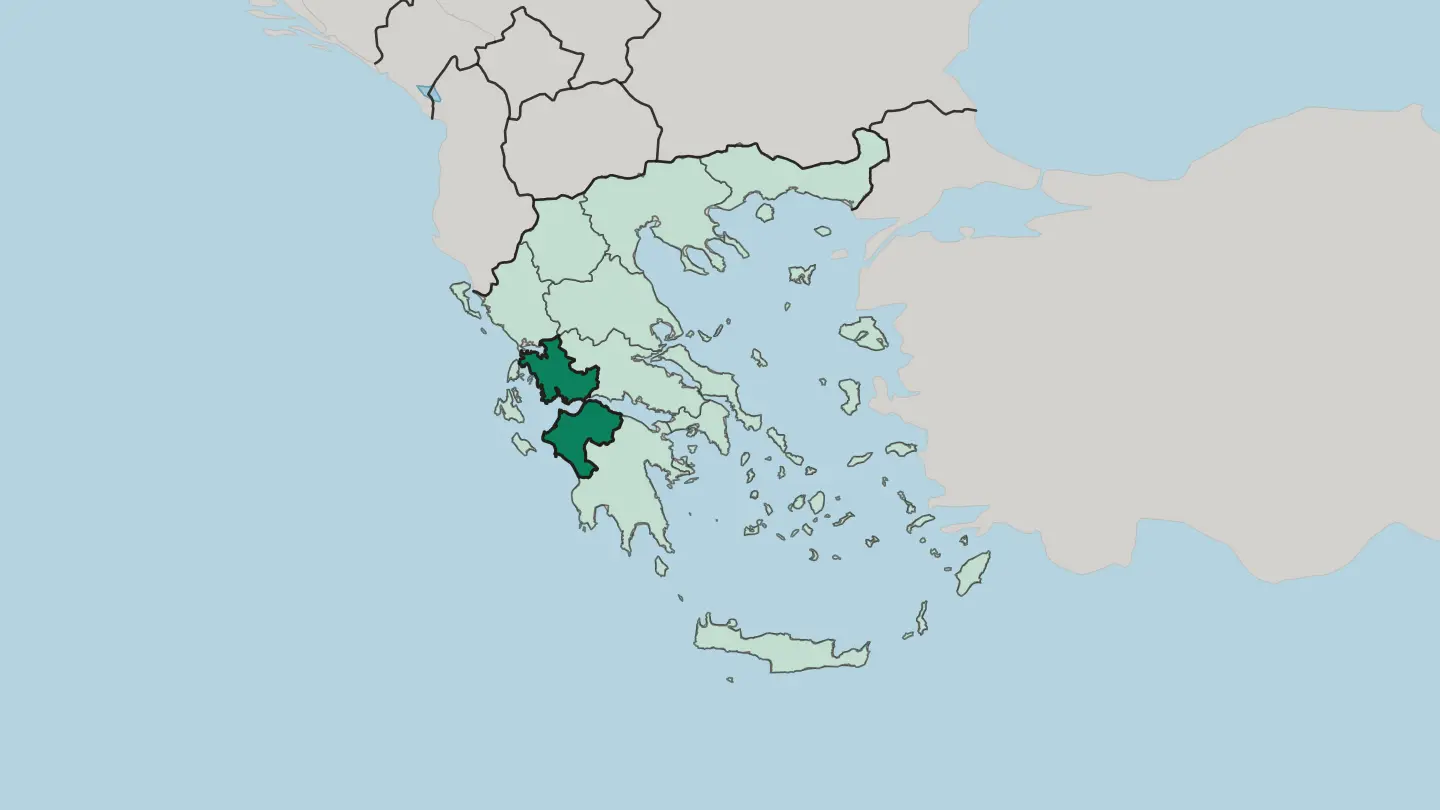 Greece
Western Macedonia
Western Macedonia is Greece's only landlocked region, a highland corner of mountains, lakes and lignite in the far north-west.Towns & cities →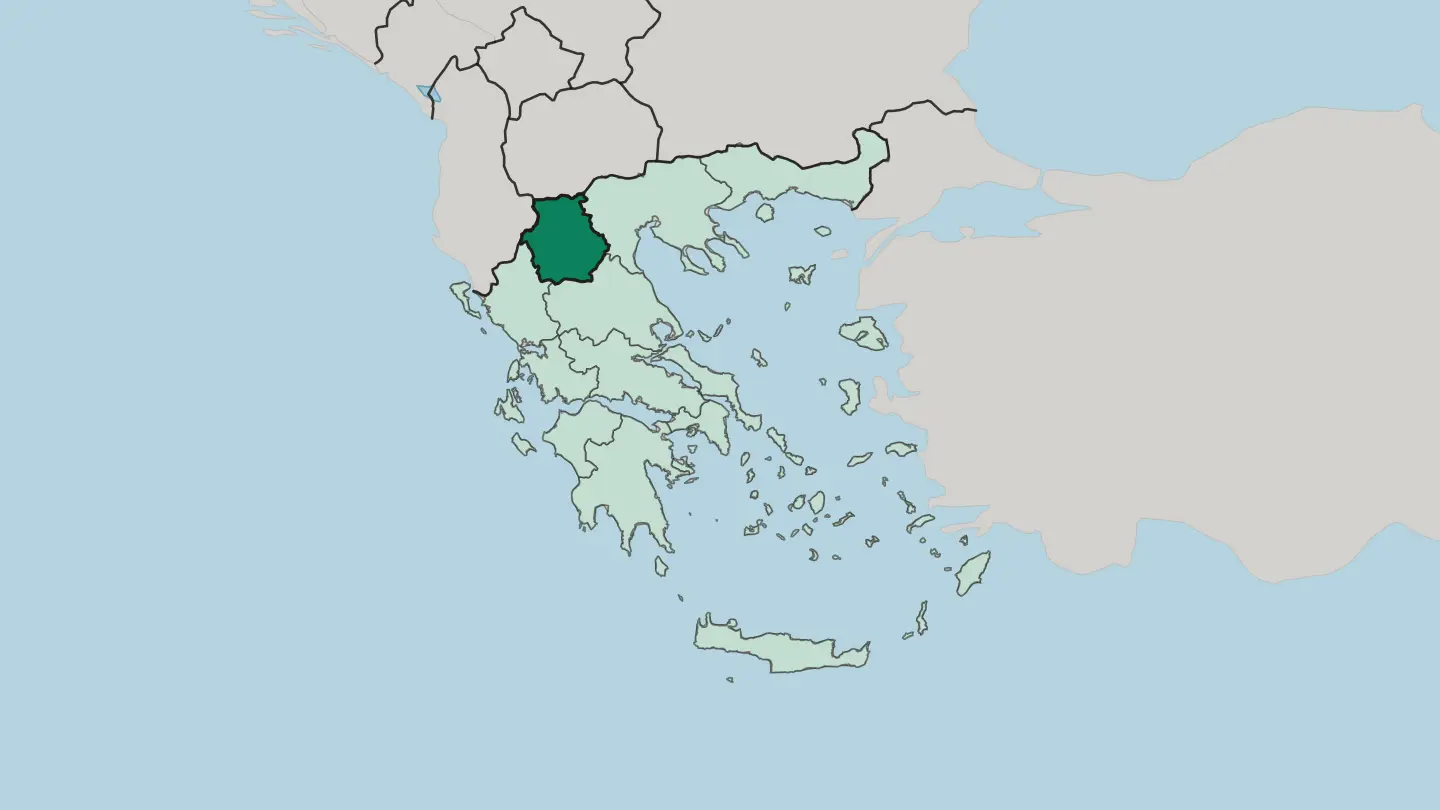
Explore by experience
Not sure which place? Start from how you want to travel.


About Greece
What is Greece known for?
Greece is known worldwide for a civilisation that shaped Europe and for its islands. Its history and culture have influenced the world for thousands of years, from the Balkan peninsula down through thousands of islands scattered across the Aegean Sea and the Ionian Sea. The sea shapes everything.
Athens carries the ancient heritage, followed in size by Thessaloniki and Patras. Few countries hold a longer Mediterranean coastline.
Where is Greece?
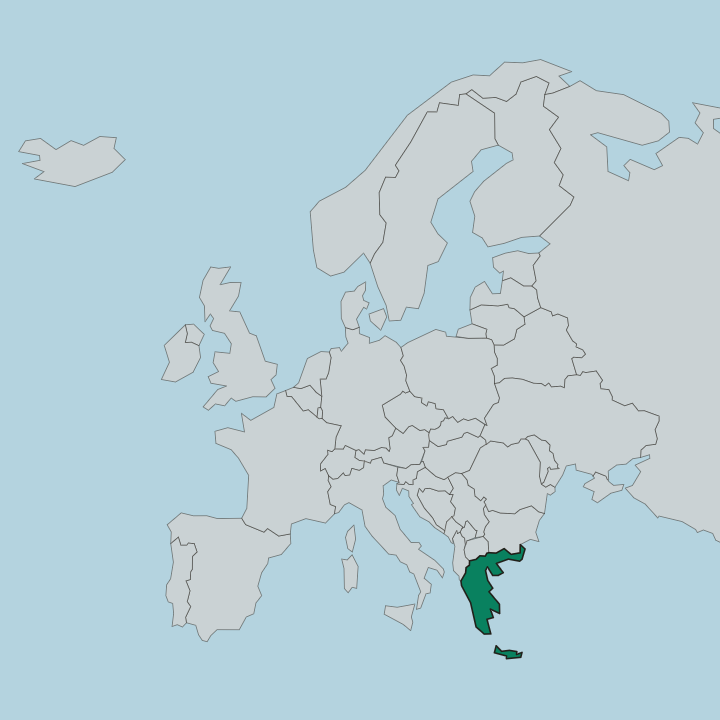
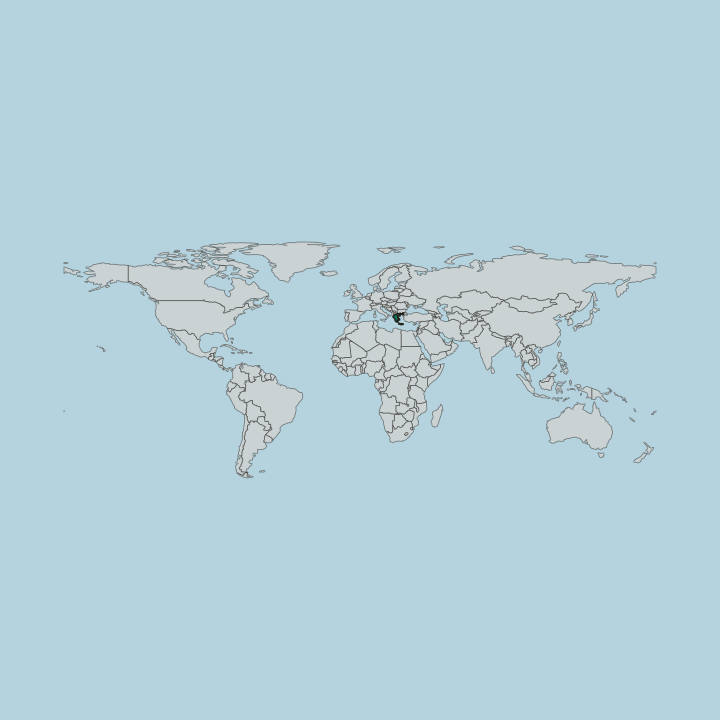
Greece sits on the southern tip of the Balkan peninsula, in the corner of Southeast Europe where the land breaks apart into sea. The Ionian Sea lies west of the mainland, while the Aegean Sea fills the gap between the peninsula and Turkey to the east, reached both by land and across the water. Land borders run north.
Albania lies to the northwest, while North Macedonia and Bulgaria close the northern frontier by land. Everywhere else, the country meets the water. The mainland is only part of it.
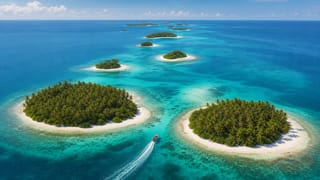
Greece has the longest coastline on the Mediterranean, cut into bays and headlands and trailing off into thousands of islands across the Aegean Sea and the Ionian Sea. Those islands run in scattered groups, some lying close to the shore and others far out toward the coast of Turkey. The map is more sea than land.
Administration divides the country into nine regions, spread across the mainland and the island groups. Athens is the largest Greek city and the capital, followed in size by Thessaloniki and then Patras. The sea is never far from any of them.
What is the history of Greece?
Greece holds one of the oldest recorded histories in Europe. Its ancient civilisation influenced the world for thousands of years, and that long past still draws travellers to the Balkan peninsula and the islands of the Aegean Sea. Athens sat at its heart.
From those beginnings grew democracy, philosophy and the arts, ideals that spread across Europe and far beyond the Aegean world. The Aegean Sea and the Ionian Sea carried its trade and its stories outward. Seafaring shaped the country from the start.
The modern state came much later. Greece won its independence in 1821, and the Hellenic Republic grew from that struggle into the country it became, with Athens as its capital. The break with the past was never clean.
Ancient ruins and modern streets stand side by side in Athens, in Thessaloniki and across the wider Greek mainland. Patras and Thessaloniki carry their own long pasts beside the capital. History here still runs deep.
That history reaches from the founding of the Hellenic Republic back through thousands of years to the ancient world that made the name Greek known.
What is Greece like?
Greece speaks Greek, a language older than most in Europe. That shared tongue binds the mainland and the islands together, from Athens across the Aegean Sea to the far edges of the Ionian Sea. Across Greece, the sea keeps the pace of daily life.
Island life, fishing and long coastal summers shape much of how the country lives and eats. Faith and festival mark the year, woven into towns from the mainland to the smallest island. Names and stories carry the ancient past into ordinary speech.
Everyday life stays close to the water. The ancient past is not kept behind glass. It stands in the streets of Athens and Thessaloniki, part of daily life rather than a museum apart, and it still draws visitors from across the world.
Food follows the coast. The Mediterranean kitchen runs through the country, built on what the land and the sea give, shared slowly at the table. Long meals and time given to guests run through Greek homes on the mainland and the islands alike.
Patras and the smaller towns keep their own festivals and customs. The result is one culture with many local voices.
What is the climate of Greece?
Greece has a Mediterranean climate along most of its long coastline. Summers run hot and dry across the mainland and the islands of the Aegean Sea, while winters stay milder and wetter near the coast and cooler further inland. The sea moderates it all.
The Ionian Sea and the Aegean Sea keep the islands warm well into autumn. Rain mostly comes in winter.
How do you get to Greece?
Greece is reached most easily through Athens, its capital and largest city. Most visitors arrive by air into Athens or Thessaloniki, while overland routes cross the northern borders from Albania, North Macedonia and Bulgaria, and further links run east toward Turkey. The islands need a boat.
Ferries thread out across the Aegean Sea and the Ionian Sea from mainland ports, linking the scattered island groups to the coast. Patras is a major port in the west.
Good for
Updated September 2026