Greece · Eastern Macedonia and Thrace
Where to Stay in Kavála, Eastern Macedonia and Thrace
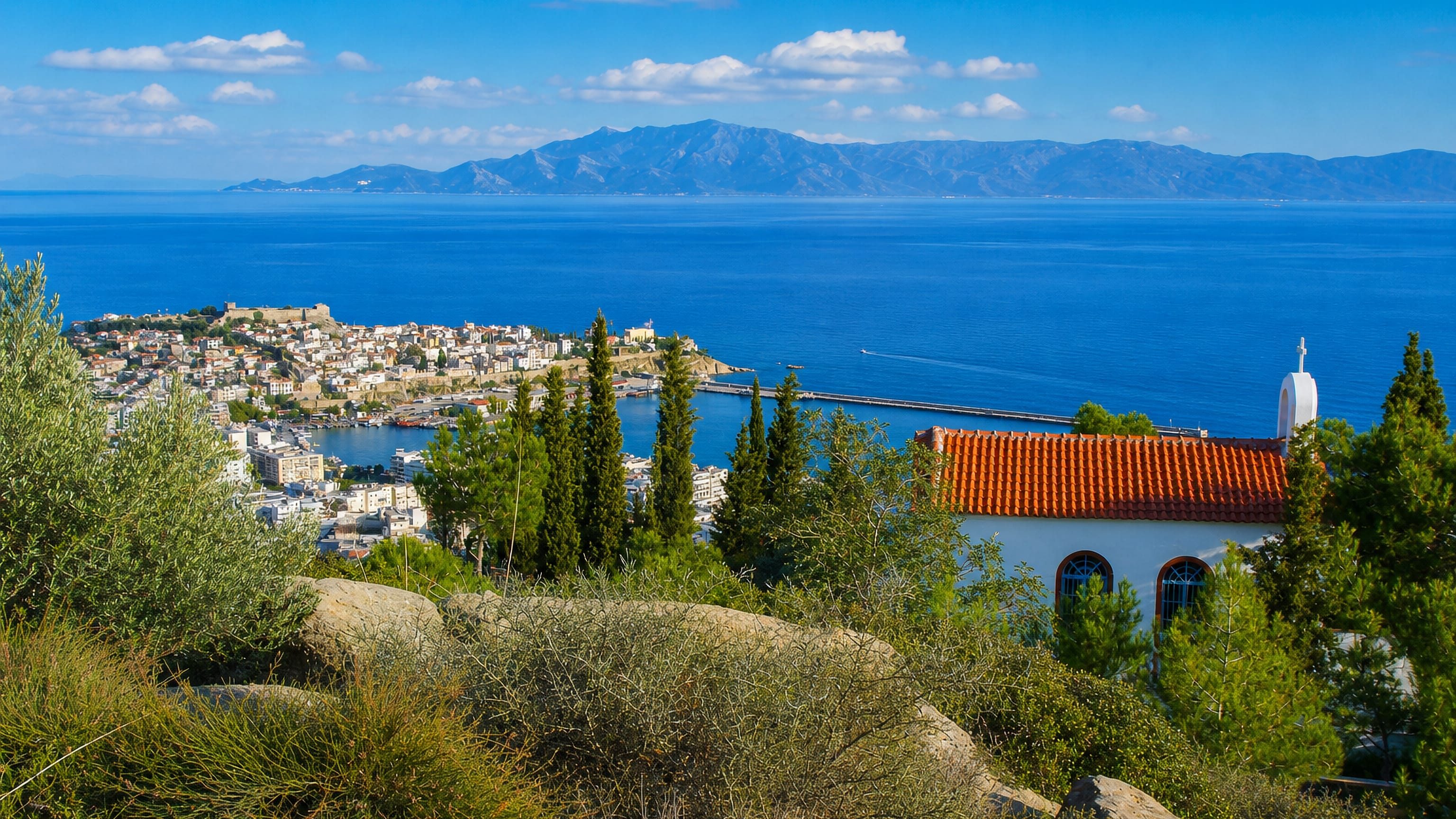
Old houses climb the Panagia peninsula at Kavála, the chief seaport of eastern Macedonia in northern Greece and capital of the Kavala regional unit.
Hotel links are affiliate links: booking through them may earn us a commission, at no extra cost to you. It never affects how places are ranked. How this works


Where to stay in Kavála
Where visitors usually base themselves, and why.
Kavála rewards a stay on or below the Panagia peninsula, where the old town meets the harbour. Most visitors base themselves in the old quarter, the tiers of houses that climb toward the Kavala Fortress crowning the headland above the sea. The climb is the point.
From here the Mehmet Ali House and the churches of the old town lie within a short walk, and the lanes drop down to the waterfront cafes below the walls. Rooms in the old quarter range from restored Ottoman houses to small hotels facing the bay. The harbour front offers a flatter, busier base.
Along the waterfront below the peninsula stand the Archaeological Museum of Kavala and the Kavala Museum of Tobacco, close to the ferry quays and the shops of the modern town. This is where the working port and the passenger boats gather. Stay in the old quarter on the peninsula for the fortress and the views, or along the harbour front for the museums and the ferries at your door.
Find hotels in Kavála
Direct booking searches for these neighbourhoods.
Panagia old quarter
The old quarter climbing the Panagia peninsula toward the Kavala Fortress, a short walk from the Mehmet Ali House and the churches above the bay.Find hotels in Panagia old quartera flatter base by the Kavála ferry quays and the town museumsHarbour front
The waterfront below the peninsula, beside the Archaeological Museum of Kavala and the Kavala Museum of Tobacco, close to the ferry quays.Find hotels in Harbour frontHotel links are affiliate links: booking through them may earn us a commission, at no extra cost to you. It never affects how places are ranked. How this works
Things to do in Kavála
Ranked by global recognition; descriptions from Wikidata (CC0).
Museums & Galleries
3- Archaeological Museum of Kavala
- Kavala Museum of Tobacco
- Kavala Municipal Museum
Churches & Religious Sites
3- Lazarist Monastery, Kavala Heritage
- St Nicola church
- St. John the Baptist Church, Kavala
Castles & Historic Sites
3- Kavala Fortress Heritage
- Panagia peninsula of Kavala Heritage
- Antisara
Stadiums & Sports
1- Kalamitsa Indoor Sports Hall
Landmarks & Notable Places
1- Mehmet Ali House Heritage
worth knowingacross 5 categories in Kavála
About Kavála
What is Kavála known for?
Kavála is known as the principal seaport of eastern Macedonia and the town that climbs the Panagia peninsula. The old quarter rises in tiers toward the walls of the Kavala Fortress above the harbour. The setting sells the town.
Below the fortress the Mehmet Ali House and the Kavala Museum of Tobacco recall the port's Ottoman years and its long trade in leaf tobacco.
What are the main landmarks in Kavála?
Kavála crowns its old town with the Kavala Fortress, high on the Panagia peninsula above the sea. Below the walls the Mehmet Ali House recalls the port's Ottoman years, while the Kavala Museum of Tobacco traces the leaf trade that once ran the town and filled its warehouses. The harbour holds more.
Along the waterfront the Archaeological Museum of Kavala and the Maritime Museum of Kavala keep the record of the coast, and the church of St Nicola stands among the old lanes above.
What is the history of Kavála?
Kavála grew as the harbour town of eastern Macedonia, its old quarter rising on the Panagia peninsula above a sheltered bay. The headland gave it a fortress and a walled town, and the Kavala Fortress still crowns the rock where the earliest settlement clung. The sea made the place.
Through the Ottoman centuries the port drew merchants and soldiers, and the statesman Mehmet Ali was born here, his house preserved on the peninsula among the old lanes. The town later grew rich on tobacco. As the leaf trade of eastern Macedonia passed through its warehouses, Kavála spread down off the headland and along the shore, a history now gathered in the Kavala Museum of Tobacco and the Archaeological Museum of Kavala.
The fortress, the mansion and the tobacco stores together trace the arc from the walled hill town to the working seaport on the bay.
Where is Kavála?
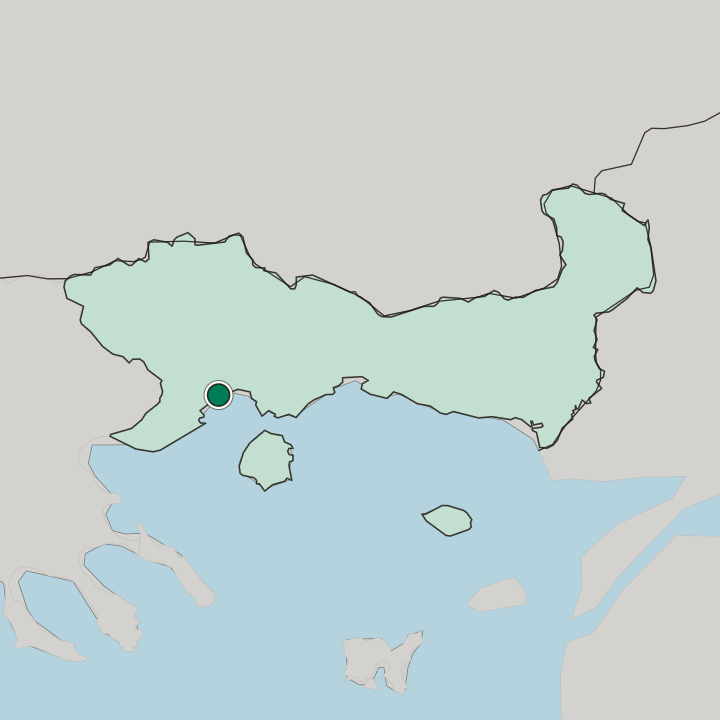
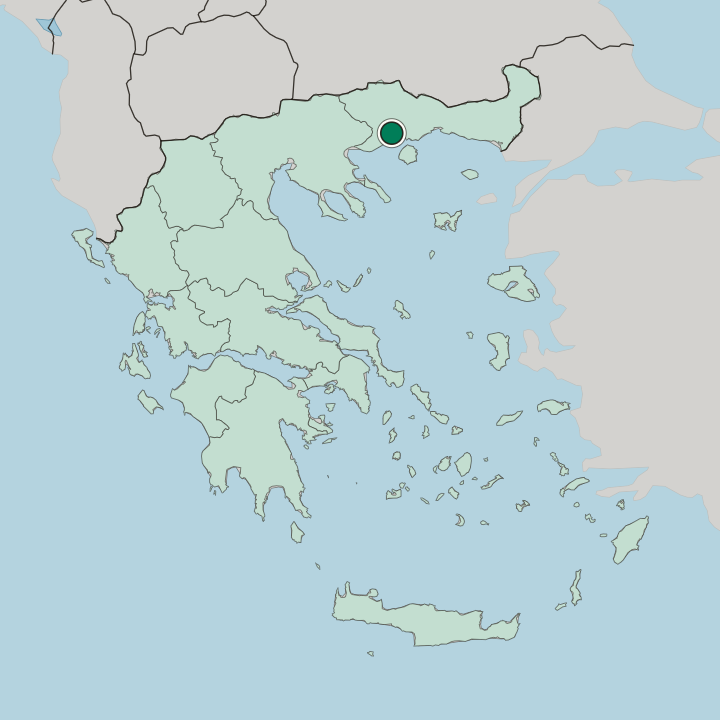
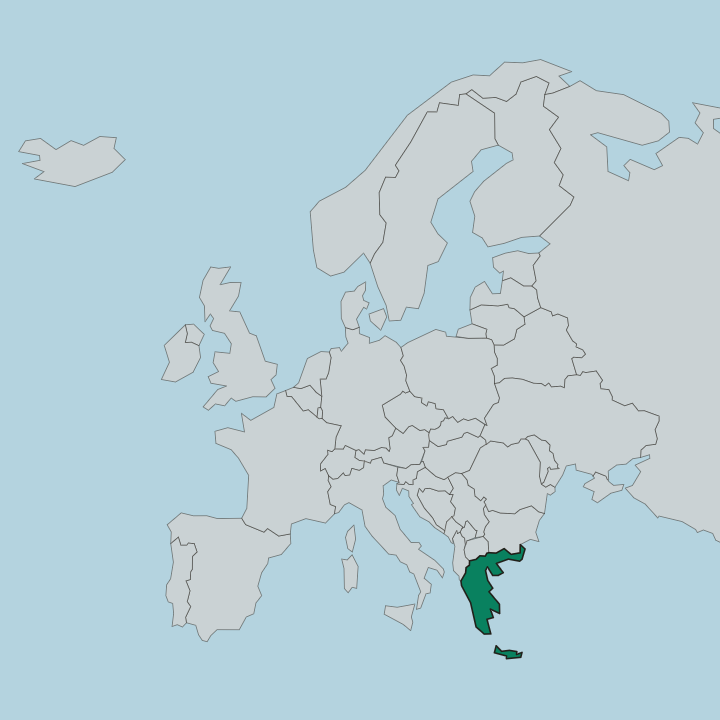
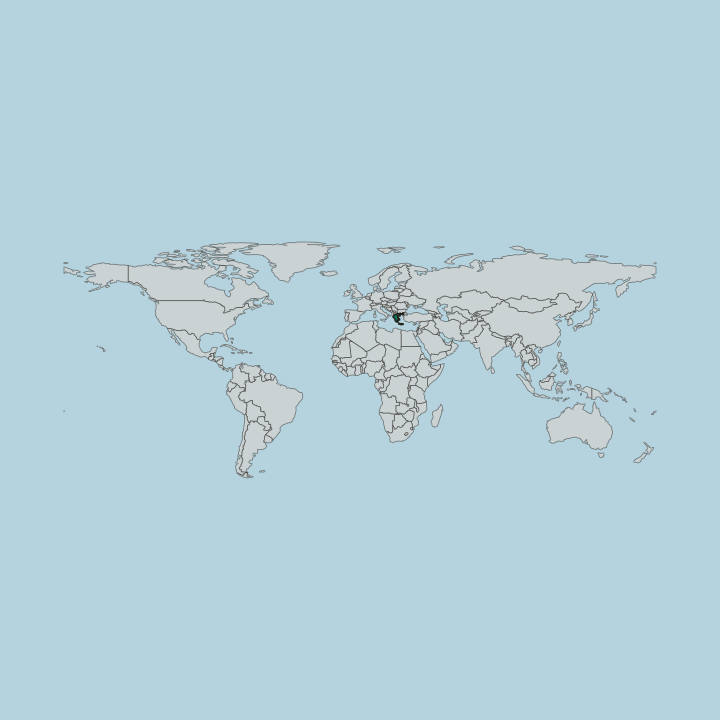
Kavála sits on the coast of eastern Macedonia, in northern Greece. It is the capital of the Kavala regional unit and the chief seaport of the region, built around a bay where the Panagia peninsula juts into the sea. The old town climbs the headland, while the modern town spreads inland behind the harbour.
Hills rise close behind the shore.
What is the climate of Kavála?
Kavála has a mild Mediterranean climate softened by its northern setting. Summers are warm and largely dry along the bay, while winters stay cool and bring most of the year's rain to this coast of eastern Macedonia. The hills behind the town temper the weather.
Snow falls more readily on the heights inland than on the shore.
How do you get to Kavála?
Kavála is the main seaport of eastern Macedonia and a hub for its northern coast. Ferries link the harbour to the islands offshore, and roads run out from the town across the region and along the shore. An airport serves the area inland.
From the quays below the Panagia peninsula the boats set out across the bay.
Common questions
What is the best area to stay in Kavála?
Panagia old quarter: a stay in the tiered old town below the Kavala Fortress on the peninsula. Harbour front: a flatter base by the Kavála ferry quays and the town museums.
Good for
Another city in Eastern Macedonia and Thrace
Updated September 2026