Greece · Western Greece
Where to Stay in Pátra, Western Greece
Patras Castle looks down over the Gulf of Patras, a port city at the foot of Mount Panachaikon in the northern Peloponnese, known for its Carnival.
Hotel links are affiliate links: booking through them may earn us a commission, at no extra cost to you. It never affects how places are ranked. How this works


Where to stay in Pátra
How the choice of base plays out on the ground.
Where to stay in Pátra splits between the flat lower town by the water and the older upper town on the slope. The lower town holds the grid of arcaded streets and the seafront, where the port, the shopping avenues, and the Metropolitan Cathedral of Evaggelistria sit within a short walk, and rooms here put the ferry quay and the cafe life of the squares at the door. This is the practical base for anyone catching a boat.
It keeps everything level and close. Above it the upper town climbs toward Patras Castle, reached by the broad stone staircases the city is known for, and its quieter lanes look back down over the rooftops to the Gulf of Patras. History-minded travellers often prefer this higher ground, an easy walk from the Odeon of Patras and the Roman remains scattered across the slope.
The two halves join at the Retaining wall of Psilalonia, the balcony terrace between them. Between the two, nothing lies more than a short walk apart. Because the port ties Pátra to the Ionian ferries and the road east to Athens, the harbour edge suits those simply passing through, so the real choice is between the working lower town, the old upper town, and the quay.
Find hotels in Pátra
Direct booking searches for these neighbourhoods.
The lower town and seafront grid
The flat grid by the water reaches the Metropolitan Cathedral of Evaggelistria, the shopping avenues, and the port within a short walk.Find hotels in The lower town and seafront gridhistory-minded travellers wanting the old lanes and the ruinsThe upper town below the castle
The quiet upper lanes climb the stone staircases toward Patras Castle and the Odeon of Patras, looking down over the gulf.Find hotels in The upper town below the castlevisitors catching an Ionian ferry or the road to AthensThe harbour edge by the ferry terminal
The quay ties Patras to the Ionian ferry lines and the eastbound road, a convenient base for anyone passing straight through.Find hotels in The harbour edge by the ferry terminalHotel links are affiliate links: booking through them may earn us a commission, at no extra cost to you. It never affects how places are ranked. How this works
Things to do in Pátra
Ranked by global recognition; descriptions from Wikidata (CC0).
Museums & Galleries
3- Archaeological Museum of Patras
- Folk Art Museum of Patras
- Folk Art Museum
Churches & Religious Sites
3- church of Pantokrator, Patras Heritage
- Church of Pantanassas, Patra Heritage
- Metropolitan cathedral of Evaggelistria Heritage
Castles & Historic Sites
6- Patras Castle Heritage
- Odeon of Patras Heritage
- Roman aqueduct of Patras Heritage
- Roman stadium of Patras Heritage
- Retaining wall of Psilalonia Heritage
Show 1 more →
- Roman nymphaeum at Kanari street of Patras Heritage
Stadiums & Sports
1- National Sports & Nautical Center of Patras
Landmarks & Notable Places
3- House of Kostis Palamas
- House of Perivolaropoulou
- House of Prapopoulos
worth knowingacross 5 categories in Pátra
About Pátra
What is Pátra known for?
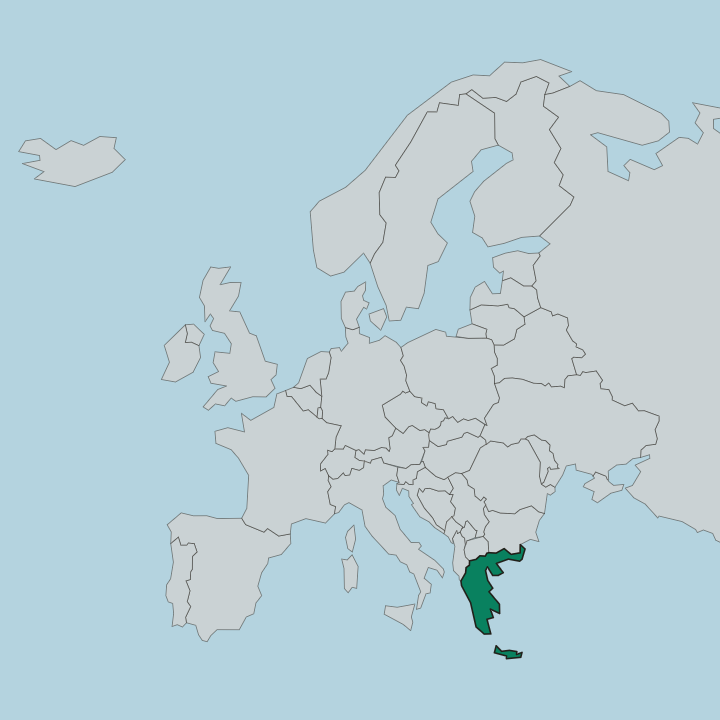
Pátra is Greece's third-largest city and the regional capital of Western Greece, spread below Mount Panachaikon at the mouth of the Gulf of Patras. Its port faces west toward Italy and the Ionian. The city is best known for its huge spring Carnival, one of the largest in Europe, and for a Roman and Byzantine past that survives in the Odeon of Patras, the Roman aqueduct of Patras, and the walls of Patras Castle above the harbour.
What are the main landmarks in Pátra?
The main landmarks in Pátra layer Roman, Byzantine, and modern eras up the slope from the sea. Patras Castle crowns the upper town, and below it the Roman past survives in the Odeon of Patras, the Roman aqueduct of Patras, and the Roman stadium of Patras. Pátra keeps the rest indoors.
The Archaeological Museum of Patras gathers the finds of the ancient city, while the Metropolitan Cathedral of Evaggelistria, the Folk Art Museum of Patras, and the hillside Girokomeio Monastery round out its faith and folk traditions.
What is the history of Pátra?
The history of Pátra reaches back some four millennia on the same slope above the gulf. An ancient Greek city stood here first, and under Rome it grew into a major colony and port, leaving the Odeon of Patras, the Roman stadium of Patras, and the arches of the Roman aqueduct of Patras that still cross the hillside. The upper town formed around its acropolis.
That high ground was later fortified as Patras Castle, raised in the Byzantine age and held by successive rulers of the Peloponnese. Christian tradition ties the city to the martyrdom of the apostle Andrew, and its churches and the Metropolitan Cathedral of Evaggelistria carry that devotion. Venetian and Ottoman powers fought over the harbour through the medieval centuries, and Pátra played a leading part in the Greek War of Independence that began in the region.
Rebuilt afterward on a planned grid, the lower town spread out below the old castle, and the Archaeological Museum of Patras now holds the finds that trace the place from its ancient acropolis through the Roman colony to the modern port.
Where is Pátra?
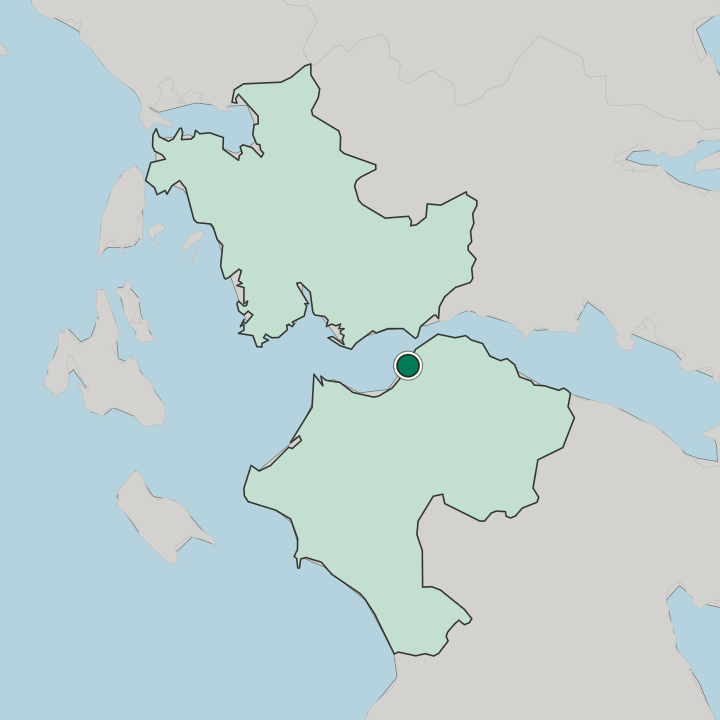
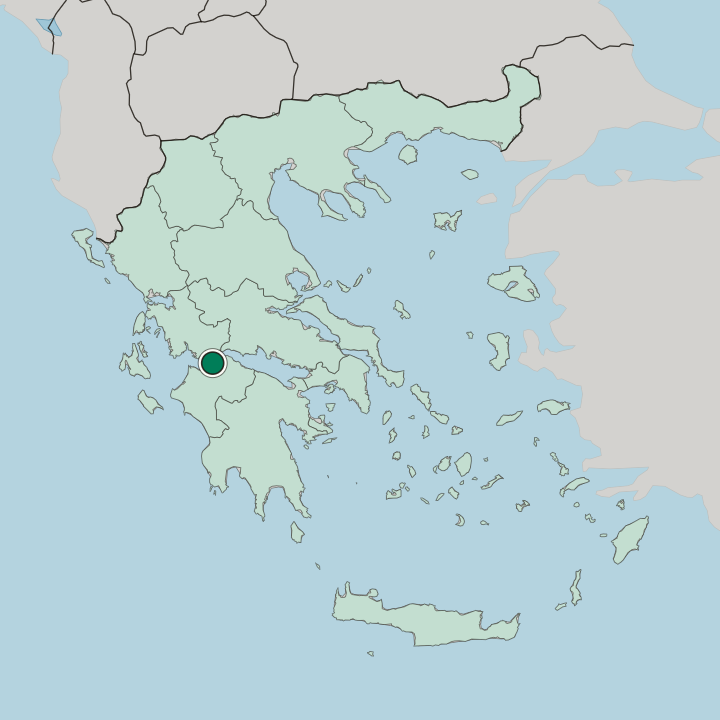
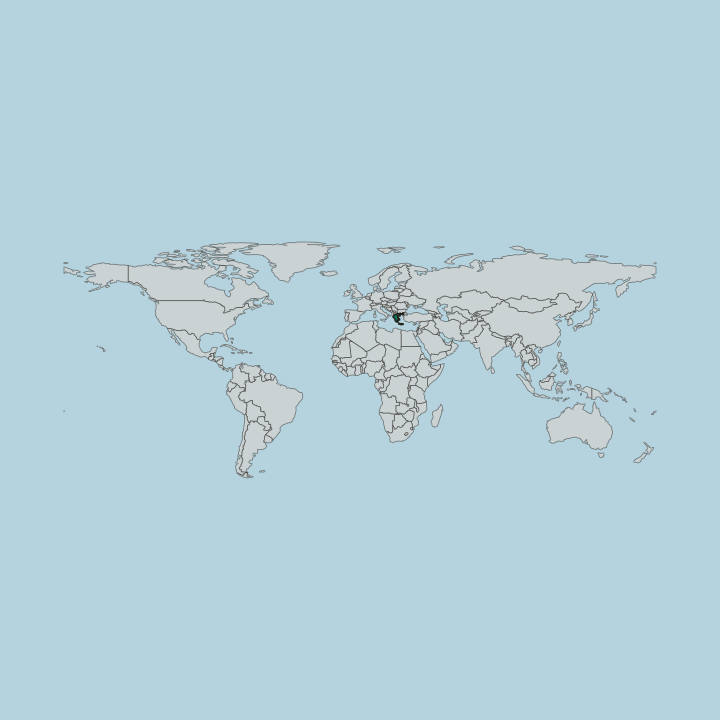
Pátra stands at the foot of Mount Panachaikon in the northern Peloponnese, overlooking the Gulf of Patras where it narrows toward the Ionian Sea. The city rises in two tiers, a flat lower town on the shore and an older upper town climbing the slope toward Patras Castle. The gulf carries the ferry lanes west.
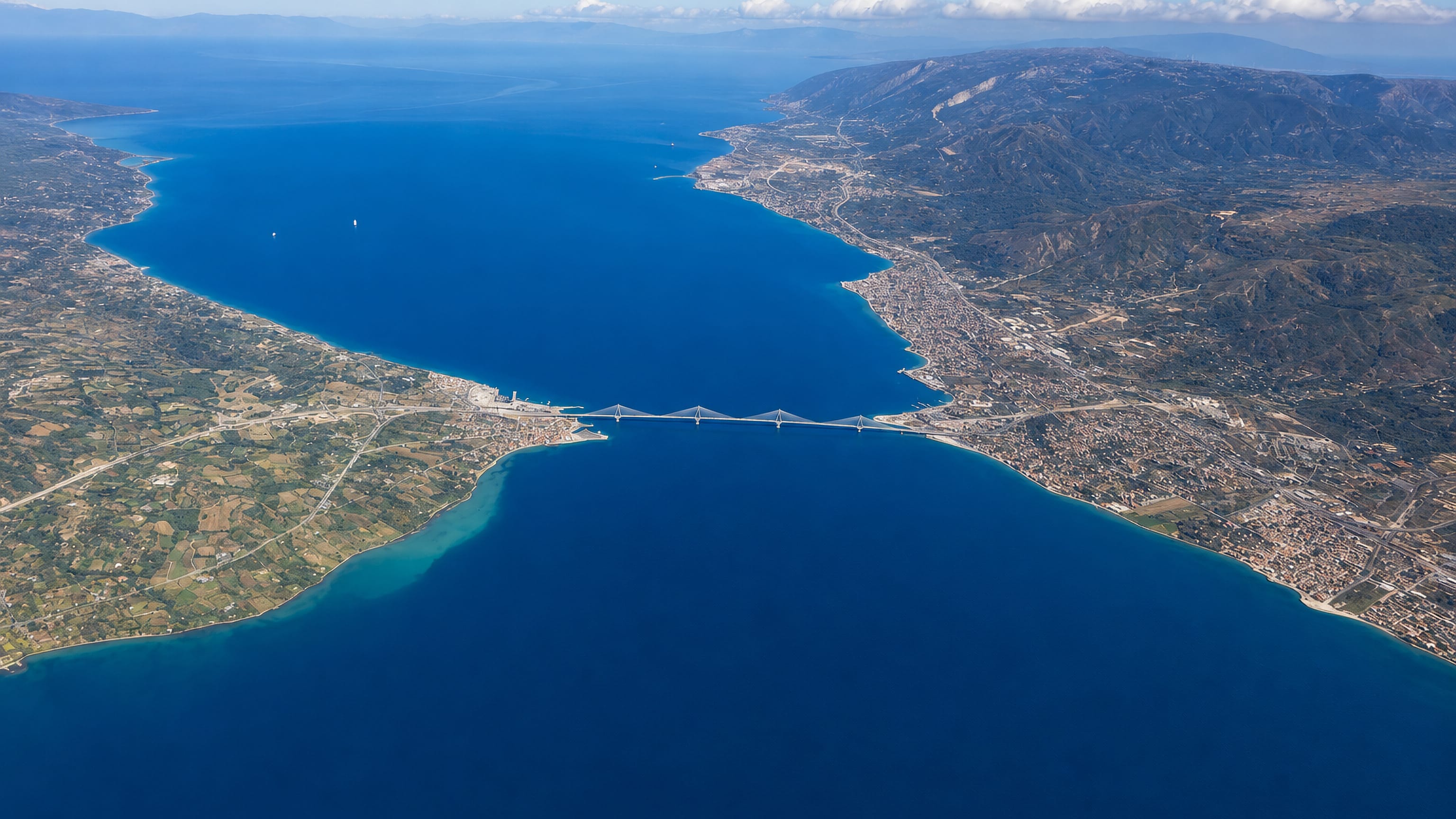
A narrow strait separates the northern Peloponnese from the mainland just beyond the city, and this western corner has long made Pátra the region's main port and its outlet toward Italy across the Ionian.
What is the climate of Pátra?
Pátra has a Mediterranean climate tempered by the open water of the Gulf of Patras. In Pátra summers turn hot and rainless. The bulk of Mount Panachaikon rising behind the city catches winter rain off the Ionian, making Pátra one of the wetter of the larger Greek cities through the cold months.
Winters stay mild at sea level, with snow falling only on the mountain above. Spring and autumn are long and warm, and the milder weeks around the spring Carnival draw the biggest crowds.
How do you get to Pátra?
Pátra is the main western gate of the Peloponnese, tied to Athens by motorway and to Italy by sea. The port is the busiest link. From its quays ferries cross the Ionian Sea to the ports of Italy and out to the Ionian islands, and the highway east runs along the Gulf of Patras and over the great bridge at the strait toward the capital.
Buses fan out across Western Greece from the seafront terminal, making the city the natural hub of the region's northern coast.
Common questions
What is the best area to stay in Pátra?
The lower town and seafront grid: first-timers who want the arcaded streets and the ferry quay on the level. The upper town below the castle: history-minded travellers wanting the old lanes and the ruins. The harbour edge by the ferry terminal: visitors catching an Ionian ferry or the road to Athens.
Good for
Updated September 2026