Guatemala · Departamento de Guatemala
Where to Stay in Guatemala City, Departamento de Guatemala
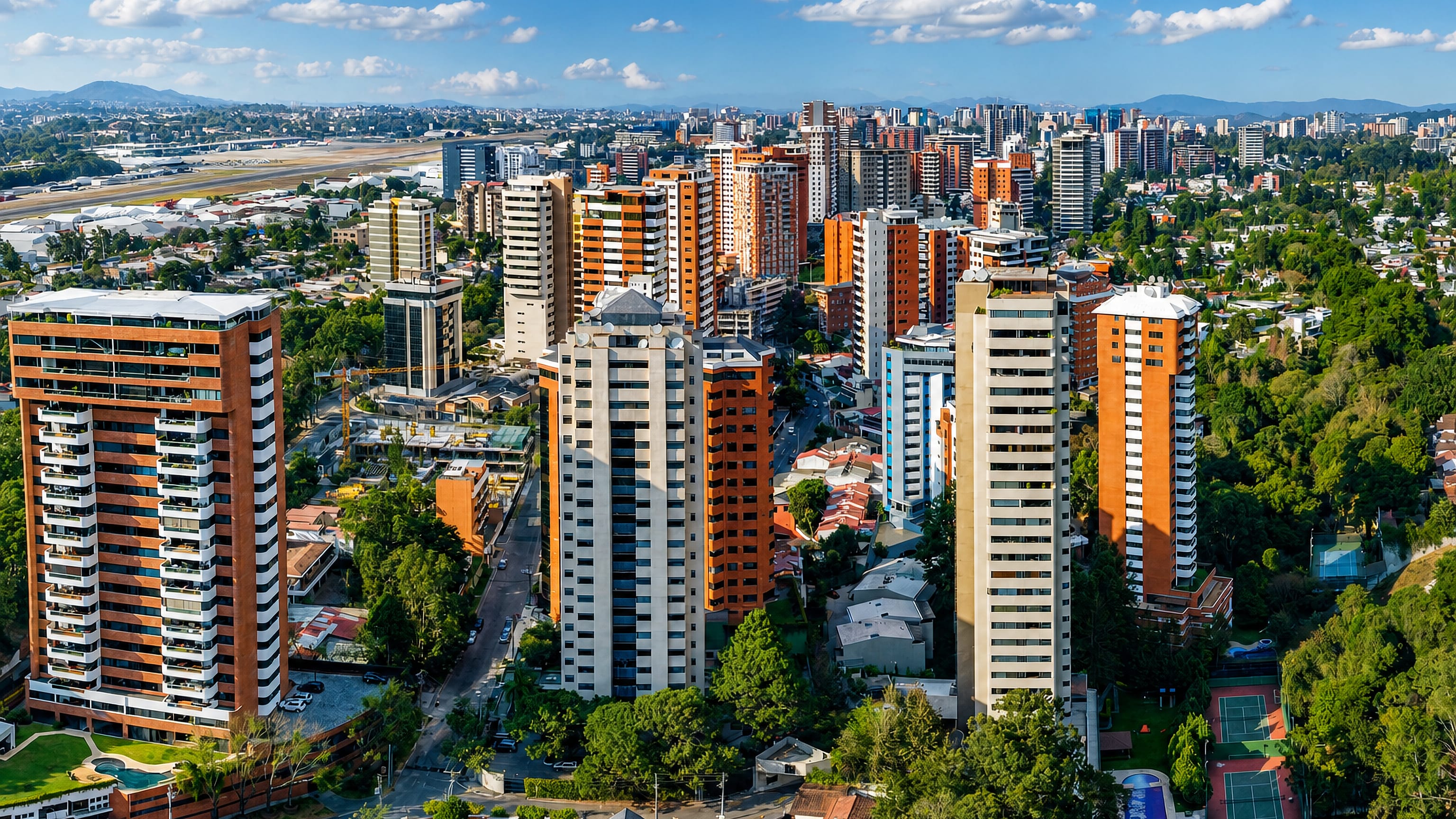
Guatemala City, called Guate, is the capital of Guatemala, spread over the Valle de la Ermita with Kaminaljuyu inside its limits.
Hotel links are affiliate links: booking through them may earn us a commission, at no extra cost to you. It never affects how places are ranked. How this works


Where to stay in Guatemala City
The practical side of choosing where to sleep.
The main plaza decides it. Beds in the old quarter put the Santo Domingo Church, the La Recoleccion Church, and the rise of Cerrito del Carmen inside a walk, and the Sunday evening crowds that fill the plaza arrive at the door instead of at the end of a long ride across the capital. Traffic thickens by mid-morning.
If you want the colonial street pattern of Ciudad de Guatemala and the Monumento a Cristóbal Colón in one unhurried day, book on this ground. Museums cluster elsewhere. The Museo Popol Vuh and the Ixchel Museum of Indigenous Textiles and Clothing anchor a quieter set of streets, with the Numismatic Museum of Guatemala and the Museum of the Holocaust near enough to fill the hours between them.
Guate spreads a long way. The metropolitan area is the largest in Central America, so distance inside the Departamento de Guatemala counts for more than a glance at the map suggests, and a room chosen for its museums will not be a room chosen for the plaza. The Guatemalan National History Museum sits between the two.
Kaminaljuyu stands apart from both, on ground the modern street plan has grown around rather than replaced, which is reason enough to treat it as its own outing.
Find hotels in Guatemala City
Direct booking searches for these neighbourhoods.
The old quarter
Cerrito del Carmen and the Monumento a Cristóbal Colón sit within the same walkFind hotels in The old quarterDays split between the Museo Popol Vuh and the Ixchel Museum of Indigenous Textiles and ClothingThe museum streets
The Numismatic Museum of Guatemala and the Museum of the Holocaust fall in the same set of blocksFind hotels in The museum streetsHotel links are affiliate links: booking through them may earn us a commission, at no extra cost to you. It never affects how places are ranked. How this works
Things to do in Guatemala City
Ranked by global recognition; descriptions from Wikidata (CC0).
Museums & Galleries
3- Museo Popol Vuh
- Ixchel Museum of Indigenous Textiles and Clothing
- Museum of the Holocaust (Guatemala)
Churches & Religious Sites
3- Santo Domingo Church in Guatemala City
- Cerrito del Carmen
- La Recoleccion Church, Guatemala City
Castles & Historic Sites
2- Kaminaljuyu
- Monumento a Cristóbal Colón de Ciudad de Guatemala
Stadiums & Sports
2- Gimnasio Teodoro Palacios Flores
- Coliseo Deportivo
worth knowingacross 4 categories in Guatemala City
About Guatemala City
Museums carry the city.
What is Guatemala City known for?
The Museo Popol Vuh and the Ixchel Museum of Indigenous Textiles and Clothing hold their collections a short way from the Guatemalan National History Museum, the Numismatic Museum of Guatemala, and the Museum of the Holocaust, a density few travellers to Central America ever work through. Sunday evenings draw crowds onto the main plaza. Kaminaljuyu, kept inside the built-up ground of Ciudad de Guatemala, belongs to an older layer of the same valley.
What are the main landmarks in Guatemala City?
Kaminaljuyu heads the list. The site sits within the built-up area of Ciudad de Guatemala, an older layer of ground held inside a capital that spread around it, and it is the name given first whenever the landmarks here are counted. Churches mark the old quarter.
The Santo Domingo Church and the La Recoleccion Church belong to the same roll as Cerrito del Carmen and the Monumento a Cristóbal Colón, while the Gimnasio Teodoro Palacios Flores and the Coliseo Deportivo carry the indoor sport of Guate.
What is the history of Guatemala City?
The founding year on record is 1524. That date placed a colonial capital in the Valle de la Ermita, and the quarter that followed carried the plaza, the parish churches, and the religious houses whose survivors include the Santo Domingo Church and the La Recoleccion Church. Cerrito del Carmen rises above that ground.
Kaminaljuyu belongs to an older layer, and the modern street plan of Ciudad de Guatemala has closed around the site rather than over it. Government work explains what followed. The city became the seat of national government for Guatemala and the municipal capital of the surrounding Departamento de Guatemala, two roles that pulled institutions, offices, and people into one valley floor.
Museums took over the record. The Guatemalan National History Museum gathers the national account, the Numismatic Museum of Guatemala follows it through coinage, and the Museum of the Holocaust commemorates events far outside Central America from a building in this capital. Monuments state the other view.
The Monumento a Cristóbal Colón stands among the named public works of the old quarter, while the Museo Popol Vuh and the Ixchel Museum of Indigenous Textiles and Clothing hold collections that speak for the indigenous cultures of the country instead of its colonial administration. Guate is what the place calls itself. The metropolitan area grew into the largest in Central America, and the Departamento de Guatemala takes its name from the capital at its centre.
Where is Guatemala City?
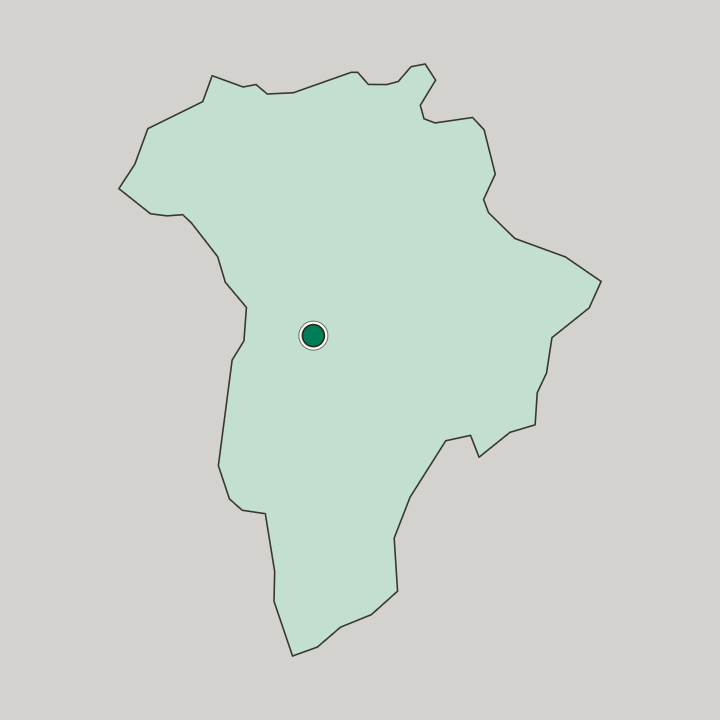
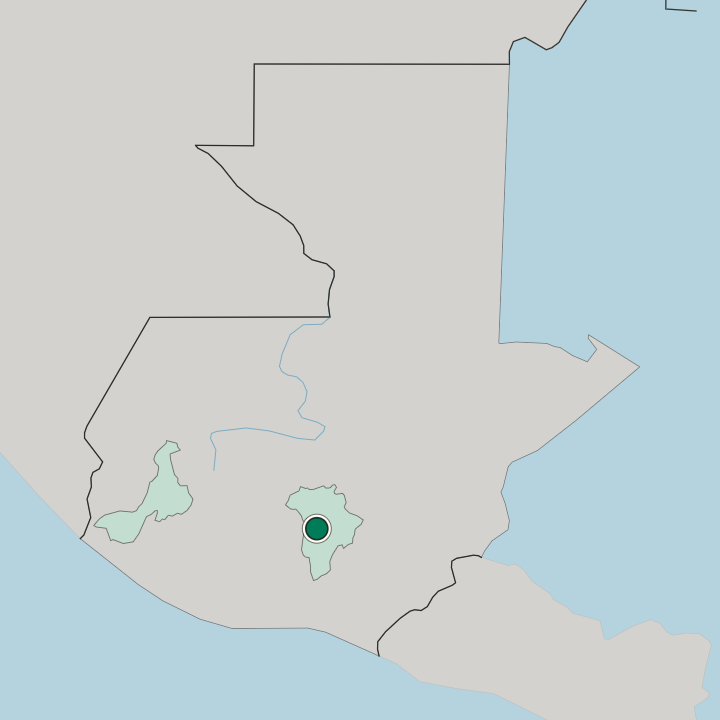
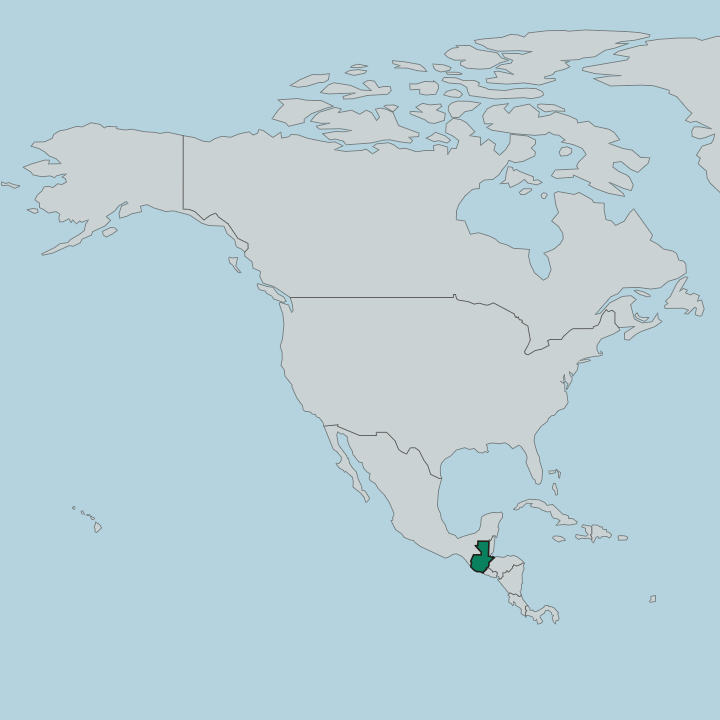
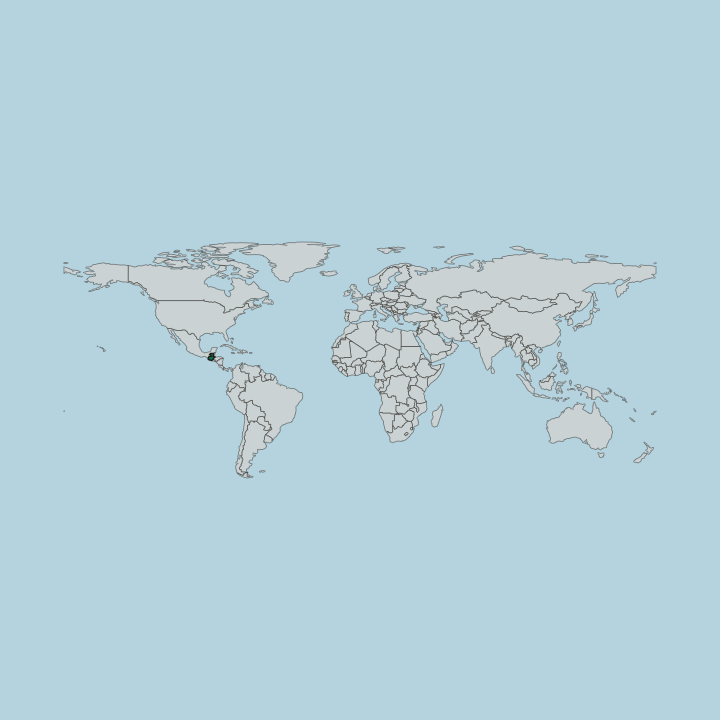
A mountain valley holds the whole capital. Ciudad de Guatemala spreads across the floor of the Valle de la Ermita, the basin that gives the place its shape, with the Departamento de Guatemala wrapped around the municipal boundary. Higher ground rings the basin.
Kaminaljuyu occupies part of that same floor, and the metropolitan area reaching out from it is the largest in Central America.
What is the climate of Guatemala City?
Altitude does the work here. Guatemala City lies within the tropical band, yet the Valle de la Ermita sits high enough above the sea to pull the worst of the heat out of the air, which leaves the days temperate. Nights cool once the sun drops.
Higher ground around the basin shades the city early, and the same elevation keeps Guate milder than the tropical lowlands of Central America.
How do you get to Guatemala City?
Everything in Guatemala converges here. Ciudad de Guatemala is the national capital and the municipal capital of the Departamento de Guatemala, which makes it the point that road and air links across the country are built to reach. Routes end in the valley itself.
Higher ground rings the Valle de la Ermita, so an approach drops into the basin rather than running level into it, and the last stretch of almost any arrival is a descent.
Common questions
What is the best area to stay in Guatemala City?
The old quarter: Sunday evenings on the main plaza and the Santo Domingo Church. The museum streets: Days split between the Museo Popol Vuh and the Ixchel Museum of Indigenous Textiles and Clothing.
Good for
Updated October 2026