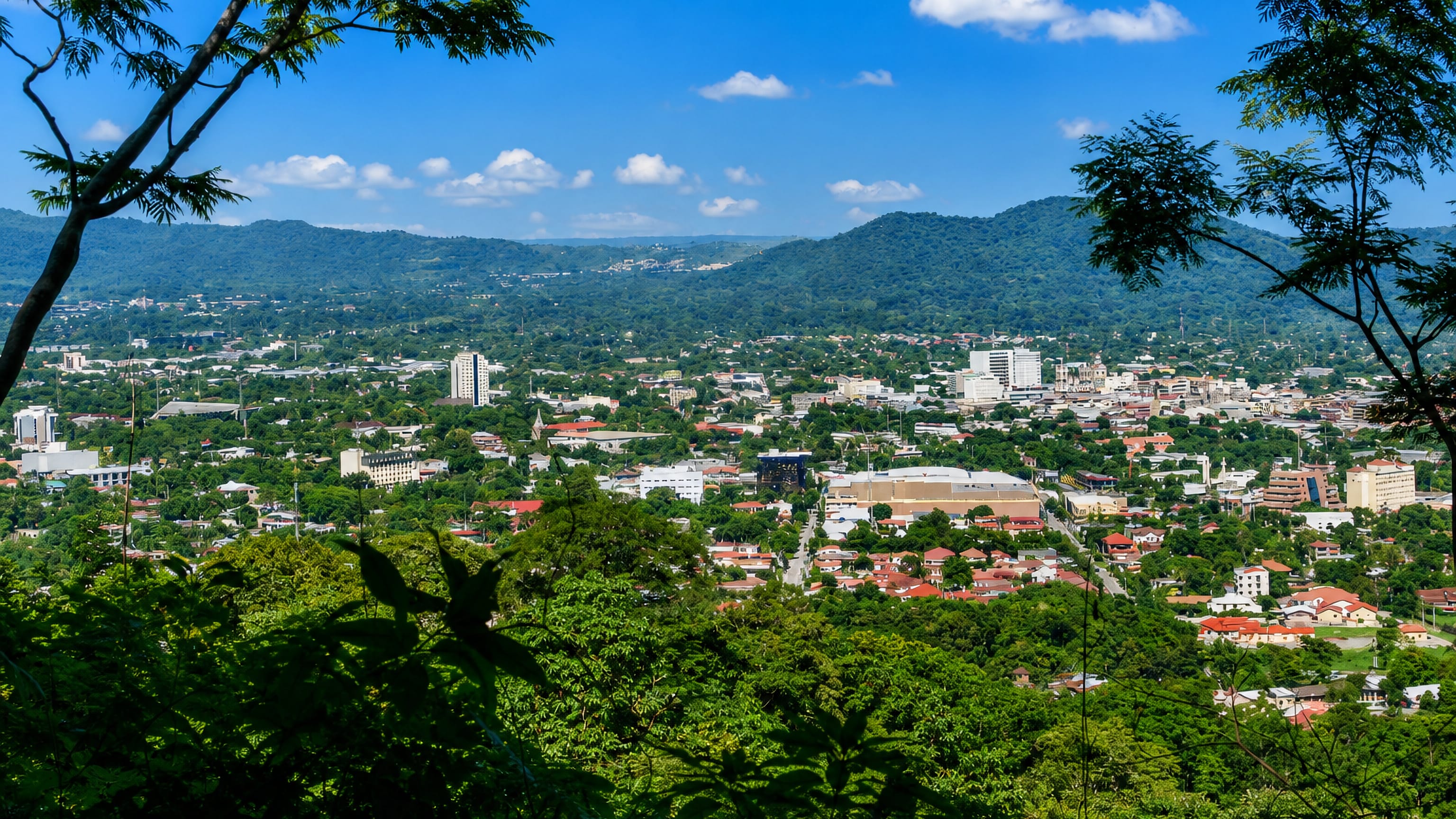
Honduras · Departamento de Cortés
Where to Stay in San Pedro Sula, Departamento de Cortés
San Pedro Sula is capital of the Departamento de Cortés and Honduras's industrial centre in the Sula Valley. Central America's largest non-capital city.
Hotel links are affiliate links: booking through them may earn us a commission, at no extra cost to you. It never affects how places are ranked. How this works


Where to stay in San Pedro Sula
Where the beds are, and what that means for the visit.
The city is laid out in quadrants, as Spanish colonial towns were, with avenues running north to south and streets east to west. First Street and First Avenue mark the centre and cut it into four quarters, which is how any address here is read. Business travel keeps the hotels busy, much of it tied to the maquila trade.
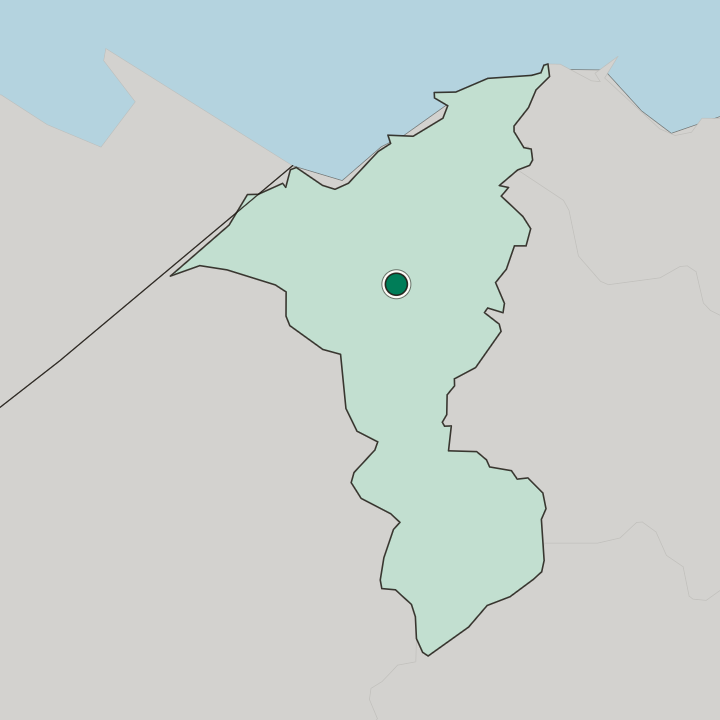
Chamelecón lies out to the southwest. Puerto Cortés is about fifty kilometres north on the Caribbean.
About San Pedro Sula
What is San Pedro Sula known for?
San Pedro Sula is known as the working capital of Honduras: the country's industry and commerce concentrate here rather than in Tegucigalpa. It is the only city in the country with two football stadiums, the Estadio Olímpico Metropolitano out in the Villa Olímpica and the Estadio Francisco Morazán in the centre, home to Marathón and Real CD España. The national team has played its home fixtures here since 2009.
What are the main landmarks in San Pedro Sula?
The cathedral dates from 1949. A Greek Orthodox cathedral, the Iglesia Ortodoxa de Antioquía San Juan Bautista, followed in 1963. Sport gathers at the Villa Olímpica, a complex that takes in football, boxing and swimming as well as baseball and cycling.
The Museo de Antropología e Historia holds the Honduran record, and the Museo de la Infancia El Pequeño Sula is built for children.
What is the history of San Pedro Sula?
The Sula Valley was settled long before the Spanish came, and the ground the city stands on served as a trade hub for the Maya and the Aztecs. Conquest brought a collapse the native population never recovered from. Don Pedro de Alvarado founded a Spanish town beside the Indian settlement of Choloma on 27 June 1536, under the name Villa de Señor San Pedro de Puerto Caballos.
Thirty-five Spanish citizens made it up. Alvarado set two hundred of his slaves to building it and working the fields around it, sent expeditions out to secure and supply it, and annulled the encomienda rights that Andres de Cerezeda had established in the area.
Where is San Pedro Sula?
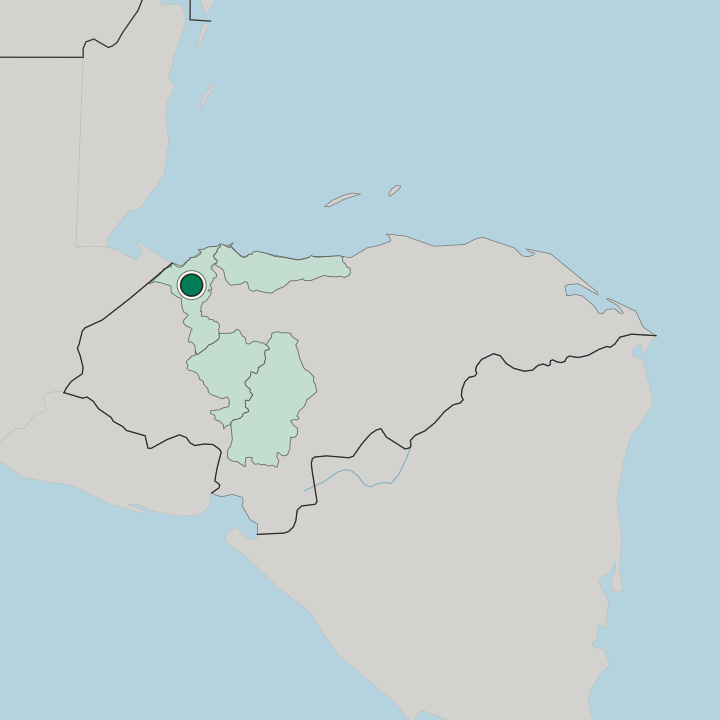
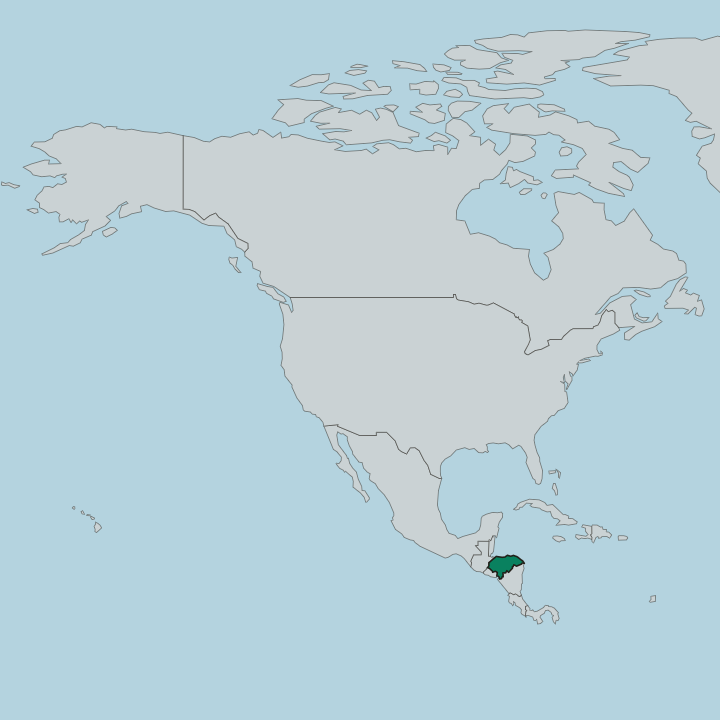
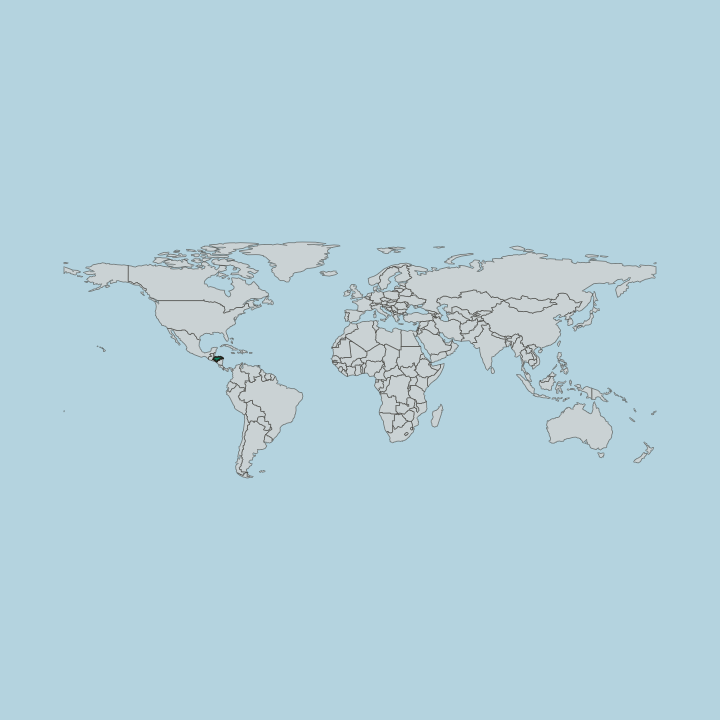
San Pedro Sula sits in the Sula Valley, in the northwest corner of Honduras, about fifty kilometres south of Puerto Cortés on the Caribbean coast. The Departamento de Cortés takes its capital from the city. Chamelecón lies within the municipal area.
What is the climate of San Pedro Sula?
San Pedro Sula has a tropical wet and dry climate, Aw in the Köppen scheme. January through May is dry. Rain falls through the rest of the year, and temperatures stay high whatever the month.
Hurricanes and tropical storms reach the city in season, forming in the southern Caribbean or off Western Africa; Hurricane Mitch is the one still measured against.
How do you get to San Pedro Sula?
San Pedro Sula is the industrial centre of Honduras, and the roads of the Departamento de Cortés run to it. Puerto Cortés on the Caribbean lies about fifty kilometres north, which is how the region's freight moves. Tegucigalpa is the other pole.
Good for
Updated September 2026