Honduras
Departamento de Cortés, Honduras — Towns & Travel Guide
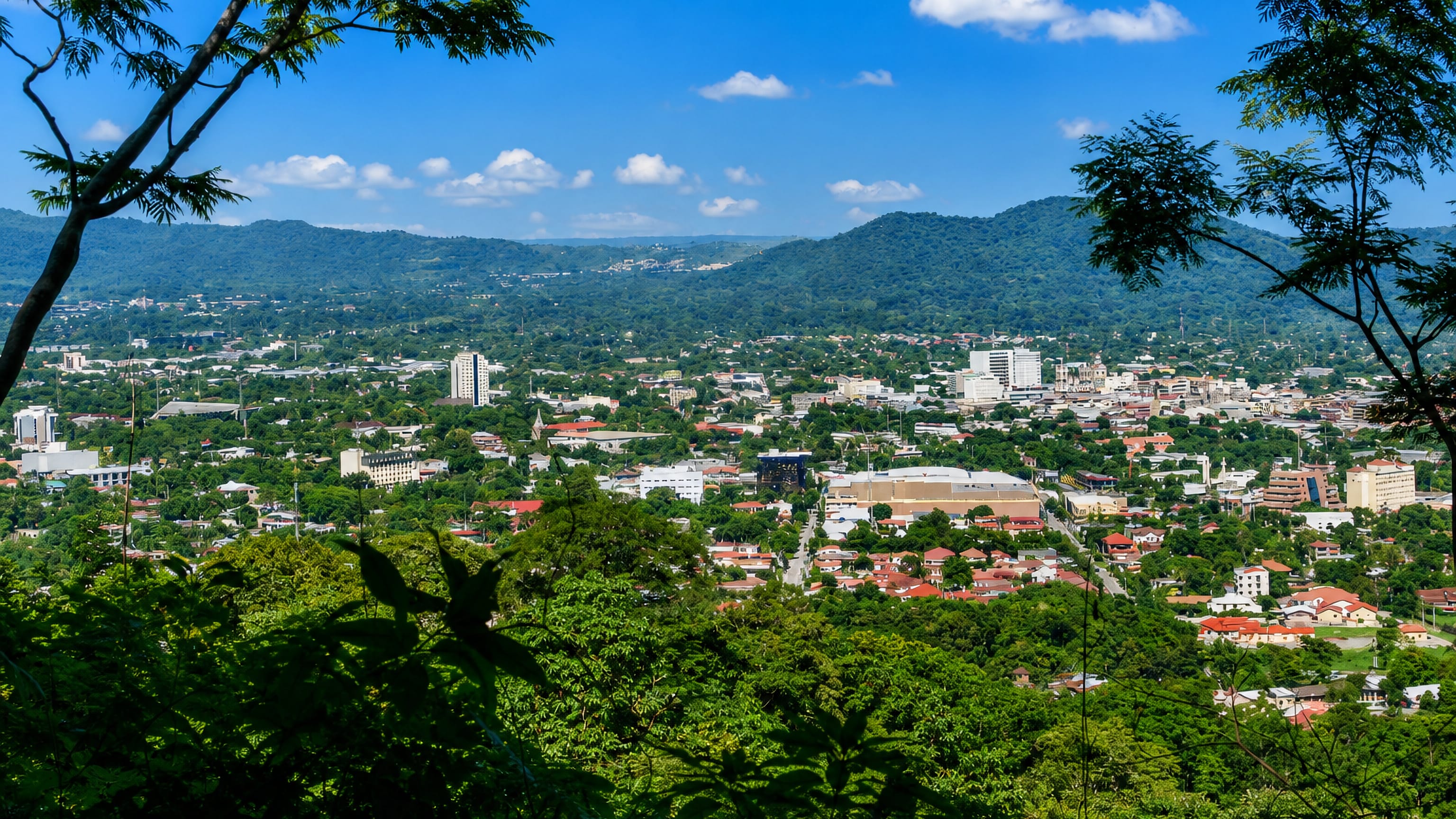
The Sula Valley fills most of Departamento de Cortés, a tropical lowland of Honduras crossed by the Ulúa and Chamelecón rivers.
Hotel links are affiliate links: booking through them may earn us a commission, at no extra cost to you. It never affects how places are ranked. How this works


Towns & cities in Departamento de Cortés
One town here has its own guide — it links to where to stay.

 Honduras
San Pedro Sula
San Pedro Sula is capital of the Departamento de Cortés and Honduras's industrial centre in the Sula Valley. Central America's largest non-capital city.Where to stay →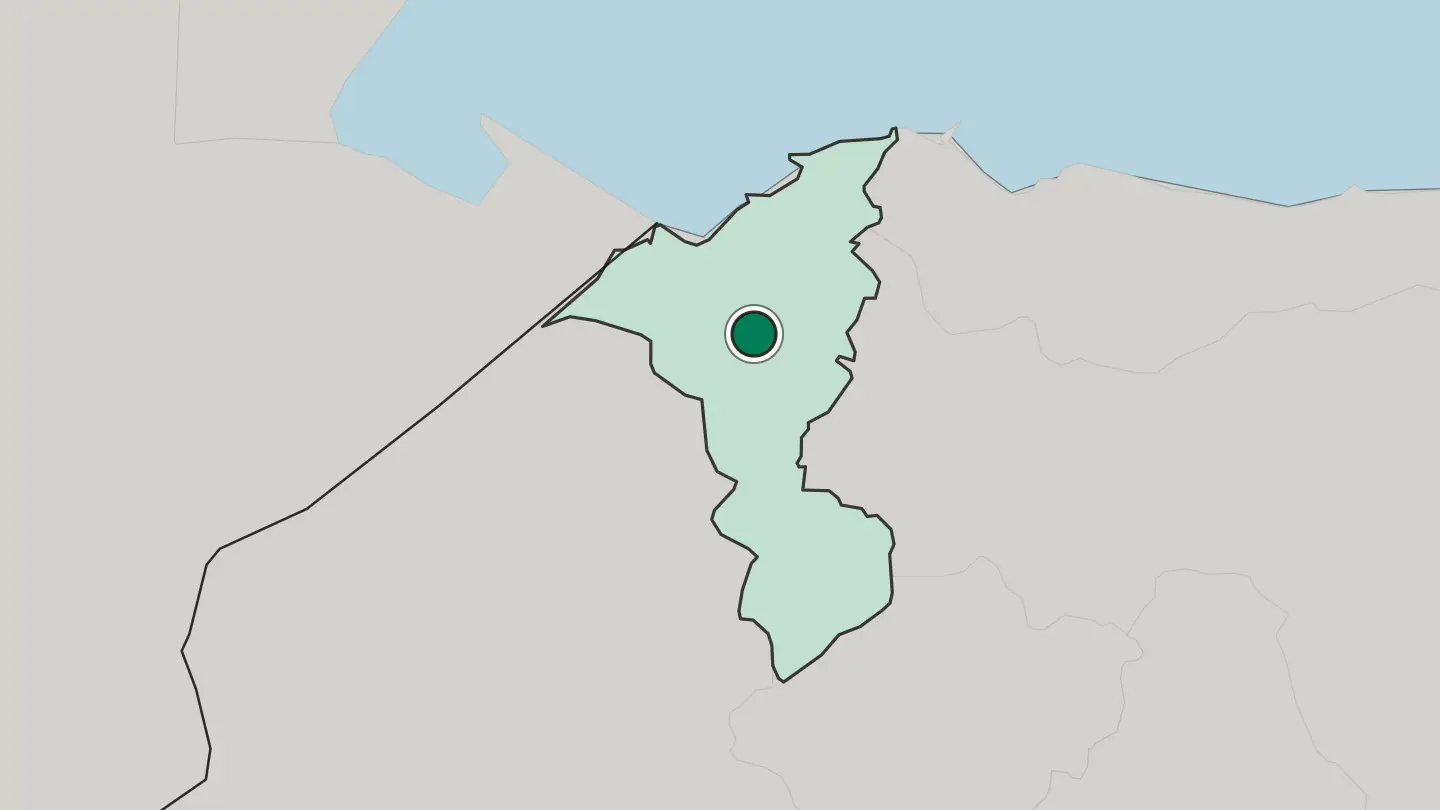
Hotel links are affiliate links: booking through them may earn us a commission, at no extra cost to you. It never affects how places are ranked. How this works
About Departamento de Cortés
Cortés is the lowland department.
What is Departamento de Cortés known for?
The Sula Valley takes up most of Departamento de Cortés, a tropical plain that the Ulúa River and the Chamelecón River cross before the ground lifts towards the Merendón Mountains. That plain carries the department. More people live in Cortés than in any other of the 18 departments of Honduras, and the flat, well-watered ground of the Sula Valley is the plain reason for it.
Where is Departamento de Cortés?
Cortés is mostly flat. The Sula Valley, a tropical lowland, takes up the greater part of Departamento de Cortés, and two rivers work across it: the Ulúa River and the Chamelecón River, which between them drain the plain that gives the department its shape. Both rivers reach the same plain.
The exception rises at the department's edge. The Merendón Mountains lift out of that lowland and give Cortés Department the only relief it has, a wall of higher ground standing against an otherwise level floor. Rivers decide a lot here.
The Ulúa River and the Chamelecón River both cross the Sula Valley, and a lowland drained by two rivers of that size sets the terms for what can be grown on it and where roads are easiest to lay. Height changes everything on the Merendón side. That contrast is the department's defining geography: a strip of mountain against a lowland that occupies nearly all the rest.
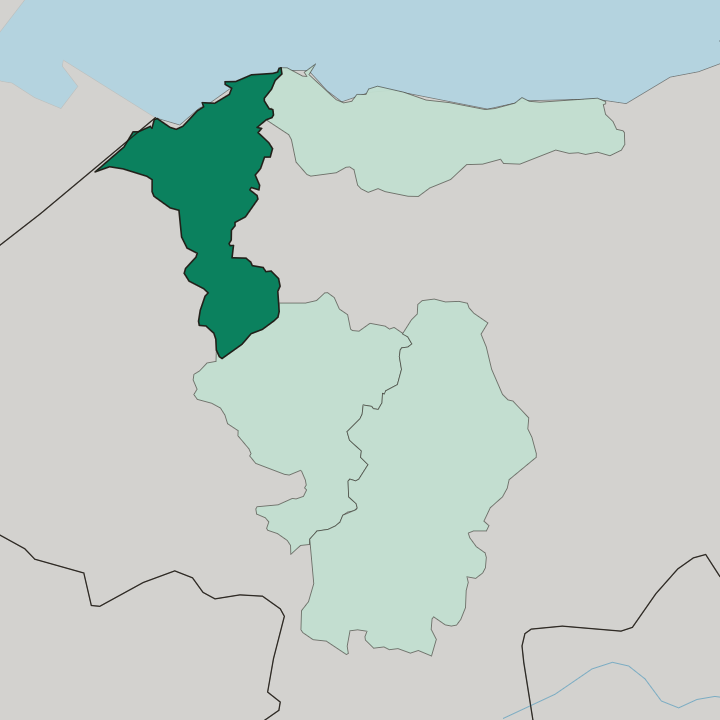
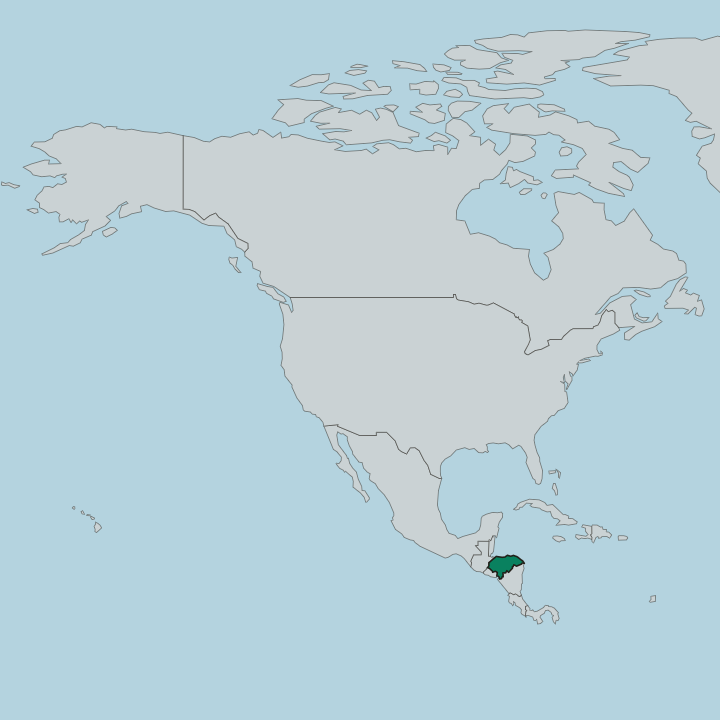
Departamento de Cortés is one of the 18 departments of Honduras, and its compact territory puts the Merendón Mountains and the river plain within reach of one another rather than at opposite ends of a long province. The valley is the department.
What is Departamento de Cortés like?
Spanish carries the department. Cortés holds more people than any other department of Honduras, and the language of its offices, its schools and its trade across the Sula Valley is the same Spanish spoken in the rest of the country. Weight of numbers shapes the rest.
A department that carries that much of the national total develops a working culture of its own, built around movement along the valley floor rather than around a single town's traditions. Everyday life runs on the valley floor, where the roads and the working life of Cortés share the same flat ground between the two rivers. The department is comparatively young.
Cortés Department was constituted in 1893, and its character has been shaped by the Sula Valley it occupies rather than by any long administrative history. Geography did the organising. Life in Departamento de Cortés runs along the lowland: the settlements that matter sit where the Ulúa River and the Chamelecón River make the ground workable, and the Merendón Mountains mark the edge beyond which that pattern stops.
Up on the Merendón slopes the pattern thins out, and the department's centre of gravity stays down where the two rivers run.
What is the history of Departamento de Cortés?
Cortés dates from 1893. The department was formed in that year as one of the 18 departments of Honduras, taking in the Sula Valley lowland together with the ground rising towards the Merendón Mountains. The valley did the rest.
Land drained by the Ulúa River and the Chamelecón River drew settlement steadily onto the plain, and Cortés Department came to carry more people than any other department in Honduras.
What is the climate of Departamento de Cortés?
The valley runs warm. Departamento de Cortés lies in the tropical band of the northern hemisphere, and the Sula Valley lowland takes the full weight of that heat while the Merendón Mountains hold cooler air on their slopes. Height is the only variable.
Between the river plain and the mountain edge the department covers a narrow range of conditions, so a year planned around the Ulúa River lowland will hold for most of Cortés.
How do you get to Departamento de Cortés?
The Sula Valley is the corridor. Movement into Departamento de Cortés follows the lowland floor, because a plain drained by the Ulúa River and the Chamelecón River carries roads far more easily than the slopes of the Merendón Mountains do. Routes concentrate there for a reason.
Approaches from elsewhere in Honduras reach Cortés Department across the valley, and anything on the mountain side is a branch off that main line of travel rather than a route in its own right.
Common questions
What is the best area to stay in Departamento de Cortés?
The Sula Valley floor: stays close to the Ulúa River lowland, where most of the department's road traffic runs. The Merendón slopes: walkers heading for the Merendón Mountains instead of the Sula Valley floor.
Good for
More regions in Honduras
Updated September 2026