Honduras · Departamento de Francisco Morazán
Where to Stay in Tegucigalpa, Departamento de Francisco Morazán
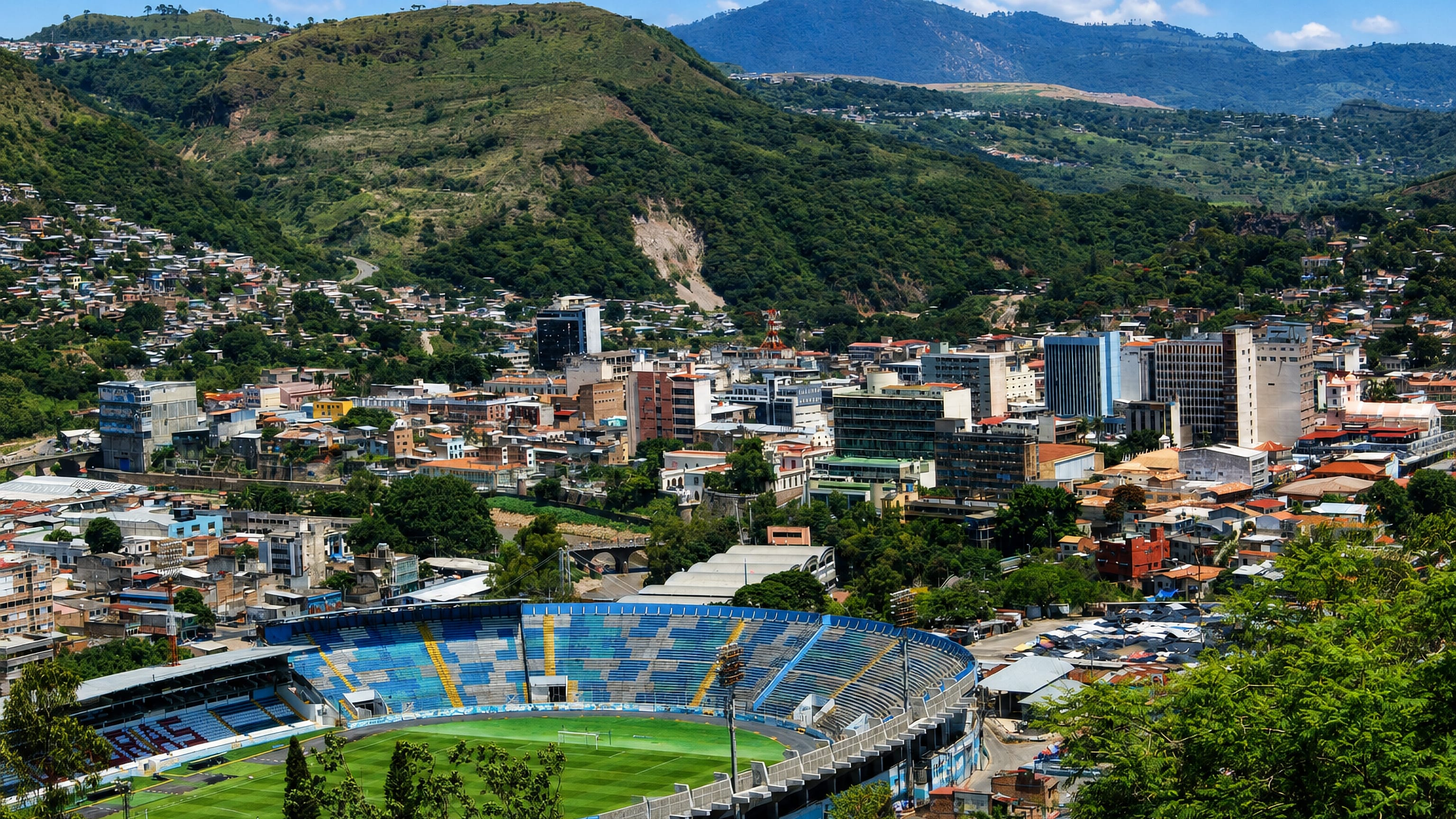
Stone streets climb steep hills in Tegucigalpa, the capital of Honduras, an old mining city known for its colonial churches and hillside setting.
Hotel links are affiliate links: booking through them may earn us a commission, at no extra cost to you. It never affects how places are ranked. How this works


Where to stay in Tegucigalpa
The practical side of choosing where to sleep.
Tegucigalpa spreads its lodging across a city built into steep hills, so where you stay depends on the slope. The historic centre gathers the oldest ground around St. Michael the Archangel Cathedral and the iglesia de San Francisco, a district of stone streets, small plazas, and worn steps climbing between colonial buildings. It suits travellers who want to walk to the churches and museums.
Rooms here range from plain guesthouses to older hotels near the central square. Higher up and to the sides, newer quarters climb the ridges away from the old core. These hillside neighbourhoods hold the business hotels and quieter guesthouses, set among the residential slopes with views back over the bowl of the city.
Comayagüela, the sister city across the river, forms the older working half of the metropolis and its markets. Let your reason for coming decide. Stay in the historic centre to reach the cathedral, the National Gallery of Art, and the museum quarter on foot, or take a hillside hotel for calmer nights above the valley floor of Honduras.
Find hotels in Tegucigalpa
Direct booking searches for these neighbourhoods.
Historic centre
The old core around St. Michael the Archangel Cathedral and the iglesia de San Francisco packs stone streets, plazas, and museums into a walkable slopeFind hotels in Historic centreQuieter business-hotel nights on the slopes above the city bowlHillside ridges
The residential ridges climbing above Tegucigalpa's centre hold calmer guesthouses with views over the valley toward ComayagüelaFind hotels in Hillside ridgesHotel links are affiliate links: booking through them may earn us a commission, at no extra cost to you. It never affects how places are ranked. How this works
Things to do in Tegucigalpa
Ranked by global recognition; descriptions from Wikidata (CC0).
Museums & Galleries
3- Museum for National Identity
- National Gallery of Art
- Museo de Historia Republicana Villa Roy
Churches & Religious Sites
3- St. Michael the Archangel Cathedral, Tegucigalpa
- St. Mary of Sorrows Church
- iglesia de San Francisco
worth knowingacross 2 categories in Tegucigalpa
About Tegucigalpa
What is Tegucigalpa known for?
Tegucigalpa is known as the capital of Honduras and a four-century-old mining centre set in the mountains. Old stone streets wind up steep hillsides to hidden parks and worn stone steps. The colonial core holds the churches.
St. Michael the Archangel Cathedral fronts the central square, the iglesia de San Francisco stands among the oldest buildings, and museums such as the Museum for National Identity gather the country's art and story. Together with its sister city Comayagüela across the river, Tegucigalpa forms the largest urban area in Honduras.
What are the main landmarks in Tegucigalpa?
Tegucigalpa's landmarks cluster in its colonial centre and its museums. St. Michael the Archangel Cathedral anchors the central square, its stone facade rising over the old streets. Nearby stand the iglesia de San Francisco, among the city's oldest churches, and St. Mary of Sorrows Church.
The city keeps its story in galleries. The National Gallery of Art and the Museum for National Identity hold Honduran art and history, while the old San Francisco Barracks recall the military past of the capital. Further collections fill out the picture, from the Museo del Hombre Hondureño to the children's science centre Chiminike.
What is the history of Tegucigalpa?
Tegucigalpa began as a mining settlement, founded in 1578 in the hills of what is now Honduras. Silver drew the first settlers. The town grew slowly on its steep ground, and the colonial churches and stone streets of the centre date from these long mining centuries under Spanish rule.
Its wealth lay buried in the surrounding mountains, and the city that rose to work it took the shape of the hills. Over the generations Tegucigalpa outgrew its mining origins to become the capital of Honduras. The seat of national government settled among its hills, and the ministries, cathedral, and public institutions gathered in the old core.
Across the river its sister city Comayagüela grew alongside it. The two joined. Together they form the largest city in the country, and four centuries after the first miners arrived the old stone streets still climb the same slopes, now the heart of a national capital in the Honduran highlands.
Where is Tegucigalpa?
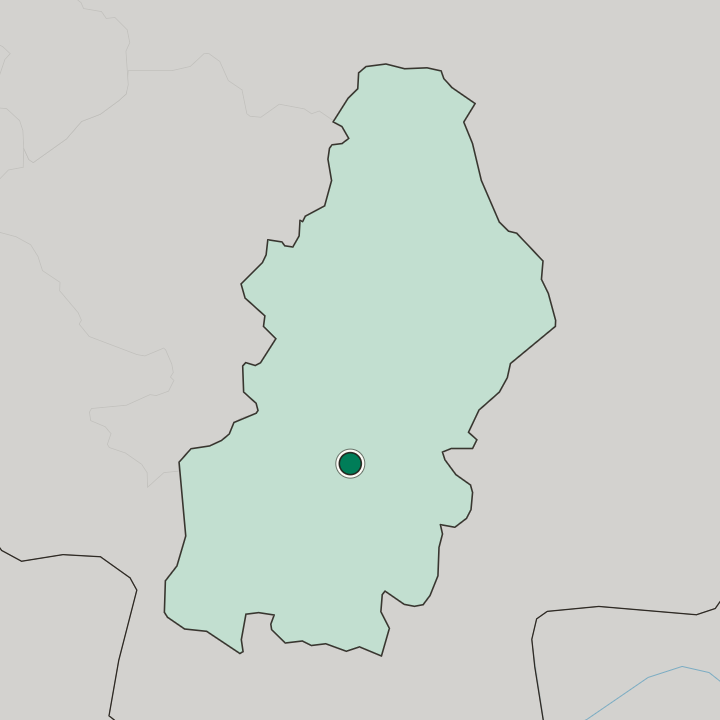
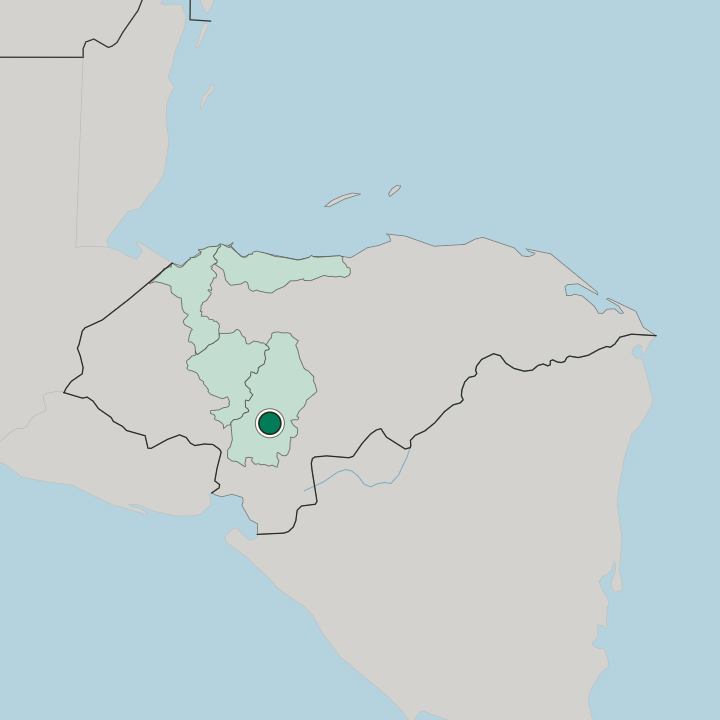
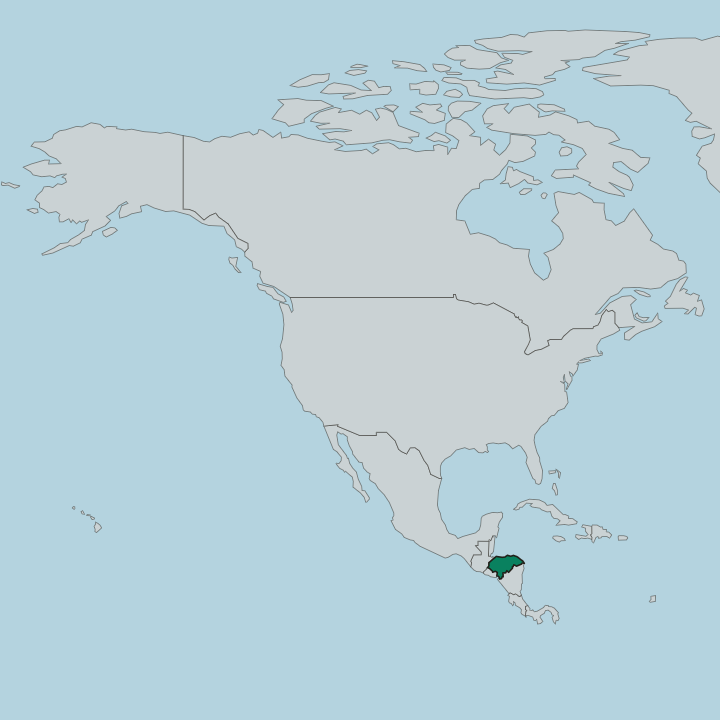
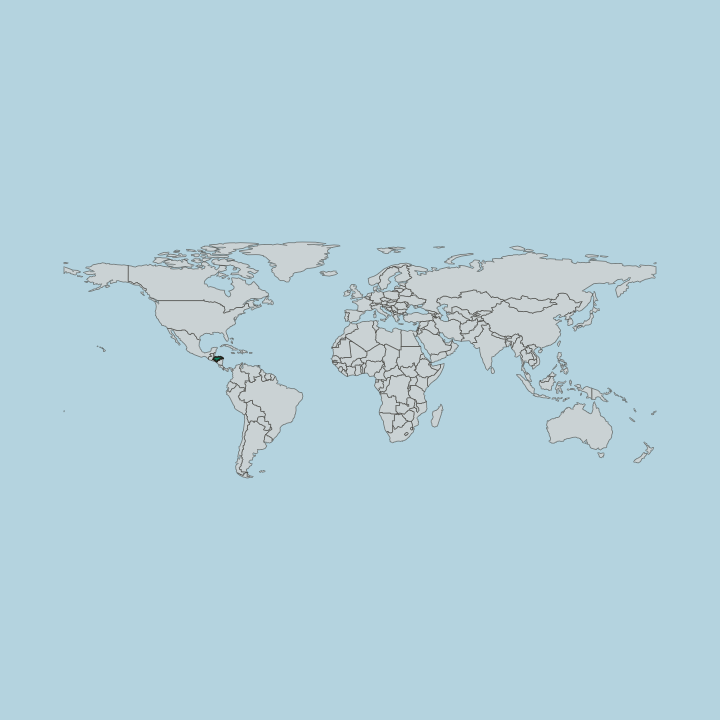
Tegucigalpa lies in the mountainous interior of Honduras, the capital of the department of Francisco Morazán. The city fills a bowl among steep hills. Its streets climb the surrounding slopes, and a river runs through the centre to divide Tegucigalpa from its sister city Comayagüela on the far bank.
No coast reaches the capital, set high in the pine-country ridges of the Honduran highlands well above the tropical lowlands.
What is the climate of Tegucigalpa?
Tegucigalpa has a mild tropical highland climate, tempered by the altitude of its mountain setting. The heat of lowland Honduras is softened here. Days stay warm and the nights turn cooler on the surrounding ridges, and the year divides into a drier and a wetter stretch rather than into cold and warm seasons.
The pine hills around the capital keep it greener and less humid than the Honduran coasts far below.
How do you get to Tegucigalpa?
Tegucigalpa is served by its own airport, the main air link to the capital of Honduras. Flights land on the high ground near the city. The national highways converge on Tegucigalpa from the Caribbean and Pacific coasts and from the west, all of them climbing into the mountains to reach it.
Roads wind up the ridges on every approach, so travellers arrive over high pine country whichever route they take into the Honduran interior.
Common questions
What is the best area to stay in Tegucigalpa?
Historic centre: Walking to the colonial churches from a base by the cathedral square. Hillside ridges: Quieter business-hotel nights on the slopes above the city bowl.
Good for
Updated September 2026