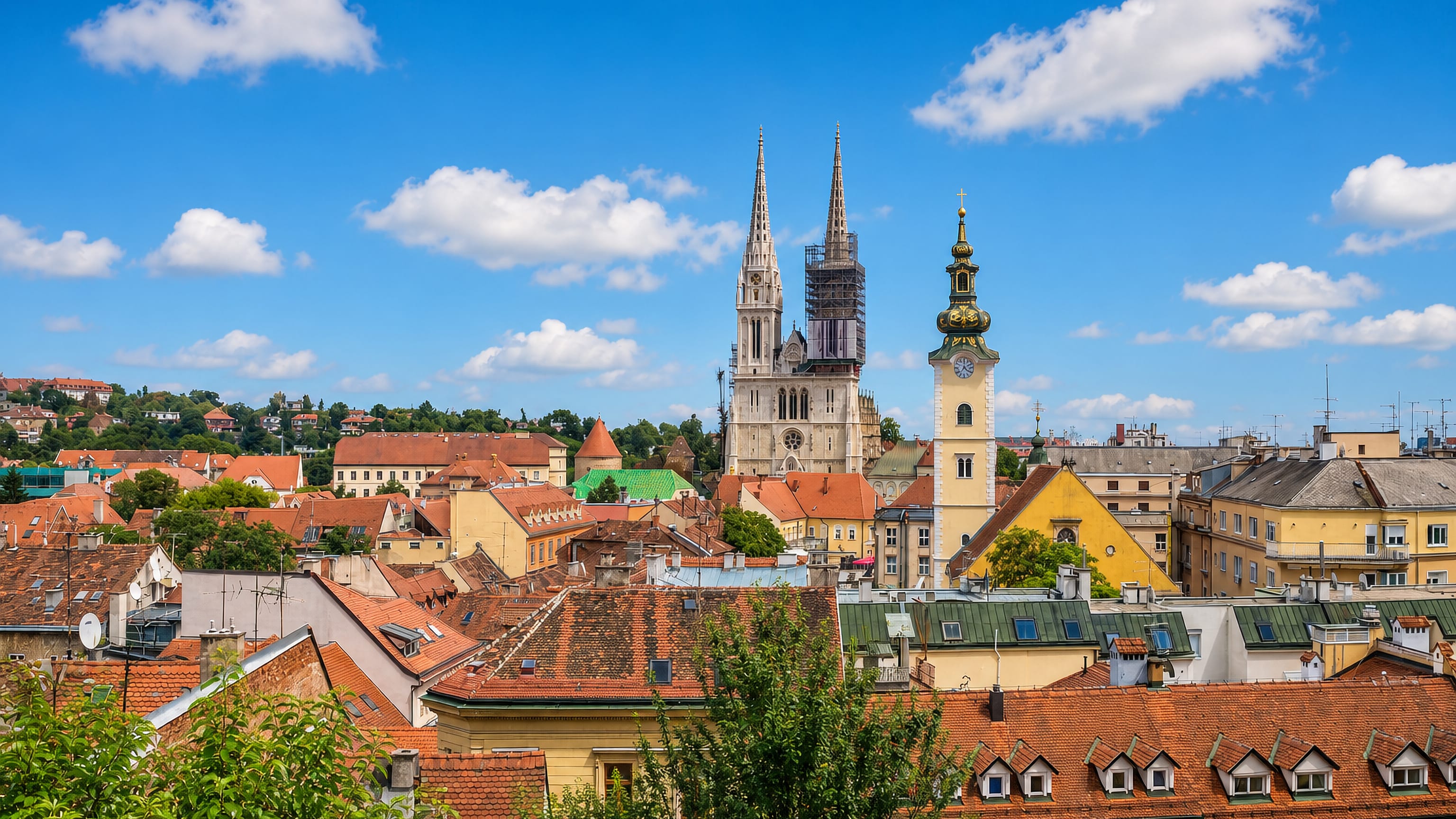
Croatia · City of Zagreb
Where to Stay in Zagreb, City of Zagreb
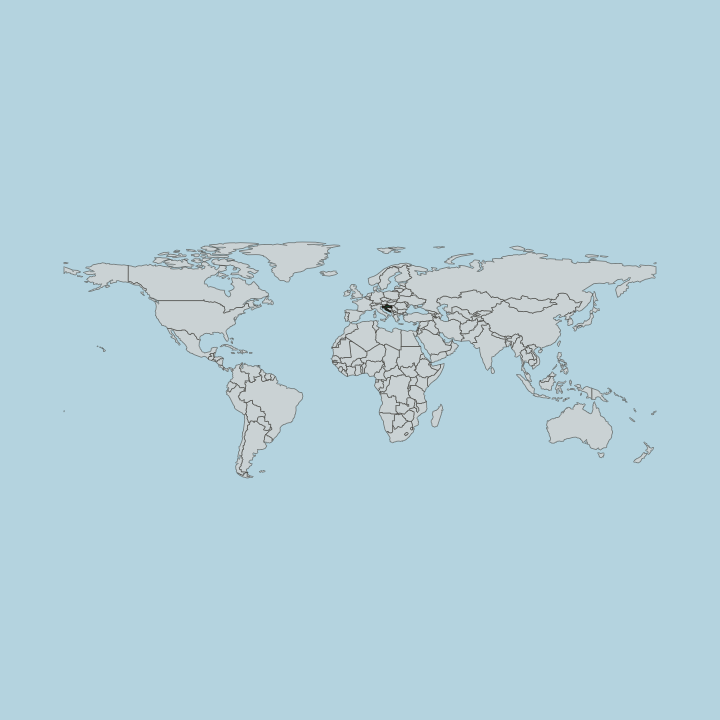
Zagreb is the capital of Croatia, a city of medieval streets and grand squares between the Sava river and the Medvednica mountain.
Hotel links are affiliate links: booking through them may earn us a commission, at no extra cost to you. It never affects how places are ranked. How this works


Where to stay in Zagreb
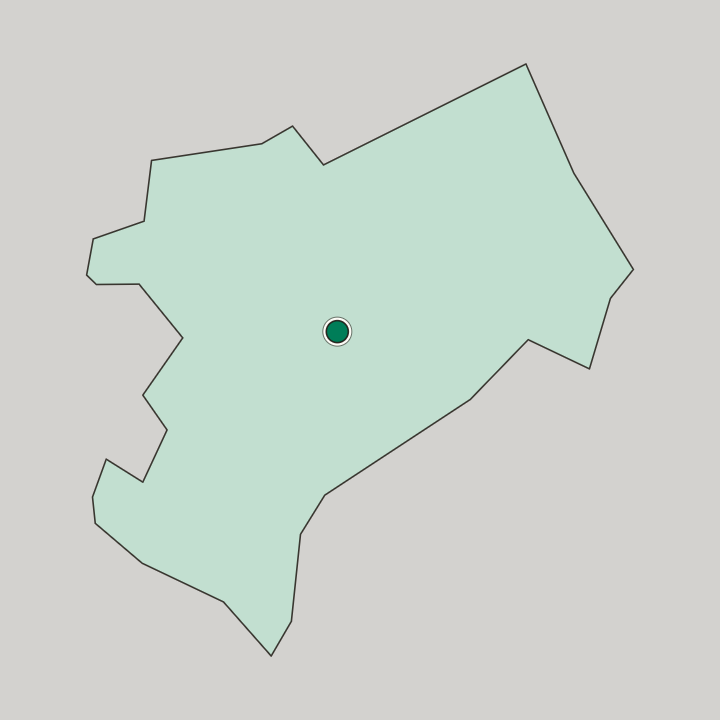
Where you base yourself shapes the visit — here's the character of each area.

 ZagrebCroatia
Črnomerec
Črnomerec is a city district in the western part of Zagreb, with the Mimara Museum and the Zagreb Orthodox Cathedral on its list.Where to stay → ZagrebCroatia
Novi Zagreb
The Croatian Museum of Contemporary Art stands in Novi Zagreb, a district of Zagreb in Croatia known for its parish churches.Where to stay →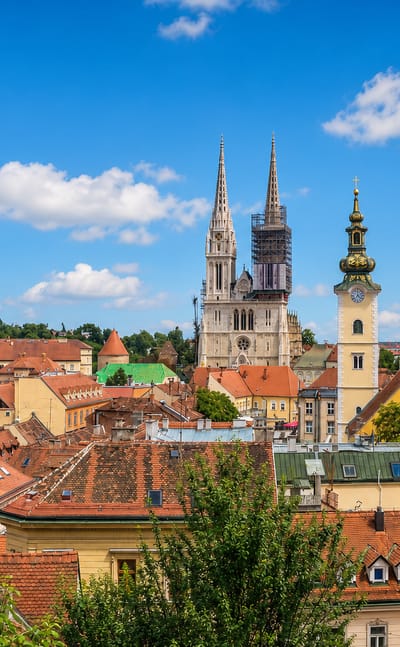 ZagrebCroatia
Podsljeme
Podsljeme lies in the foothills of Medvednica, the mountain above Zagreb, under the peak of Sljeme that gives the district its name.Where to stay →Hotel links are affiliate links: booking through them may earn us a commission, at no extra cost to you. It never affects how places are ranked. How this works
Find hotels in Zagreb
Direct booking searches for these neighbourhoods.
Ban Jelačić Square
The lower city around the main square keeps most of Zagreb's hotels within walking reach of the galleries and the old town.Find hotels in Ban Jelačić Squarequiet cobbled nightsThe old town
The medieval upper streets near Saint Mark's Church and the Lotrščak Tower trade nightlife for calm above the city.Find hotels in The old towncheaper rooms out from the centreOuter Zagreb
The districts beyond the core offer plainer rooms a short ride from Ban Jelačić Square along the main roads. Beds are limited here, so book early.Find hotels in Outer ZagrebHotel links are affiliate links: booking through them may earn us a commission, at no extra cost to you. It never affects how places are ranked. How this works
Things to do in Zagreb
Ranked by global recognition; descriptions from Wikidata (CC0).
Museums & Galleries
6- Meštrović Pavilion Heritage
- Art Pavilion in Zagreb Heritage
- Nikola Tesla Technical Museum Heritage
- Archaeological Museum of Zagreb Heritage
- Ethnographic Museum of Zagreb Heritage
Show 1 more →
- Museum of Arts and Crafts Heritage
Churches & Religious Sites
8- St. Mark's Church in Zagreb Heritage
- Zagreb Orthodox Cathedral Heritage
- St. Catherine's Church, Zagreb Heritage
- Church of Saint Blaise, Zagreb Heritage
- Greek Catholic Co-Cathedral of Saints Cyril and Methodius, Zagreb Heritage
Show 3 more →
- Basilica of the Heart of Jesus, Zagreb Heritage
- Our Lady of Remete Heritage
- St. Michael the Archangel Church, Zagreb (Gračani) Heritage
Castles & Historic Sites
1- spomenik Tarasu Ševčenku u Zagrebu
Stadiums & Sports
1- Športska dvorana Trnsko
Landmarks & Notable Places
1- Stone Gate Heritage
worth knowingacross 5 categories in Zagreb
About Zagreb
Zagreb is known for its medieval old town.
What is Zagreb known for?
The upper streets keep their cobbles and towers around Saint Mark's Church, while the lower city spreads out from the wide Ban Jelačić Square below. It is the capital of Croatia. As the largest city and seat of government, Zagreb gathers the country's museums, galleries, and cafe life on the plain of the Sava river.
Central Europe shows in every facade.
What are the main landmarks in Zagreb?
Zagreb's landmarks split between the old town and the lower city. Up top stand Saint Mark's Church, the Lotrščak Tower, and the Stone Gate, while Ban Jelačić Square anchors the streets below. The museums are the city's pride.
The Mimara Museum, the Strossmayer Gallery of Old Masters, and the Croatian Museum of Naïve Art hold the art, while the Museum of Broken Relationships and the Nikola Tesla Technical Museum draw crowds of their own. Zagreb's churches carry their own weight in the centre too. The Zagreb Orthodox Cathedral and the Zagreb City Museum round out the centre.
What is the history of Zagreb?
Zagreb traces its origins to 1094. In that year a bishopric was founded on the high ground above the Sava river, and a medieval town grew up around it on the slopes below the Medvednica mountain. A hilltop town took root.
Through the medieval centuries the upper town filled with churches, towers, and stone gates, the core that still crowns Zagreb above the plain. The city grew downhill onto the plain. Below the old town, the lower city spread out in the Central European style of Vienna, Budapest, and Prague, with wide squares like Ban Jelačić Square and grand facades.
Zagreb became the capital. As the largest city of Croatia and the seat of its government, it drew the country's institutions to the banks of the Sava river, growing far beyond the medieval core into the modern capital. The old town still crowns it all.
Its story is a medieval one. From the bishopric of 1094 to the capital of Croatia, Zagreb grew around the same high old town above the Sava river. The Medvednica mountain still stands over it.
Where is Zagreb?
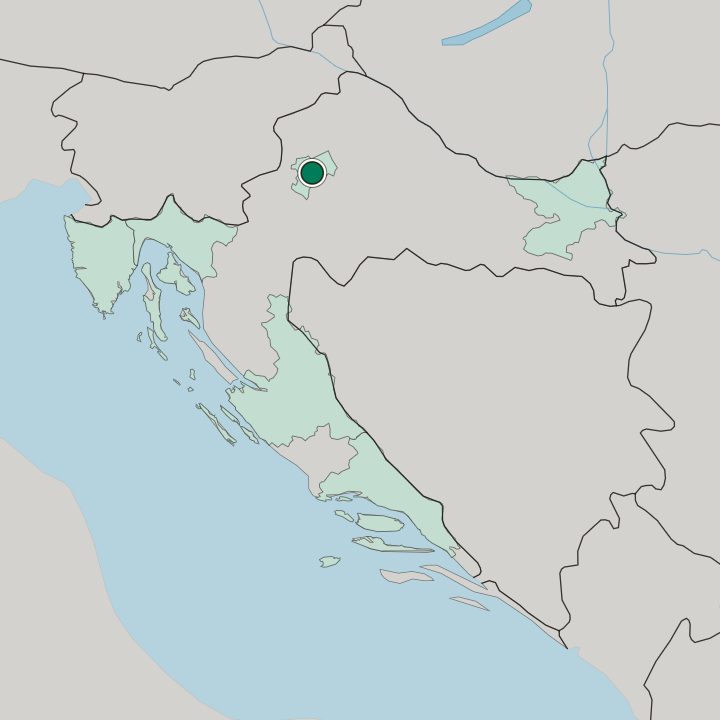
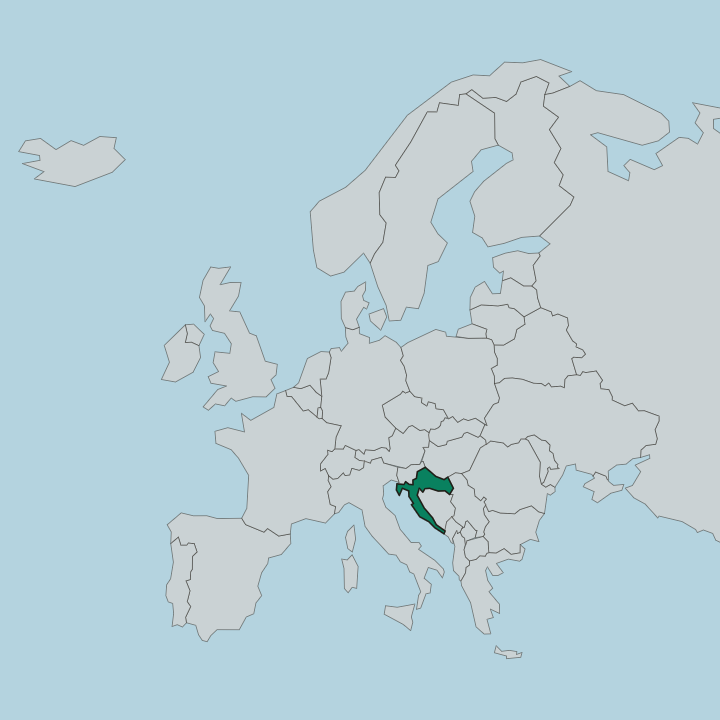
Zagreb lies in the north of Croatia. The city spreads across the plain of the Sava river, climbing north onto the lower slopes of the Medvednica mountain, whose ridge closes off the skyline above the rooftops. Slovenia is close by.
Zagreb stands near the international boundary between Croatia and Slovenia, well inland from the coast, on the low ground below the northern hills at the edge of the Sava plain. It is a river-plain city under a mountain.
What is the climate of Zagreb?
Zagreb sees four full seasons. Well inland below the Medvednica mountain, the city runs to hot summers and cold, often snowy winters, with a wide swing between the two across the year. Winters can turn sharp.
Cold air pools on the Sava plain through winter, bringing fog and frost, while summers grow hot in the inland basin of the north. The mountain shelters it a little.
How do you get to Zagreb?
Zagreb is Croatia's main point of arrival. The capital carries the country's largest airport and its central railway station, the place where road, rail, and air routes from across the country and from neighbouring Slovenia come together. Trains run from the centre.
From the central station near the Sava river, lines fan out to the coast, the eastern plains, and across the border, while roads leave the capital in every direction. Most trips through Croatia start here.
Common questions
What is the best area to stay in Zagreb?
Ban Jelačić Square: museums and transit. The old town: quiet cobbled nights. Outer Zagreb: cheaper rooms out from the centre.
Good for
Updated October 2026