Croatia · Istria County
Where to Stay in Pula, Istria County
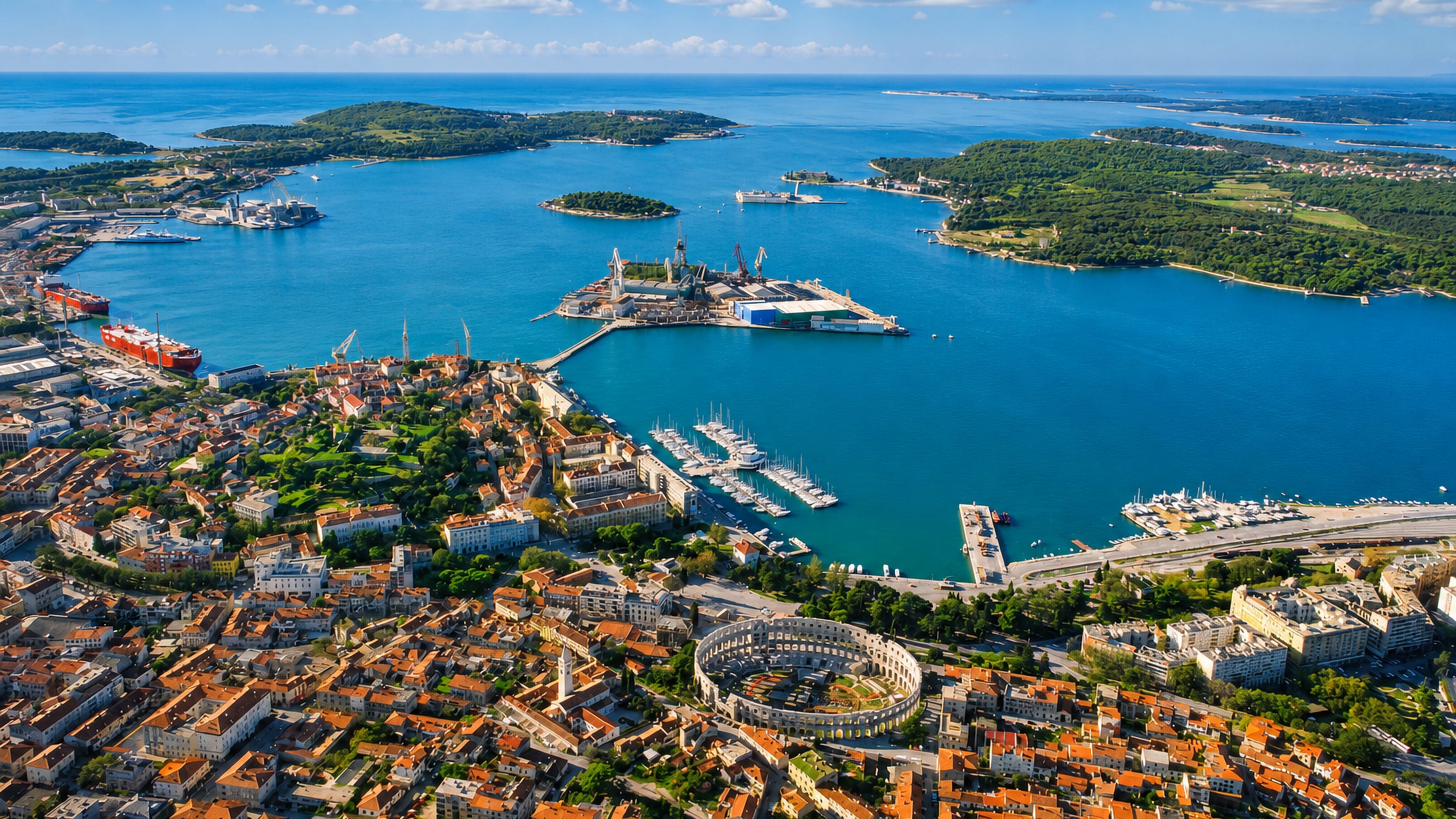
Roman stone rings the harbour at Pula, the largest city of the Istrian peninsula and seat of Istria County, known for the vast Pula Arena.
Hotel links are affiliate links: booking through them may earn us a commission, at no extra cost to you. It never affects how places are ranked. How this works


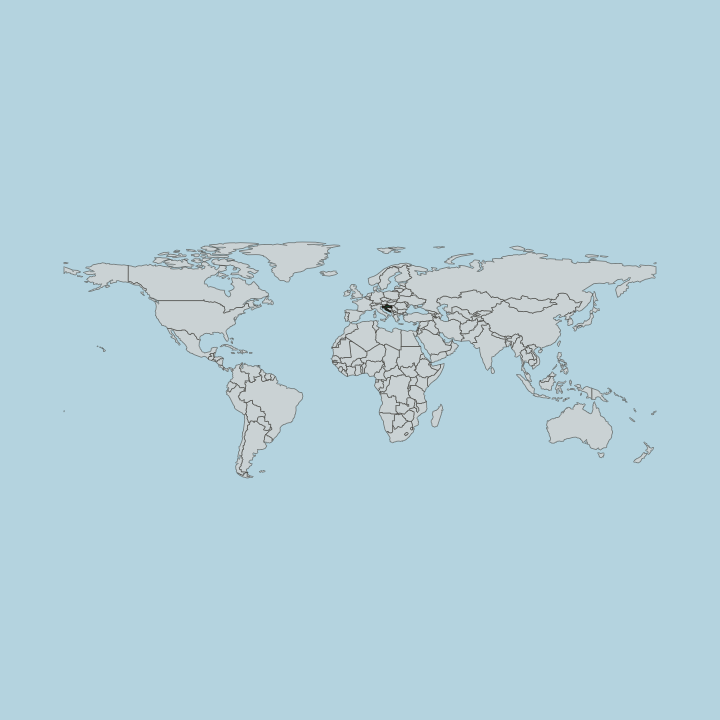
Where to stay in Pula
The practical side of choosing where to sleep.
Pula wraps around a working harbour. Your choice of base comes down to how close you want to sleep to the Roman core, and the old town climbs a low hill from the water, packing the Pula Arena, the Temple of Augustus, and the forum within an easy walk of Pula Cathedral. Central rooms mean ruins at every corner.
You trade quiet for that convenience, since the streets around the amphitheatre carry the city's evening life and the beds inside the historic core stay limited. Spread around the bay and along the coast, the outer quarters of the Istrian peninsula hold more rooms, resort space, and the beaches that draw summer crowds to Istria County. These districts suit families and drivers who want a car, a pool, and a short hop into town for the Archaeological Museum of Istria and Agripina's house.
The old town's walk-everywhere ease goes. What you gain is room to breathe and easy day trips inland toward Pazin, the administrative seat that superseded Pula, and out along the wider Istrian coast.
Find hotels in Pula
Direct booking searches for these neighbourhoods.
Old town and forum
The hill above the harbour sets the Pula Arena, the forum with its Temple of Augustus, and Pula Cathedral within a few Roman-paved minutes, though beds inside the historic core are limited. Rooms are few around here — worth securing early.Find hotels in Old town and forumFamilies and drivers wanting beaches and day trips inland toward PazinBay and coast quarters
The outer districts around the bay of the Istrian peninsula hold resort rooms, parking, and beaches, keeping the Archaeological Museum of Istria a short drive into central PulaFind hotels in Bay and coast quartersHotel links are affiliate links: booking through them may earn us a commission, at no extra cost to you. It never affects how places are ranked. How this works
Things to do in Pula
Ranked by global recognition; descriptions from Wikidata (CC0).
Museums & Galleries
3- Archaeological Museum of Istria
- Historical and Maritime Museum of Istria
- Muzej suvremene umjetnosti Istre
Churches & Religious Sites
3- Temple of Augustus Heritage
- Chapel of St. Mary Formosa Heritage
- Pula Cathedral
Castles & Historic Sites
3- Pula Arena Heritage
- Agripina's house
- Pula Castle
worth knowingacross 3 categories in Pula
About Pula
What is Pula known for?
Pula is known for its dense stock of ancient Roman buildings at the southern tip of the Istrian peninsula. The Pula Arena, one of the best-preserved Roman amphitheatres anywhere, still stands nearly whole above the harbour, and the Temple of Augustus fronts the old forum square. Wine and ships built the rest.
A long tradition of winemaking, fishing, and shipbuilding runs through the largest city of Istria County, whose Roman roots also gave Croatia the Italian-named Pola that older maps still record.
What are the main landmarks in Pula?
In Pula the landmarks are overwhelmingly Roman. They cluster within the old town. The Pula Arena dominates everything, a nearly complete amphitheatre whose outer wall still rings the sky, while the Temple of Augustus and the forum mark the civic heart the Romans laid down.
Pula Cathedral and the Chapel of St. Mary Formosa carry the medieval and later town. Two collections tell the rest: the Archaeological Museum of Istria and the Historical and Maritime Museum of Istria hold the finds and the seafaring record of the Istrian peninsula, with Agripina's house preserving a Roman domestic floor beneath the modern street.
What is the history of Pula?
Pula was a Roman city, and its plan still shows it. The Romans raised the great amphitheatre now called the Pula Arena and set the Temple of Augustus on a forum that remains the civic centre of the Istrian peninsula, and the town served as the administrative heart of the region from ancient times onward. Ships and wine sustained it.
Trade through the harbour and the vineyards inland gave the city a working economy that outlasted every empire that claimed the coast, while the Italian name Pola records the long centuries of shared coastal culture along the Istrian shore. Administrative power eventually moved on. The seat of the region passed to Pazin in 1991, closing a run of leadership that had lasted since Roman rule, yet the monuments stayed.
Pula Cathedral and the Chapel of St. Mary Formosa carried the Christian and medieval town through Venetian and later hands. Agripina's house survives beneath the modern pavement as a Roman domestic fragment. The Archaeological Museum of Istria gathers what the ground keeps giving up, so the whole city reads as one continuous Roman document, weathered but legible.
Where is Pula?
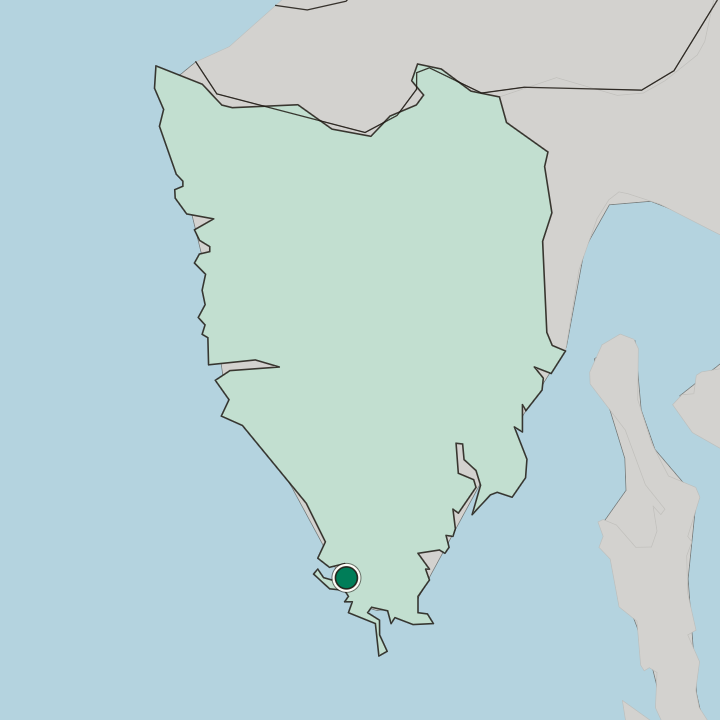
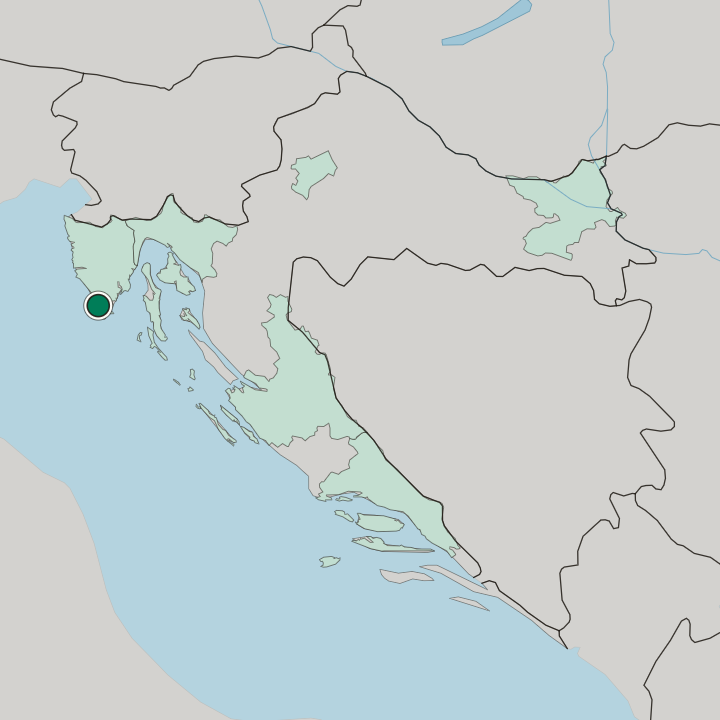
Pula sits at the southern tip of the Istrian peninsula, wrapped around a deep natural harbour. Low limestone hills carry the old town above the water, and the coast breaks into bays and small islands that shelter the port. Water defines the place.
As the largest city of Istria County, Pula looks out from the very end of the peninsula, with the sea reaching in around three sides and the flat Istrian interior stretching north toward Pazin and the vineyards that have always fed the town.
What is the climate of Pula?
Pula has a mild Mediterranean climate at the tip of the Istrian peninsula. Summers run long, hot, and dry, filling the harbour and the terraces around the Pula Arena. Winters stay soft and damp.
Rain gathers mostly in the cooler months, and the sea moderates the extremes so hard frost is rare, though the cold wind off the Istrian interior can still sharpen a winter day around Pula Cathedral and the exposed old town. Long dry summers follow, keeping the Roman stone warm well into autumn.
How do you get to Pula?
Pula is reached by road, sea, and air at the end of the Istrian peninsula. An airport near the city links it to the rest of Europe, and the coastal road ties it into Istria County and the wider Croatian network. Ferries work the harbour.
Boats run from the port to the offshore islands and up the Istrian coast, while buses connect Pula inland to Pazin and the peninsula's interior towns, and the walk from the bus station to the Pula Arena takes only minutes through the Roman core.
Common questions
What is the best area to stay in Pula?
Old town and forum: First-time visitors who want the Pula Arena and Temple of Augustus within a short walk. Bay and coast quarters: Families and drivers wanting beaches and day trips inland toward Pazin.
Good for
Updated September 2026