Croatia · Osijek-Baranja County
Where to Stay in Osijek, Osijek-Baranja County
Osijek is the principal city of Slavonia and the seat of Osijek-Baranja County, on the Drava above its confluence with the Danube.
Hotel links are affiliate links: booking through them may earn us a commission, at no extra cost to you. It never affects how places are ranked. How this works


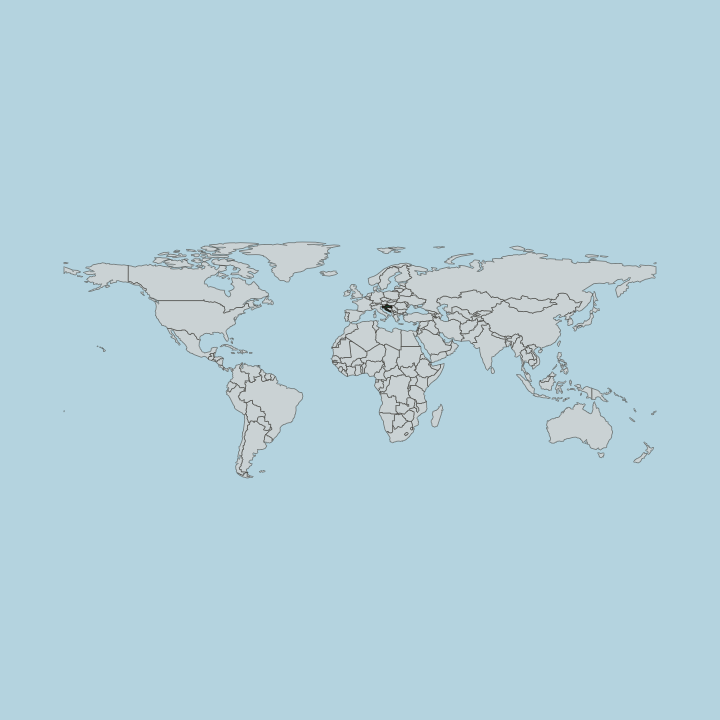
Where to stay in Osijek
How the choice of base plays out on the ground.
Gornji Grad or Donji Grad, that is the decision. The upper quarter carries most of the museum addresses, so a room there leaves the Museum of Slavonia, the Museum of Fine Arts in Osijek and the Church of Saint Michael within a walk of a few minutes, and Gallery Waldinger is no further off than any of them. Everything is close in Gornji Grad.
The Saint Roch chapel of that quarter stands among the same blocks, and Helfrich House is one of several town houses on the surrounding streets. Donji Grad reads differently. The lower quarter runs downstream along the Drava with its own Saint Roch chapel and the Church of the Dormition of the Mother of God, and a room there trades the museum doorsteps for a quieter street and a shorter walk to the water.
Along the bank the pull is the river itself. The Osijek Zoo and Aquarium and the Mačkamama Sports Center suit anyone travelling with children, and staying near the Drava puts both within reach without crossing the whole city. Beds are not scarce in either quarter. Osijek-Baranja County spreads well past the built-up edge, and a room out there earns its place only for a driver heading on toward the Danube or the border with Serbia.
Find hotels in Osijek
Direct booking searches for these neighbourhoods.
Gornji Grad
The upper quarter holds the museum addresses and its own Saint Roch chapel.Find hotels in Gornji GradQuieter nights near the Church of the Dormition of the Mother of GodDonji Grad
The lower quarter runs downstream along the Drava, away from the museum blocks.Find hotels in Donji GradFamilies walking to the Osijek Zoo and AquariumThe Drava bank
Rooms on the river side sit between the water and the Mačkamama Sports Center.Find hotels in The Drava bankHotel links are affiliate links: booking through them may earn us a commission, at no extra cost to you. It never affects how places are ranked. How this works
Things to do in Osijek
Ranked by global recognition; descriptions from Wikidata (CC0).
Museums & Galleries
3- Museum of Slavonia
- Archaeological Museum Osijek
- Museum of Fine Arts in Osijek
Churches & Religious Sites
4- St. Roch Chapel in Gornji Grad (Osijek) Heritage
- Holy Cross Church and Convent in Osijek Heritage
- St. James Church and Convent in Osijek Heritage
- St. Roch Chapel in Donji Grad (Osijek) Heritage
Castles & Historic Sites
1- Mandić House Heritage
Stadiums & Sports
1- Mačkamama Sports Center
Landmarks & Notable Places
2- Helfrich House Heritage
- Kragujević-Mitrović House Heritage
worth knowingacross 5 categories in Osijek
About Osijek
Slavonia looks to Osijek.
What is Osijek known for?
The Museum of Slavonia, the Archaeological Museum Osijek and the Museum of Fine Arts in Osijek all stand in the one city, which is what the economic and cultural centre of a whole region tends to look like from the outside. The Drava runs past it. Osijek carries real weight as a transport hub as well, and the Osijek Zoo and Aquarium and the Mačkamama Sports Center bring in people from across Osijek-Baranja County.
What are the main landmarks in Osijek?
The museums cluster tightly. Museum of Slavonia, Archaeological Museum Osijek, Museum of Fine Arts in Osijek, Gallery Waldinger, four collections sit within the older quarters, and the Church of Saint Michael and the Church of the Dormition of the Mother of God stand among them. Three town houses survive under family names.
Helfrich House, Kragujević-Mitrović House and Mandić House account for those, while the Holy Cross Church and Convent in Osijek and the Saint James Church and Convent in Osijek complete the conventual group, and the Osijek Zoo and Aquarium draws a different crowd altogether.
What is the history of Osijek?
Osijek's founding year is missing from the record. What stands instead is the fabric: the Holy Cross Church and Convent in Osijek, the Saint James Church and Convent in Osijek, the Church of Saint Michael, and two chapels dedicated to Saint Roch, one in Gornji Grad and the other in Donji Grad. Six churches and chapels remain in all.
Their spread across both quarters shows a city that grew in more than one place at once, with the upper and lower towns building their own religious houses rather than sharing a single parish core. The Archaeological Museum Osijek keeps the record of the ground itself. Older layers sit beneath the standing streets, and the collection exists because the site has been occupied long enough to leave them, which is the usual reason a provincial city ends up with an archaeological museum of its own.
Houses carry the rest of the story. Helfrich House, Kragujević-Mitrović House and Mandić House survive under the names of the families attached to them, and the Church of the Dormition of the Mother of God records a second religious tradition alongside the Roman one in the same streets. The Museum of Slavonia gathers the regional record, the Museum of Fine Arts in Osijek and Gallery Waldinger the artistic one.
Position explains much of it. A city on the Drava, a short way above the Danube and close to the border with Serbia, sits where routes cross, and Osijek has drawn the administration of Osijek-Baranja County and the trade of Slavonia to itself for that reason.
Where is Osijek?
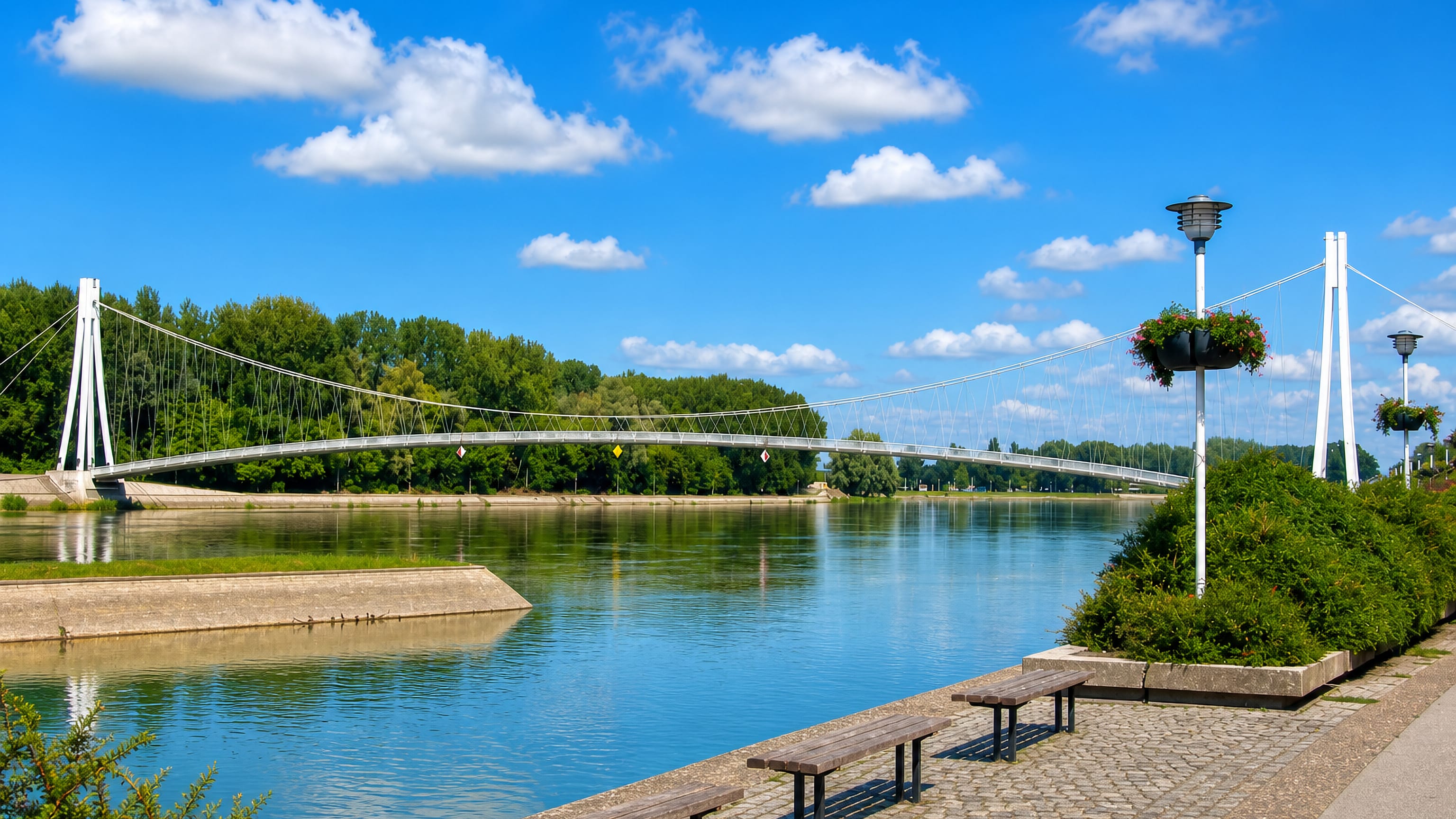
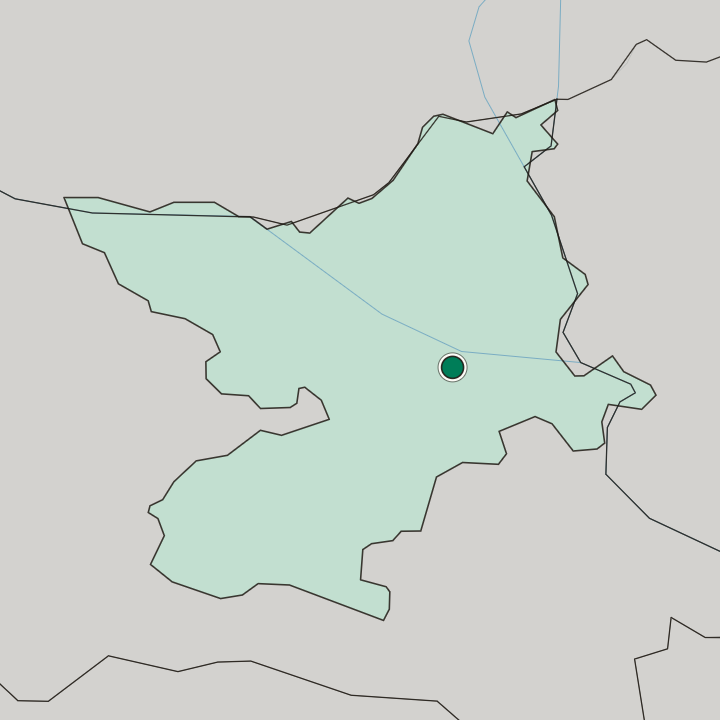
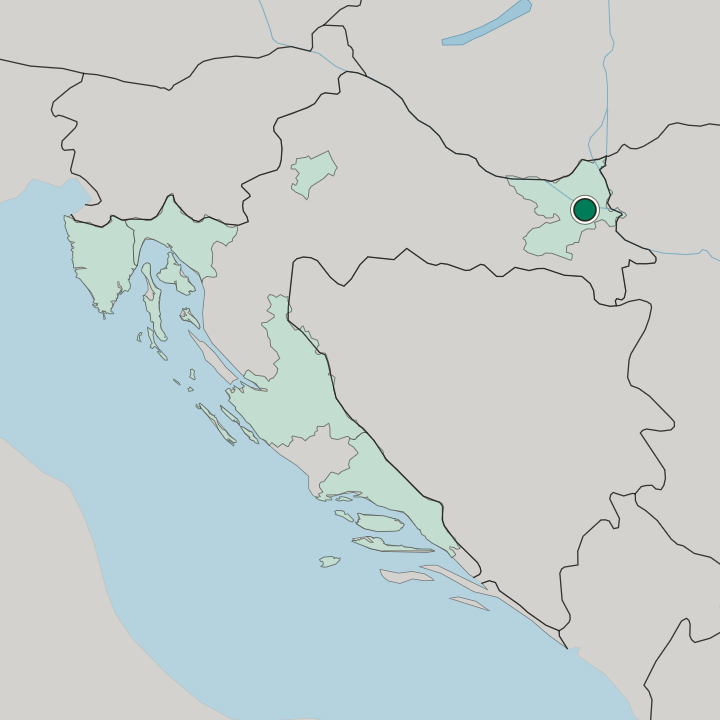
The Drava sets the line. Osijek stands on the southern bank of the river, 25 km upstream of the point where the Drava joins the Danube, on low ground about 94 m above the sea in the plain of Slavonia. Serbia lies 16 km away.
The county around the city carries both names, Osijek and Baranja, and the city itself divides into Gornji Grad and Donji Grad along the bank.
What is the climate of Osijek?
Continental air settles over the Drava valley. Osijek lies in the temperate band and far from any sea, so the year swings between hot summers over the plain of Slavonia and cold, still spells that hold along the river through the darker months. The Drava adds damp rather than warmth.
Nothing in the Danube basin here works against that pattern, and the seasons run to the rhythm of an inland plain.
How do you get to Osijek?
Osijek is the transport hub of Slavonia. Roads and rail converge on the city because most movement across the region has to pass through it, and the border with Serbia lies 16 km off, which puts international traffic on the same approaches. The Drava is crossed here.
Anyone coming up from the Danube reaches Osijek 25 km above the confluence, and Gornji Grad and Donji Grad both lie a short walk from the bank once inside the city.
Common questions
What is the best area to stay in Osijek?
Gornji Grad: Guests who want the Museum of Slavonia and the Church of Saint Michael on foot. Donji Grad: Quieter nights near the Church of the Dormition of the Mother of God. The Drava bank: Families walking to the Osijek Zoo and Aquarium.
Good for
Updated October 2026