Croatia
Osijek-Baranja County, Croatia — Towns & Travel Guide
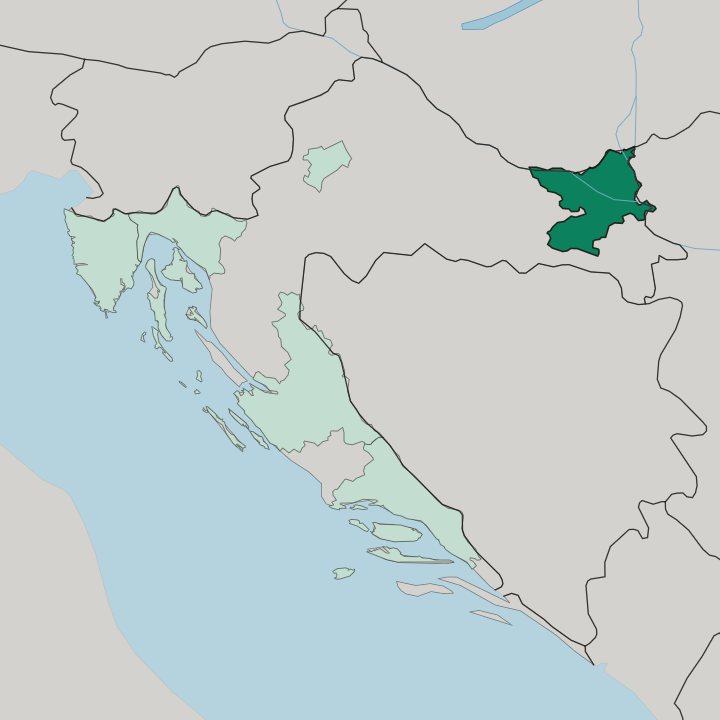
Osijek-Baranja County spreads across Slavonia and Baranja on the Pannonian Plain, with Osijek at its centre and Đakovo among its towns.
Hotel links are affiliate links: booking through them may earn us a commission, at no extra cost to you. It never affects how places are ranked. How this works


Towns & cities in Osijek-Baranja County
One town here has its own guide — it links to where to stay.

 Croatia
Osijek
Osijek is the principal city of Slavonia and the seat of Osijek-Baranja County, on the Drava above its confluence with the Danube.Where to stay →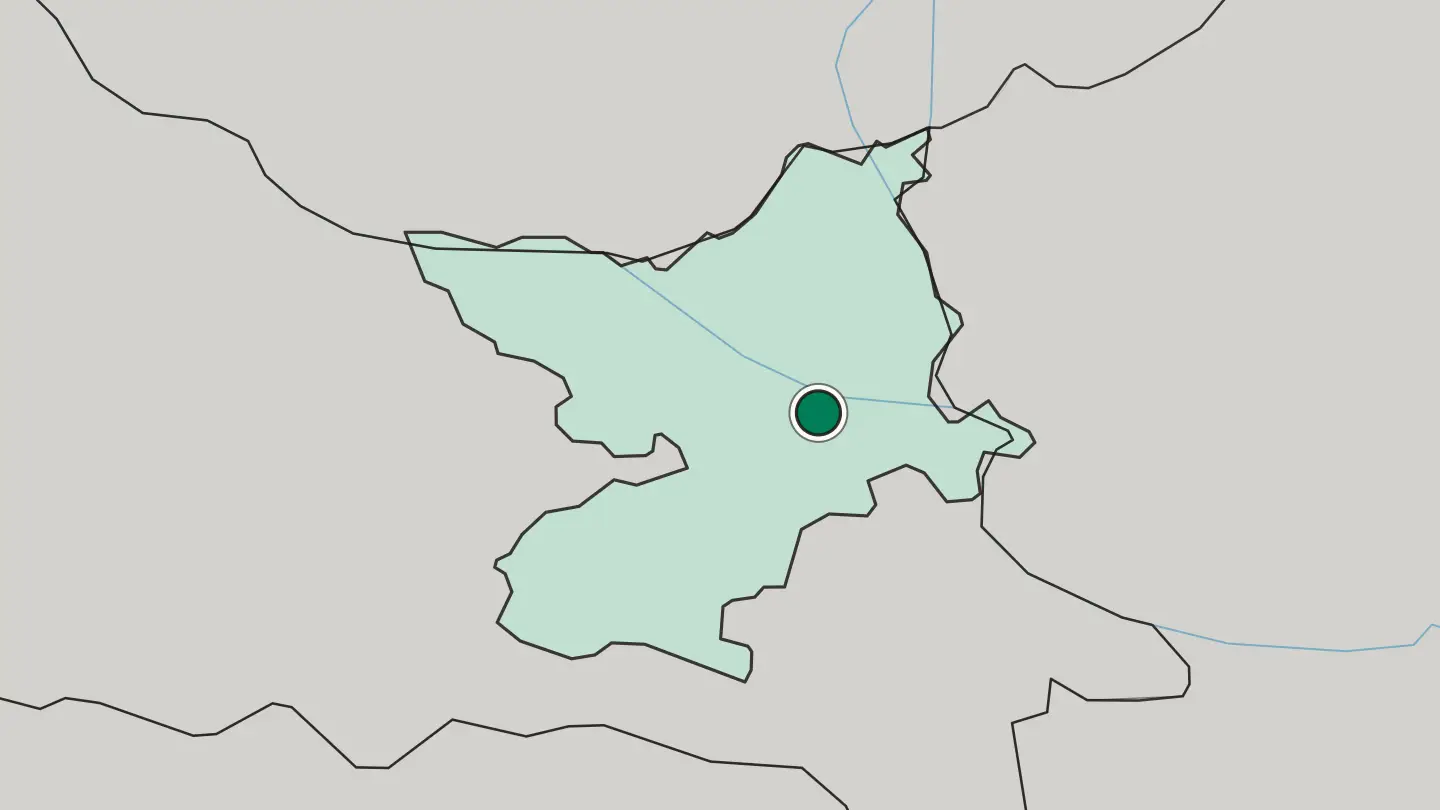
Hotel links are affiliate links: booking through them may earn us a commission, at no extra cost to you. It never affects how places are ranked. How this works
About Osijek-Baranja County
Flat country, and a lot of it.
What is Osijek-Baranja County known for?
Osijek-Baranja County occupies a share of the Pannonian Plain, the broad lowland that runs through this part of Croatia, and its farmland, its towns and its road pattern all follow from that level ground. Osijek is the centre. Around it sit Đakovo, Našice, Valpovo, Belišće and Beli Manastir, a spread of towns that keeps the county's business from collecting entirely in one place.
Where is Osijek-Baranja County?
The Pannonian Plain sets the terms. Osijek-Baranja County lies on that plain, a lowland of which Slavonia and Baranja are both defined parts, and the county's ground is level enough that its towns are spaced by distance rather than separated by any barrier. Two named lands make it up.
Slavonia and Baranja are both written into the county's own name, Osječko-baranjska županija, so the two lands are not incidental to it but the definition of what the county is. Belišće and Valpovo stand on the same flat sheet of country as Osijek, with nothing between them that a road has to climb. Osijek anchors the settled pattern.
The county's centre stands on the plain with Đakovo, Našice, Valpovo, Belišće and Beli Manastir arranged across the surrounding country, and on ground this even the distance between them is the only real obstacle. Nothing here rises far. A county of the Pannonian Plain has no mountain to organise itself around, so Osijek-Baranja County is shaped instead by its farmland, by the roads laid straight across it and by the towns spread along them.
Croatia's share of the Pannonian Plain includes all of this county.
What is Osijek-Baranja County like?
Croatian is the language throughout. Osijek-Baranja County carries two regional identities at once, because Slavonia and Baranja are separate lands with separate names, and the county was drawn to hold both rather than to choose between them. The name says so plainly.
Osječko-baranjska županija joins the adjective from Osijek to the adjective from Baranja, and a county that spells out its halves in its own title is telling a visitor where to expect the differences to show. Osijek gives the county its first name and its administrative centre, and Croatian is what is spoken in its offices as in every town of the county. Town life is spread out. Đakovo, Našice, Valpovo, Belišće and Beli Manastir all function as towns in their own right alongside Osijek, so the county's public life is spread across several places instead of resting entirely on the centre.
Beli Manastir stands for the Baranja side of that. Farmland links them. The Pannonian Plain gives every one of these towns the same agricultural setting, and a shared landscape of that kind tends to produce shared habits of work, food and season across Slavonia and Baranja alike.
What is the history of Osijek-Baranja County?
The county is a modern frame on older lands. Slavonia and Baranja both carry names far older than the administrative unit that now joins them, and Osijek-Baranja County exists to govern the two together rather than to replace either. Osijek was the obvious centre.
A county gathering Đakovo, Našice, Valpovo, Belišće and Beli Manastir needed one town large enough to administer the rest, and Osijek has held that role in Croatia's arrangement of counties.
What is the climate of Osijek-Baranja County?
The Pannonian Plain governs the year. Osijek-Baranja County sits in the temperate band of the northern hemisphere on the interior lowland of the Pannonian Plain, which gives Osijek and the towns around it a wide swing between summer and winter. Flat land offers no shelter. Đakovo, Našice and Beli Manastir meet much the same conditions on the same day, because a county without relief has nothing to divide one part of its weather from another.
How do you get to Osijek-Baranja County?
Roads run straight here. Approaches to Osijek-Baranja County cross the Pannonian Plain, and level ground means the route in is a matter of distance rather than of passes, tunnels or long detours around high country. Osijek is where they converge.
Connections onward to Đakovo, Našice, Valpovo, Belišće and Beli Manastir are local runs out of the county centre, so a visitor arriving from elsewhere in Croatia will generally pass through Osijek first.
Common questions
What is the best area to stay in Osijek-Baranja County?
Osijek: travellers using the county seat of Osijek as their base for Slavonia and Baranja. Đakovo: nights pitched at Đakovo and the Pannonian Plain farmland around it. Beli Manastir and the Baranja towns: stays on the Baranja side of the county instead of around Osijek.
More regions in Croatia
Updated September 2026