Haiti
Département de l'Ouest, Haiti — Towns & Travel Guide
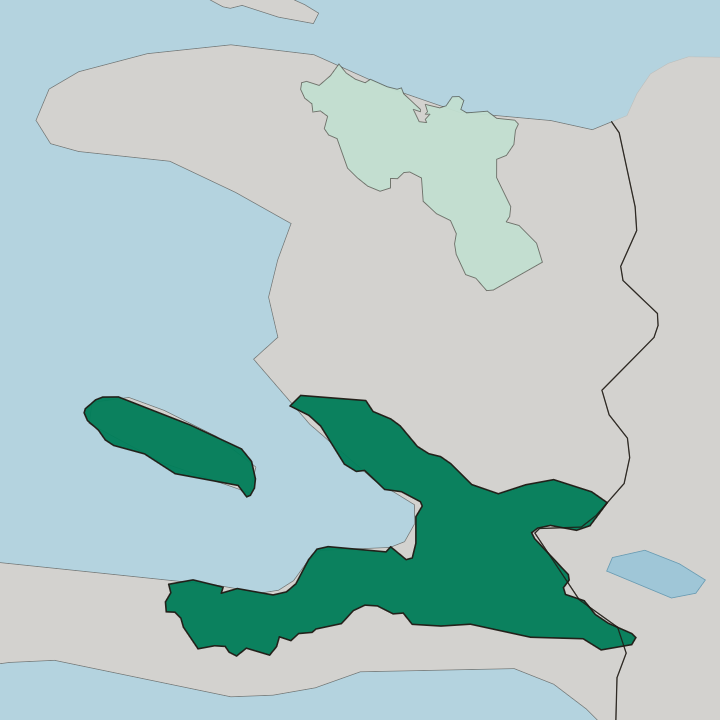
Département de l'Ouest, or Lwès, is one of the ten departments of Haiti, the link between the Great-North and the Tiburon Peninsula.
Hotel links are affiliate links: booking through them may earn us a commission, at no extra cost to you. It never affects how places are ranked. How this works


Towns & cities in Département de l'Ouest
One town here has its own guide — it links to where to stay.

 Haiti
Haiti
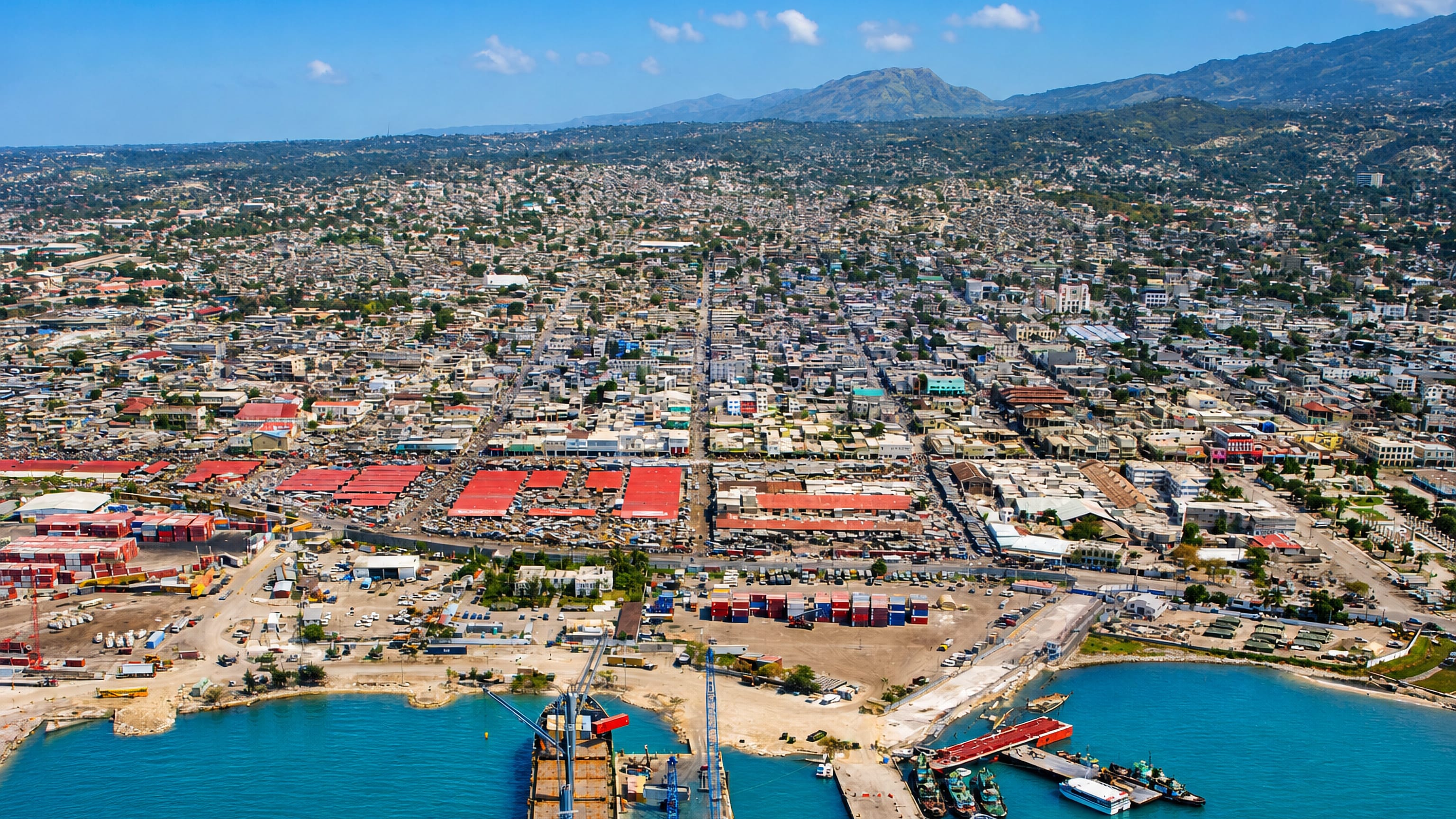
Port-au-Prince
Port-au-Prince is the capital of Haiti, founded in 1749, seat of the Département de l'Ouest and centre of a metropolitan area of six communes.Where to stay →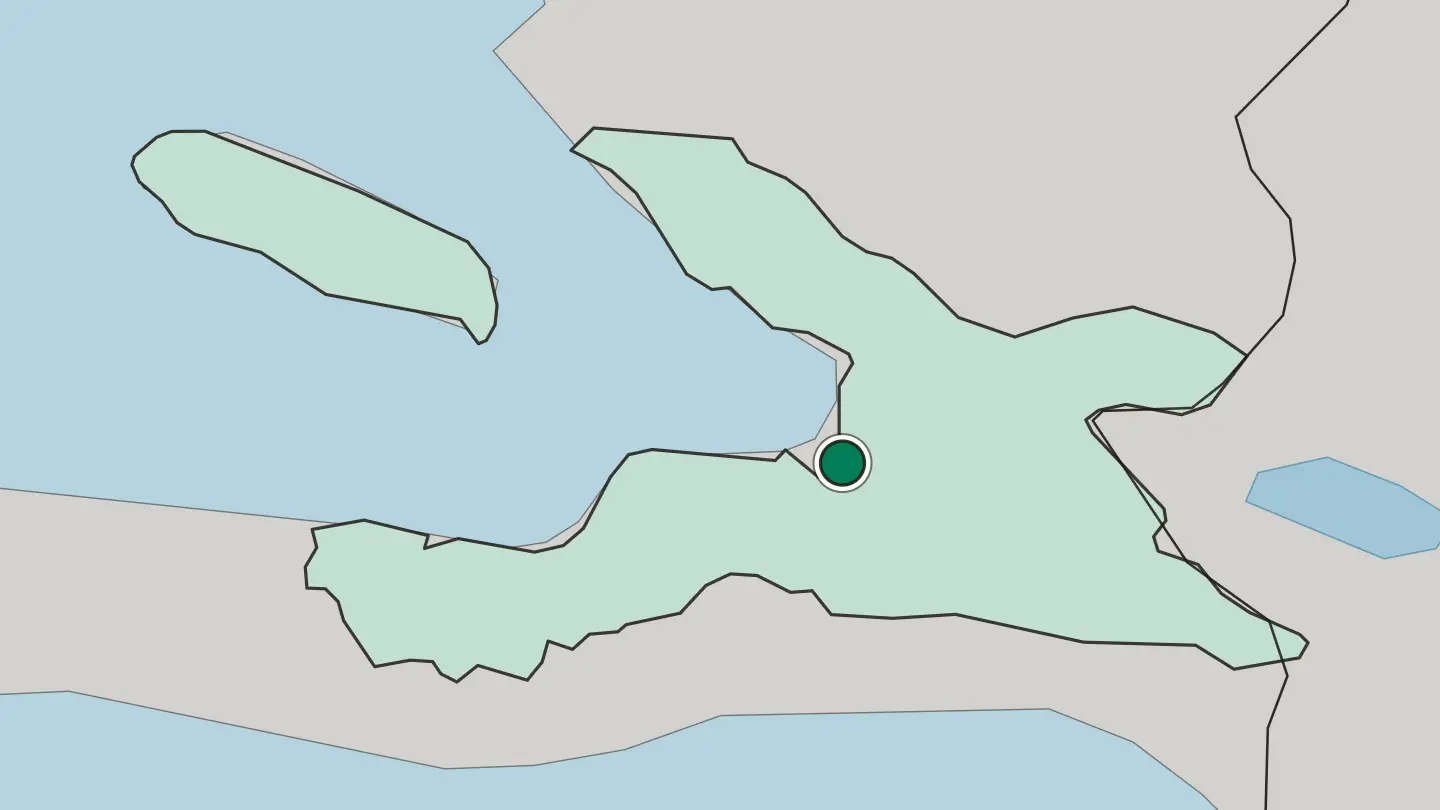
Hotel links are affiliate links: booking through them may earn us a commission, at no extra cost to you. It never affects how places are ranked. How this works
About Département de l'Ouest
This department is the hinge.
What is Département de l'Ouest known for?
Ouest links the Great-North to the Tiburon Peninsula, so movement between the two large parts of Haiti passes through it, and that connecting role does more to define the department than any single feature inside its own boundaries. The name is plain enough. Ouest and Lwès are the same department under two spellings, and it stands as one of the ten departments into which Haiti is divided.
Where is Département de l'Ouest?
Ouest is a connector. Département de l'Ouest sits between the Great-North and the Tiburon Peninsula, two large limbs of Haiti that would otherwise have little to do with one another, and the department's shape follows from holding them together. That is not a small job.
A department linking two separate regions has to carry the land routes between them, which gives Ouest a weight out of proportion to its share of the ten departments of Haiti. The Tiburon Peninsula begins beyond it. Ouest sits in the tropics.
Département de l'Ouest lies in the tropical band of the northern hemisphere, which fixes the growing year and the building season across the whole department regardless of what part of it is being considered. Heat and rain arrive on the tropical schedule rather than on a temperate one. Size is moderate.
Ouest covers a substantial share of Haitian ground, reaching from the approaches to the Great-North across to the point where the Tiburon Peninsula takes over. Lwès names the same territory. Whichever spelling appears on a map, the department it refers to is the one Haiti depends on to keep its two ends in contact with each other.
What is Département de l'Ouest like?
French is the language of record. Département de l'Ouest appears in French on maps and in administration, while Lwès is the other form of the same name, and both refer to exactly the same department. Lwès and Ouest name one department.
A department that carries a doubled name in a country of ten departments is signalling something about how language works there, and a visitor will meet both spellings on signage, in print and in conversation. Position shapes the culture too. Ouest handles the traffic between the Great-North and the Tiburon Peninsula, and a department that everyone else has to pass through accumulates people, goods and habits from both ends of Haiti rather than developing in isolation.
Nothing here is sealed off. What arrives from the Tiburon Peninsula and what arrives from the Great-North both land in Département de l'Ouest, which is the ordinary condition of a connecting region and the reason its life is less local than a department at either extremity. Across the ten departments of Haiti, French remains the common written language, and in Ouest it does the work of holding a mixed, through-travelled department together on paper.
What is the history of Département de l'Ouest?
Ouest was drawn to connect. Haiti's division into ten departments gave this one the ground between the Great-North and the Tiburon Peninsula, and a unit defined by what it joins takes its administrative purpose from geography rather than from a founding event. The name stuck in two forms.
Ouest in French and Lwès alongside it have both been carried forward, so the department is identifiable under either spelling in anything written about Haiti.
What is the climate of Département de l'Ouest?
The tropics run the year. Département de l'Ouest lies in the tropical band of the northern hemisphere, so its calendar turns on wet and dry stretches instead of on four seasons, and the same pattern holds from the Great-North approaches to the Tiburon Peninsula edge. Timing matters more than place.
Anyone planning a route across Ouest is planning around the season rather than around which end of the department they start from, because the difference between the two ends is small.
How do you get to Département de l'Ouest?
Everyone crosses Ouest sooner or later. The land routes between the Great-North and the Tiburon Peninsula run through Département de l'Ouest, which makes arrival here less a destination decision than a consequence of travelling anywhere in Haiti by road. The corridor is the route.
Journeys onward from Ouest split towards the Great-North on one hand and the Tiburon Peninsula on the other, and choosing between them is the main navigational decision a traveller makes in this department.
Common questions
What is the best area to stay in Département de l'Ouest?
The Great-North side of Ouest: overnight stops on the run between Ouest and the Great-North. The Tiburon Peninsula approach: nights taken before or after the crossing onto the Tiburon Peninsula.
Another region in Haiti
Updated September 2026