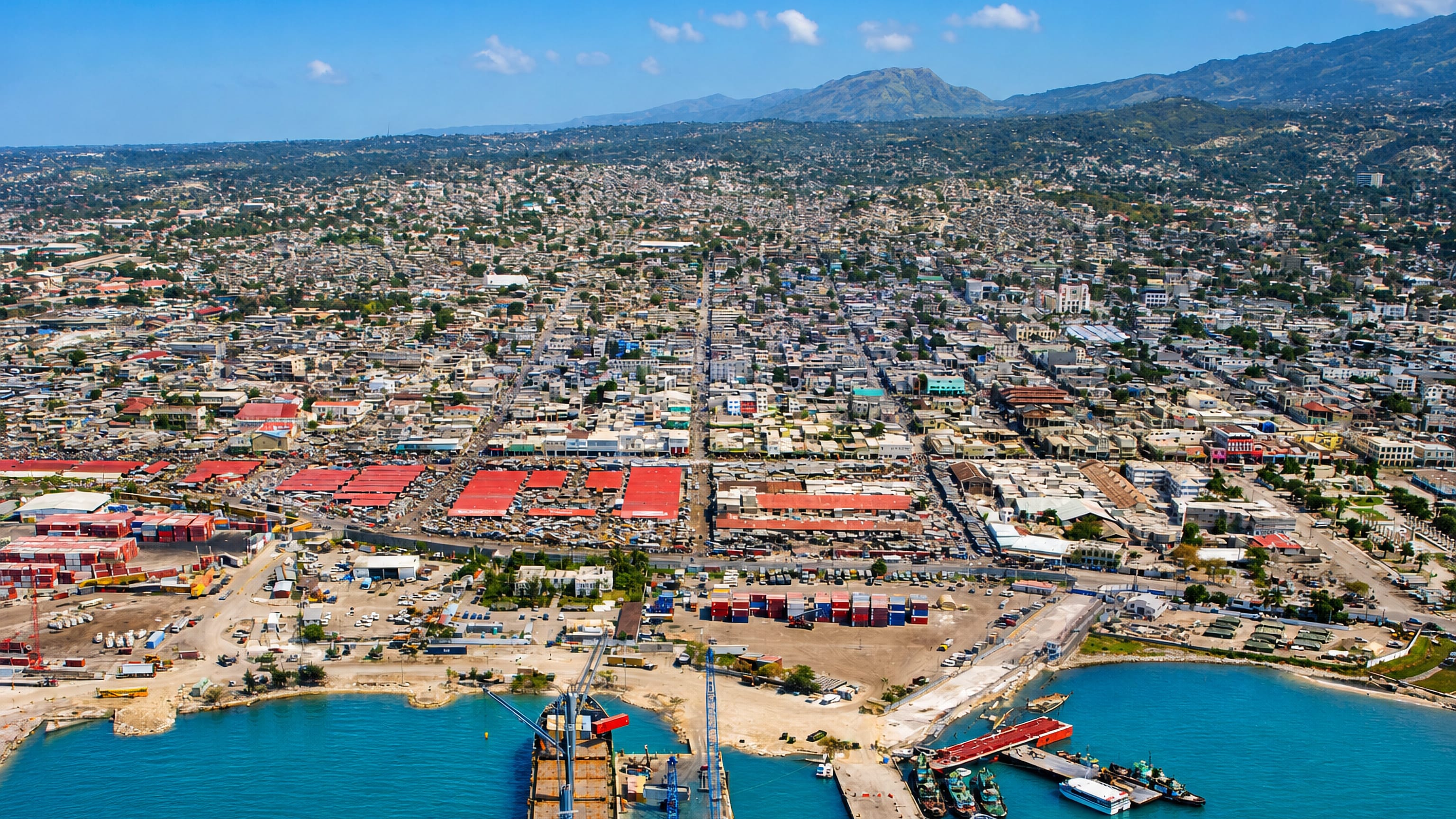
Haiti · Département de l'Ouest
Where to Stay in Port-au-Prince, Département de l'Ouest
Port-au-Prince is the capital of Haiti, founded in 1749, seat of the Département de l'Ouest and centre of a metropolitan area of six communes.
Hotel links are affiliate links: booking through them may earn us a commission, at no extra cost to you. It never affects how places are ranked. How this works


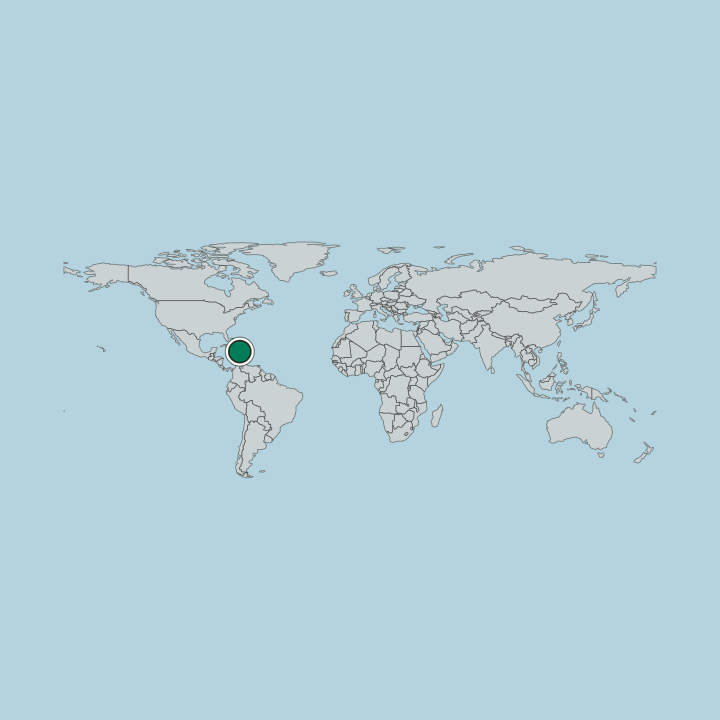
Where to stay in Port-au-Prince
One neighbourhood here has its own guide — here's what it is best for.

 Port-au-PrinceHaiti
Cité Soleil
Cité Soleil is a district of Port-au-Prince, part of the Haitian capital and of the Département de l'Ouest that surrounds it.Where to stay →Hotel links are affiliate links: booking through them may earn us a commission, at no extra cost to you. It never affects how places are ranked. How this works
Find hotels in Port-au-Prince
Direct booking searches for these neighbourhoods.
The cathedral quarter
The Cathedral of Our Lady of the Assumption stands in the same part of the capital as the national collections.Find hotels in The cathedral quarterStays anchored on the église Saint-Louis-Roi-de-France de TurgeauTurgeau
A named quarter of the capital commune, set back from the cathedral blocks.Find hotels in TurgeauGuests who want a base in its own commune rather than in central Port-au-PrincePétion-Ville
Counted by the IHSI within the metropolitan area, yet with its own streets and centre.Find hotels in Pétion-VilleHotel links are affiliate links: booking through them may earn us a commission, at no extra cost to you. It never affects how places are ranked. How this works
Things to do in Port-au-Prince
Ranked by global recognition; descriptions from Wikidata (CC0).
Museums & Galleries
2- National Pantheon Museum of Haiti
- National Museum of Art, Port-au-Prince
Churches & Religious Sites
3- Cathedral of Our Lady of the Assumption
- Church of God the Prophetie
- église Adventiste de Shekinah
worth knowingacross 2 categories in Port-au-Prince
About Port-au-Prince
Haiti governs from here.
What is Port-au-Prince known for?
Port-au-Prince is the capital and the largest city of the country, and the Cathedral of Our Lady of the Assumption, the National Pantheon Museum of Haiti and the National Museum of Art all carry national functions rather than merely local ones. The metropolitan area runs well past the city limits. Delmas, Cité Soleil, Tabarre, Carrefour and Pétion-Ville are counted with it by the IHSI, which makes the built-up whole a good deal larger than the commune that gives the place its name.
What are the main landmarks in Port-au-Prince?
The cathedral anchors the list. The Cathedral of Our Lady of the Assumption, the National Pantheon Museum of Haiti and the National Museum of Art account for most of what brings a visitor into the capital, and the three of them stand in Port-au-Prince itself rather than in the surrounding communes. Congregations make up the remainder.
The église Saint-Louis-Roi-de-France de Turgeau, the Church of God the Prophetie and the église Adventiste de Shekinah cover a good part of the city's religious ground between them.
What is the history of Port-au-Prince?
The city dates from 1749. Everything after that turned on the role of capital, a function that concentrated administration, worship and record-keeping into one place at the head of the Département de l'Ouest and has kept them there since. The Cathedral of Our Lady of the Assumption is the principal church of Port-au-Prince.
The église Saint-Louis-Roi-de-France de Turgeau carries a French dedication and fixes the name of the Turgeau quarter in the record at the same time. Names outlast regimes. Museums hold the national account.
The National Pantheon Museum of Haiti and the National Museum of Art both stand in the capital rather than anywhere else in the country, which is what it means for one city to carry a nation's institutions on its own. Later congregations built their own halls. The Church of God the Prophetie and the église Adventiste de Shekinah sit alongside the older Catholic foundations, so the religious map of Port-au-Prince takes in several traditions at once rather than a single one.
Growth went outward. Delmas, Cité Soleil, Tabarre, Carrefour and Pétion-Ville are each a commune in their own right, and the IHSI counts all five with Port-au-Prince in defining the metropolitan area, a definition that measures how far the building has spread from the foundation of 1749.
Where is Port-au-Prince?
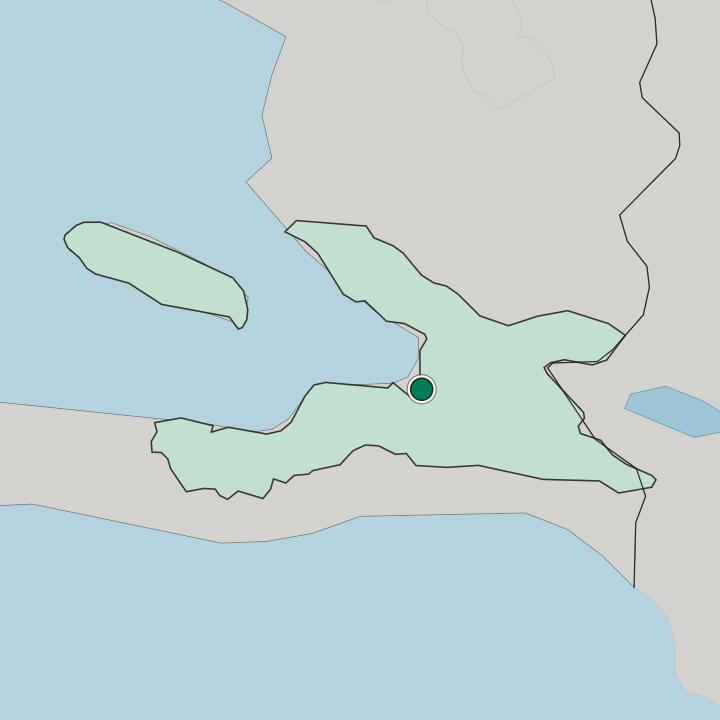
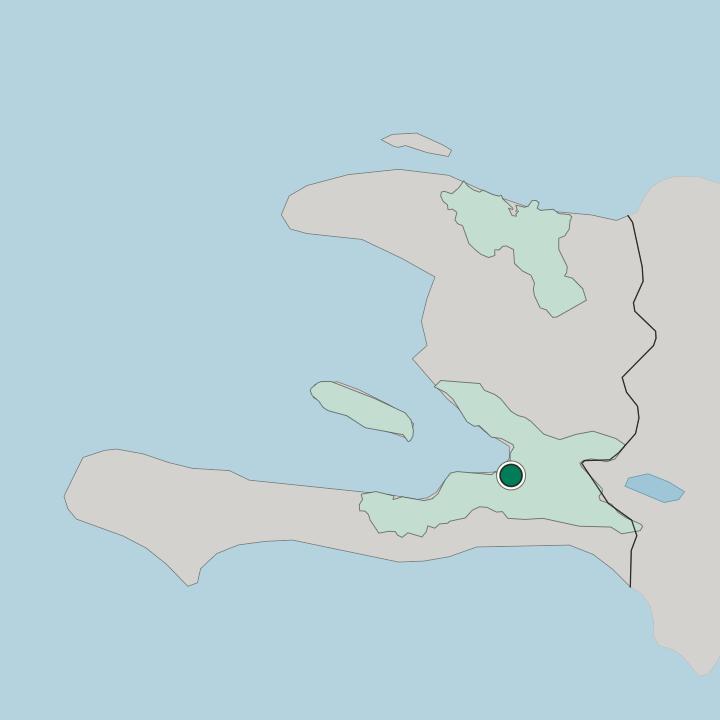
The Département de l'Ouest surrounds it. Port-au-Prince stands within that department in the tropical band, and the built ground carries on past the commune boundary into Delmas, Tabarre and Carrefour with no visible break in the streets. Pétion-Ville keeps its own centre.
Cité Soleil is counted in the same metropolitan area, and the harbour that gives the city its name opens the whole of it to the sea.
What is the climate of Port-au-Prince?
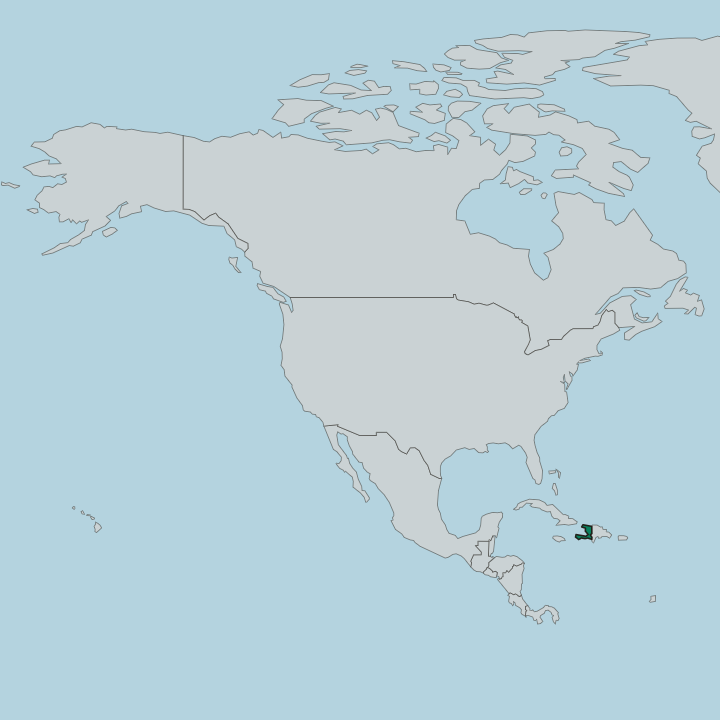
The tropics set the year. Port-au-Prince sits well inside the tropical band, so the calendar turns on rain rather than on temperature, and the wetter months arrive with the northern summer instead of with any shift from cold to warm. The harbour keeps the air humid.
Heat holds across Delmas, Carrefour and Pétion-Ville alike for most of the year.
How do you get to Port-au-Prince?
Arrivals converge on the capital. Port-au-Prince is the largest city of Haiti and the seat of the Département de l'Ouest, so the routes that matter for the country as a whole run to it rather than past it. The harbour is in the name.
Coming in overland means crossing Carrefour, Tabarre or Delmas first, since the metropolitan area reaches outward through those communes before the streets of the capital itself begin.
Common questions
What is the best area to stay in Port-au-Prince?
The cathedral quarter: Visitors walking to the National Museum of Art and the National Pantheon Museum of Haiti. Turgeau: Stays anchored on the église Saint-Louis-Roi-de-France de Turgeau. Pétion-Ville: Guests who want a base in its own commune rather than in central Port-au-Prince.
Good for
Updated October 2026