Haiti · Nord
Where to Stay in Cap-Haïtien, Nord
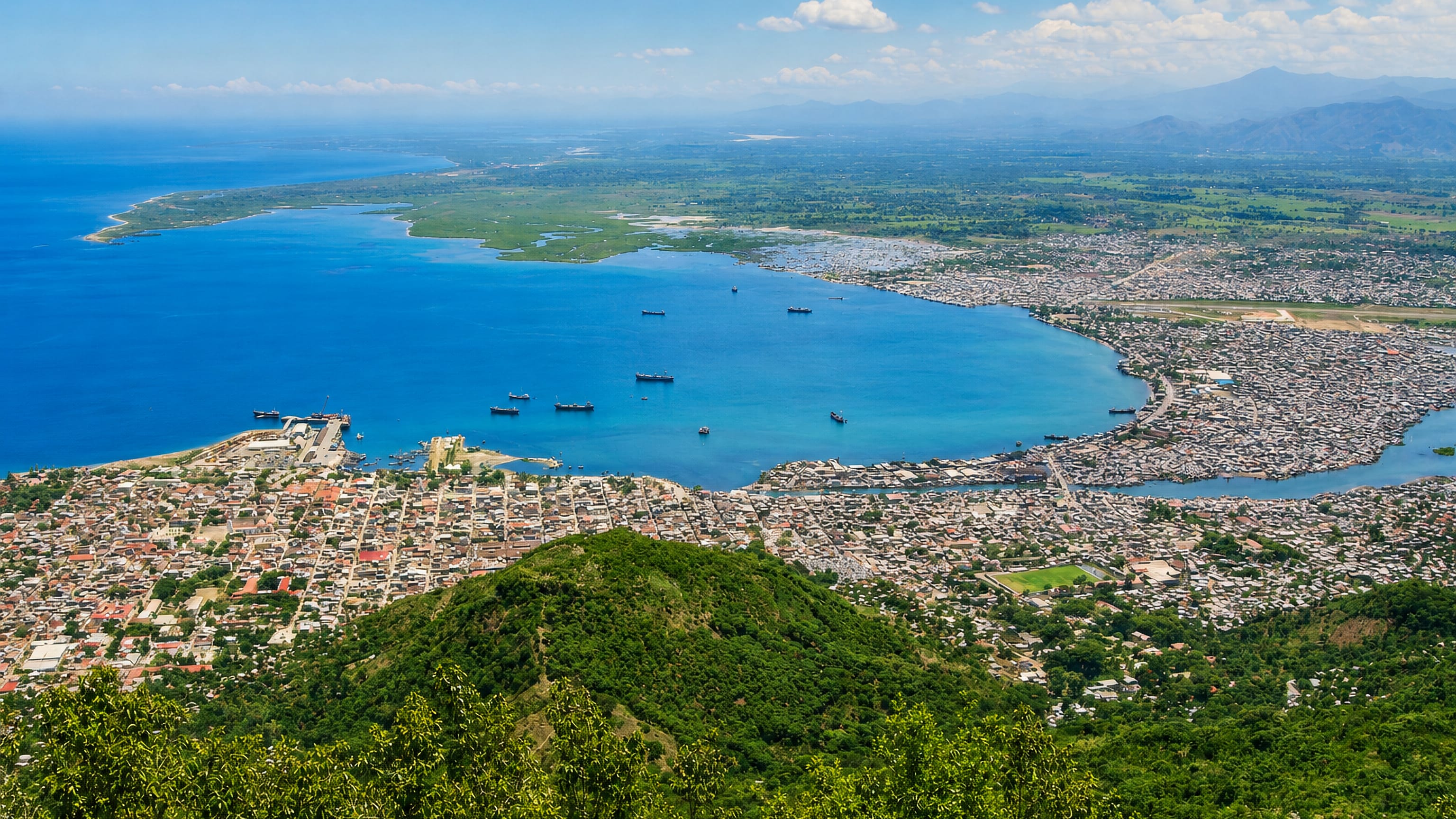
Cap-Haïtien is the second city of Haiti and capital of the Nord department, on a bay of the northern coast, once the capital of Saint-Domingue.
Hotel links are affiliate links: booking through them may earn us a commission, at no extra cost to you. It never affects how places are ranked. How this works


Where to stay in Cap-Haïtien
How the choice of base plays out on the ground.
Walking covers most of Cap-Haïtien. A room in the colonial core leaves Our Lady of the Assumption Cathedral, Parc St. Victor and the streets that earned the name Paris of the Antilles within a few minutes of the door, and that is the case for staying in the middle rather than out along the water. The grid is tight.
Nothing in the old town demands a car, and the older buildings line the blocks between the cathedral and the park. The bay front is the alternative. Rooms on that side face the water of the northern coast, which suits anyone arriving by sea or planning to spend the days on it, though the walk back into the old town runs longer from there.
Both sides lie inside the same commune. Outside it the Nord department turns rural quickly, and beds grow scarce once the built-up edge of the city is behind. Anyone using Cap-Haïtien as a base for the region will do better in the colonial core, where the cathedral, the park and the roads out toward Port-au-Prince all stay within reach of one another.
Find hotels in Cap-Haïtien
Direct booking searches for these neighbourhoods.
The colonial core
The streets that earned the name Paris of the Antilles run through this part of the commune.Find hotels in The colonial coreRooms facing the open ground of Parc St. VictorParc St. Victor
Green space inside a dense colonial grid, a short walk from the cathedral.Find hotels in Parc St. VictorArrivals off the water on the northern coast of the countryThe bay front
Rooms along the bay put the shoreline of Cap-Haïtien a minute from the door.Find hotels in The bay frontHotel links are affiliate links: booking through them may earn us a commission, at no extra cost to you. It never affects how places are ranked. How this works
About Cap-Haïtien
History gives the city its weight.
What is Cap-Haïtien known for?
Cap-Haïtien served as the capital of the French colony of Saint-Domingue from 1711 until 1770, when that role passed to Port-au-Prince, and it later became the capital of the Kingdom of Haiti under Henri I until 1820. The nickname was Paris of the Antilles. It was earned by the architecture and the artistic life of a wealthy colonial port, and Our Lady of the Assumption Cathedral remains the principal building of the old core.
What are the main landmarks in Cap-Haïtien?
Two names carry the list. Our Lady of the Assumption Cathedral stands at the centre of Cap-Haïtien, the principal church of a commune that has held capital rank twice over, and Parc St. Victor accounts for the open ground of the old town. The rest is fabric rather than monument.
Streets of the colonial port and the buildings that earned the name Paris of the Antilles do more for the appearance of the city than any single set piece in the Nord department.
What is the history of Cap-Haïtien?
Foundation dates run from 1670. The settlement is placed in that year, while the formal foundation of the town is recorded in 1711, and the distance between the two marks the difference between a working anchorage and an official capital. A bay on the northern coast made the site worth holding.
The name changed with the rulers. Cap-Français under the French colony of Saint-Domingue, then Cap-Henri during the rule of Henri I, and finally Cap-Haïtien: three names for one bay inside a century and a half. Its rank was national twice over.
From 1711 until 1770 the city served as the capital of Saint-Domingue, and the seat moved to Port-au-Prince only in that later year, after which Cap-Haïtien kept the wealth and the buildings without the administration that had paid for them. The Haitian Revolution changed the frame entirely, and the city returned to capital rank in the Kingdom of Haiti under King Henri I, holding that position until 1820. Paris of the Antilles was the phrase used for it.
The nickname pointed at the architecture and the artistic life that colonial trade had funded, and Our Lady of the Assumption Cathedral and Parc St. Victor anchor the old centre that came out of those years. Capital rank went south for good after 1820. What stayed behind is a commune that ranks second in size in Haiti, governs the Nord department, and carries more recorded history than any other town on this coast.
Where is Cap-Haïtien?
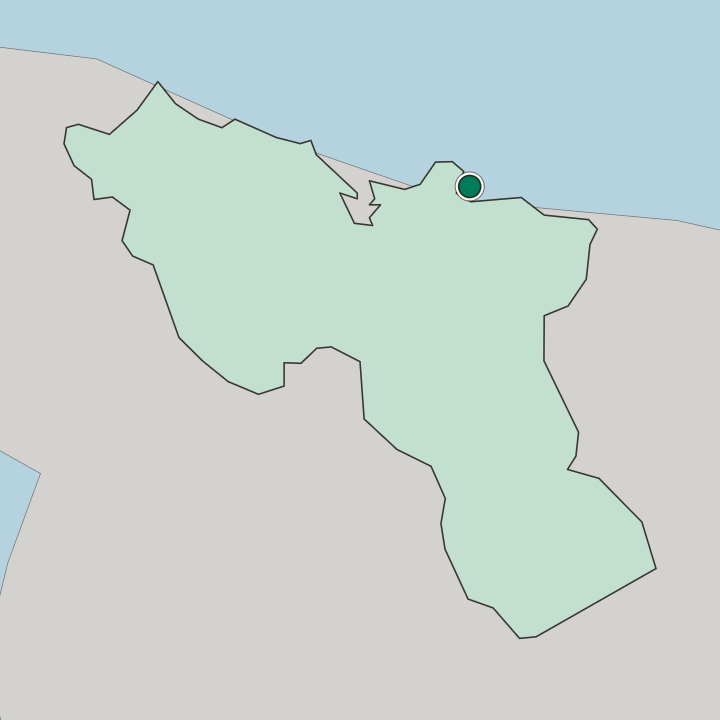
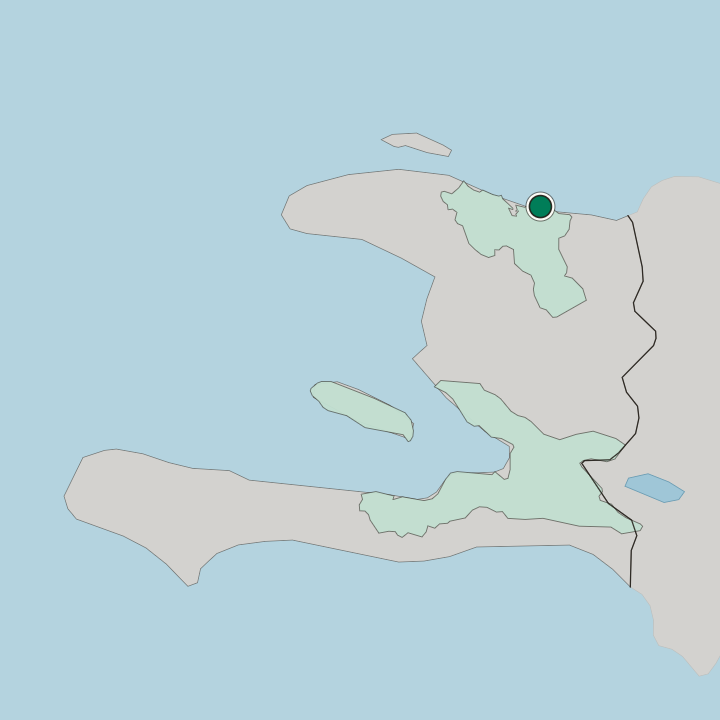
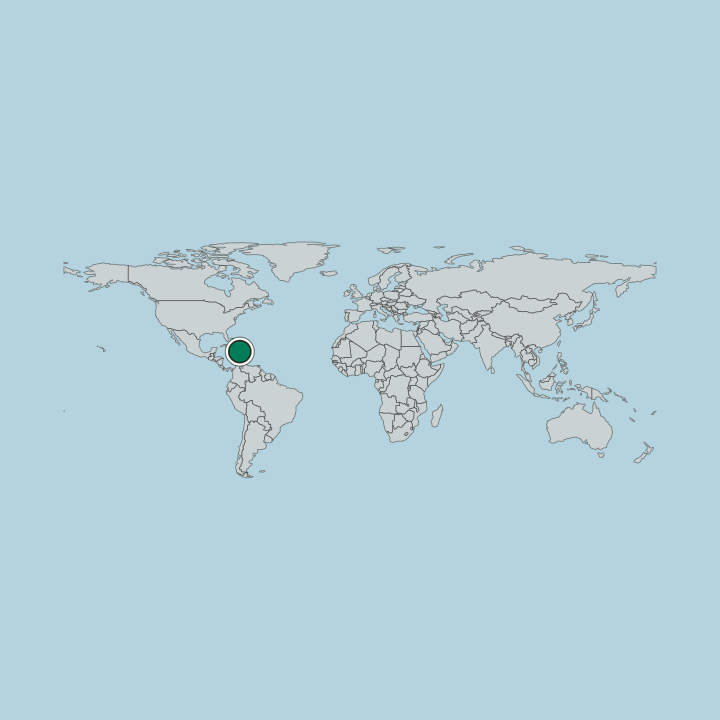
A bay shapes the site. Cap-Haïtien lies along that bay on the northern coast of the country, and the commune serves as capital of the Nord department, which puts the administration of a whole region on the shoreline. The tropics reach this far.
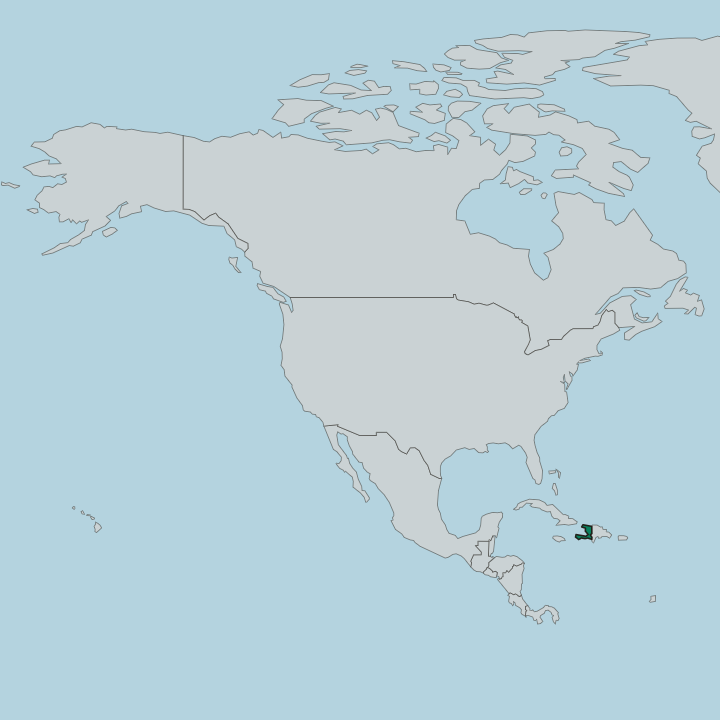
Port-au-Prince stands on the far side of Haiti, so the Nord department keeps its own capital here on the water rather than sharing one.
What is the climate of Cap-Haïtien?
The sea rules the year. Cap-Haïtien lies inside the tropical band on an open bay, so warmth holds across the whole calendar and the wetter spells arrive with the northern summer rather than with any change from cold to hot. Salt air carries into the streets.
Weather crossing the Antilles reaches this coast before it reaches the interior of the Nord department.
How do you get to Cap-Haïtien?
Most overland traffic comes from Port-au-Prince. Cap-Haïtien ranks second in size in Haiti and governs the Nord department, so routes across the country converge on it from the interior as well as along the coast. The bay opens the other approach.
Anything arriving off the water reaches the town directly, and Our Lady of the Assumption Cathedral stands near enough to the front that the walk up from the shoreline is a short one.
Common questions
What is the best area to stay in Cap-Haïtien?
The colonial core: Walkers who want Our Lady of the Assumption Cathedral at the corner. Parc St. Victor: Rooms facing the open ground of Parc St. Victor. The bay front: Arrivals off the water on the northern coast of the country.
Good for
Updated September 2026