Hungary · Bács-Kiskun county
Where to Stay in Kecskemét, Bács-Kiskun county
Kecskemét is a town of the Great Plain in Hungary, a market city of ornate Art Nouveau palaces, famous for its apricots and their brandy.
Hotel links are affiliate links: booking through them may earn us a commission, at no extra cost to you. It never affects how places are ranked. How this works


Where to stay in Kecskemét
Where you base yourself shapes the visit — here's the character of each area.

 KecskemétHungary
Katonatelep
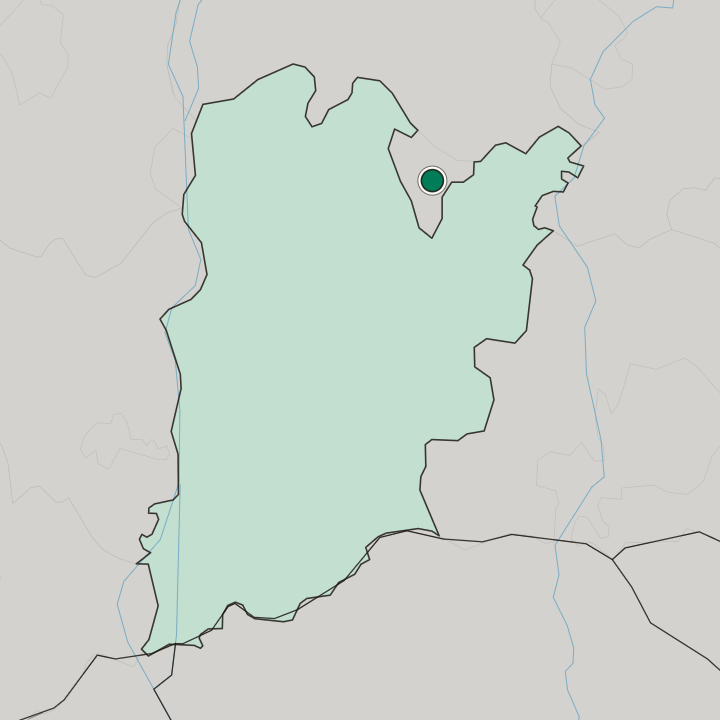
Katonatelep stands on the north-eastern approach to Kecskemét, a named outer quarter of that Bács-Kiskun county city.Where to stay →KecskemétHungaryKadafalva
Kadafalva is an outer quarter of Kecskemét in Bács-Kiskun county, sitting west of that Hungarian city's centre.Where to stay →Hotel links are affiliate links: booking through them may earn us a commission, at no extra cost to you. It never affects how places are ranked. How this works
Find hotels in Kecskemét
Direct booking searches for these neighbourhoods.
The town centre
Around the main squareFind hotels in The town centreStays wanting the orchards and grasslandThe puszta
Out on the Great Plain among apricot orchardsFind hotels in The pusztaHotel links are affiliate links: booking through them may earn us a commission, at no extra cost to you. It never affects how places are ranked. How this works
Things to do in Kecskemét
Ranked by global recognition; descriptions from Wikidata (CC0).
Museums & Galleries
3- Magyar Fotográfiai Múzeum
- Leskowsky Hangszergyűjtemény
- Katona József Museum of Kecskemét
Churches & Religious Sites
1- Szent Erzsébet-templom
worth knowingacross 2 categories in Kecskemét
About Kecskemét
Kecskemét is the plain town of Hungarian Art Nouveau.
What is Kecskemét known for?
In the sandy heart of the Great Plain between the Danube and the Tisza, it grew rich on fruit and wine, and it keeps a square of ornate Art Nouveau palaces in coloured tile, a grand town hall whose chimes ring out over the streets, the apricot orchards and their famous brandy, and the wide horse-country of the puszta around. The flat plain runs to the sky. The painted palaces line the square.
What are the main landmarks in Kecskemét?
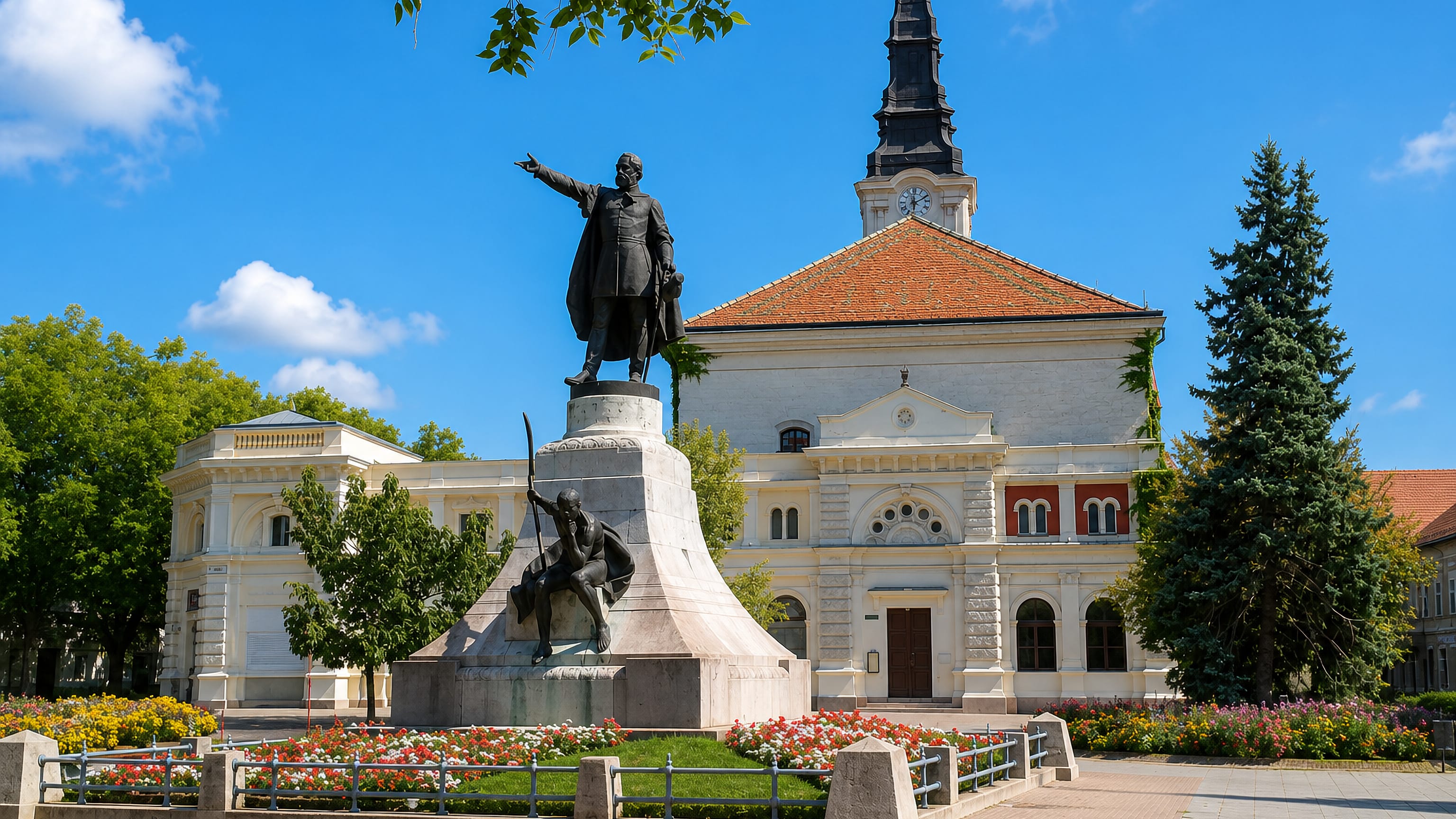
The Ornamental Palace is the pride of Kecskemét. The Cifrapalota, a wild Art Nouveau house of pink walls and coloured tiles shaped like flowers and hearts, stands on the main square, the emblem of the town, at its heart. A great town hall faces it.
The ornate town hall, whose chimes play Kodály over the square, rises across the way, while the churches, the photography museum, and the apricot country mark the country around Kecskemét.
What is the history of Kecskemét?
Kecskemét grew as a market of the plain. In the Ottoman centuries, when war laid waste the open country, the great market towns of the plain bought their safety and governed themselves, and Kecskemét throve as one of them, trading the cattle and grain of the puszta. Sand saved its vines.
When a blight killed the vineyards of Europe, the sandy soil around the town held it off, and Kecskemét grew rich on wine and fruit. Wealth built a town of palaces. Around the turn of the last century the rich town raised a grand town hall and gaudy palaces in the new Hungarian style, bright with folk patterns and coloured tile, that still ring its main square.
A great composer was born here. The town gave the world Zoltán Kodály, who gathered the old songs of the plain, while Kecskemét lived on by its orchards, its brandy, and its markets, keeping its palaces and its squares. The apricots still fill the plain.
Kecskemét keeps its palaces and its orchards on the Great Plain.
Where is Kecskemét?
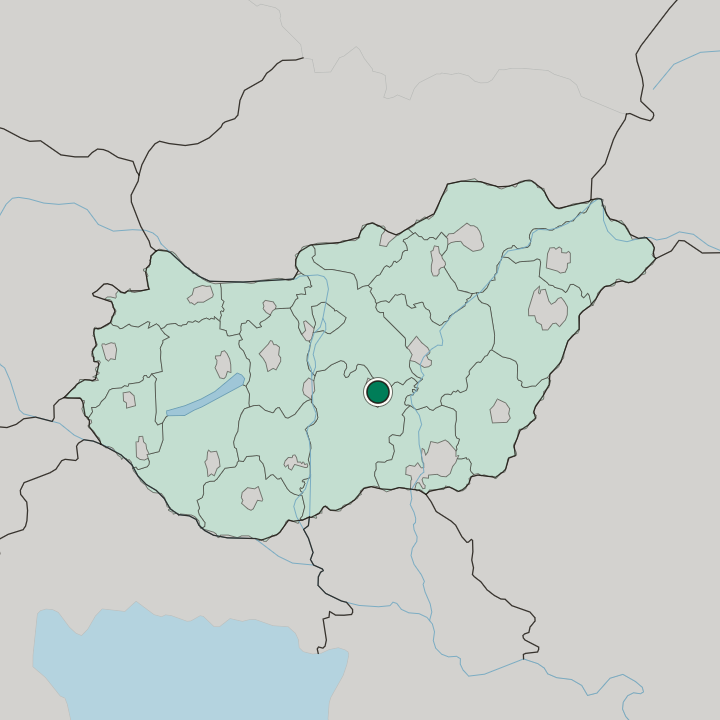
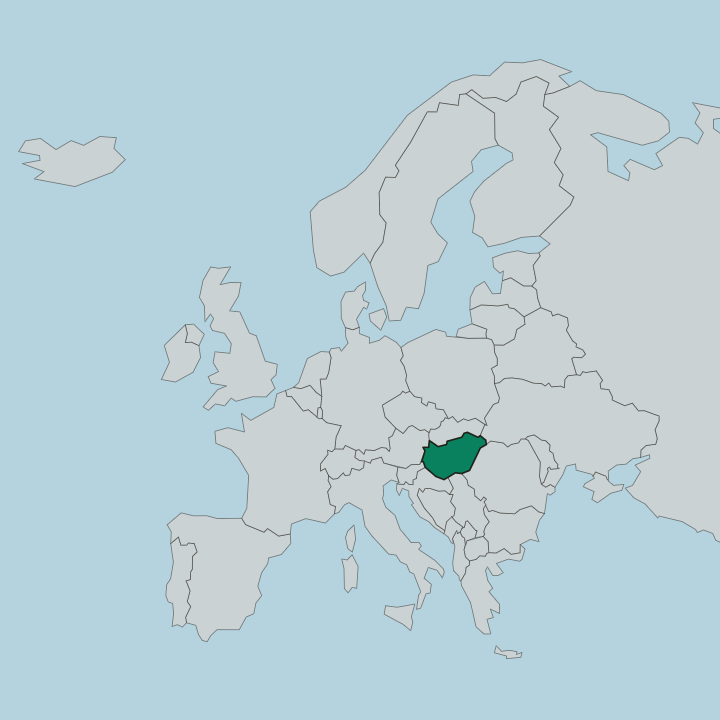
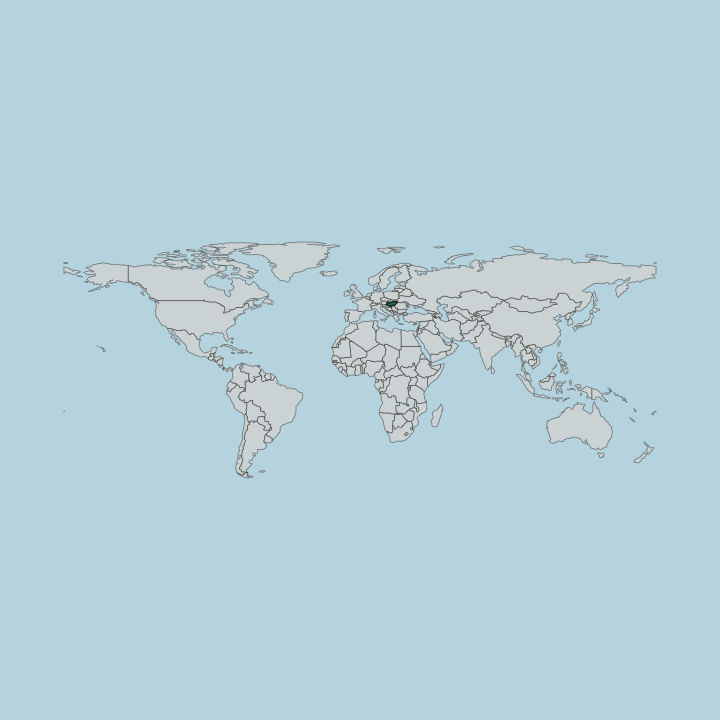
Kecskemét lies in the middle of Hungary, on the sandy plain between the Danube and the Tisza. The town sits on the flat treeless lowland of the Great Plain, on light sandy soil good for fruit and vines, with orchards and vineyards around and the open puszta grassland beyond. The plain runs flat and wide.
Orchards ring the town.
What is the climate of Kecskemét?
Kecskemét has a warm, dry continental climate. Hot summers and cold winters cross the plain, with long sunny summers good for the fruit and cold snowy winters, and little rain on the sandy soil. The summer sun ripens the fruit.
Winter brings frost and snow.
How do you get to Kecskemét?
Kecskemét lies in the middle of the Great Plain, an hour south of Budapest. Rail and motorway run to it straight across the plain from the capital, and roads fan out to the puszta. Trains cross the flat plain.
Budapest lies north up the line.
Common questions
What is the best area to stay in Kecskemét?
The town centre: Visitors here for the palaces and museums. The puszta: Stays wanting the orchards and grassland.
Good for
Updated September 2026