
Hungary: Regions, Cities & Travel Guide
The Danube crosses the great plains of Hungary, a landlocked country in Central Europe, known for Budapest and the waters of Lake Balaton.
Hotel links are affiliate links: booking through them may earn us a commission, at no extra cost to you. It never affects how places are ranked. How this works


Top destinations in Hungary
Cities to start from, then drill into areas and hotels.
 Hungary
Budapest
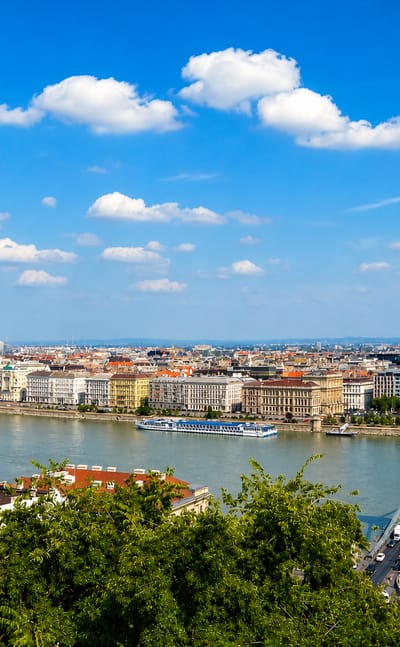
Buda Castle crowns the hills above the Danube in Budapest, the capital of Hungary, a city of thermal baths and grand museums.Where to stay →
 Hungary
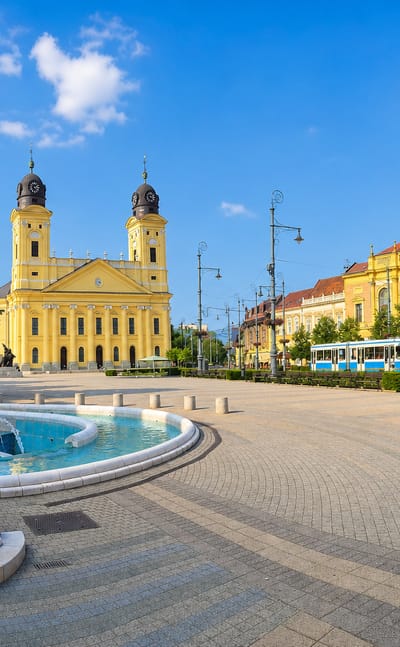
Debrecen
Debrecen spreads across the flat Great Hungarian Plain, the seat of Hajdú-Bihar County and a historic centre of Hungarian Protestantism.Where to stay →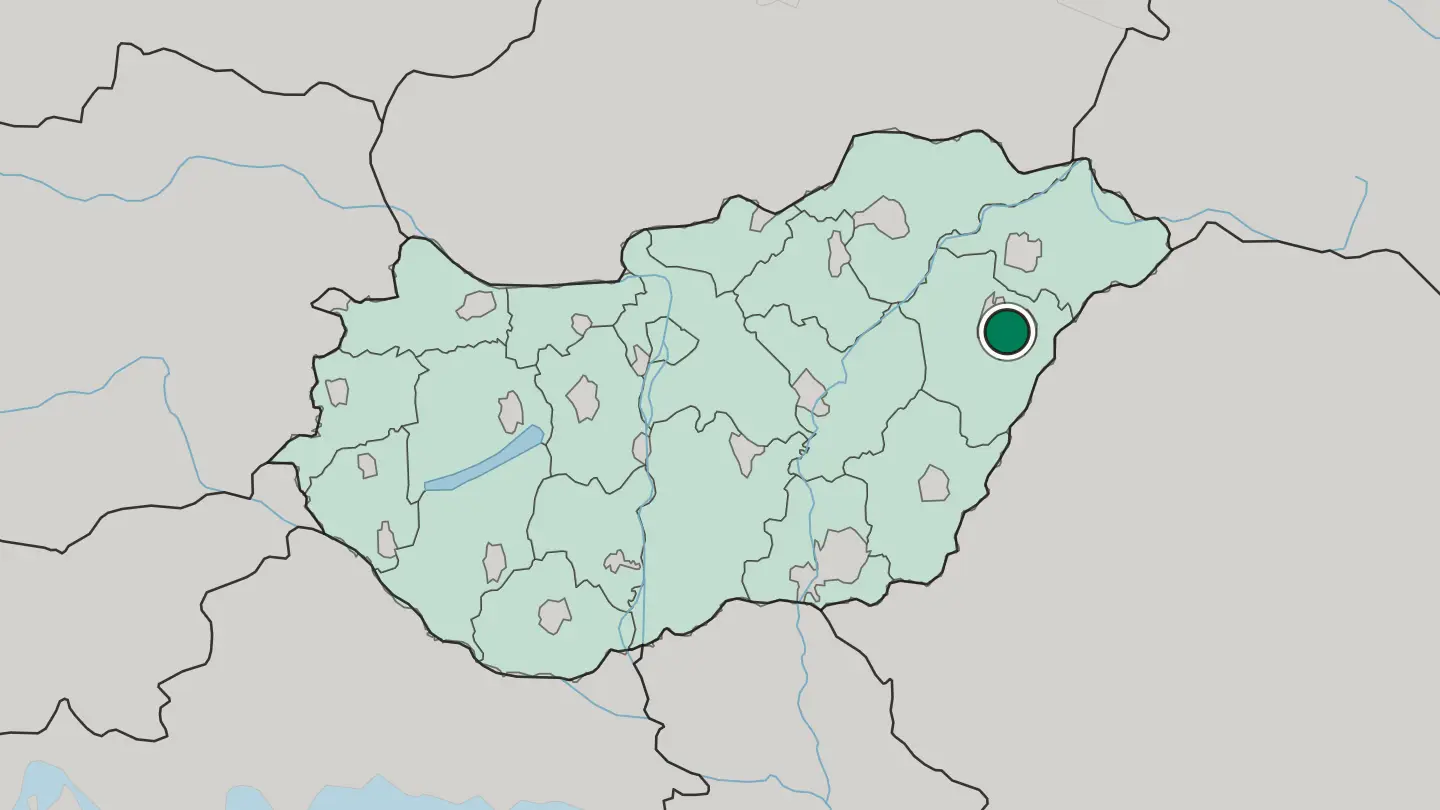
 Hungary
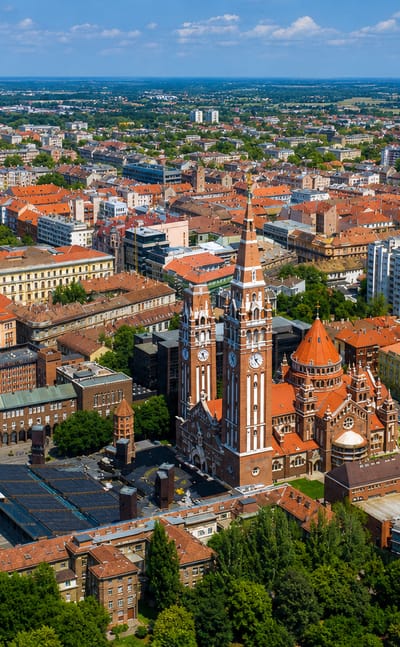
Szeged
Bright light falls on Szeged, the county seat of Csongrád-Csanád on the Southern Great Plain, known for its Votive Church and its Art Nouveau streets.Where to stay →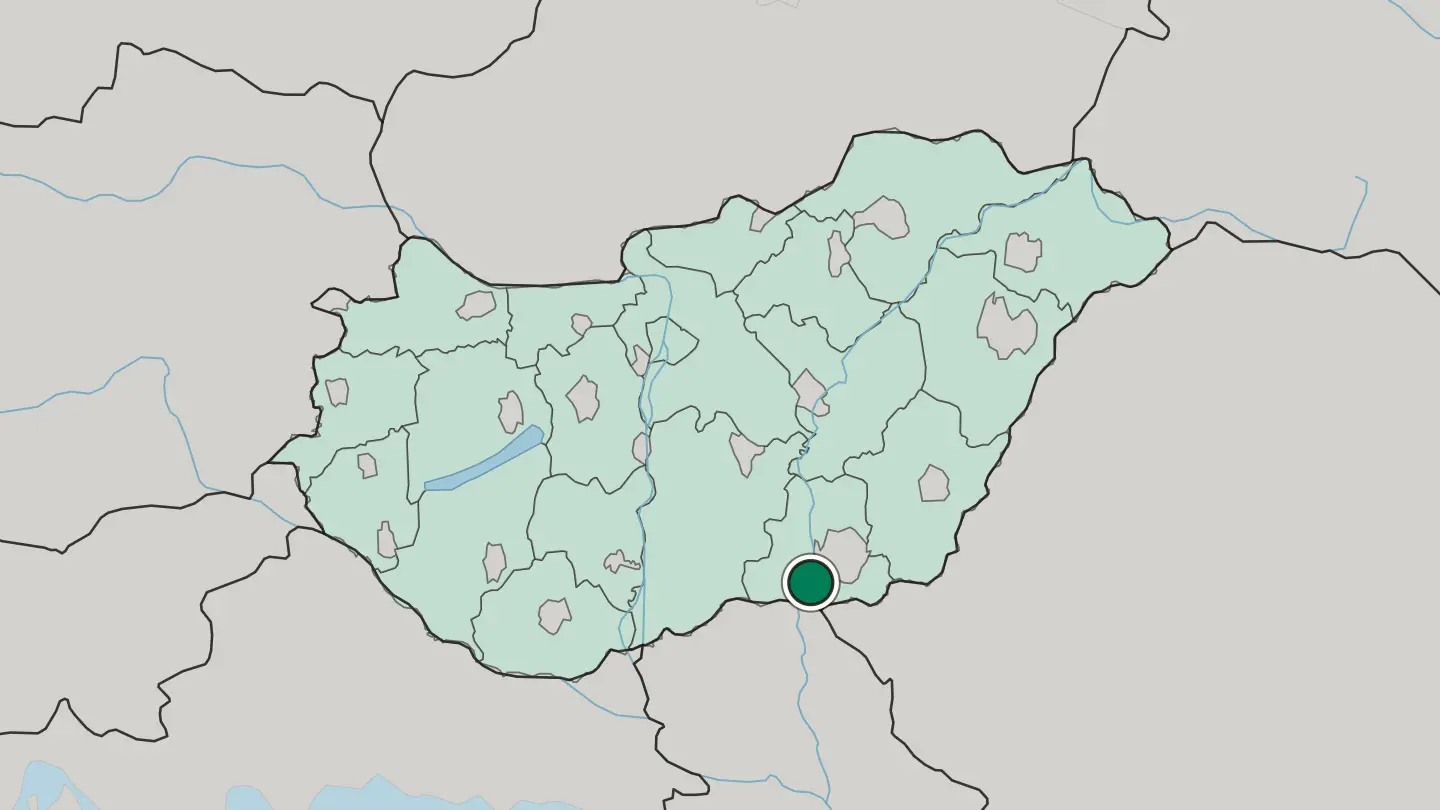
 Hungary
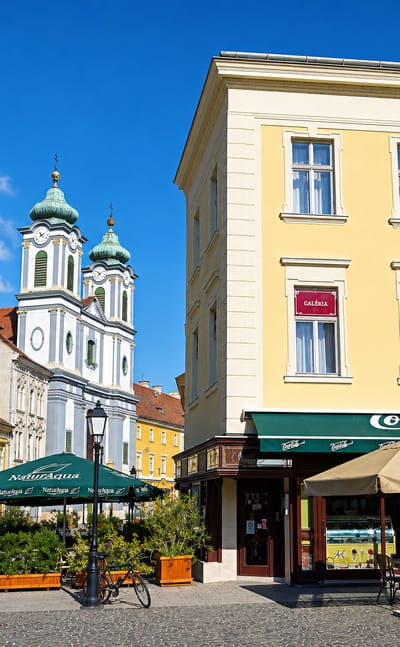
Székesfehérvár
Old stone marks the coronation city of Székesfehérvár, a city in central Hungary between Lake Velence and Lake Balaton, the royal seat of Szent István.Where to stay →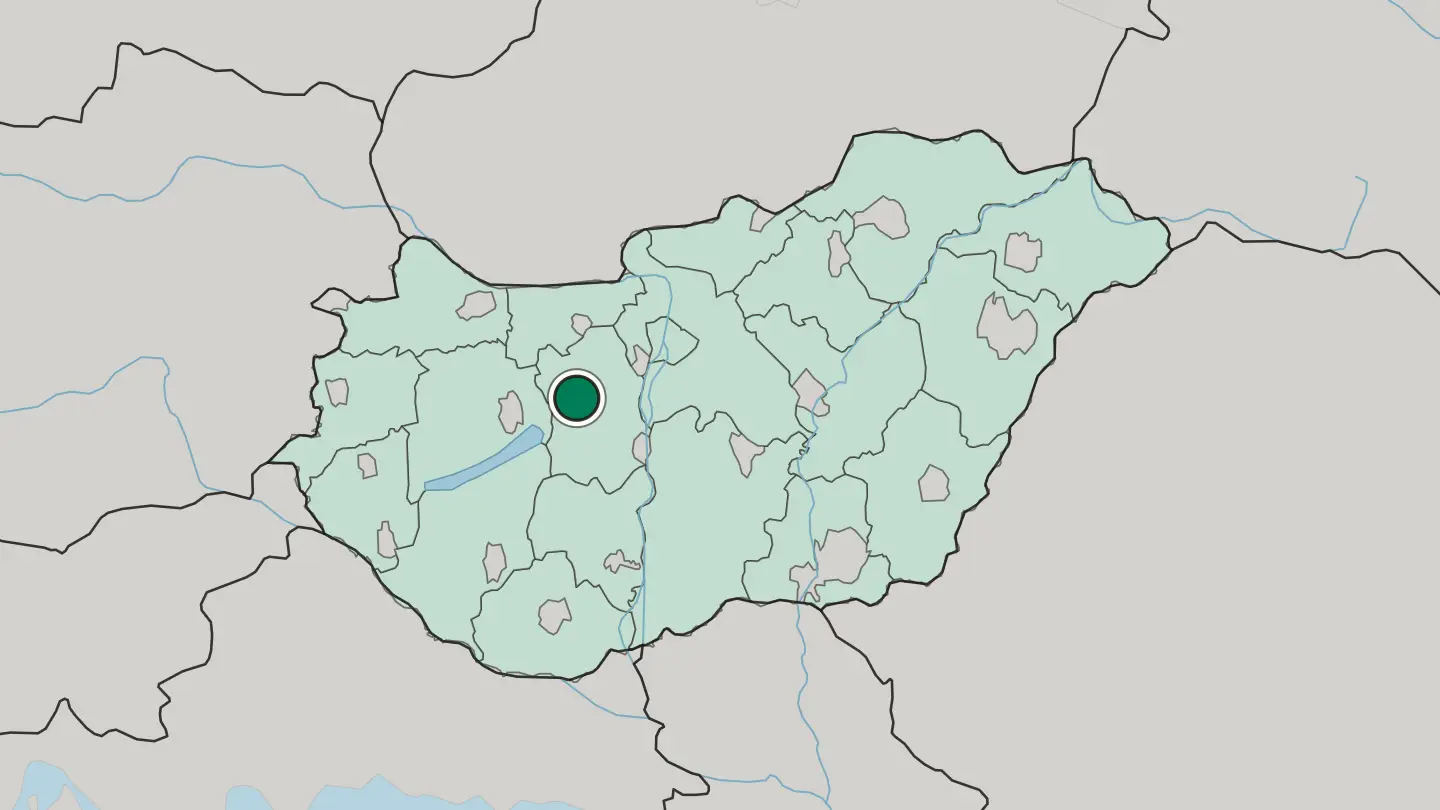
 Hungary
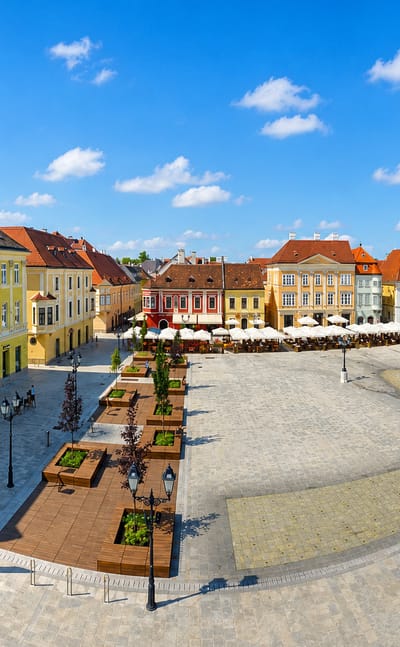
Győr
Baroque fronts line the old streets of Győr, the main city of northwest Hungary, known as A barokk városa for its 18th-century core.Where to stay →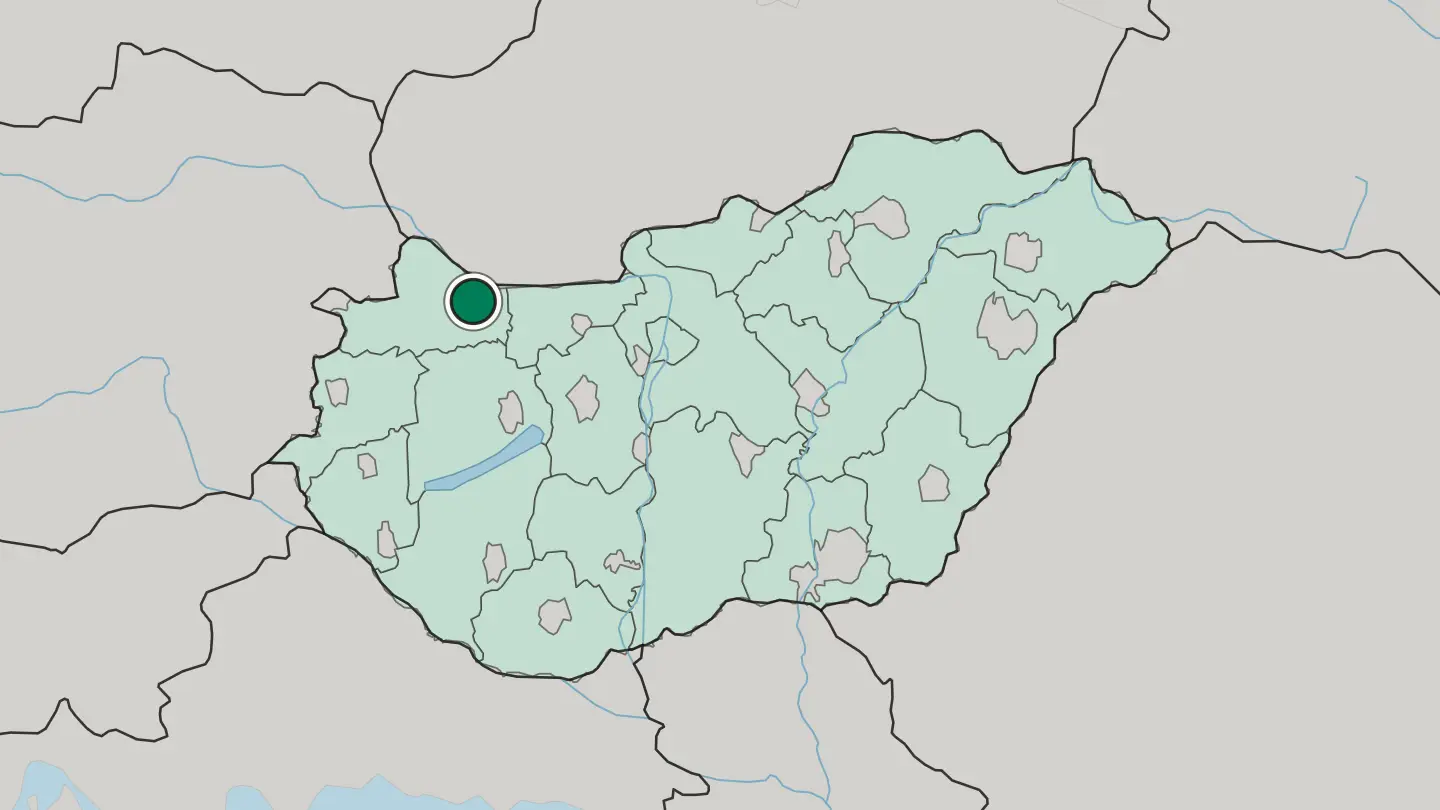
 Hungary
Pécs
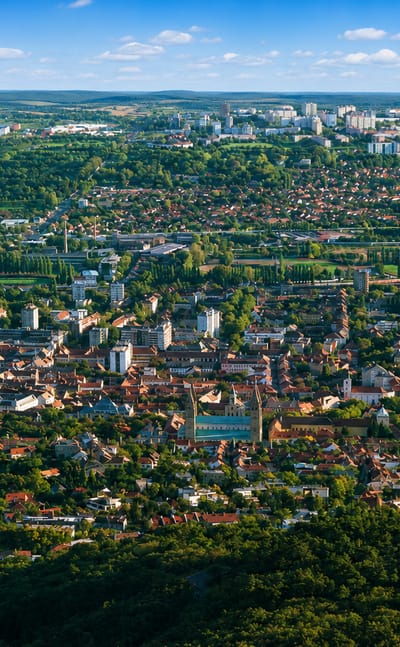
Warm light falls on Pécs, a city on the slopes of the Mecsek mountains in southwest Hungary, known for its early Christian tombs and Ottoman mosque.Where to stay →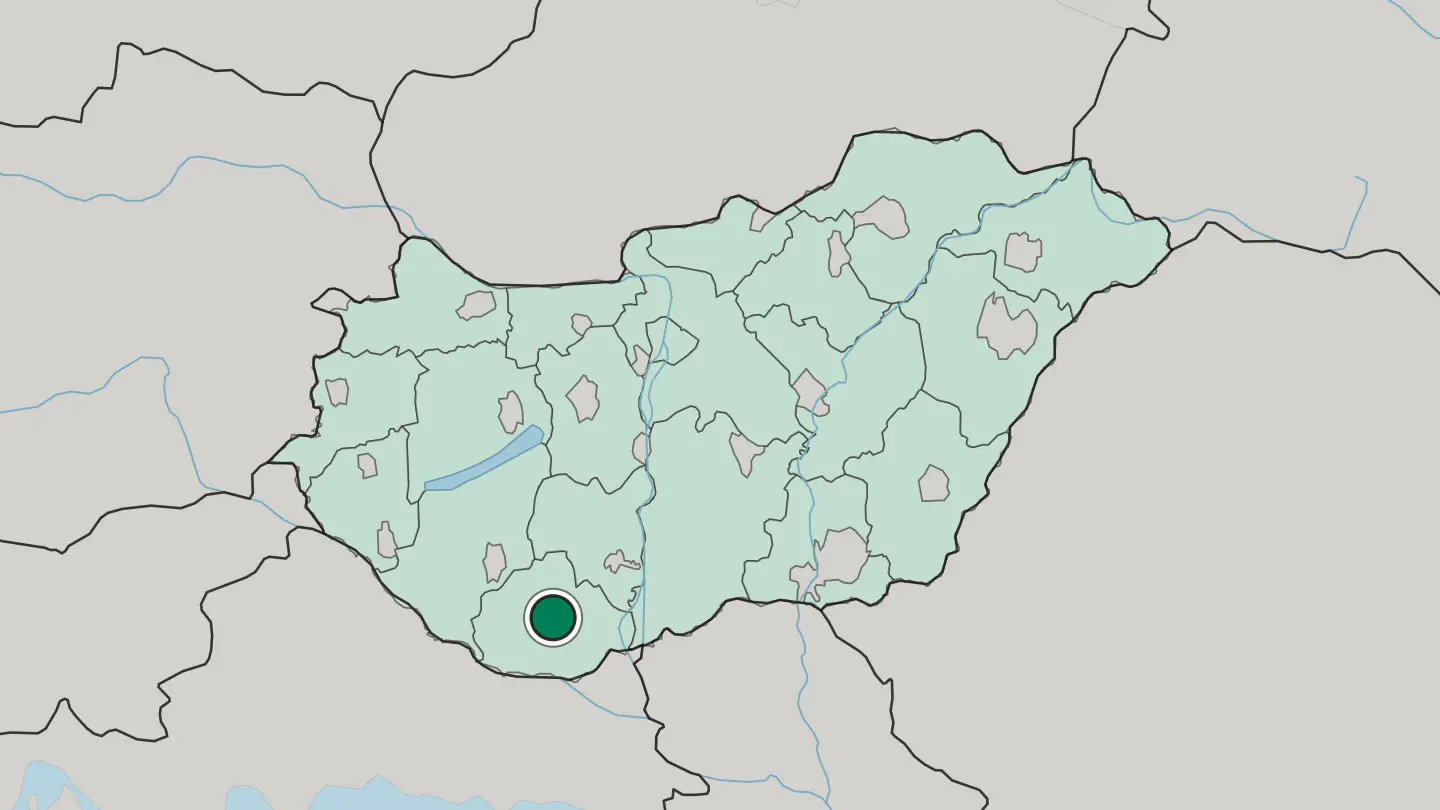
 Hungary
Miskolc
Miskolc is a large industrial and university city in northeast Hungary, below the wooded Bükk mountains.Where to stay →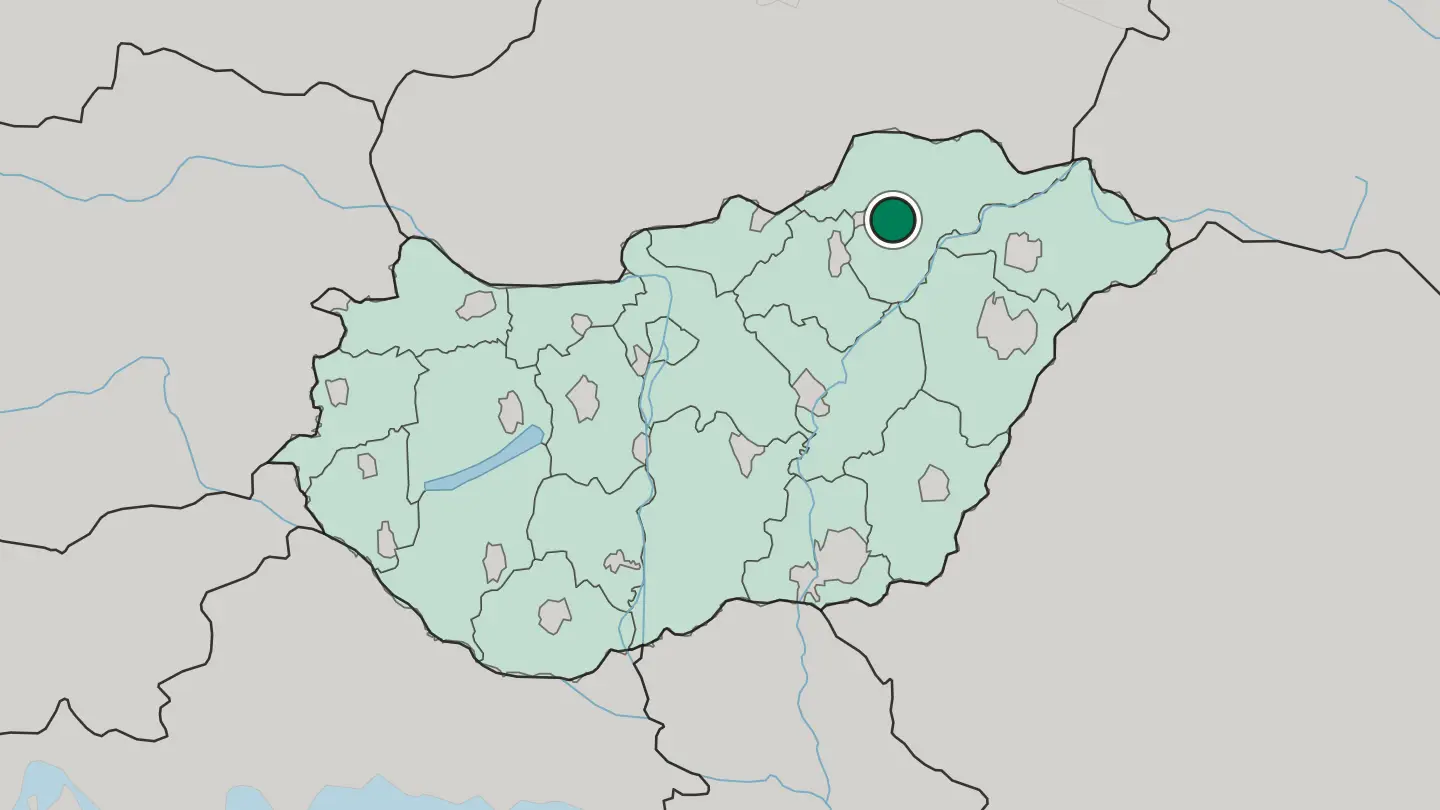
 Hungary
Sopron
Sopron is a town of west Hungary on the Austrian border, a preserved medieval city of towers and burgher houses, in wine country by the shallow Fertő.Where to stay →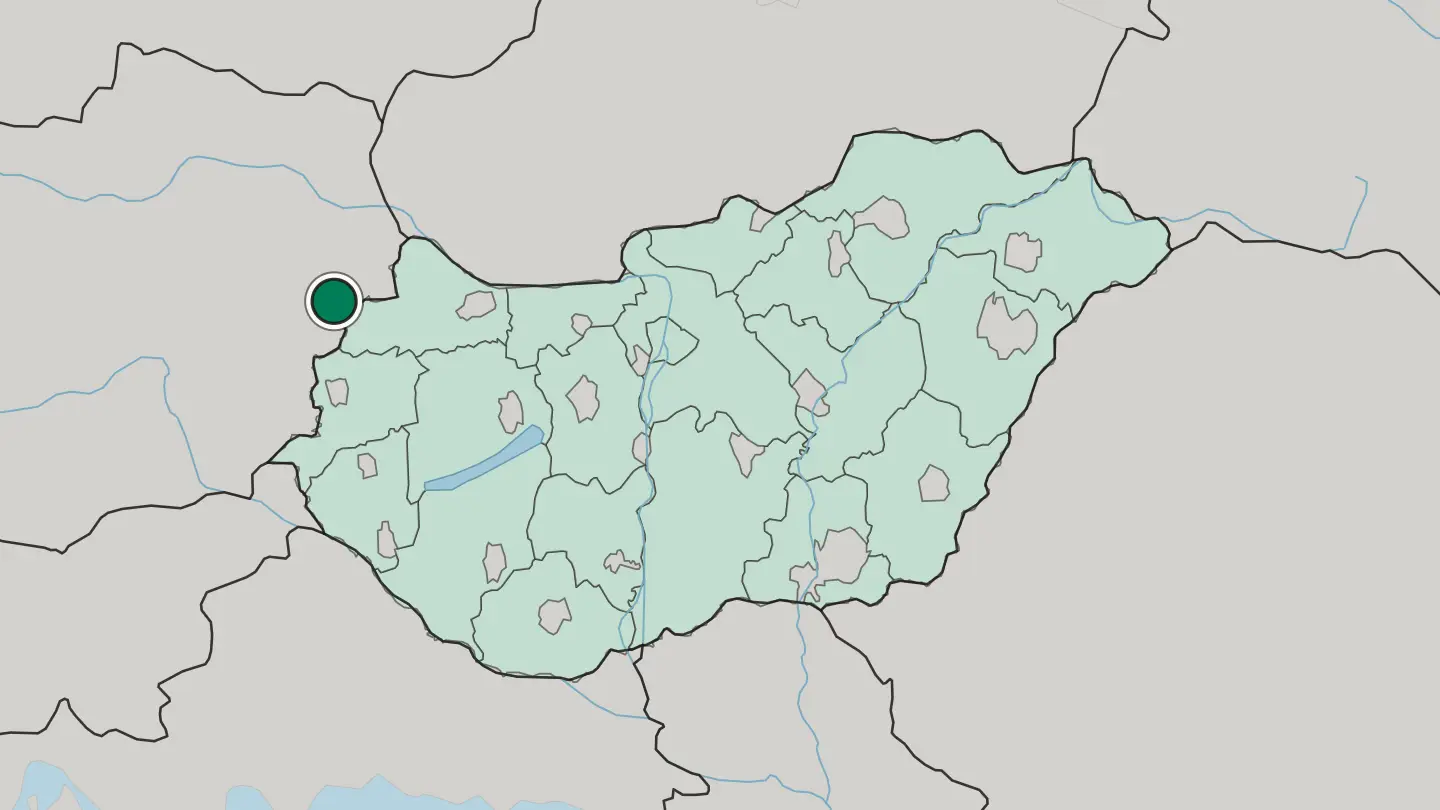
 Hungary
Eger
Eger is a baroque town in northern Hungary, famous for a castle that held off the Turks and a minaret at Europe's edge.Where to stay →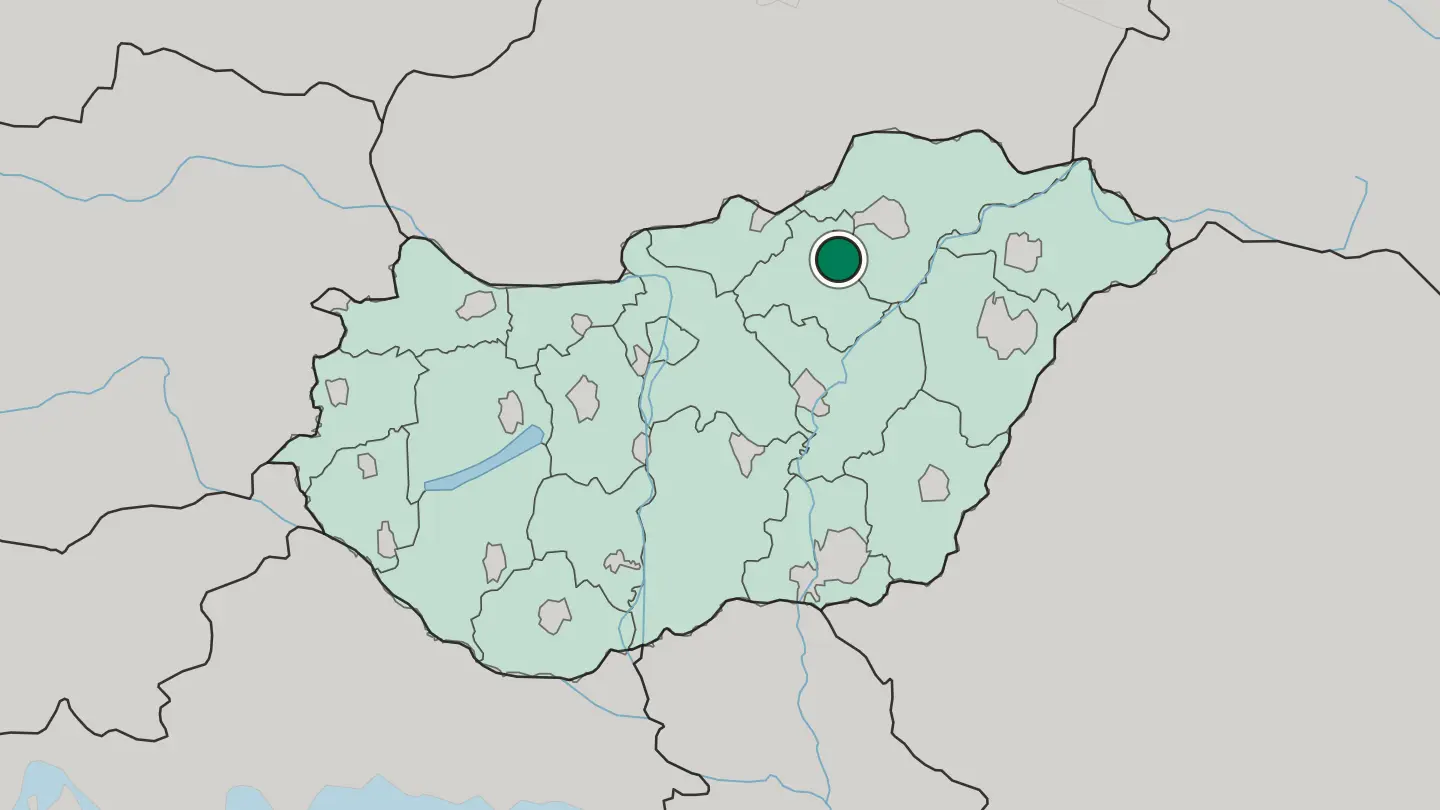
Hotel links are affiliate links: booking through them may earn us a commission, at no extra cost to you. It never affects how places are ranked. How this works
Regions of Hungary
Hungary
Baranya county
Baranya county fills the far south of Hungary, where the Mecsek hills, red-wine villages and Roman Pécs meet the Dráva.Towns & cities →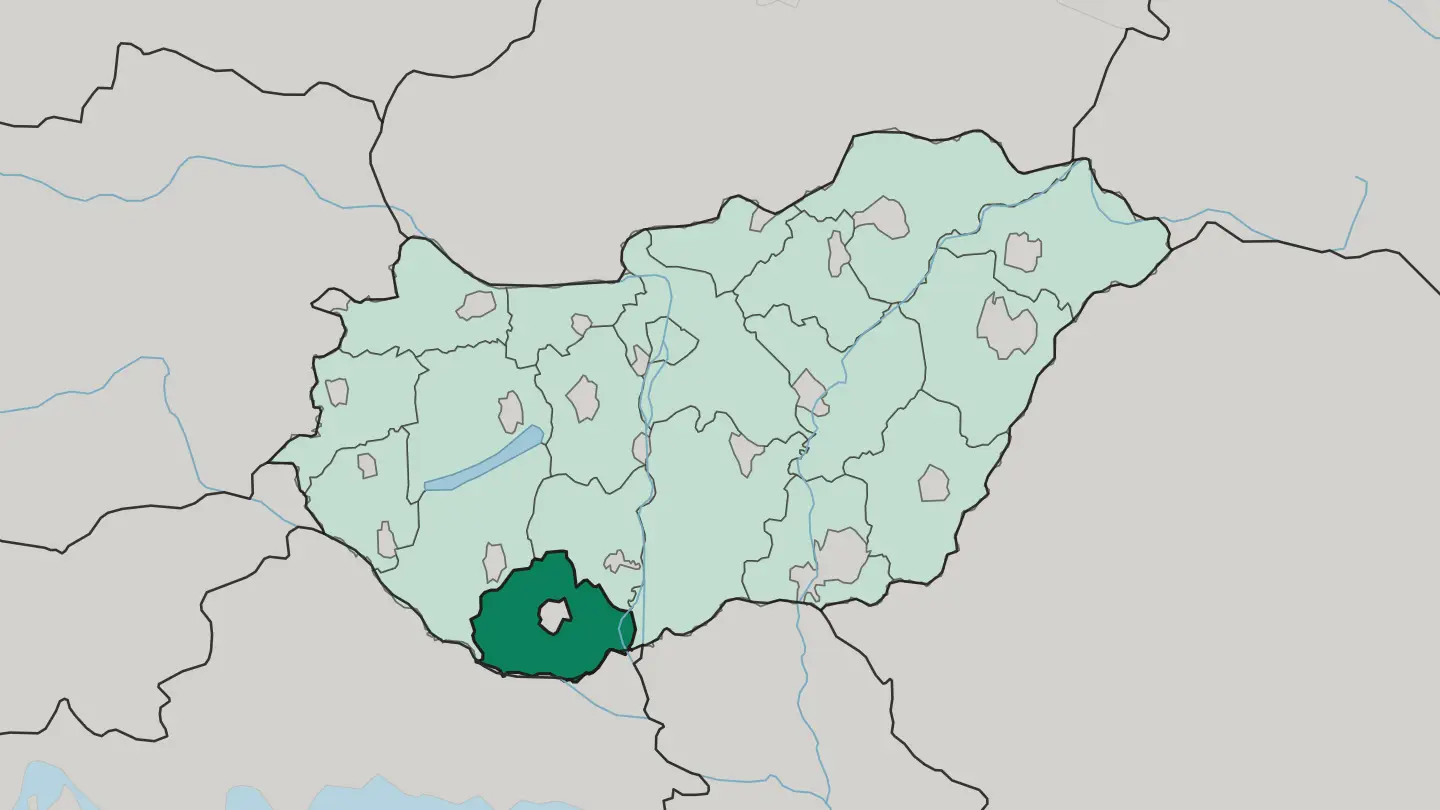
 Hungary
Bekes County
Békés County is a flat farming region in south-eastern Hungary, on the Romanian border, watered by the Körös rivers.Towns & cities →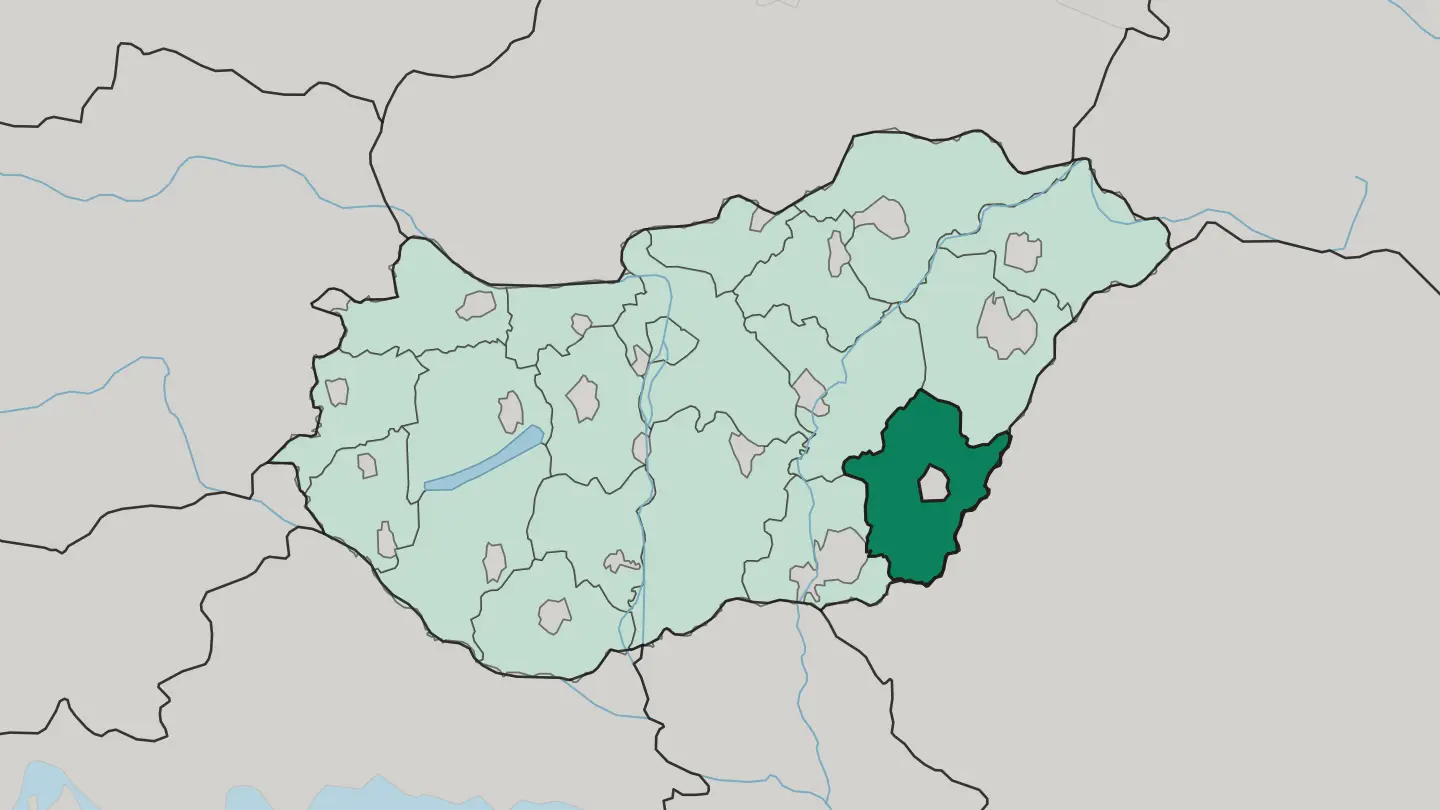 Hungary
Borsod-Abauj Zemplen county
Borsod-Abaúj-Zemplén is Hungary's mountainous north-east, where the Bükk hills, the Aggtelek caves and the Tokaj vineyards meet.Towns & cities →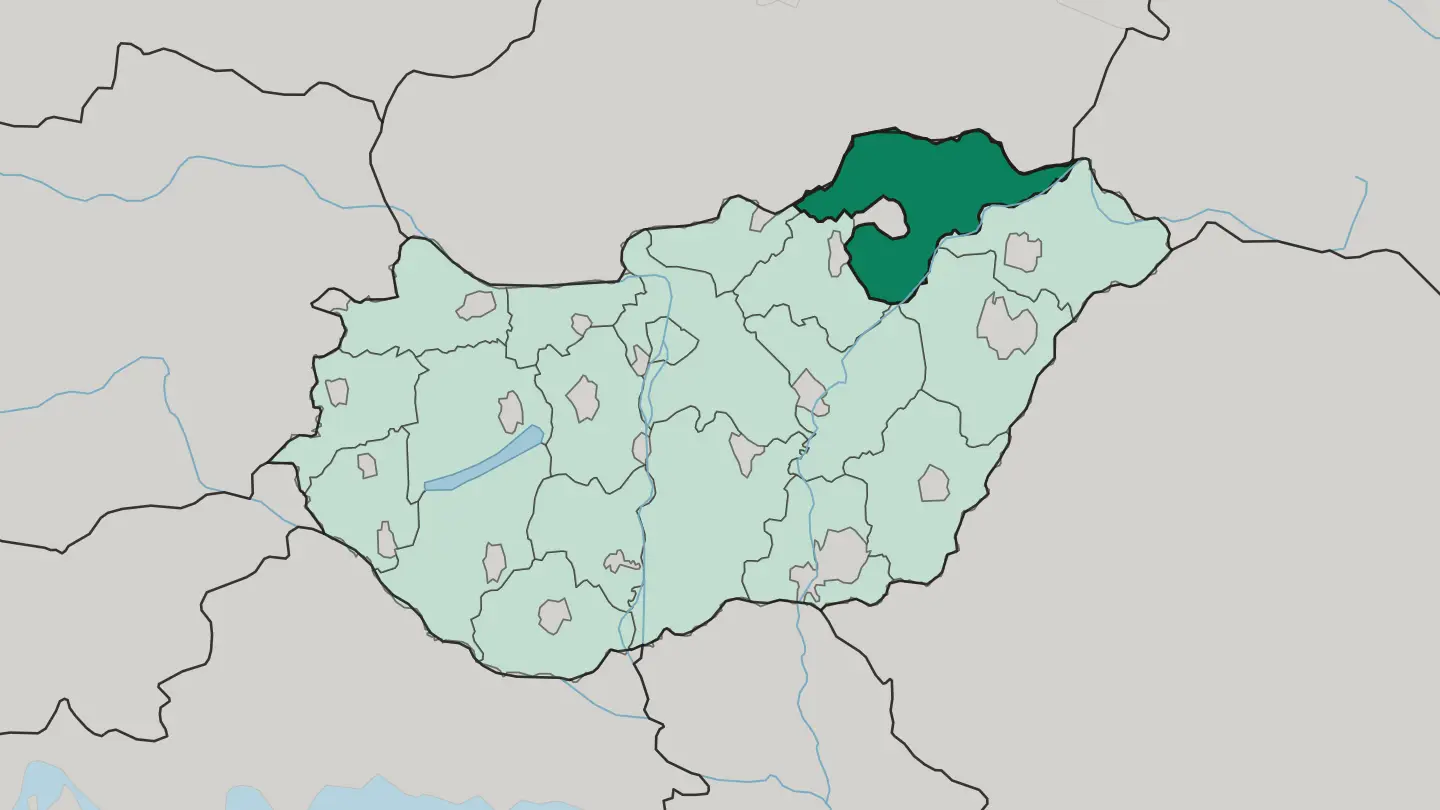 Hungary
Budapest
Budapest is the capital region of Hungary, the city set apart as a region of its own on the River Danube, at the centre of the Pannonian Basin.Towns & cities →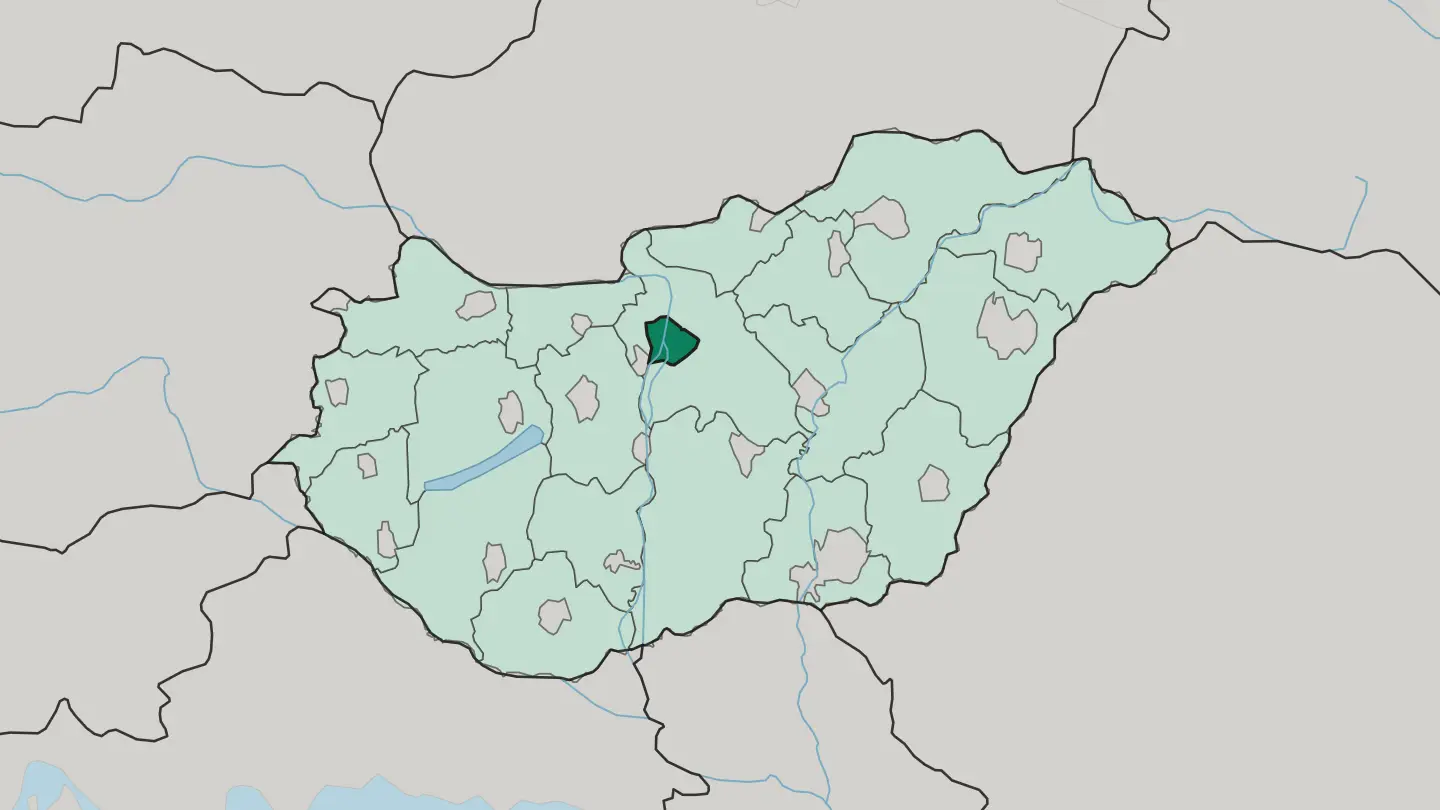
 Hungary
Bács-Kiskun county
Bács-Kiskun is Hungary's largest county, a flat sweep of sand and orchards between the Danube and the Tisza.Towns & cities →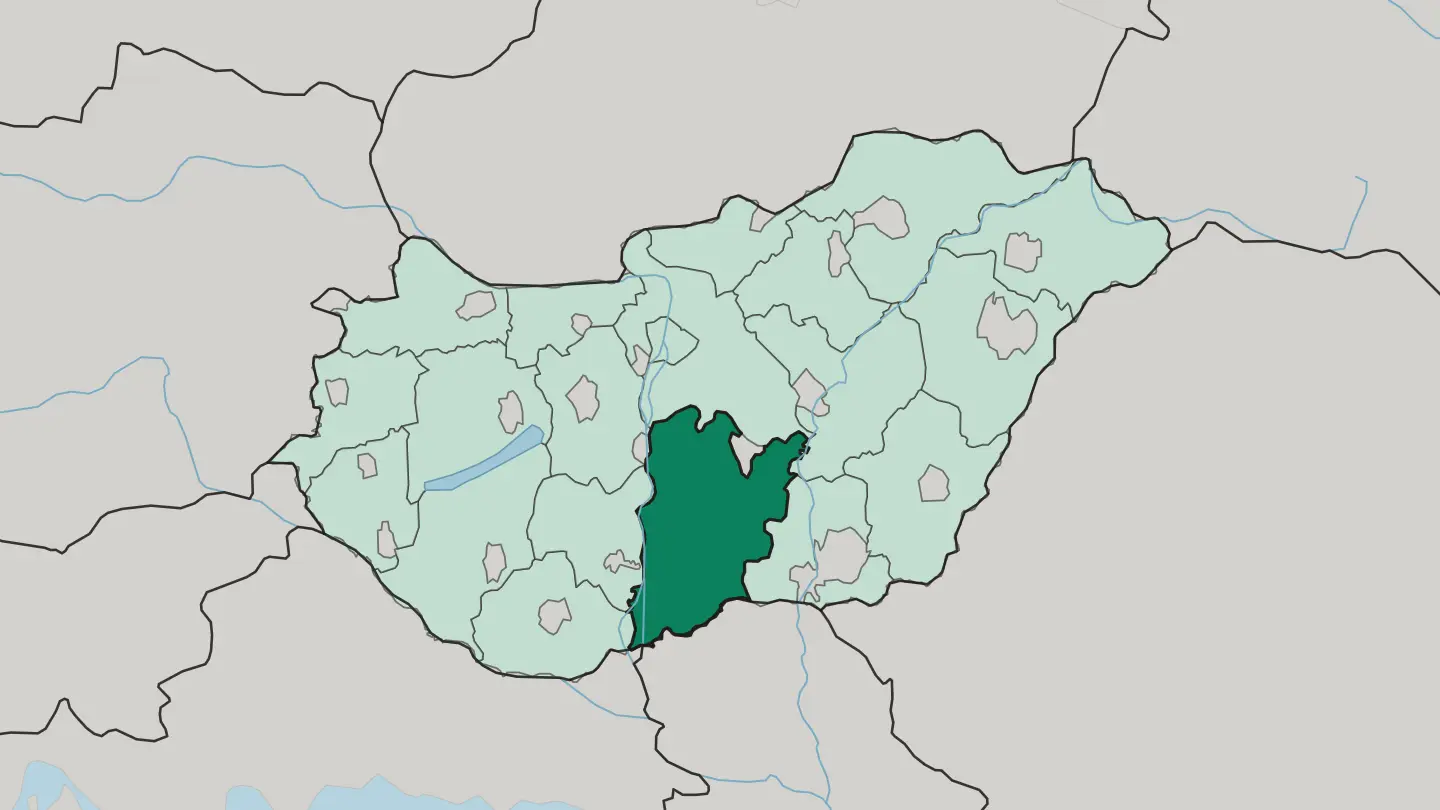 Hungary
Csongrád megye
Csongrád-Csanád is Hungary's paprika-and-onion country, straddling the Tisza in the sunny far south around Szeged.Towns & cities →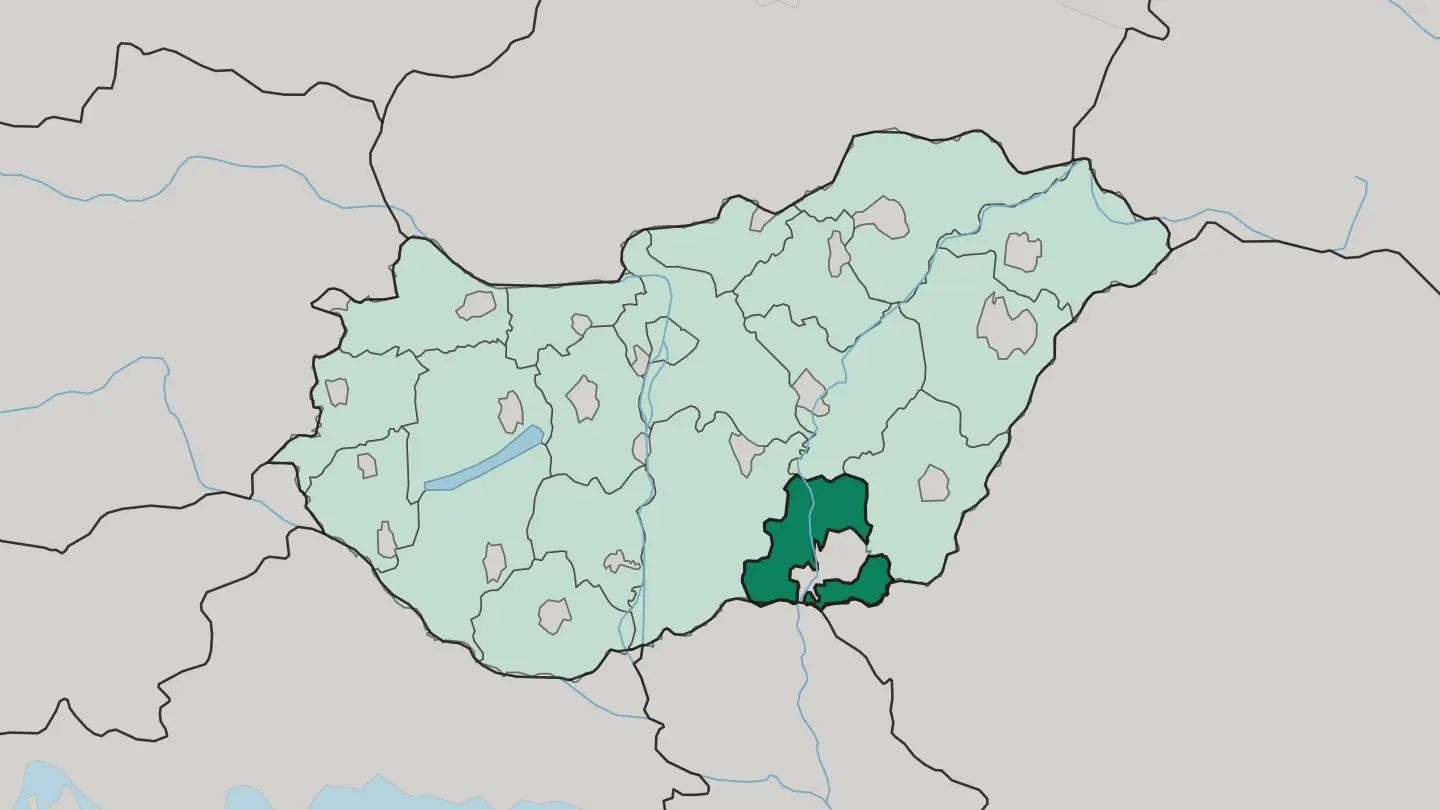 Hungary
Fejér megye
Fejér vármegye spreads across Central Transdanubia, from the Danube's west bank to the warm shallows of Lake Velence and old Székesfehérvár.Towns & cities →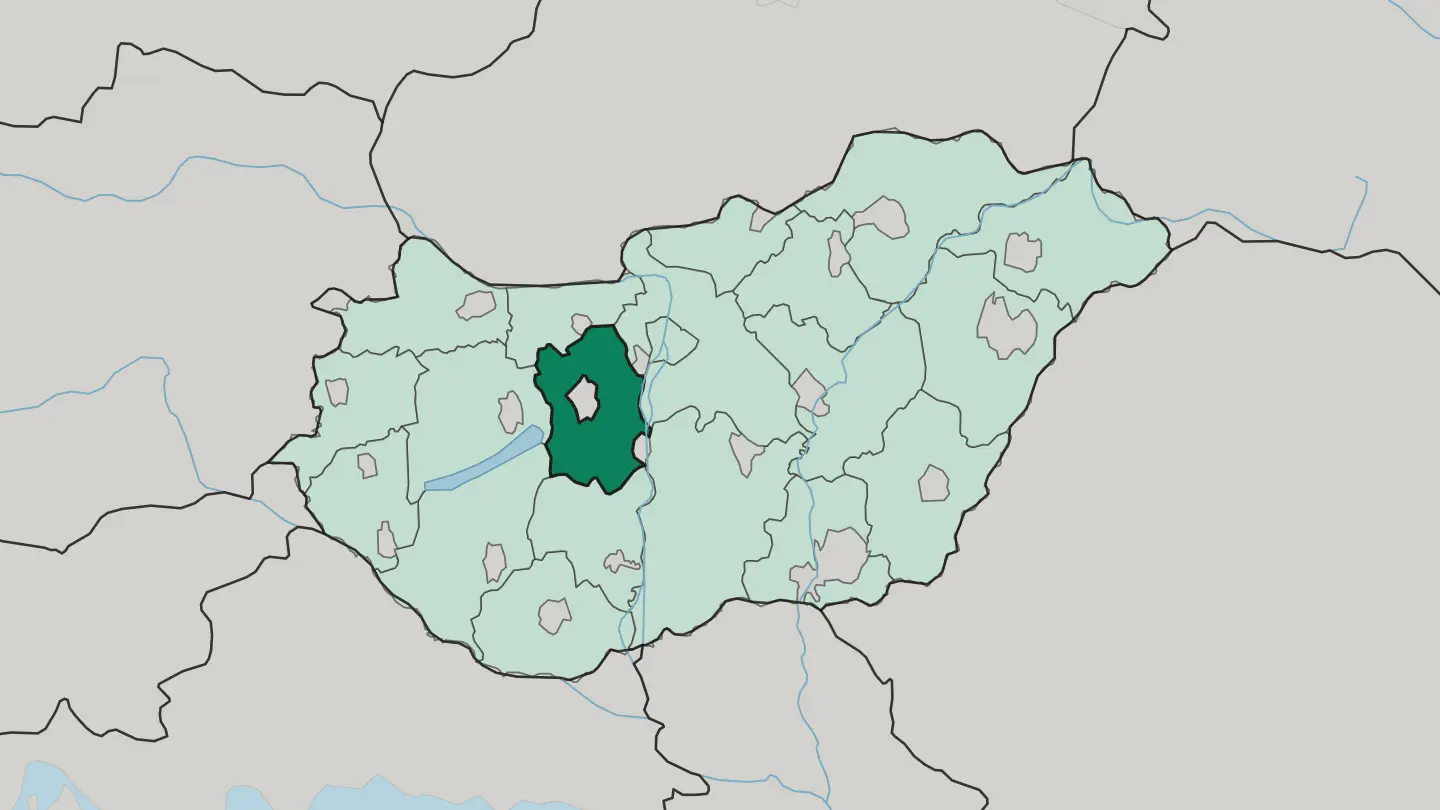 Hungary
Győr-Moson-Sopron megye
Győr-Moson-Sopron megye is Hungary's north-western corner, spread across the Kisalföld plain between the Danube, Slovakia and Austria.Towns & cities →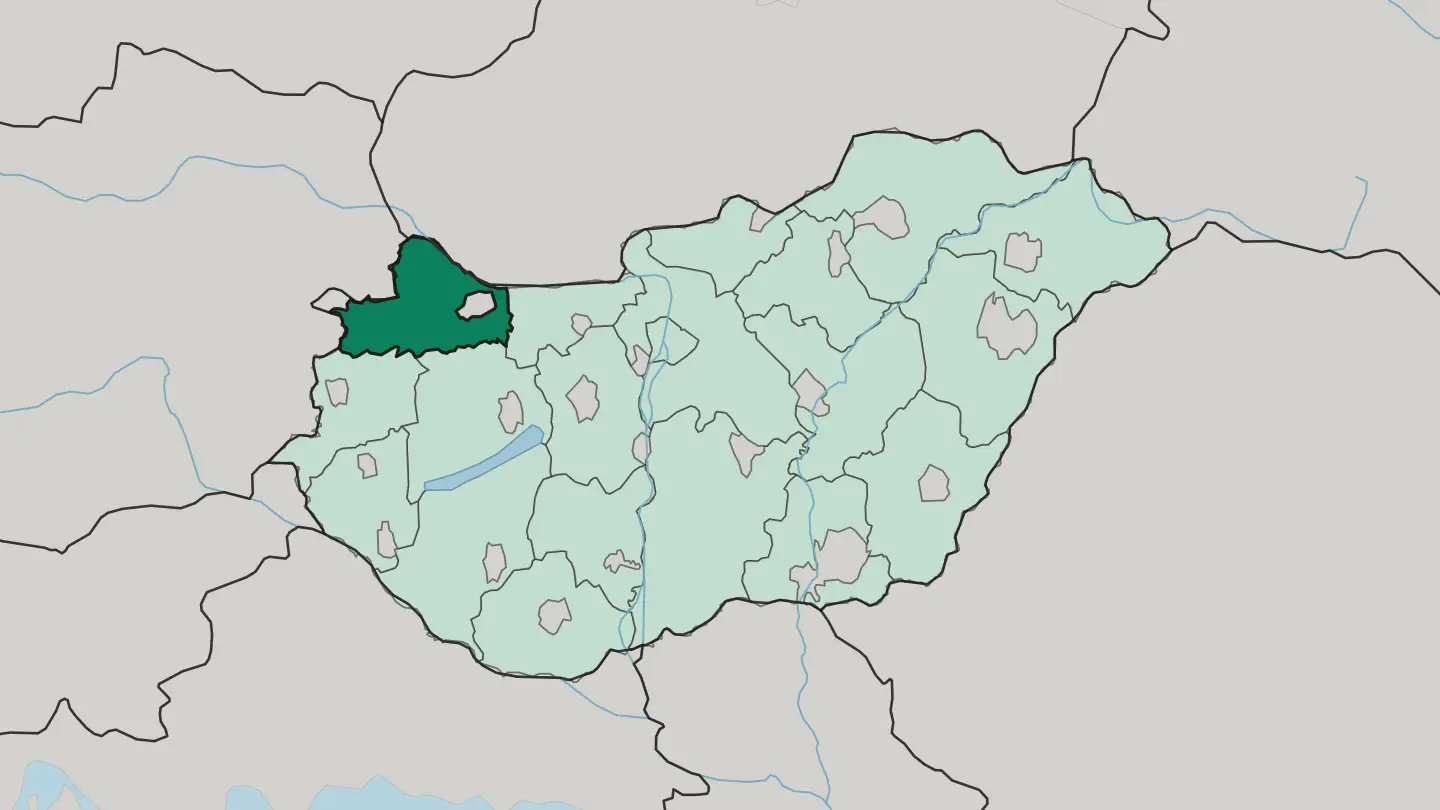 Hungary
Hajdú-Bihar
Hajdú-Bihar spreads across the flat plain of eastern Hungary, where Debrecen anchors the puszta and the thermal spas draw the crowds.Towns & cities →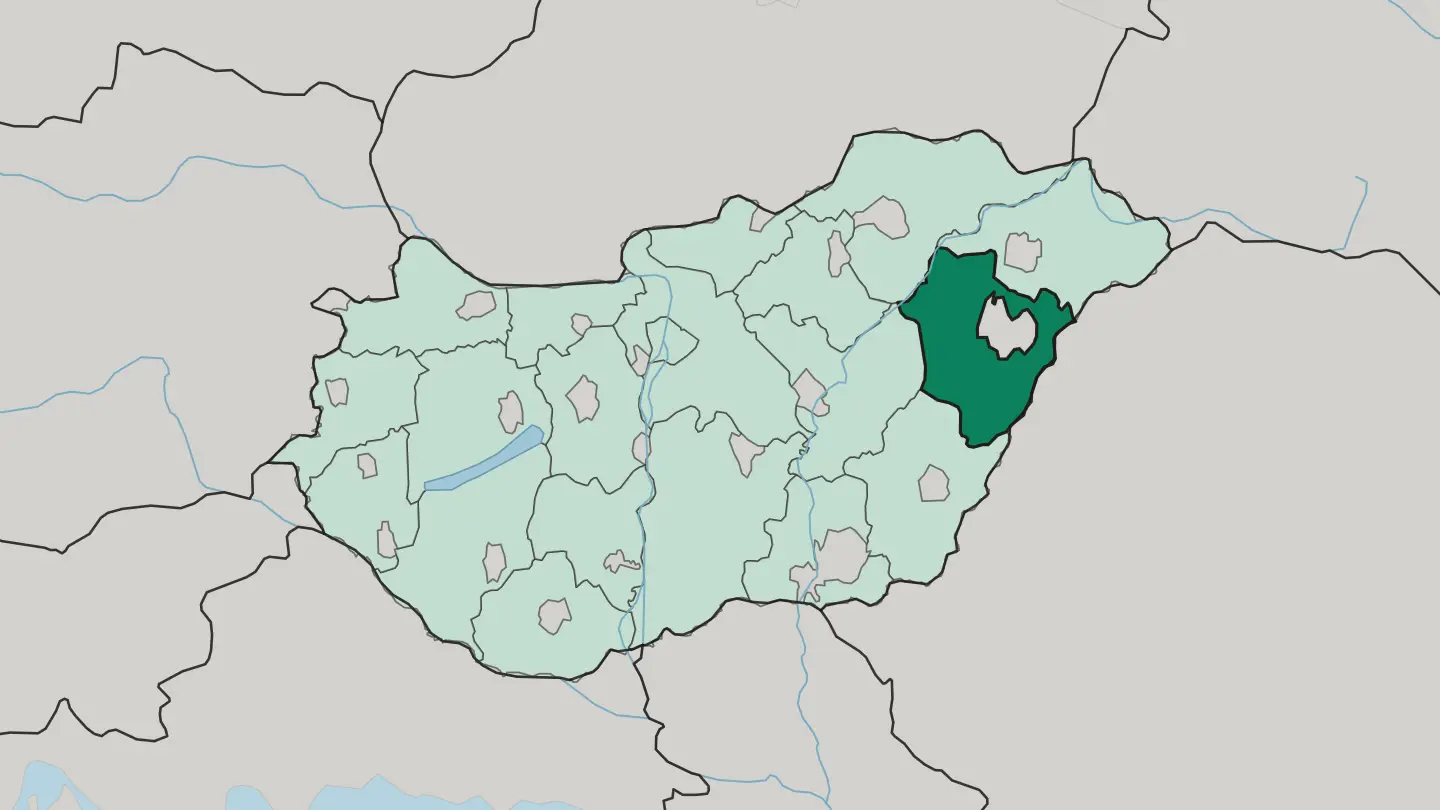 Hungary
Heves megye
Heves megye is a county of northern Hungary, running from the Mátra and Bükk peaks down to the Tisza plain around Eger.Towns & cities →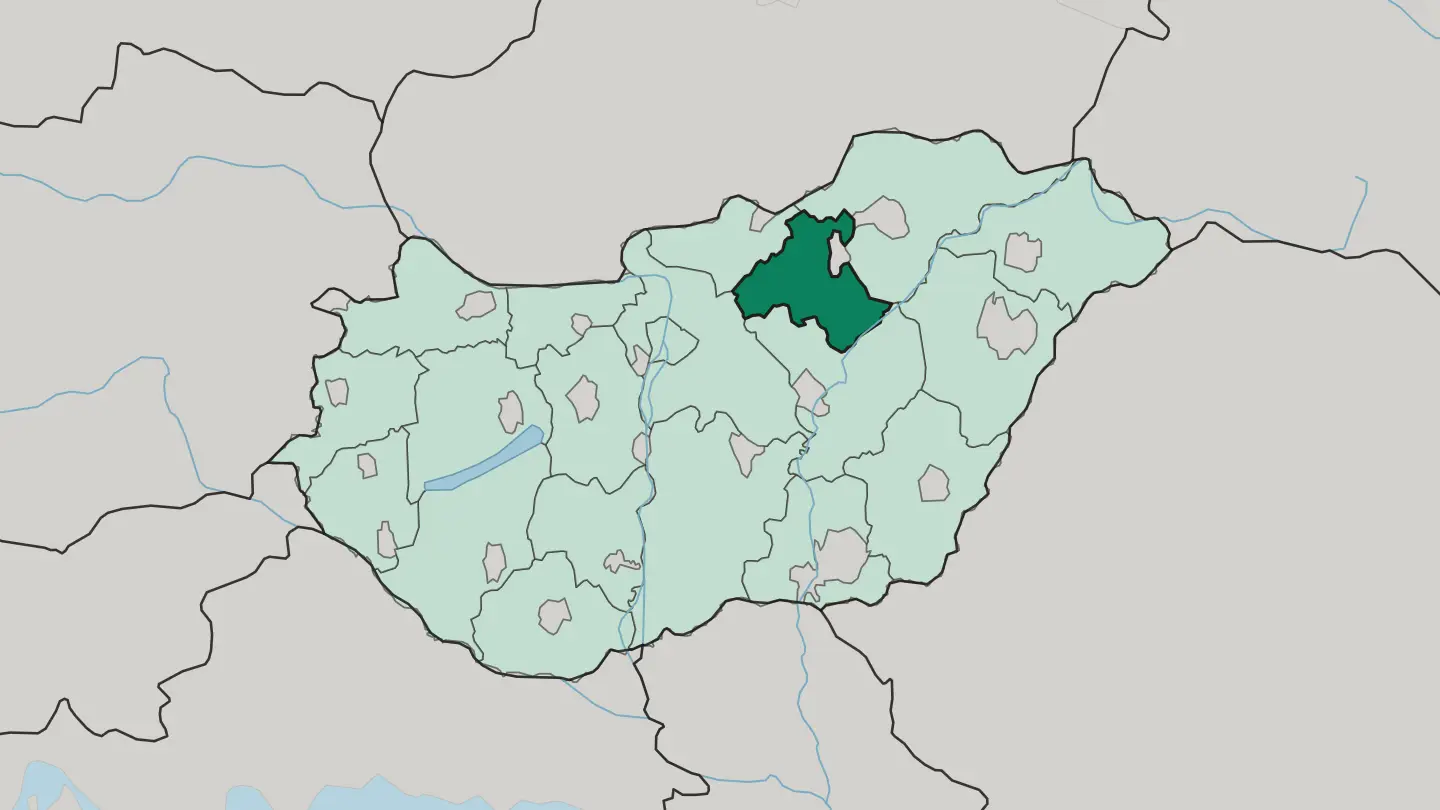 Hungary
Jász-Nagykun-Szolnok
Jász-Nagykun-Szolnok is a flat county on the Great Hungarian Plain, split by the Tisza and centred on the river city of Szolnok.Towns & cities →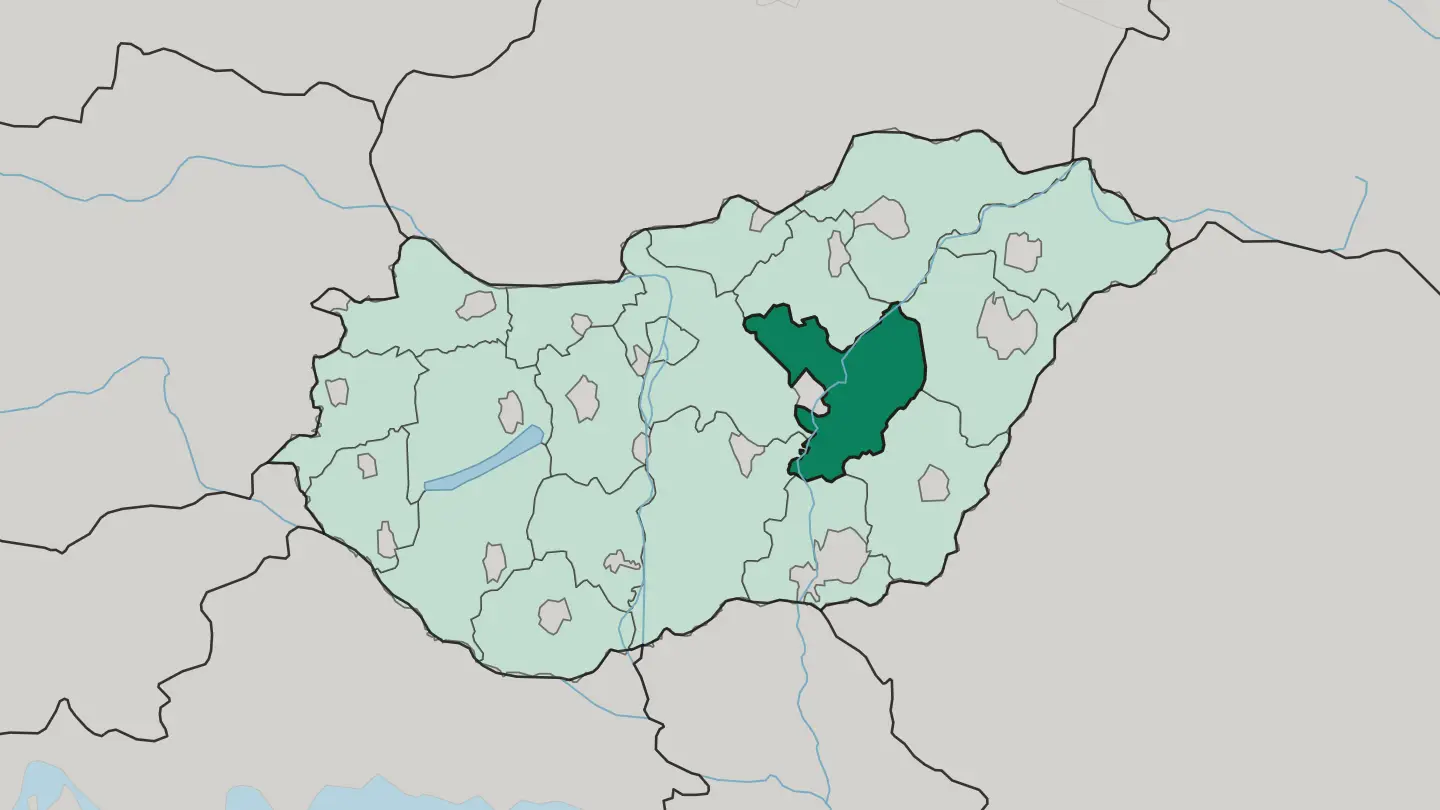 Hungary
Komárom-Esztergom
Komárom-Esztergom is Hungary's smallest county, pressed against the Danube where it forms the Slovak border, from Esztergom to Tatabánya.Towns & cities →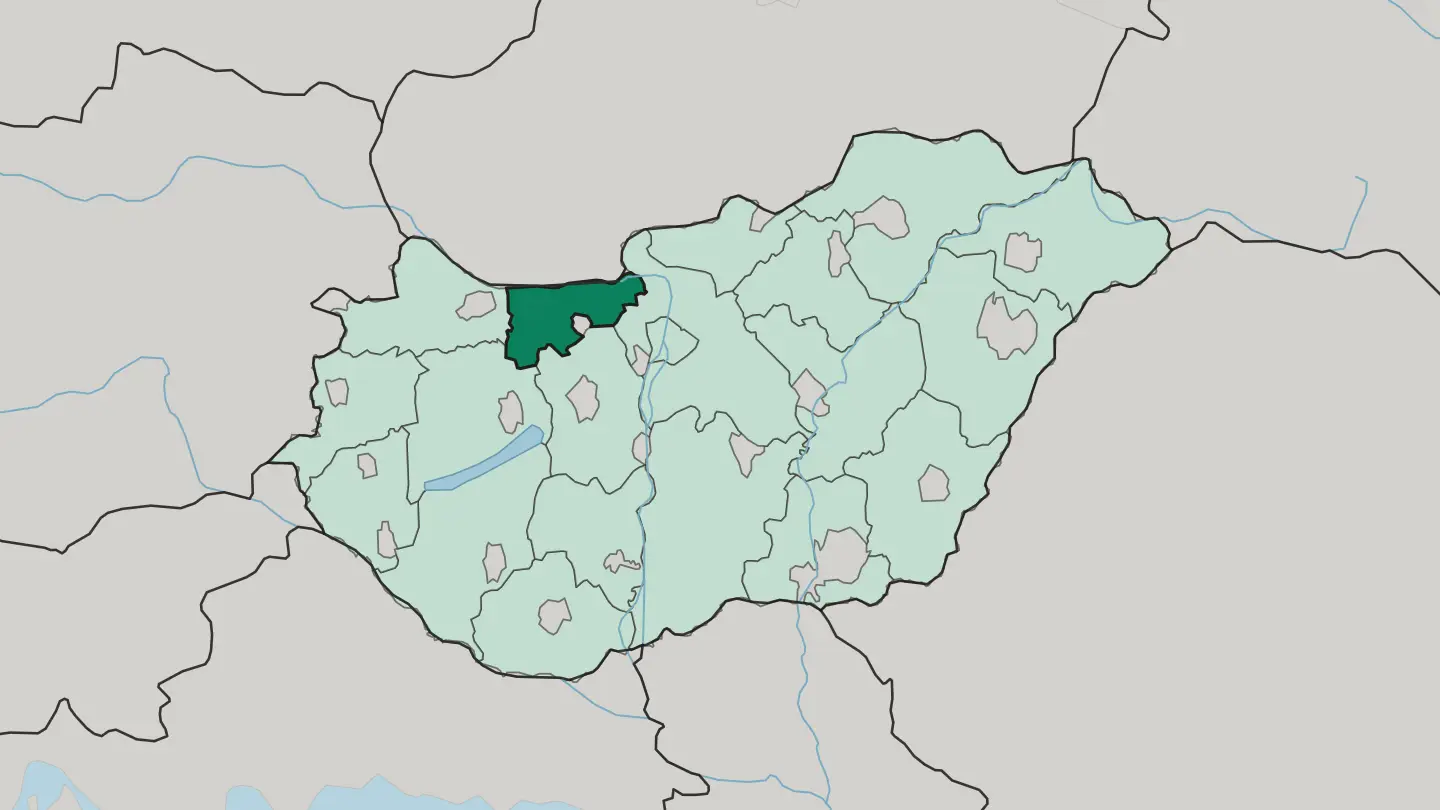 Hungary
Nógrád megye
Nógrád is Hungary's least populous county, a wooded upland on the Slovak border where the Palóc kept their villages, weaving, and dialect alive.Towns & cities →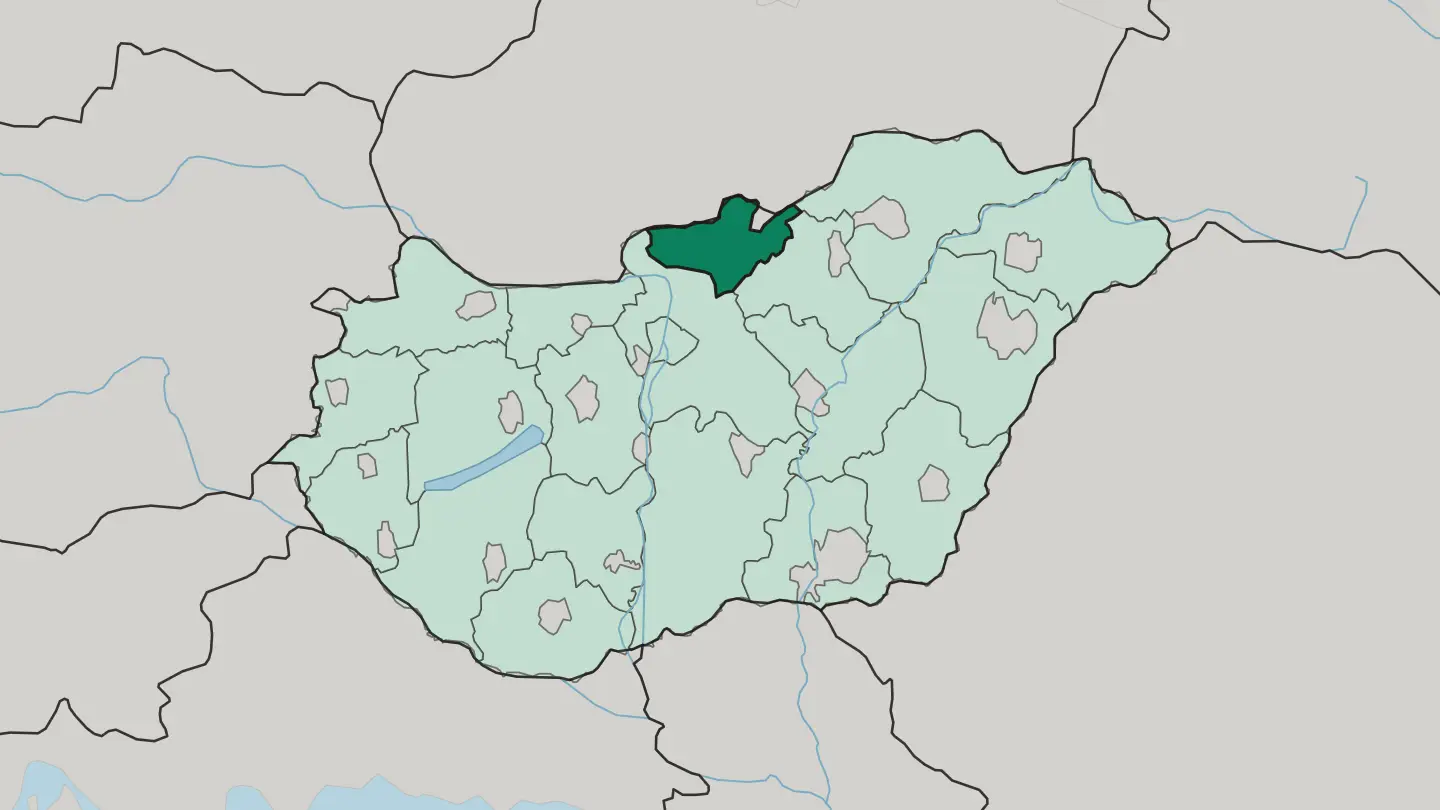 Hungary
Pest megye
Pest megye wraps a broad ring of towns, hills, and Danube shore around Budapest, the capital it encircles but never contains.Towns & cities →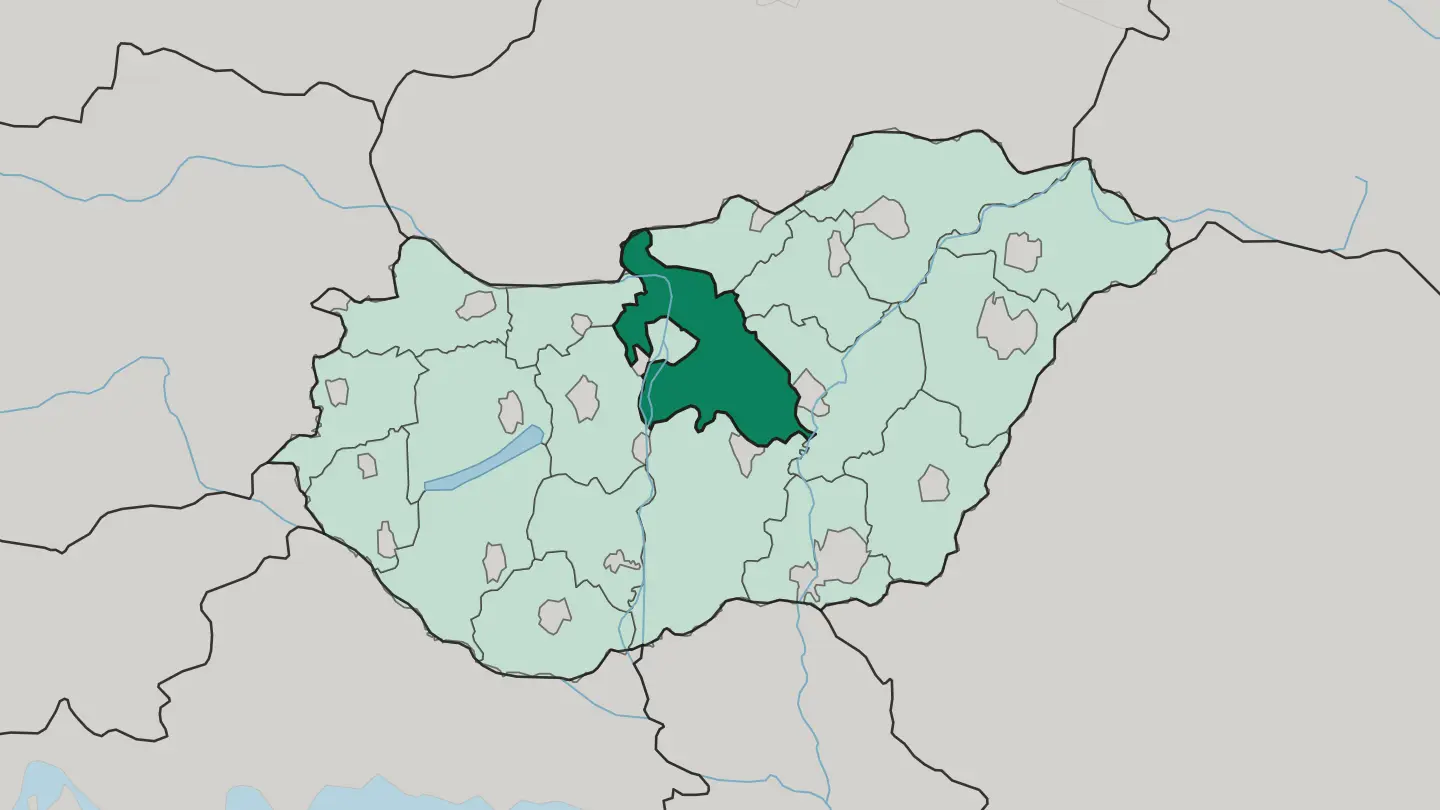 Hungary
Somogy megye
Somogy megye holds the whole southern shore of Lake Balaton, then rolls south through the forested Zselic hills to the Dráva.Towns & cities →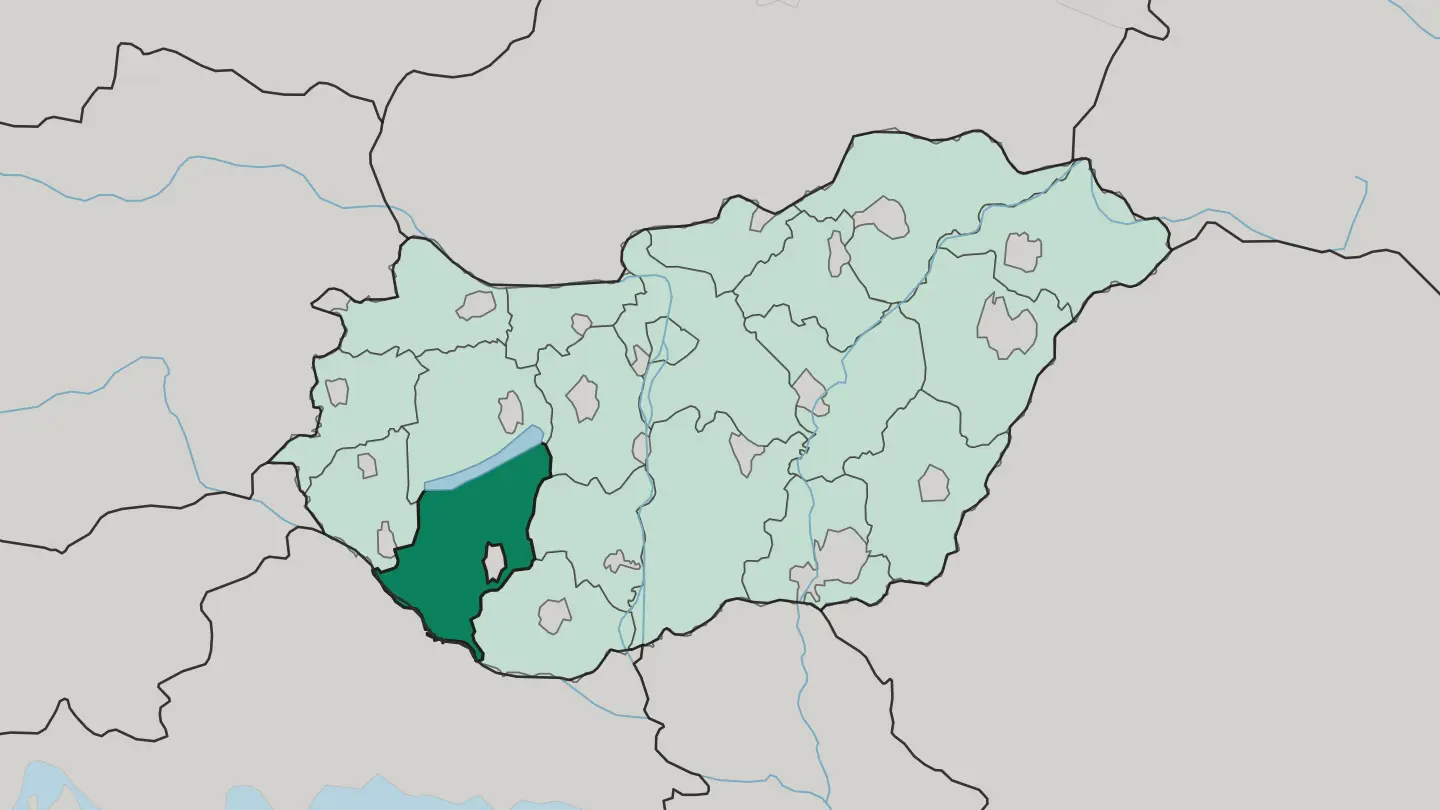
 Hungary
Szabolcs-Szatmár-Bereg
Szabolcs-Szatmár-Bereg is Hungary's north-eastern corner, where the Tisza loops through orchard country to the Ukrainian, Romanian and Slovak borders.Towns & cities →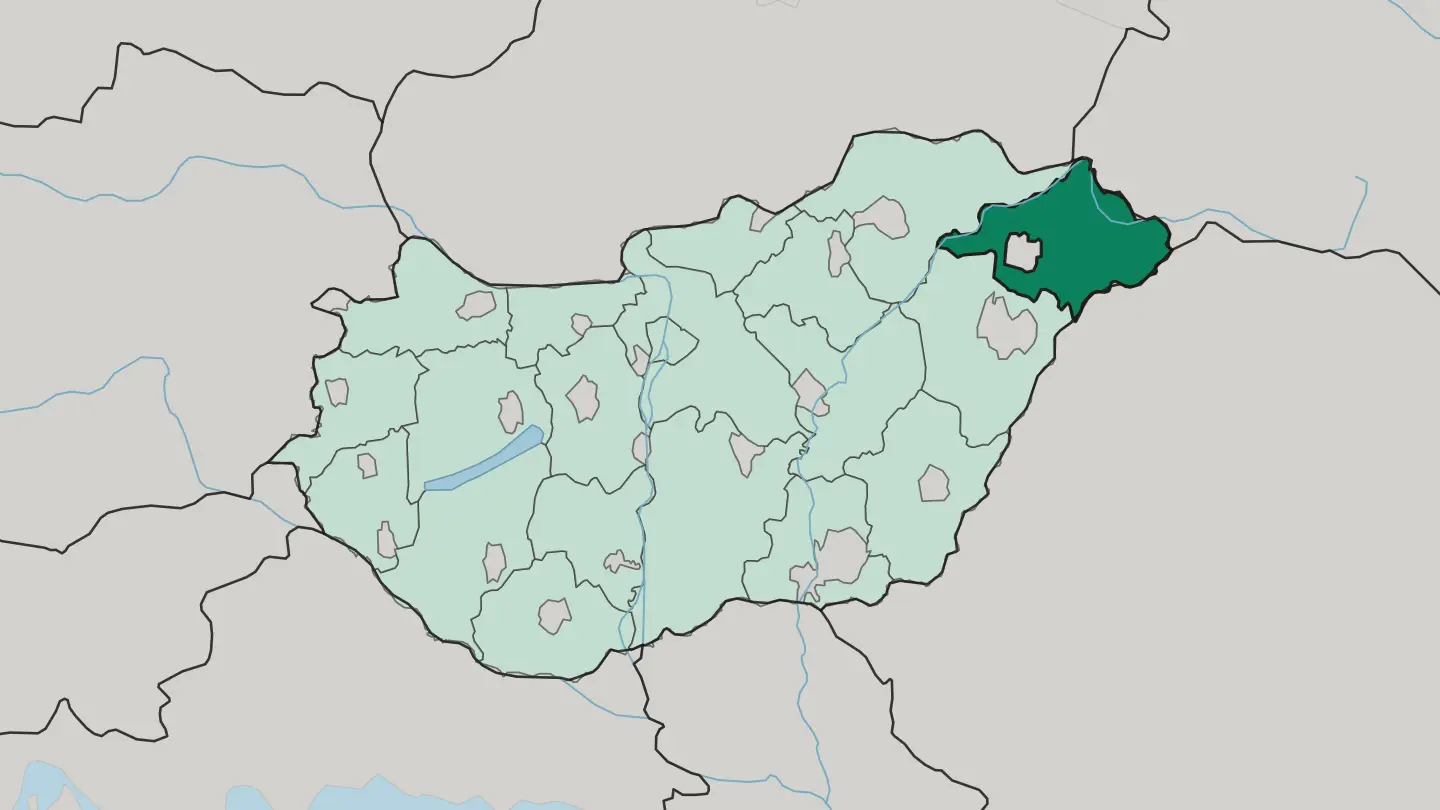 Hungary
Tolna megye
Tolna megye is a wine county in southern Hungary, set on the loess slopes above the Sió's confluence with the Danube at Szekszárd.Towns & cities →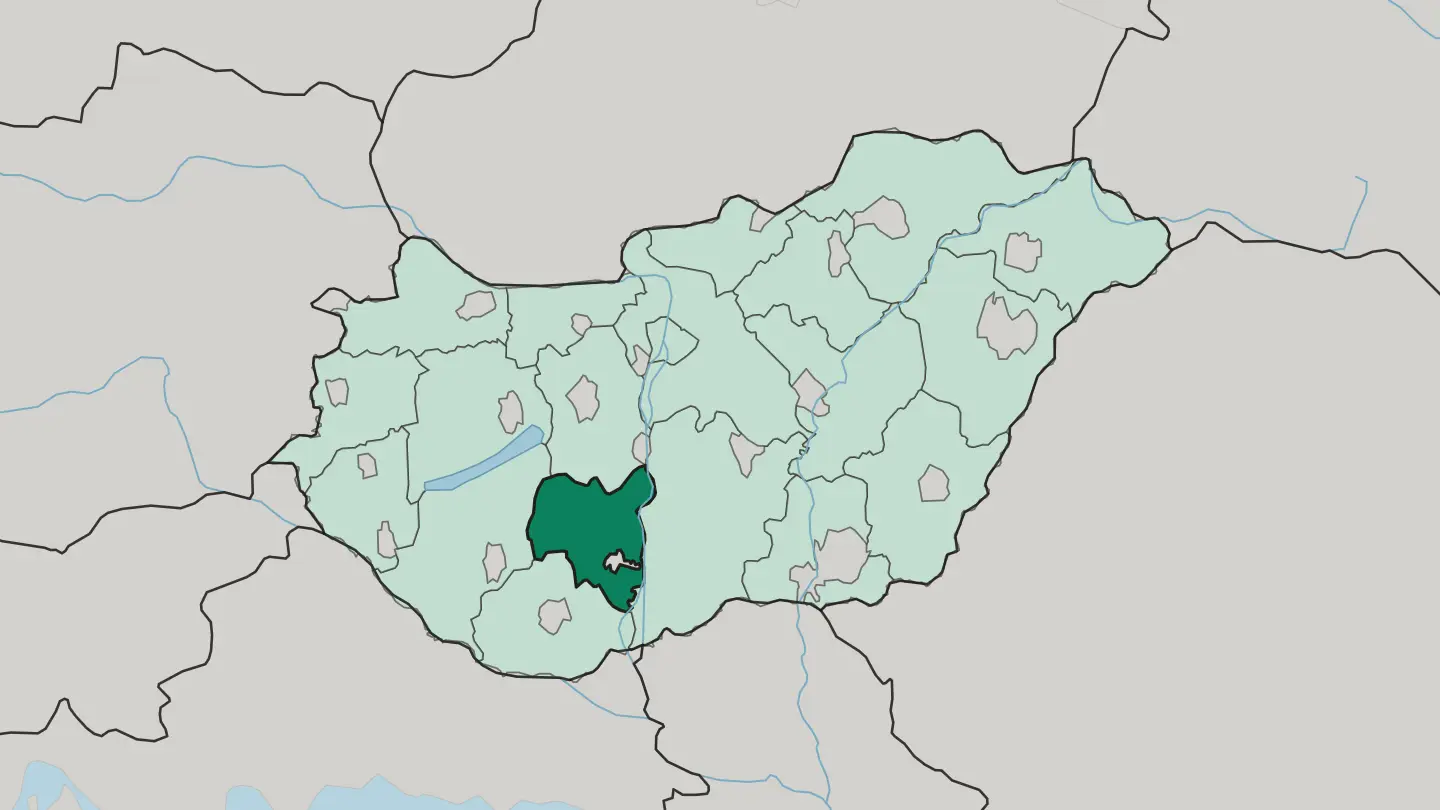
 Hungary
Vas megye
Vas megye is Hungary's western corner, where the Alpine foothills meet the plain around Szombathely, the Roman Savaria.Towns & cities →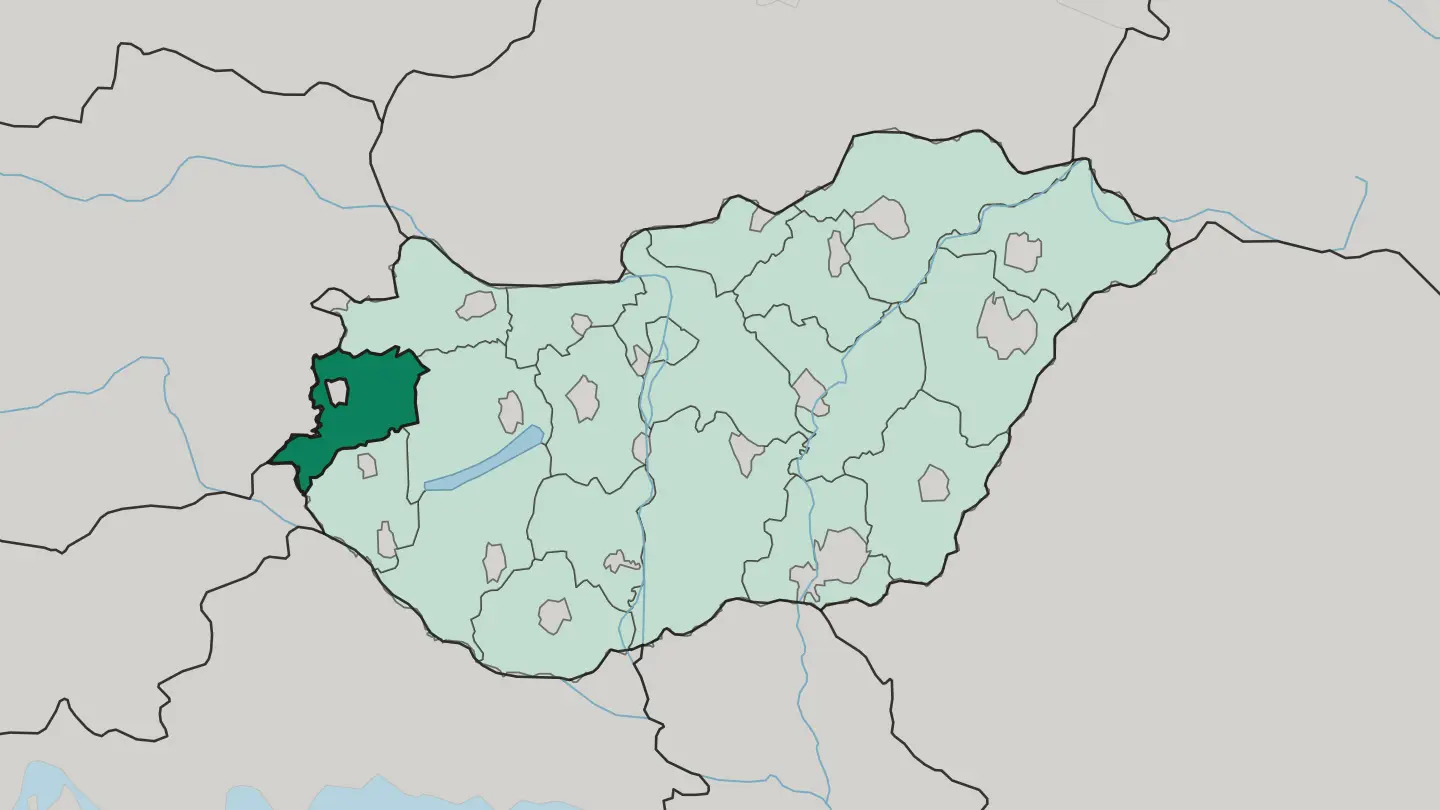
 Hungary
Veszprém megye
Veszprém megye is the county along Lake Balaton's northern shore, where the forested Bakony hills meet Hungary's largest lake.Towns & cities →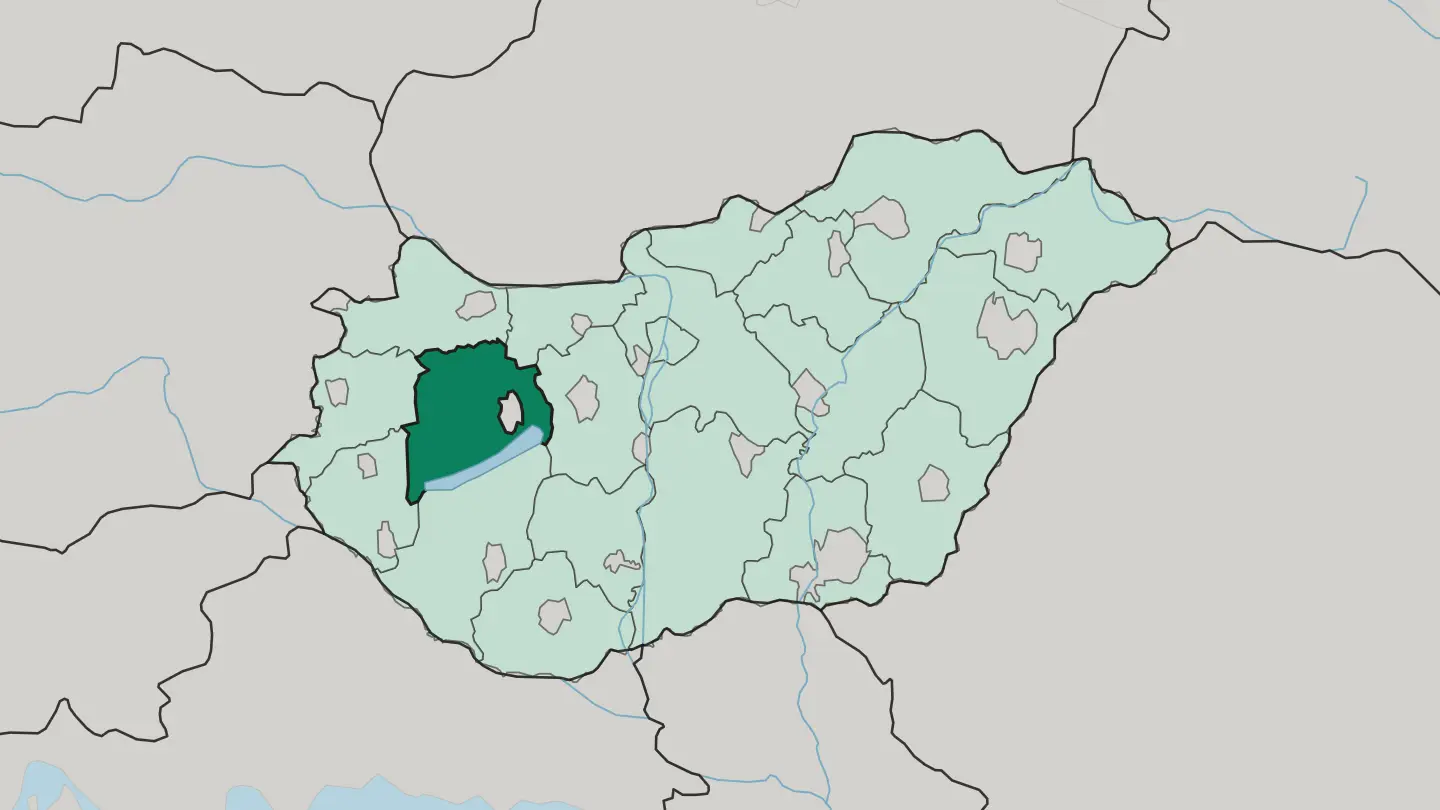
 Hungary
Zala megye
Zala megye fills Hungary's south-western corner, where the Zala River drains toward Lake Balaton and thermal springs feed the spa town of Hévíz.Towns & cities →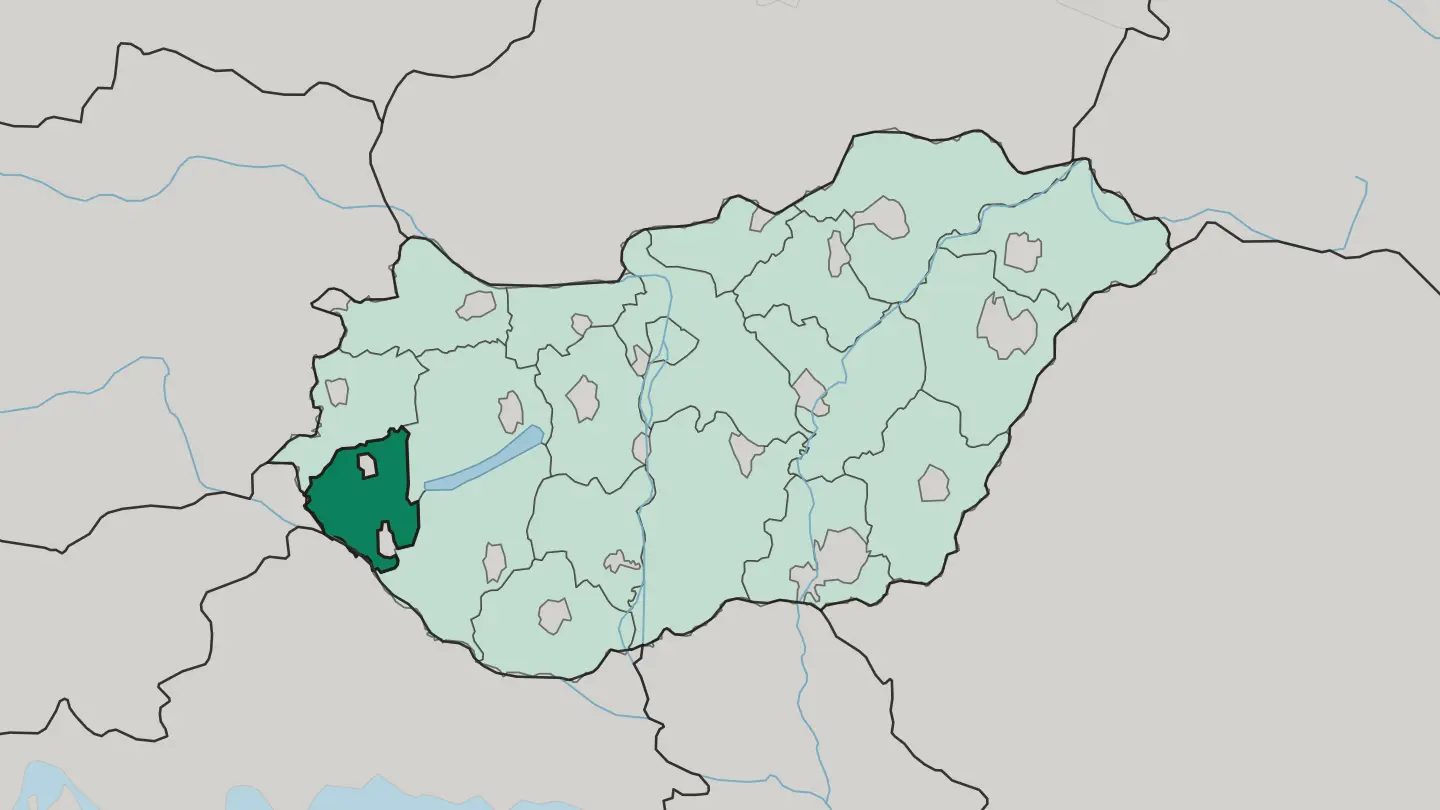
Explore by experience
Not sure which place? Start from how you want to travel.


About Hungary
What is Hungary known for?
Hungary is known for the thermal springs and Ottoman-era bathhouses of Budapest, the summer shores of Lake Balaton and the folk traditions of its villages. Its landscapes range widely. The Great Plain spreads across the east, low mountain ranges rise toward the Carpathians, and the Danube threads the country from the Austrian border toward the Balkans.
Where is Hungary?
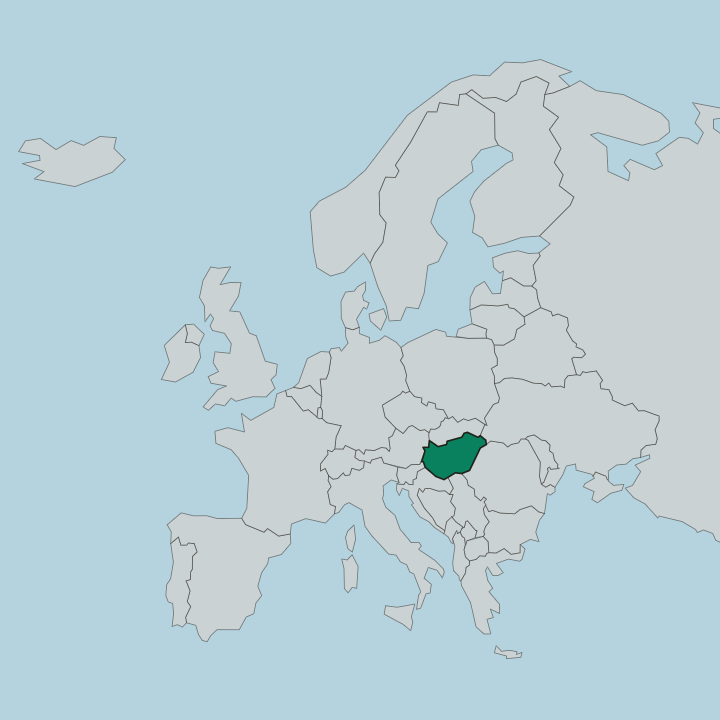
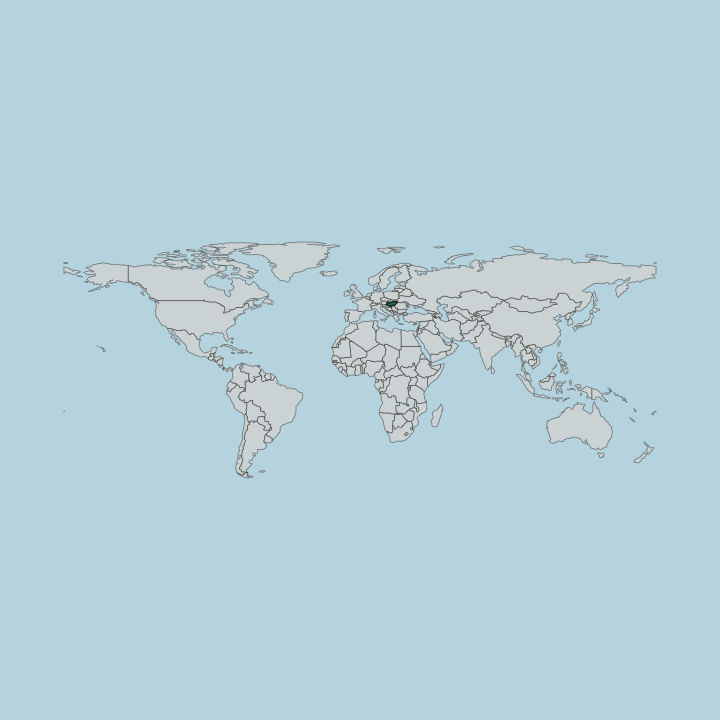
Hungary is a landlocked country in Central Europe, spread across much of the Carpathian Basin. Seven neighbours ring it. Slovakia lies to the north and Ukraine to the northeast; Romania borders the east and southeast; Serbia sits to the south; Croatia and Slovenia close the southwest; and Austria bounds the west. The plains rule the land.
Great lowland plains dominate the interior, with the Great Plain reaching across the east, while low mountain ranges rise toward the Carpathians. This basin has long linked the Balkans and the Great Eurasian Steppe. The Danube crosses the country within its own drainage basin, and the vast Lake Balaton spreads across the interior.
Thermal springs surface across the basin. From the plains to the low hills, Hungary holds the middle ground of the Carpathian Basin, a landlocked country of open lowlands, inland waters and warm-water springs.
What is the history of Hungary?
Hungary took shape as a kingdom around the year 1000, founded by the Magyars in the Carpathian Basin. Its site was a crossroads. The land bridged the Balkans and the Great Eurasian Steppe, drawing waves of peoples across the plains long before and after the kingdom formed.
Ottoman rule later left its mark. The Turkish bathhouses of Budapest survive from that era, while its Habsburg architecture records the centuries of monarchy that followed. The Hungarian language endured through all of it, one of the few in Europe outside the Indo-European family.
Budapest rose as the capital. From the medieval kingdom to the modern state, Hungary has held the Carpathian Basin as a Magyar-speaking country at the junction of Central Europe, the Balkans and the steppe.
What is Hungary like?
Hungary keeps a Magyar culture built on the Hungarian language and the folk traditions of its villages. The language sets it apart. Hungarian stands among the few tongues in Europe outside the Indo-European family, a Magyar inheritance carried down alongside the folk traditions of the countryside and its villages.
Bathing runs deep here. The Ottoman-era bathhouses of Budapest still draw crowds to the thermal springs, a public bathing custom that outlasted the empire that introduced it. Beyond the Magyar majority, a Romani minority adds to the country's cultural mix.
Budapest leads the cultural life. From the plains to the capital, Hungarian culture rests on its language, its village traditions and the bathing life of Budapest, set at the meeting of Central Europe and the Balkans.
What is the climate of Hungary?
Hungary has a temperate climate with warm summers, shaped by its landlocked place in the Carpathian Basin. In Hungary the heat lingers through a long season. The interior plains bring a continental swing, hot over the Great Plain in high summer and cold in winter, with the warm season drawing crowds to the shores of Lake Balaton.
Rain falls across Hungary in every season.
How do you get to Hungary?
Hungary sits landlocked in Central Europe, reached overland from every side. Roads and rail cross in from Austria, Slovakia, Ukraine, Romania, Serbia, Croatia and Slovenia, while the Danube carries river traffic through the country. Budapest is the main point of arrival for longer journeys, its position on the Danube and at the centre of the Carpathian Basin placing it within easy reach of the surrounding countries.
No coast means no ships.
Common questions
What is the best area to stay in Hungary?
Budapest: a first Hungary trip based in Budapest on the Danube. Lake Balaton: a warm-weather lakeside base on the shores of Lake Balaton.
Good for
Updated September 2026