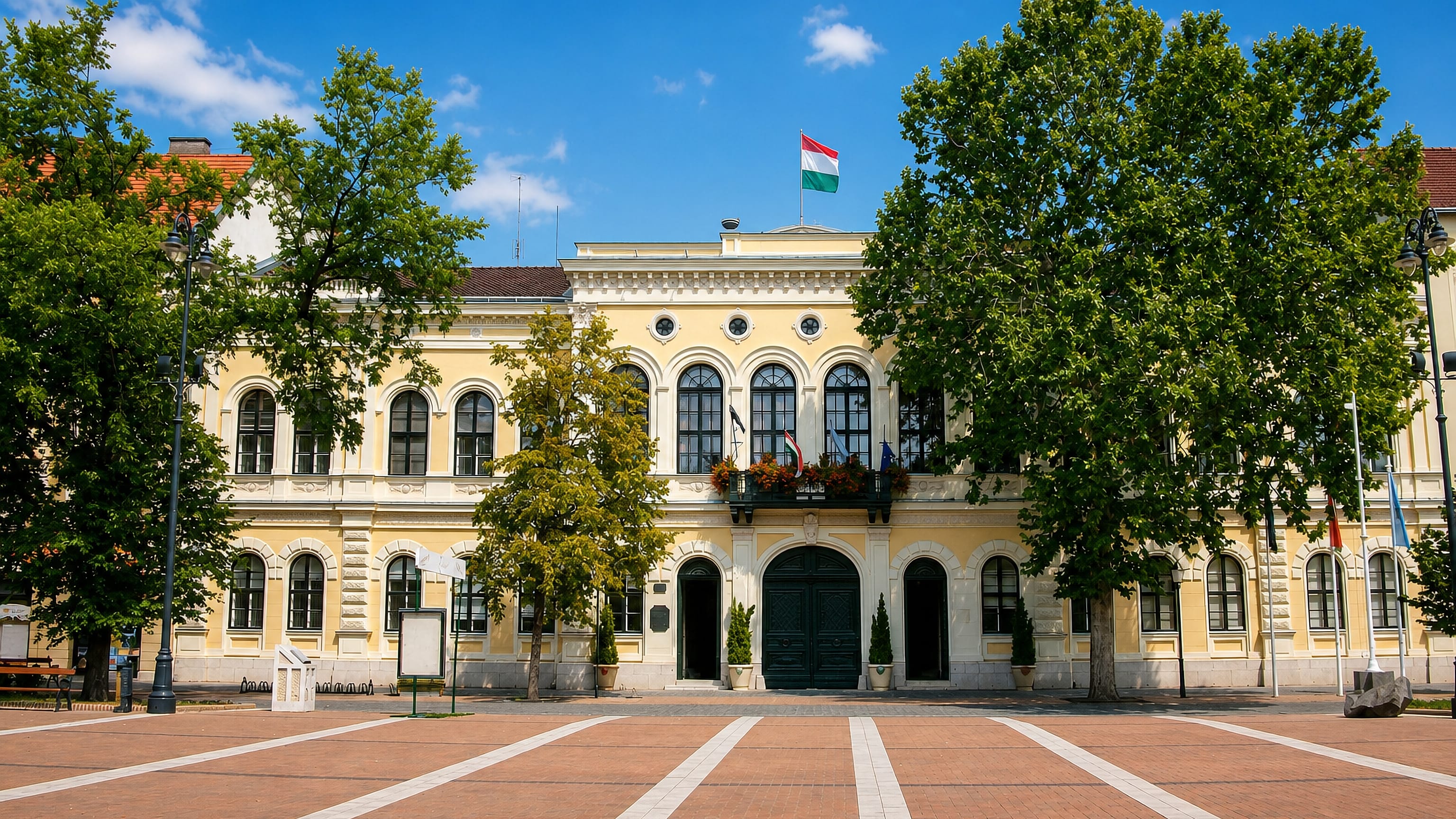
Hungary · Bekes County
Where to Stay in Békéscsaba, Bekes County
Békéscsaba is a city with county rights in Hungary and the capital of Békés County, where the Szlovák Tájház keeps a Slovak inheritance.
Hotel links are affiliate links: booking through them may earn us a commission, at no extra cost to you. It never affects how places are ranked. How this works


Where to stay in Békéscsaba
How the choice of base plays out on the ground.
Stay near the Mihály Munkácsy Museum and the rest follows. The centre of Békéscsaba gathers the museum, the Szent Miklós-templom and the shopping streets into a few blocks, so a visitor without a car loses nothing by taking a room there and walking everywhere. Getting between them costs minutes.
The békéscsabai adventista templom and the other smaller churches sit on the same grid, which keeps an afternoon of looking around simple. The Szlovák Tájház asks for a separate half-day. It sets out the Slovak side of the city in a house rather than a gallery, and staying central still leaves it in reach, since nothing here is far from anything else.
Football is the exception here. Rooms nearest the Stadion Kórház utcai fill when there is a fixture, and anyone travelling for football should book on that side rather than trusting to the evening. Békés County spreads out around the city.
If you are using Békéscsaba as a base for the county rather than for its own museums, take a room with parking on the outer streets, where getting onto the county roads in the morning costs no traffic at all. Otherwise the centre wins.
Find hotels in Békéscsaba
Direct booking searches for these neighbourhoods.
Centre by the Szent Miklós-templom
The Szent Miklós-templom, the county museum and the shopping streets fall in the same few blocks, so no part of a day needs a bus.Find hotels in Centre by the Szent Miklós-templomfixture nights at the Stadion Kórház utcaiAround the Stadion Kórház utcai
Walking distance to the ground on match days, with a quicker exit onto the Békés County roads than the centre allows.Find hotels in Around the Stadion Kórház utcaiHotel links are affiliate links: booking through them may earn us a commission, at no extra cost to you. It never affects how places are ranked. How this works
Things to do in Békéscsaba
Ranked by global recognition; descriptions from Wikidata (CC0).
Museums & Galleries
2- Mihály Munkácsy Museum
- Szlovák Tájház
Churches & Religious Sites
2- békéscsabai adventista templom
- Szent Miklós-templom
Stadiums & Sports
1- Stadion Kórház utcai
worth knowingacross 3 categories in Békéscsaba
About Békéscsaba
Békéscsaba leans on two museums.
What is Békéscsaba known for?
The Mihály Munkácsy Museum is the larger draw, a county museum bearing the name of Mihály Munkácsy, and the Szlovák Tájház covers the other half of the story, the Slovak strand in Békéscsaba. Sport takes much of the remaining attention, with the Stadion Kórház utcai giving the city its ground. Churches punctuate the centre.
What are the main landmarks in Békéscsaba?
The Mihály Munkácsy Museum anchors the list. It carries the principal collection of Békés County, and the Szlovák Tájház follows as the second stop, a house museum holding the Slovak thread of Békéscsaba. Churches account for most of the rest, the Szent Miklós-templom among the larger and the békéscsabai adventista templom among the plainer.
The Stadion Kórház utcai closes the list.
What is the history of Békéscsaba?
The Szlovák Tájház is the plainest evidence. A country house preserved as a museum records a Slovak-speaking population settled in Békéscsaba, and the fact that the city keeps such a house at all says the strand was large enough to be worth preserving. Language left buildings behind.
Its congregations did the same, since the Szent Miklós-templom and the békéscsabai adventista templom stand for different traditions inside one town rather than a single established church. County status came later and stuck. Békéscsaba holds county rights and serves as the capital of Békés County, which puts the offices and the county museum in one place and gives the centre its heavier public buildings.
The Mihály Munkácsy Museum belongs to that layer. A county keeps its collections at its seat, so the museum that carries the name of Mihály Munkácsy is where the material record of the surrounding country ends up. The rest is ordinary and useful.
It is a market settlement grown into the administrative centre of its county, carrying the public offices of Békés County, the collections of the museum and a football ground at the Stadion Kórház utcai, which is the shape most county seats in Hungary take.
Where is Békéscsaba?
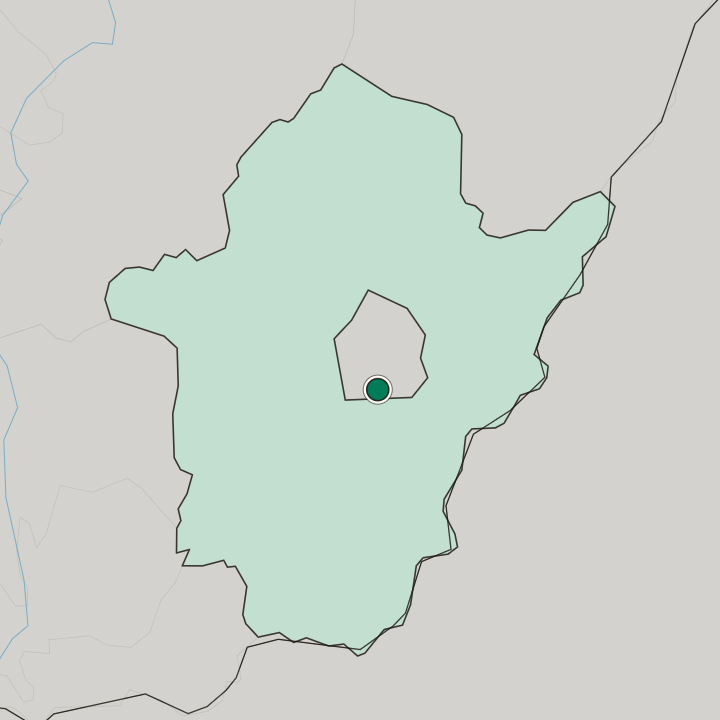
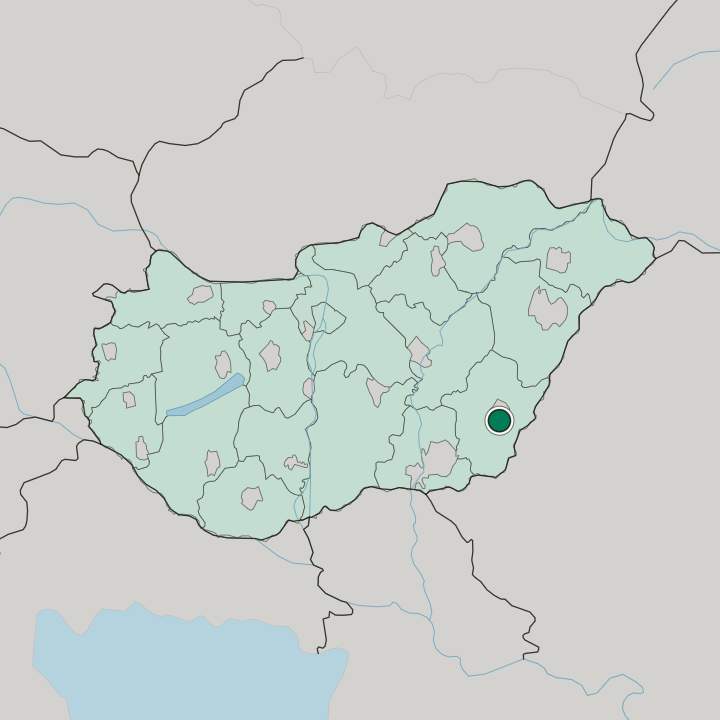
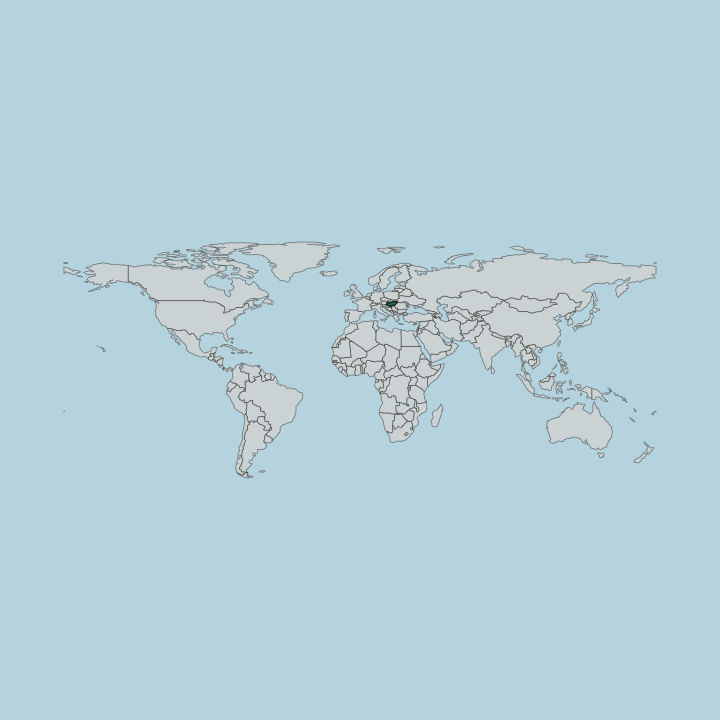
Békés County surrounds the city on every side. Békéscsaba sits well inland, with the county running out into farming country and the built-up area ending where the fields begin. Its limits are administrative.
Roads run from it to the smaller towns of Békés County, and the seat works as the market and office centre for a wide stretch of Hungary.
What is the climate of Békéscsaba?
Summer heat sits heavily over Békés County. Békéscsaba lies in the temperate band well away from any coast, so the year swings between a hot, dry high summer and a cold winter that arrives without much warning, with brief shoulder seasons on either side. By midsummer, shade is worth planning for.
Anyone visiting the Szlovák Tájház or the Mihály Munkácsy Museum in the middle of a summer day will be glad the collections are indoors.
How do you get to Békéscsaba?
Rail and road both end up in the centre. As the capital of Békés County, Békéscsaba is where the county rail lines and main roads converge, so arriving by train leaves a short walk to the Szent Miklós-templom and the Mihály Munkácsy Museum. Buses handle the county towns.
Drivers find the outer streets easy and the parking near the Stadion Kórház utcai easier still.
Common questions
What is the best area to stay in Békéscsaba?
Centre by the Szent Miklós-templom: car-free stays pitched at the Mihály Munkácsy Museum. Around the Stadion Kórház utcai: fixture nights at the Stadion Kórház utcai.
Good for
Updated September 2026