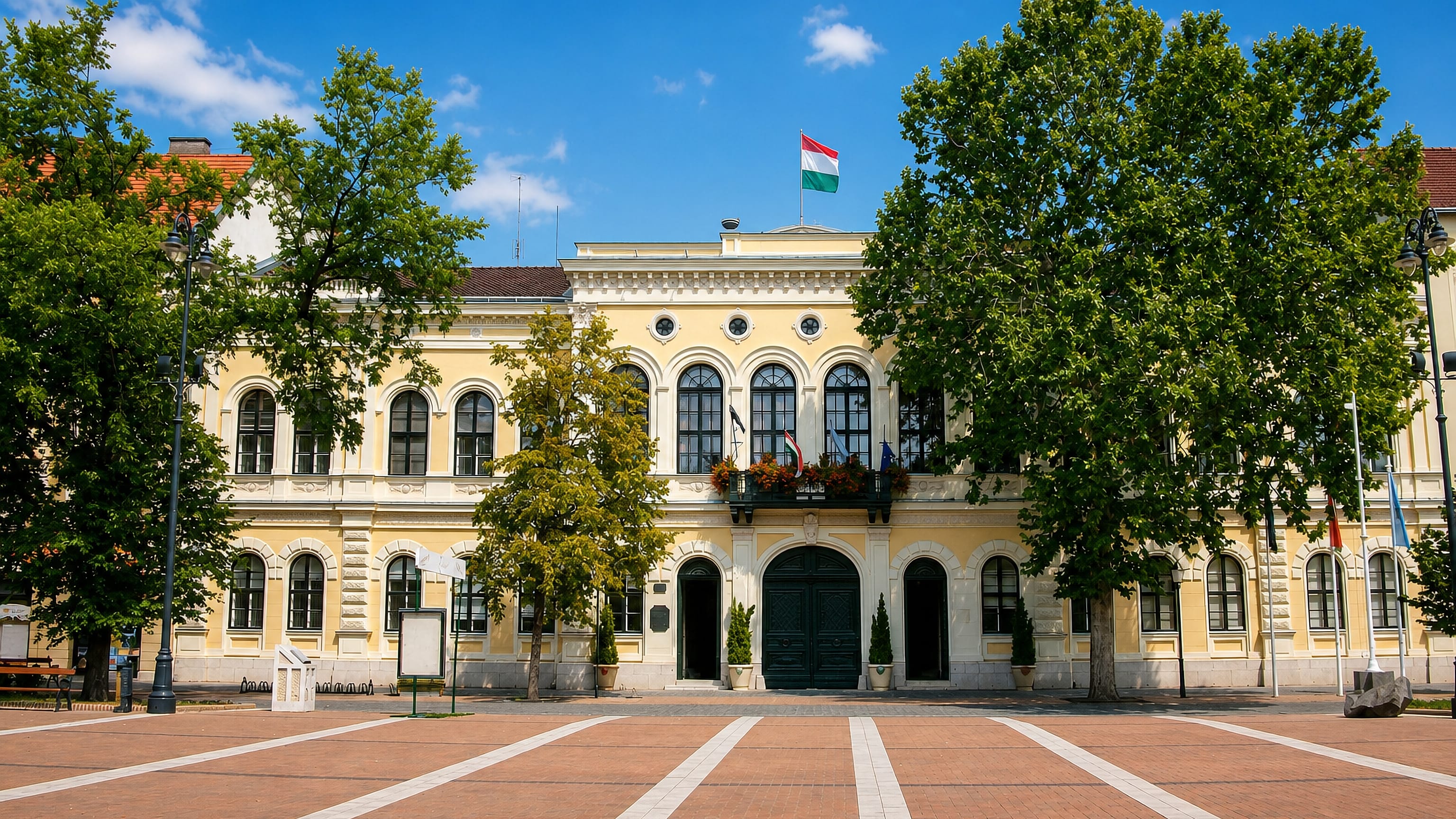
Hungary
Bekes County, Hungary — Towns & Travel Guide
Békés County is a flat farming region in south-eastern Hungary, on the Romanian border, watered by the Körös rivers.
Hotel links are affiliate links: booking through them may earn us a commission, at no extra cost to you. It never affects how places are ranked. How this works


Towns & cities in Bekes County
One town here has its own guide — it links to where to stay.

 Hungary
Békéscsaba
Békéscsaba is a city with county rights in Hungary and the capital of Békés County, where the Szlovák Tájház keeps a Slovak inheritance.Where to stay →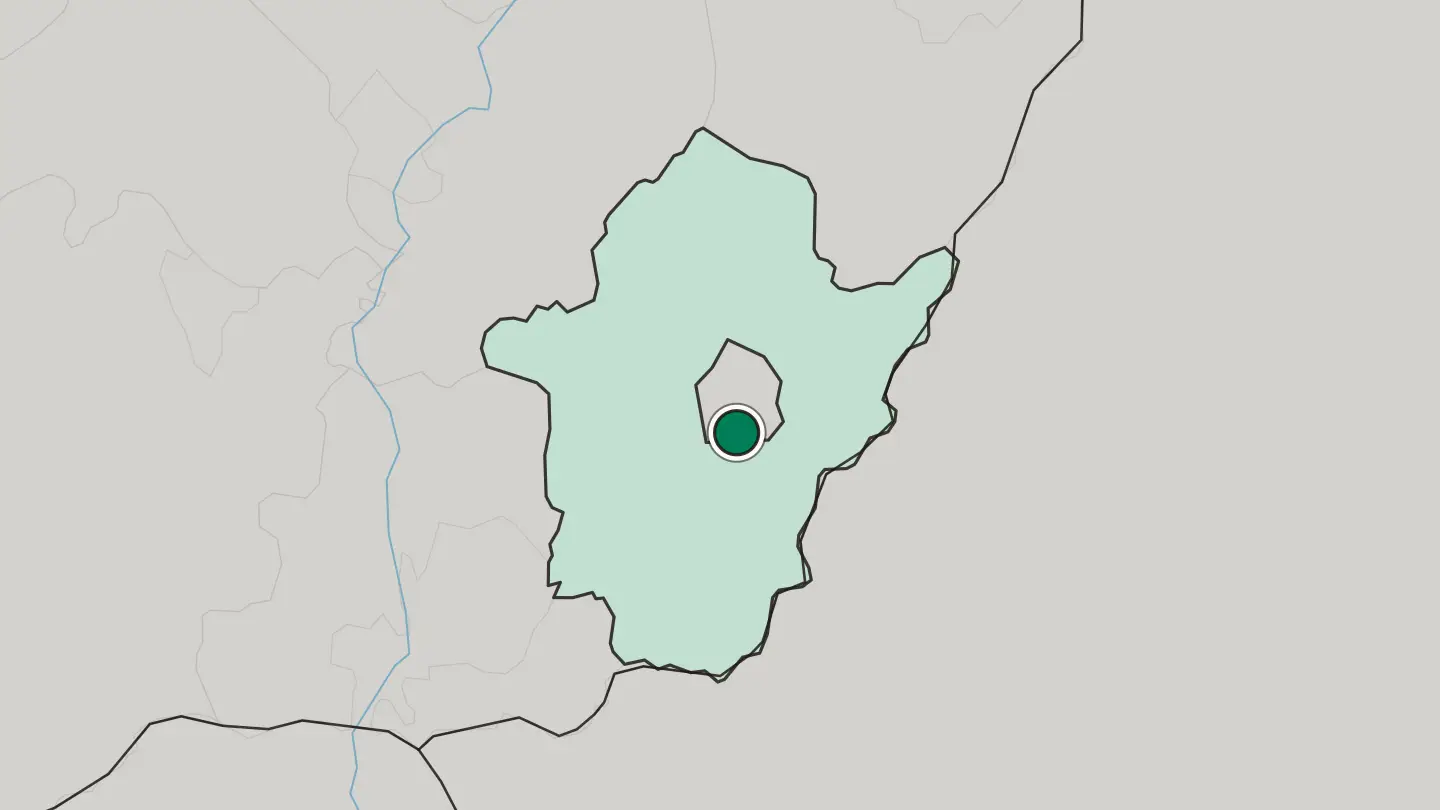
Hotel links are affiliate links: booking through them may earn us a commission, at no extra cost to you. It never affects how places are ranked. How this works
About Bekes County
Sausage and spa water.
What is Bekes County known for?
Békéscsaba, the county seat, gives its name to the paprika-spiced Csabai sausage that draws crowds to an autumn festival each year. Gyula holds the other draw, the only intact Gothic brick castle left in Hungary, paired with a thermal bath in its castle park. Between the towns the land is open Great Plain, ploughed and planted almost edge to edge, threaded by the slow Körös rivers that give the county its lakes and fishing water.
Where is Bekes County?
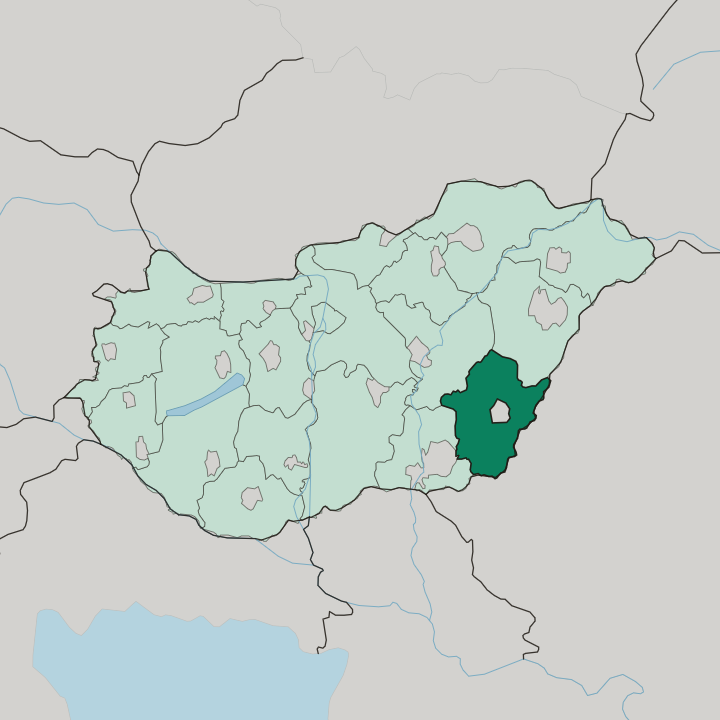
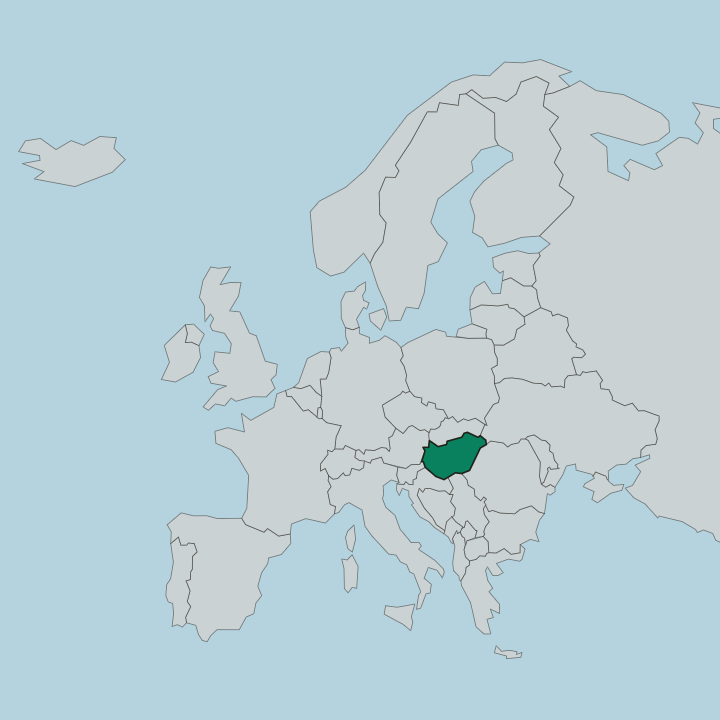
Békés County lies in the far south-east of Hungary, its whole eastern and southern edge pressed against Romania. It sits within the Southern Great Plain, the flattest corner of the country. The land is alluvial plain almost throughout, laid down by rivers and barely broken by rise or ridge.
Its lowest ground drops to only 81 metres above the sea, on the Hármas-Körös between Szarvas and Békésszentandrás. Water gives the county what shape it has. The Fehér-Körös and Fekete-Körös cross in from Romania and meet, and downstream the joined channel becomes the Hármas-Körös, which runs west across the county toward the Tisza.
Békéscsaba stands near the middle of that plain, Gyula in the east close to the border, Szarvas and Orosháza out to the west. Csongrád-Csanád County borders it on the west and south-west, Jász-Nagykun-Szolnok to the north-west, and Hajdú-Bihar to the north. Everywhere else is Romania.
The Great Hungarian Plain runs on across that line without a hill to mark it, so only the frontier itself tells you where Hungary ends. This is farmland to the horizon, and the rivers are the only relief in it.
What is Bekes County like?
This is Slovak country as much as Hungarian. After the Ottoman wars emptied the plain, the landowner János György Harruckern brought Lutheran Slovak peasants down from the northern highlands to work the land again. They founded Békéscsaba, Szarvas, Tótkomlós and other towns from almost nothing.
Their descendants still speak, sing and cook here. The Csabai sausage carries that inheritance most plainly, a paprika-cured pork link that Hungarian and Slovak families of Békéscsaba perfected together and now celebrate at a sausage festival each autumn. Food anchors the local pride.
Szarvas keeps a different memory: Sámuel Tessedik, a Lutheran pastor there, founded Hungary's first agricultural school and taught a plain-dwelling people to farm their thin soil better. Faith shaped the towns too, and tall Evangelical Lutheran churches still mark the market squares that the Slovak settlers laid out. The county earned a harder name as well.
Its poor farm labourers made it the Viharsarok, the stormy corner, a byword for the harvest strikes that broke out across these fields in the decades around 1900. That memory of rural hardship and organised protest still colours how the plain sees itself, alongside the sausage, the spa water and the churches. It is a working landscape, proud and unshowy.
What is the history of Bekes County?
Békés is old. It was organised as one of the first counties of the Kingdom of Hungary in the 11th century, under King Stephen I, and took its name from a castle of Békés. The Ottoman century wrecked it.
Gyula's brick fortress fell to the Turks in 1566 and was not retaken until 1695, and by then the plain lay almost empty of people. Resettlement in the 1700s brought the Slovaks, Germans, Romanians and Serbs whose towns still stand. The Treaty of Trianon then cut the county's eastern hinterland away to Romania in 1920, and a 1950 reform redrew what was left into the boundaries the modern county still holds.
What is the climate of Bekes County?
The plain runs to extremes. Békés has the driest, most continental climate in Hungary, with summers that turn the open fields hot and shadeless while July afternoons push toward 28 degrees and the wind carries dust off the ploughland. Winters bite the other way, cold and sometimes snow-covered, with January days hovering close to freezing.
Rain stays light. Because it falls unevenly across the year, the Körös rivers and their irrigation channels matter more to the crops here than the clouds ever do.
How do you get to Bekes County?
Most visitors come from Budapest. Direct InterCity trains run from the capital to Békéscsaba and on to Gyula, a rail journey of roughly three hours across the plain. By road the drive follows the motorway south toward Szeged, then Route 44 east through Békéscsaba to the Romanian border.
There is no passenger airport in the county, so arrival means train or car. From Romania the crossings near Gyula bring you straight into the county's eastern towns.
Common questions
What is the best area to stay in Bekes County?
Gyula: castle sightseeing and thermal bathing on the Romanian border. Békéscsaba: arriving by train and tasting the Csabai sausage. Szarvas: the Körös-side arboretum and river quiet.
More regions in Hungary
Updated September 2026