Hungary · Csongrád megye
Where to Stay in Szeged, Csongrád megye
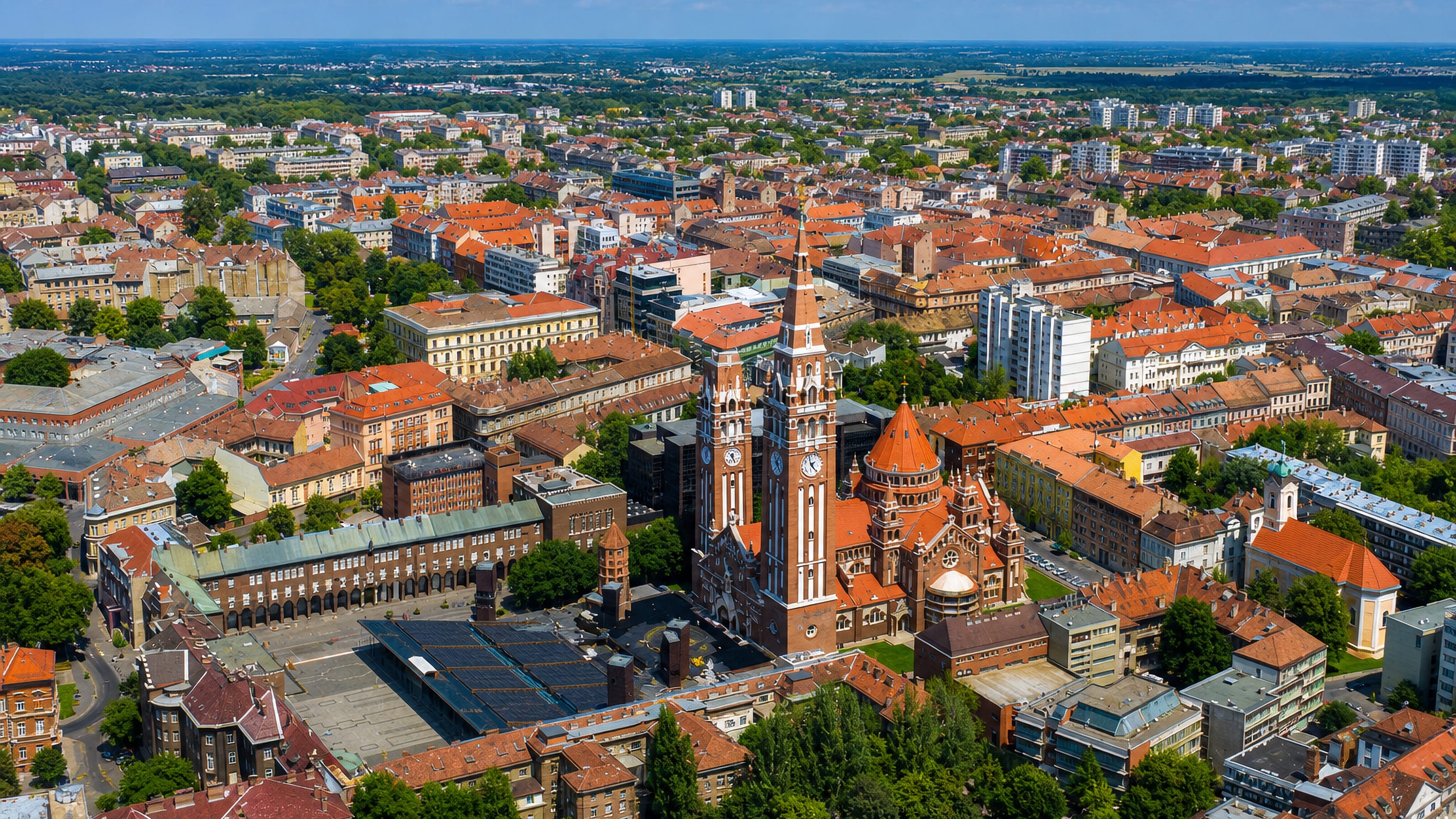
Bright light falls on Szeged, the county seat of Csongrád-Csanád on the Southern Great Plain, known for its Votive Church and its Art Nouveau streets.
Hotel links are affiliate links: booking through them may earn us a commission, at no extra cost to you. It never affects how places are ranked. How this works



Where to stay in Szeged
Where visitors usually base themselves, and why.
Szeged sets its lodging around the ring of the old centre, close to the Votive Church of Szeged and the squares of the Southern Great Plain city. The centre is the base. Around the Votive Church the streets link the Móra Ferenc Múzeum, the Black House, and the Art Nouveau fronts of the Goldschmidt-ház and the Wolf-ház within an easy walk, and the trams thread the ring toward the outer quarters.
Stay near the church to reach the museums on foot. The blocks by the University of Szeged suit visitors who want the campus and the quieter student streets set back from the main squares, a short walk from the core. Here the avenues run out toward the Franciscan Church of Szeged-Alsóváros and the older southern quarter.
Travellers who want green space look across to Újszeged, the eastern side with the Szeged Zoo and open parkland away from the dense centre. Wherever you settle in Szeged, the Votive Church and the wide light of the Southern Great Plain hold the city together.
Find hotels in Szeged
Direct booking searches for these neighbourhoods.
Votive Church ring
The old-centre streets around the Votive Church of Szeged, linking the Móra Ferenc Múzeum, the Black House, and the Goldschmidt-ház and Wolf-ház on foot.Find hotels in Votive Church ringstudent-quarter stays near the University of SzegedUniversity and Alsóváros
The blocks by the University of Szeged running toward the Franciscan Church of Szeged-Alsóváros, quieter than the Votive Church ring.Find hotels in University and Alsóvárosgreen stays by the Szeged Zoo and parklandÚjszeged east side
The Újszeged quarter on the eastern side of Szeged with the Szeged Zoo and open parkland, away from the dense old centre.Find hotels in Újszeged east sideHotel links are affiliate links: booking through them may earn us a commission, at no extra cost to you. It never affects how places are ranked. How this works
Things to do in Szeged
Ranked by global recognition; descriptions from Wikidata (CC0).
Museums & Galleries
3- Móra Ferenc Múzeum
- Black House in Szeged
- Szegedi Vármúzeum
Churches & Religious Sites
3- Votive Church of Szeged
- Franciscan Church, Szeged-Alsóváros
- Saint Nicholas Serbian Orthodox Church, Szeged
Stadiums & Sports
3- Pick Aréna
- Szegedi VSE Stadion
- Újszegedi Sportcsarnok
Landmarks & Notable Places
3- Goldschmidt-ház
- Vajda-ház
- Wolf-ház
worth knowingacross 4 categories in Szeged
About Szeged
What is Szeged known for?
Szeged is known as the regional centre of the Southern Great Plain and the county seat of Csongrád-Csanád. Sunshine defines it. Called the city of sunshine for its bright weather, it holds the imposing Votive Church of Szeged and a wealth of Art Nouveau and historicist buildings, from the Black House to the merchant houses of the old centre.
The University of Szeged draws its scholars, the Móra Ferenc Múzeum keeps its collections, and the fish soup Halászlé marks the table of this third city of Hungary.
What are the main landmarks in Szeged?
Szeged gathers its landmarks in the centre. The Votive Church of Szeged rises over the main square, the imposing brick cathedral that stands as the city's symbol. Nearby the Móra Ferenc Múzeum holds its collections, the Saint Nicholas Serbian Orthodox Church keeps its quiet corner, and the Black House and Goldschmidt-ház show the Art Nouveau front the town is known for.
Out in the older southern quarter the Franciscan Church of Szeged-Alsóváros closes the run of the city's built heritage.
What is the history of Szeged?
Szeged grew into a market town of the Southern Great Plain and the seat of Csongrád-Csanád, long a centre of trade and of Catholic and Serbian Orthodox faith on the plain. Two churches mark that mixed past. The Franciscan Church of Szeged-Alsóváros held the old southern quarter, while the Saint Nicholas Serbian Orthodox Church served the merchant community that came up the plain to trade.
From these roots the town gathered the learning and craft that would fill its later streets, well before the great rebuilding of the modern age. The modern city took its form in a single sweeping period of building. Broad ring streets and squares went up, lined with the Art Nouveau and historicist fronts of the Black House, the Goldschmidt-ház, and the Wolf-ház, and crowned by the vast brick Votive Church of Szeged on the main square.
The University of Szeged rose to make the place a seat of learning as well as trade. That layer of church, plaza, and grand house still gives Szeged its bright unified look across the flat Southern Great Plain.
Where is Szeged?
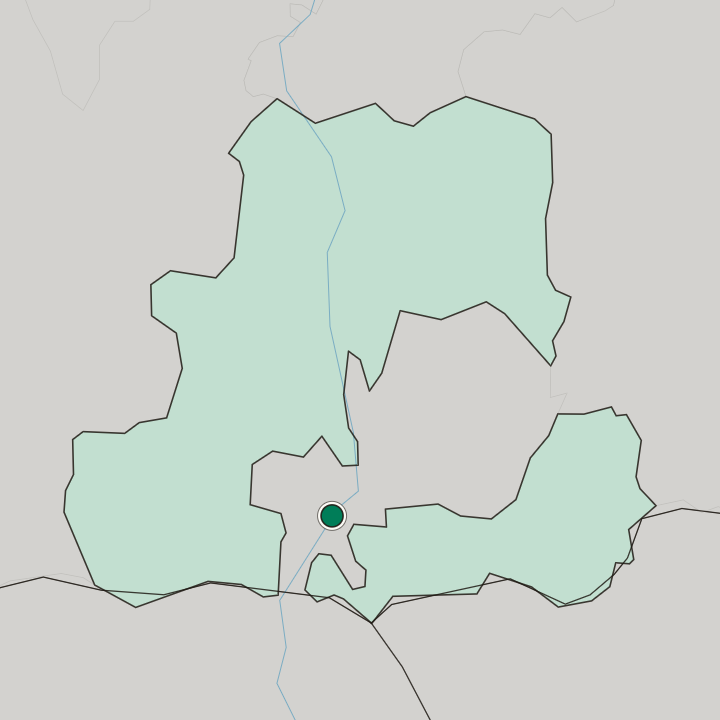
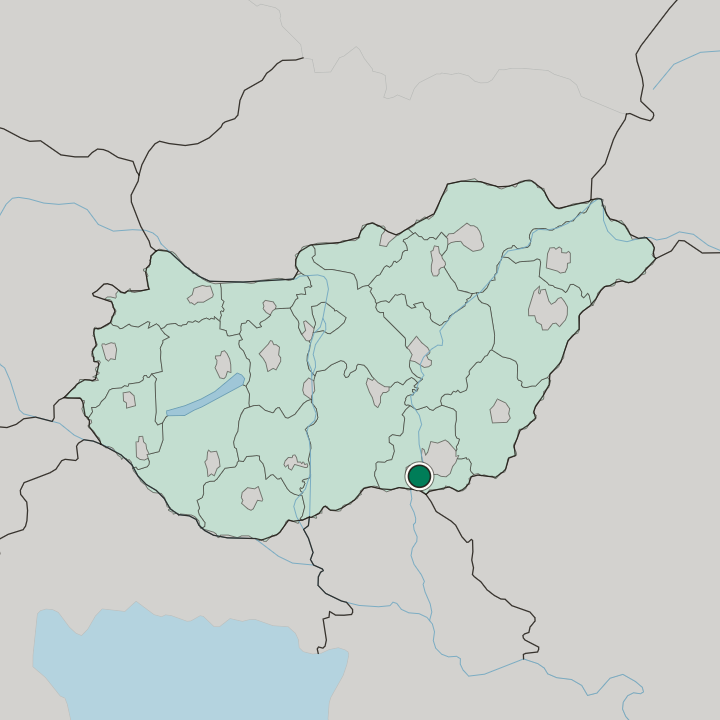
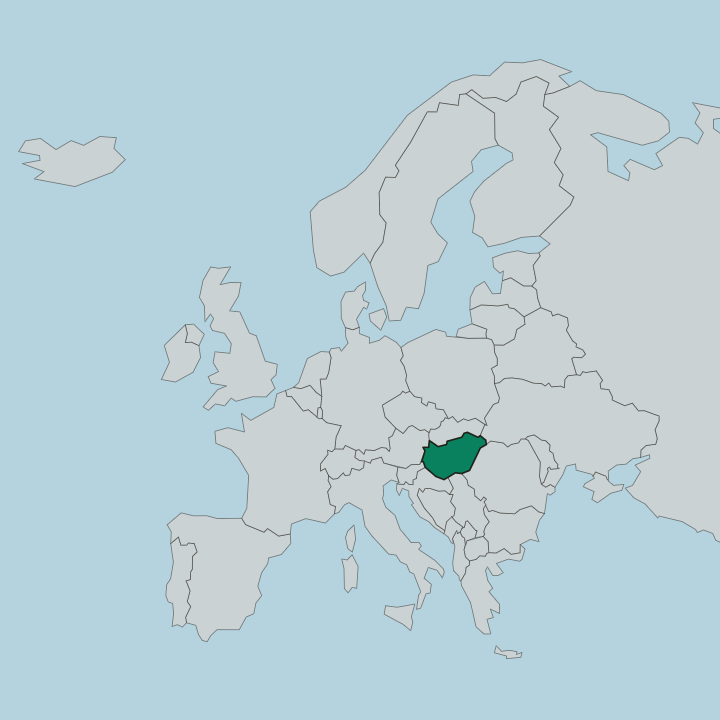
Szeged lies on the flat Southern Great Plain in southern Hungary, the county seat of Csongrád-Csanád near the southern border. Level land runs all around. The open plain spreads flat to every side of the city, its bright unbroken sky the source of the sunshine the town is named for, and across the eastern edge the quarter of Újszeged reaches into the parkland.
No hill or ridge breaks the ground. This low plain setting, wide and open, gives Szeged its even light and its broad shape.
What is the climate of Szeged?
Szeged has a sunny continental climate that gave the city of sunshine its name. Light rules the year. Long hot summers pour over the open Southern Great Plain with more bright hours than almost anywhere in the country, while winters bring frost and the odd fall of snow across the flat land.
The seasons swing wide between them. The exposed plain around Csongrád-Csanád leaves Szeged open to both the summer glare and the winter chill.
How do you get to Szeged?
Szeged is reached by road and rail, set on the Southern Great Plain in southern Hungary. Trains run in from Budapest. The main line crosses the flat plain to the station near the centre, and roads fan out across Csongrád-Csanád toward the southern border.
Local trams and buses carry visitors on from the station into the ring. From the arrival points the Votive Church of Szeged and the old centre lie a short ride away.
Common questions
What is the best area to stay in Szeged?
Votive Church ring: central stays by the Szeged cathedral and Art Nouveau houses. University and Alsóváros: student-quarter stays near the University of Szeged. Újszeged east side: green stays by the Szeged Zoo and parkland.
Good for
Updated October 2026