Hungary
Csongrád megye, Hungary — Towns & Travel Guide
Csongrád-Csanád is Hungary's paprika-and-onion country, straddling the Tisza in the sunny far south around Szeged.
Hotel links are affiliate links: booking through them may earn us a commission, at no extra cost to you. It never affects how places are ranked. How this works


Towns & cities in Csongrád megye
One town here has its own guide — it links to where to stay.
 Hungary
Szeged
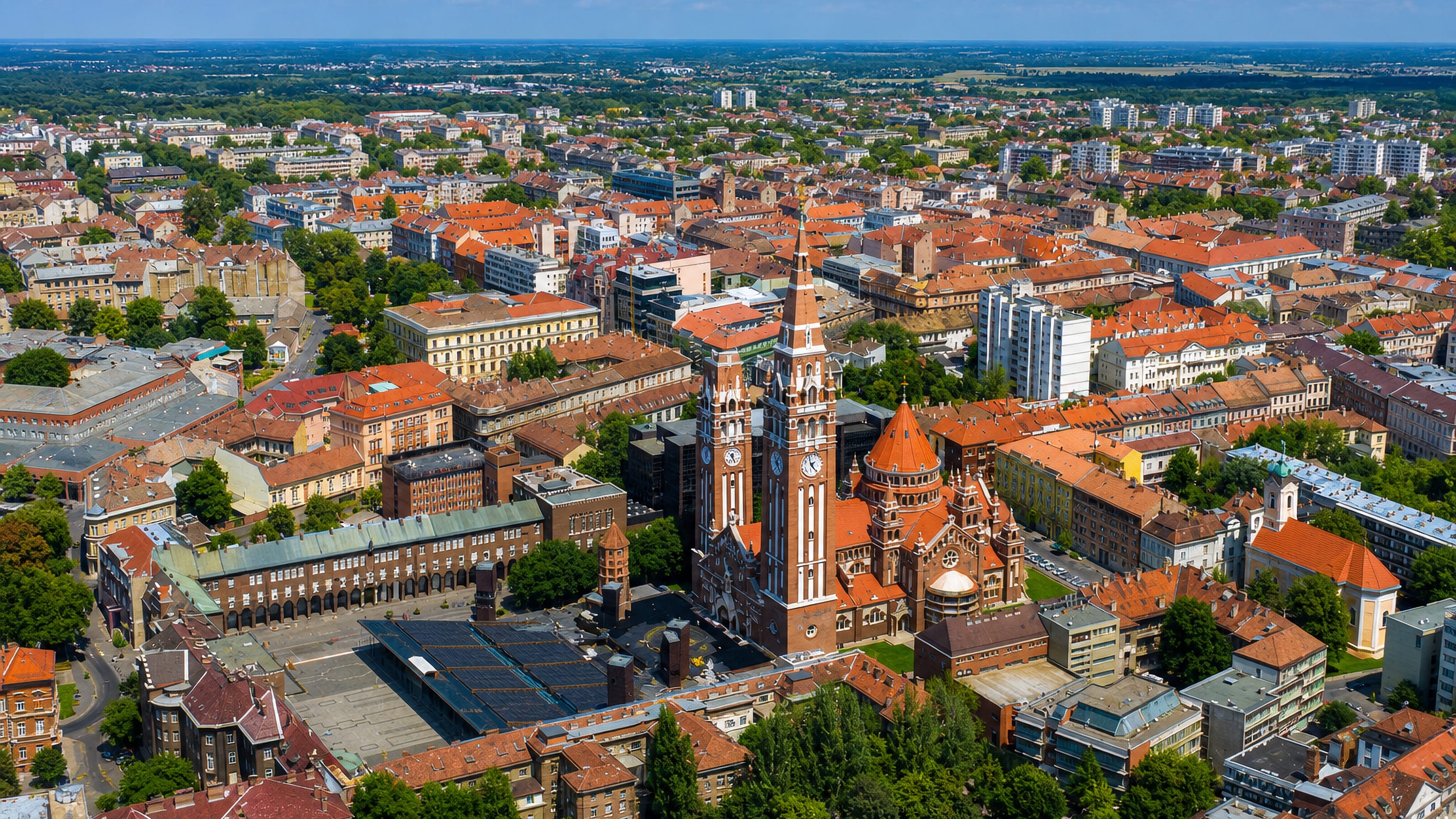
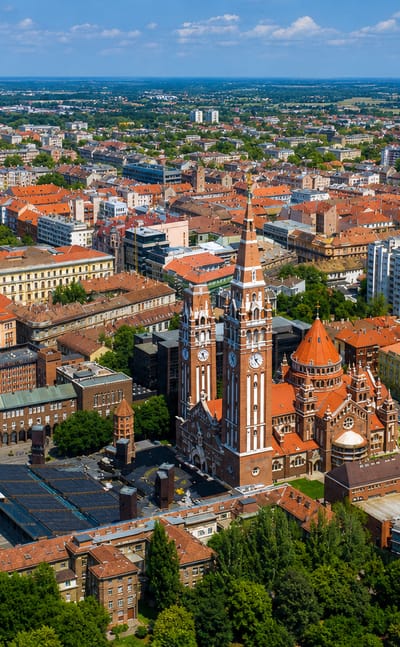
Bright light falls on Szeged, the county seat of Csongrád-Csanád on the Southern Great Plain, known for its Votive Church and its Art Nouveau streets.Where to stay →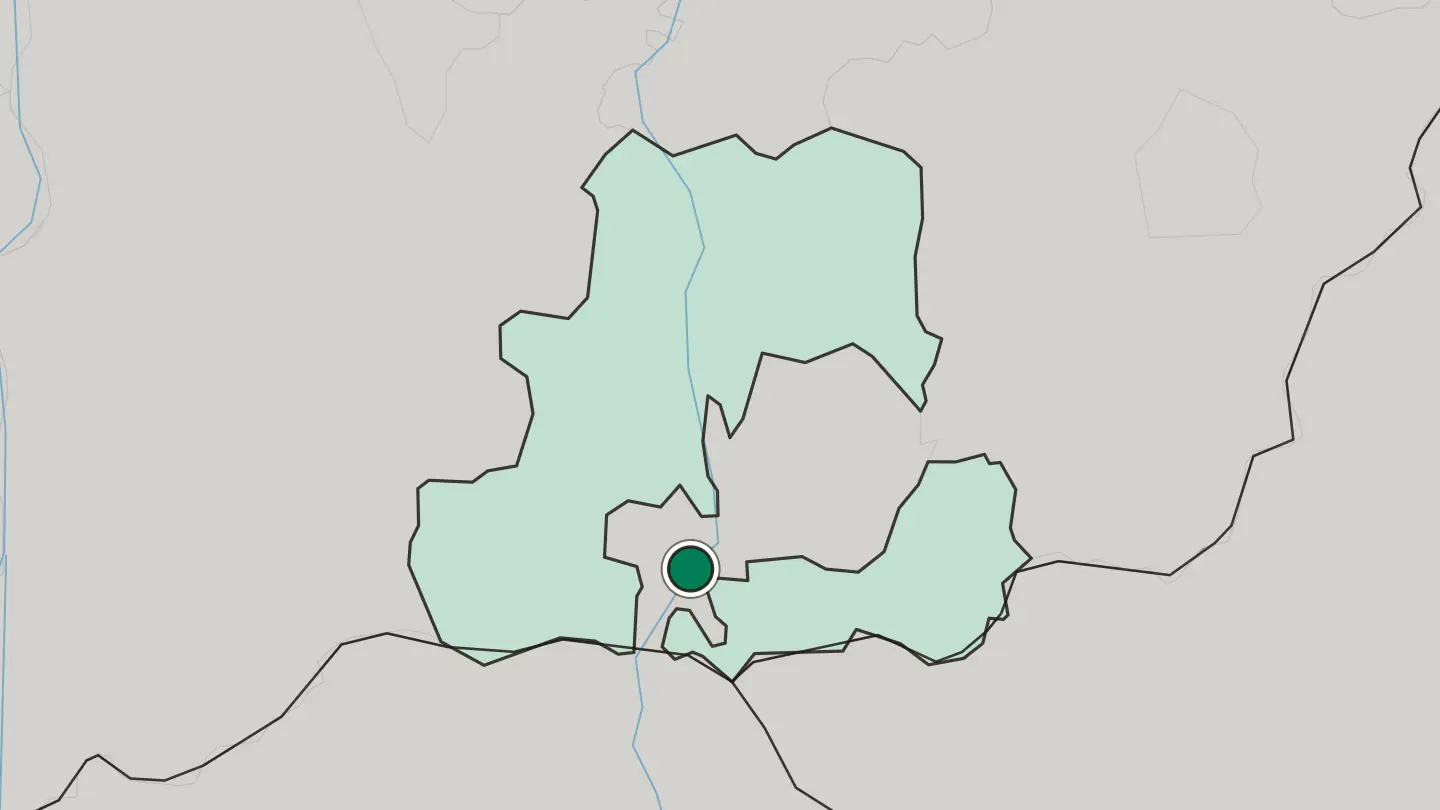
Hotel links are affiliate links: booking through them may earn us a commission, at no extra cost to you. It never affects how places are ranked. How this works
About Csongrád megye
This is spice country.
What is Csongrád megye known for?
The paprika ground in Szeged and the onions grown around Makó carry the county's name onto Hungarian tables across the country. Szeged anchors it all as the third-largest city in Hungary and the largest of the Southern Great Plain, a university town rebuilt in ornate historicist stone after the Tisza swept the old city away in 1879. Flat, sun-baked farmland fills the space between the towns, and thermal water bubbles up hot enough to feed the spas at Makó and Szeged alike.
Where is Csongrád megye?
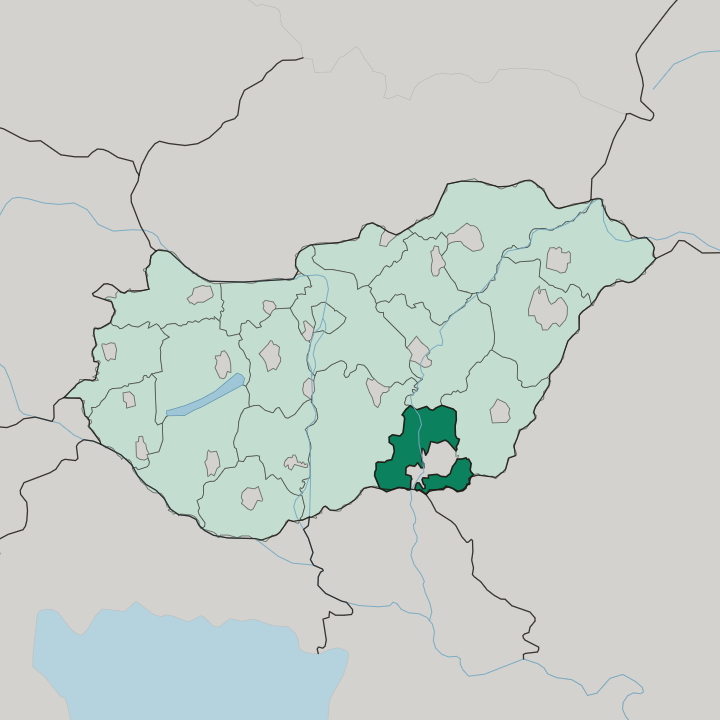
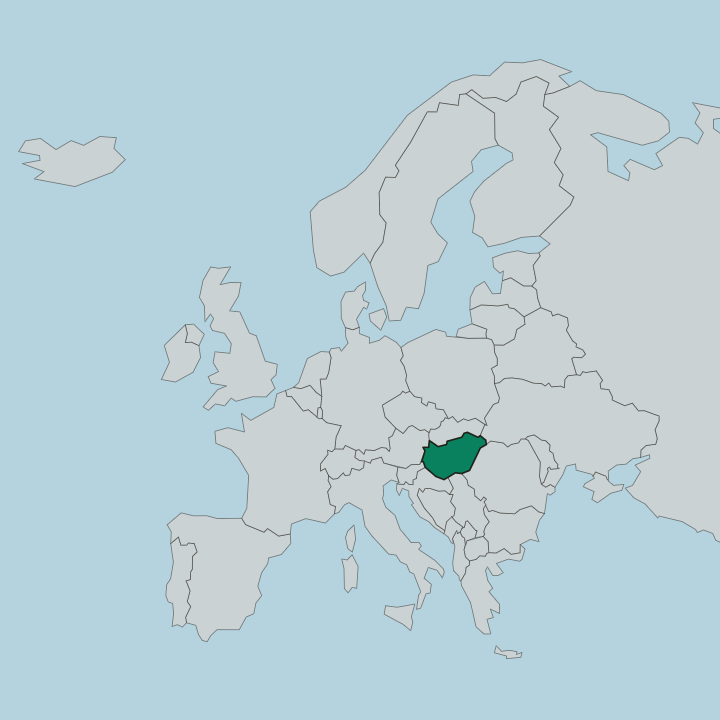
Csongrád-Csanád lies in the far south of Hungary, in the southern reach of the Great Hungarian Plain, pressed against the borders with Serbia and Romania. The Tisza cuts the county in two. It runs down from the north and splits the plain into an eastern and a western half before carrying on toward the frontier.
At Szeged, just short of that border, the Maros arrives from the east out of Romania and pours into the Tisza, and the two rivers together have watered this land and flooded it for as long as people have farmed here. The ground is flat almost everywhere. This is the classic Alföld: open black-soil farmland, few trees, a horizon that goes on unbroken between the towns.
The highest point, at Ásotthalom in the sandy west, barely tops a low hill, and the lowest spot in all of Hungary sits here too, in the flats near Gyálarét south of Szeged. Szeged holds the south-eastern corner near the meeting of three countries; Hódmezővásárhely, Makó, Szentes, and the town of Csongrád ring it across the plain. Little rises.
The land itself is the geography.
What is Csongrád megye like?
Food and learning shape the county's character more than any monument does. Szeged paprika and Makó onions are protected names, and the fish soup simmered along the Tisza and the salami cured at Szeged belong to the same table. The University of Szeged pulls thousands of students into the county seat, giving a farming region an unexpectedly young, research-minded core.
The built culture is mostly a single generation of it. After the 1879 flood erased medieval Szeged, the rebuilt city went up fast and ornate, its boulevards lined with historicist and Art Nouveau façades. Two buildings crown it.
The New Synagogue, finished in 1902 to a design by Lipót Baumhorn, is a work of Hungarian Secession; the neo-Romanesque Votive Church, its twin towers rising over the square, was the vow the city kept after the water receded. Music matters here, and the open-air festival staged before the Votive Church each summer fills the square with opera. Makó adds Makovecz's organic architecture at the Hagymatikum, curved and timber-ribbed.
What is the history of Csongrád megye?
Szeged guarded this stretch of the Tisza as a fort and trading town under the Árpád kings, long before the county took its modern shape in 1950. The Ottoman wars emptied the plain, and after the Turks withdrew in 1715 the land lay nearly deserted until Hungarian settlers repopulated it through the following century. Then came the water.
On a March night in 1879 the swollen Tisza broke into Szeged and destroyed almost the entire city, leaving most of its people homeless. The city that stands now is the answer to that flood: a whole place replanned and raised, and in 2020 the county itself took back the old name of Csanád alongside Csongrád.
What is the climate of Csongrád megye?
The sun does the work here. Csongrád-Csanád counts among the sunniest corners of Hungary, and those long hours over dry, light soil are exactly what ripens the Szeged paprika. Summers on the open plain run hot, with July afternoons pushing well into the thirties Celsius and little cloud to soften them.
Winters swing the other way, cold and sometimes sharp, when frost settles over the flat fields around the Tisza. Rain is thin and comes mostly in short summer bursts.
How do you get to Csongrád megye?
The way in is down from Budapest. The M5 motorway and the mainline railway both run straight south across the plain and end at Szeged in about two to three hours, making the county seat the natural entry point. From Szeged the border crossings into Serbia and Romania sit close, and Route 43 carries on east to Makó and its spa.
Local trains and buses thread out to Hódmezővásárhely, Szentes, and the smaller towns. The county keeps no airport of its own.
Common questions
What is the best area to stay in Csongrád megye?
Szeged: a first trip to the Southern Great Plain. Makó: a thermal-bath stay in onion country.
More regions in Hungary
Updated October 2026