Hungary · Győr-Moson-Sopron megye
Where to Stay in Győr, Győr-Moson-Sopron megye
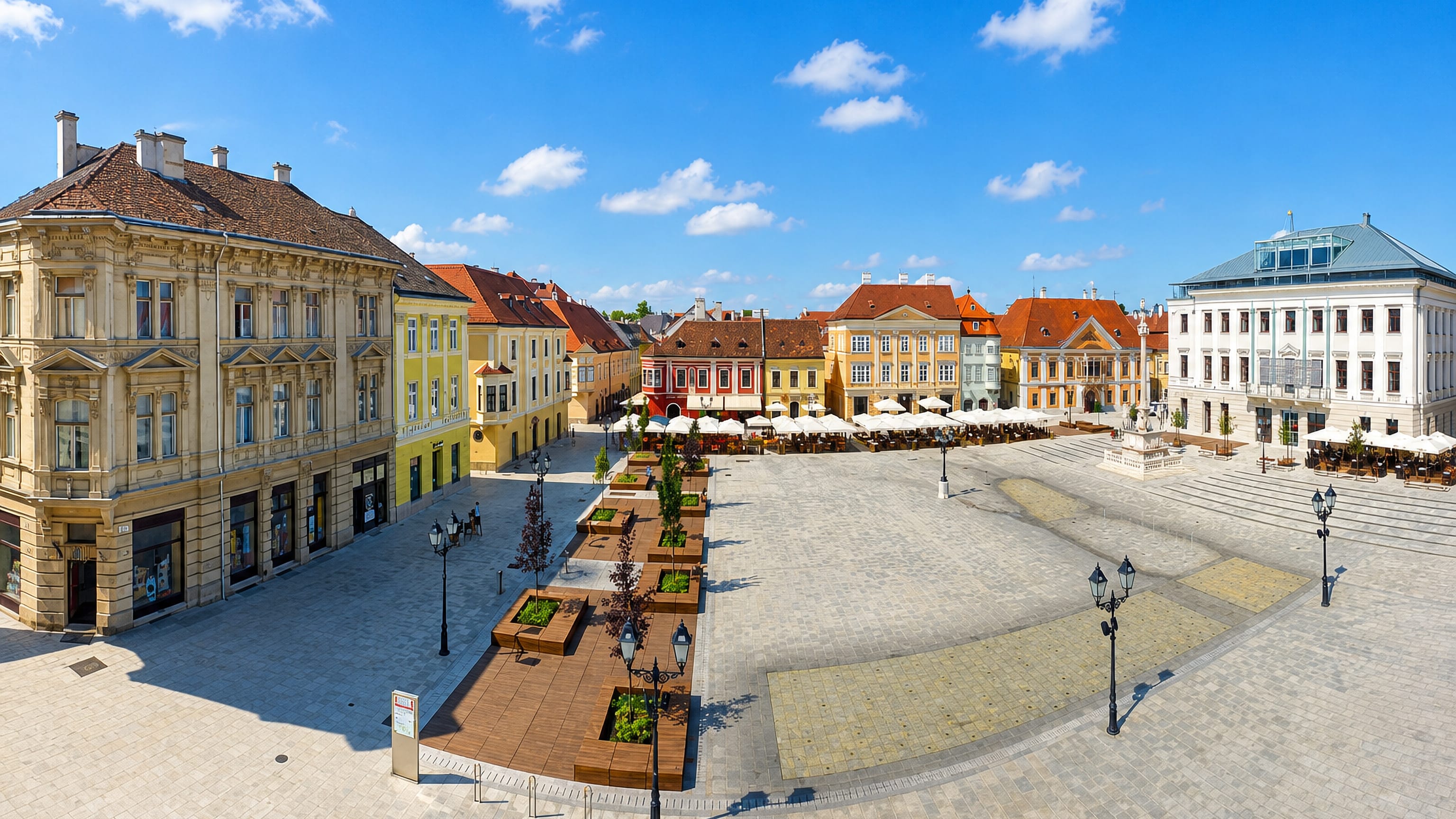
Baroque fronts line the old streets of Győr, the main city of northwest Hungary, known as A barokk városa for its 18th-century core.
Hotel links are affiliate links: booking through them may earn us a commission, at no extra cost to you. It never affects how places are ranked. How this works


Where to stay in Győr
How the choice of base plays out on the ground.
Győr keeps its lodging around the Baroque old town, close to the Cathedral Basilica of the Assumption at the heart of the Western Transdanubia city. The old core is the base. Around the cathedral the pedestrian streets link the Maria column, the Xántus János Museum, and the Széchényi Pharmacy Museum within an easy walk, and the Baroque houses of A barokk városa stand shoulder to shoulder along them.
Stay in the old town to see the sights on foot. The blocks near the Győr Synagogue suit visitors who want the quieter side of the centre, a short walk from the cathedral quarter. Here the streets hold the Flóris Rómer Museum of Art and History and the old Német Ispita almshouse away from the busiest squares.
Travellers with children look toward the edge of the city, where the Mobilis Science Center and the Zoo Győr draw families out from the historic core. Wherever you settle in Győr, the Cathedral Basilica and the Baroque streets of Győr-Moson-Sopron County frame the stay.
Find hotels in Győr
Direct booking searches for these neighbourhoods.
Győr Baroque old town
The pedestrian streets of A barokk városa around the Cathedral Basilica of the Assumption in Győr, linking the Maria column, Xántus János Museum, and Széchényi Pharmacy Museum on foot.Find hotels in Győr Baroque old townquieter stays by the Flóris Rómer MuseumGyőr Synagogue quarter
The calmer streets around the Győr Synagogue and the Flóris Rómer Museum of Art and History, set back from the busiest squares of the Győr old town.Find hotels in Győr Synagogue quarterfamily stays near the Mobilis Science Center and Zoo GyőrGyőr city edge
The outer edge of Győr holding the Mobilis Science Center and Zoo Győr, drawing families out from the Baroque historic core.Find hotels in Győr city edgeHotel links are affiliate links: booking through them may earn us a commission, at no extra cost to you. It never affects how places are ranked. How this works
Things to do in Győr
Ranked by global recognition; descriptions from Wikidata (CC0).
Museums & Galleries
3- Dungeon Heritage
- Xántus János Museum
- Városi Művészeti Múzeum (Győr)
Churches & Religious Sites
3- Cathedral Basilica of the Assumption of Our Lady, Győr
- Győr Synagogue
- Camillus church
Castles & Historic Sites
1- Maria column, Győr
Stadiums & Sports
1- Olimpiai Sportpark Győr
worth knowingacross 4 categories in Győr
About Győr
What is Győr known for?
Győr is known as the main city of northwest Hungary and the capital of Győr-Moson-Sopron County. Baroque gives it its name. Called A barokk városa for the dozens of eighteenth-century buildings and sculptures in its old part, it gathers around the Cathedral Basilica of the Assumption and the Győr Synagogue.
The city sits halfway between Budapest and Vienna on one of the old roads of Central Europe, its Western Transdanubia streets lined with the Esterházy mansion and the Maria column.
What are the main landmarks in Győr?
Győr keeps its landmarks close together. The Cathedral Basilica of the Assumption stands on the rise above the centre, the seat that gives the city its skyline. Below it the Győr Synagogue, the Maria column, and the almshouse of the Német Ispita line the old streets, while the Xántus János Museum and the Széchényi Pharmacy Museum keep the town's collections.
Out toward the edge the Mobilis Science Center and the Esterházy mansion add to the eighteenth-century heart of A barokk városa.
What is the history of Győr?
Győr grew at a crossing point on one of the old roads of Central Europe, set halfway between Budapest and Vienna in the northwest of Hungary. Position made the town. Its place on that route drew trade and defence, and over the centuries it became the seat of Győr-Moson-Sopron County and the chief city of the Western Transdanubia region.
The Cathedral Basilica of the Assumption rose on the height above the streets as the old religious heart, the fixed point the town gathered around long before its great age of building. The eighteenth century gave Győr the look that earned it the name A barokk városa. Dozens of Baroque buildings and sculptures went up across the old part, from the Esterházy mansion to the Maria column and the front of the Német Ispita almshouse, filling the streets with the style of the age.
The Győr Synagogue later added to the layers of the centre, and the town's museums, the Xántus János Museum among them, kept its record. That Baroque core still marks Győr on the road between the two capitals.
Where is Győr?
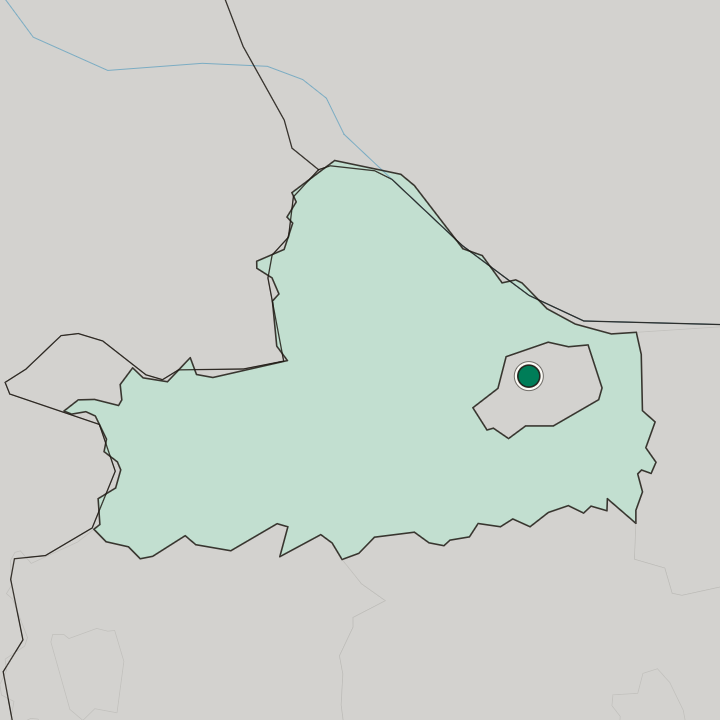
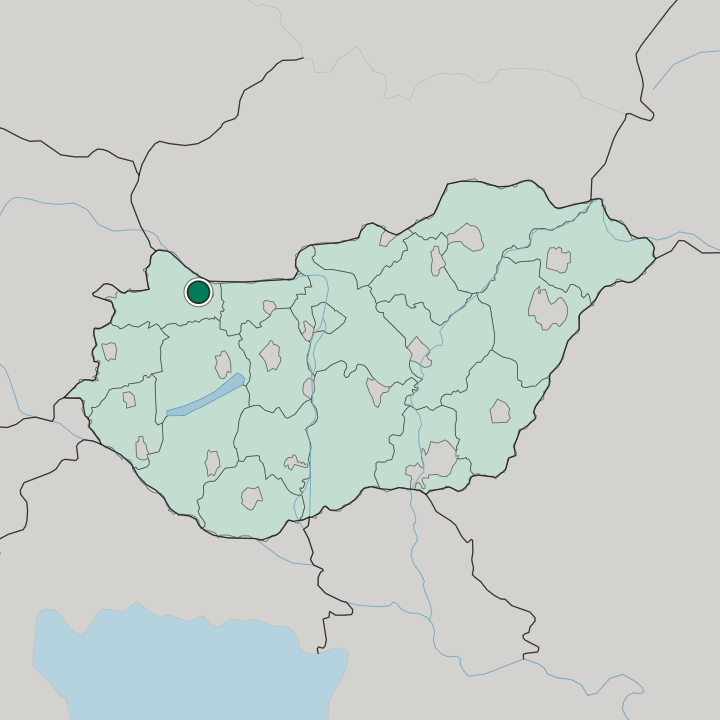
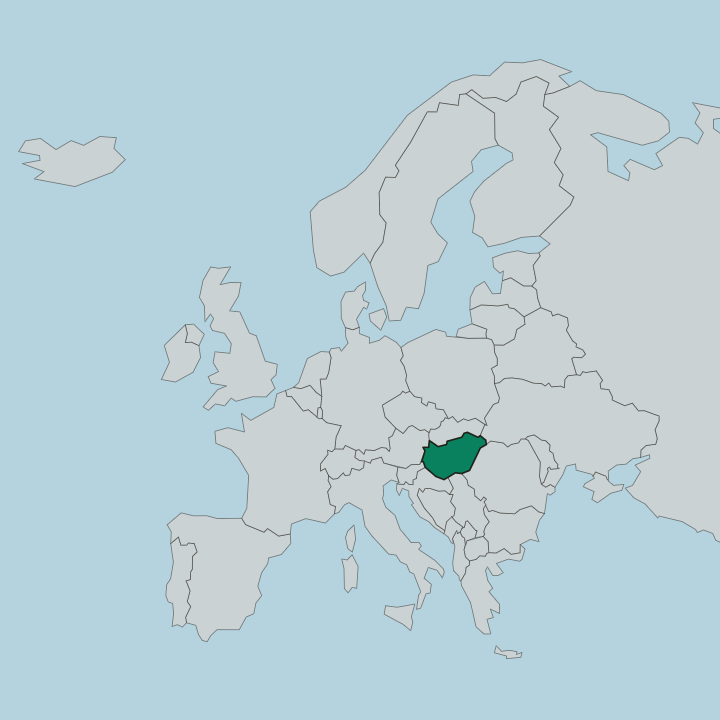
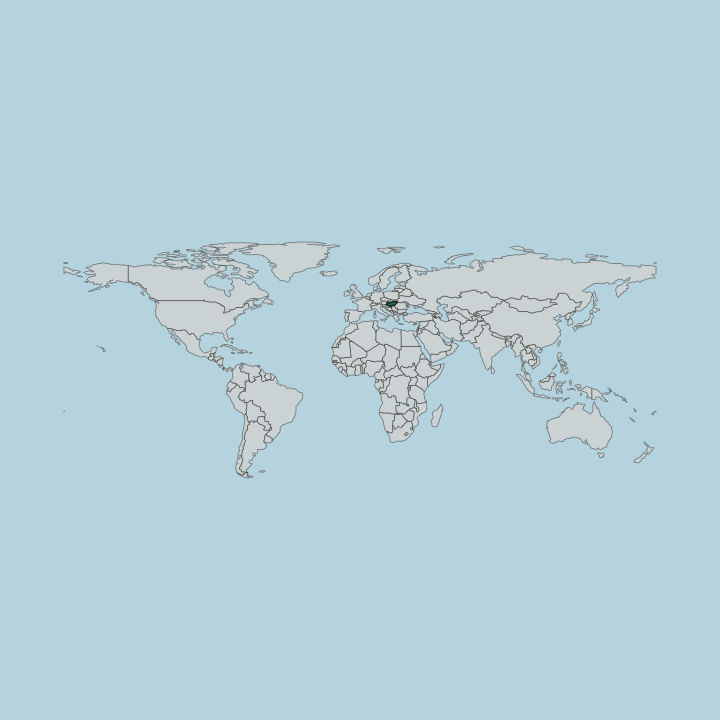
Győr lies in northwest Hungary, the capital of Győr-Moson-Sopron County and the chief city of the Western Transdanubia region. It sits between two capitals. Halfway between Budapest and Vienna, the city holds one of the important roads of Central Europe on the level ground of the region, with the Baroque old town rising on a slight height above the surrounding land.
The flat country reaches out to the north and west. This crossroads setting on the plain gives Győr its place between Hungary and the lands beyond.
What is the climate of Győr?
Győr has a mild continental climate set by its place on the plain of Western Transdanubia. The seasons turn clearly. Warm summers cross the open ground between Budapest and Vienna, while winters bring frost and grey damp to the northwest of Hungary, milder than the exposed eastern plains.
Spring and autumn pass gently between them. The level land around Győr-Moson-Sopron County leaves the city open to the weather that moves along the corridor.
How do you get to Győr?
Győr is easy to reach, set on the main road and rail line between Budapest and Vienna. Trains stop right in the centre. The corridor through northwest Hungary carries fast services from both capitals to the station beside the old town, and the motorway of Central Europe runs past the edge of Győr-Moson-Sopron County.
Buses fan out across the Western Transdanubia region. From the station the Cathedral Basilica of the Assumption and the Baroque core of Győr lie a short walk away.
Common questions
What is the best area to stay in Győr?
Győr Baroque old town: central stays by the Cathedral Basilica and Maria column. Győr Synagogue quarter: quieter stays by the Flóris Rómer Museum. Győr city edge: family stays near the Mobilis Science Center and Zoo Győr.
Good for
Another city in Győr-Moson-Sopron megye
Updated October 2026