Hungary
Győr-Moson-Sopron megye, Hungary — Towns & Travel Guide
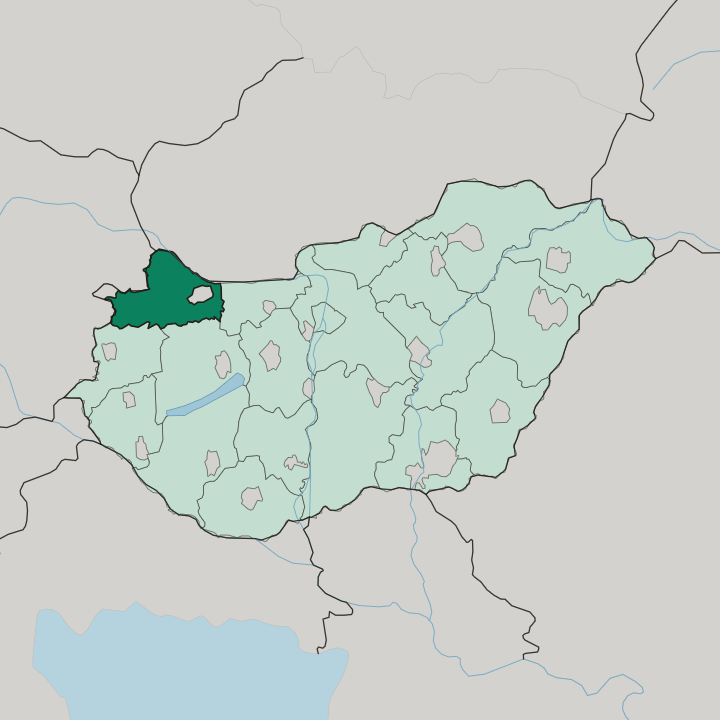
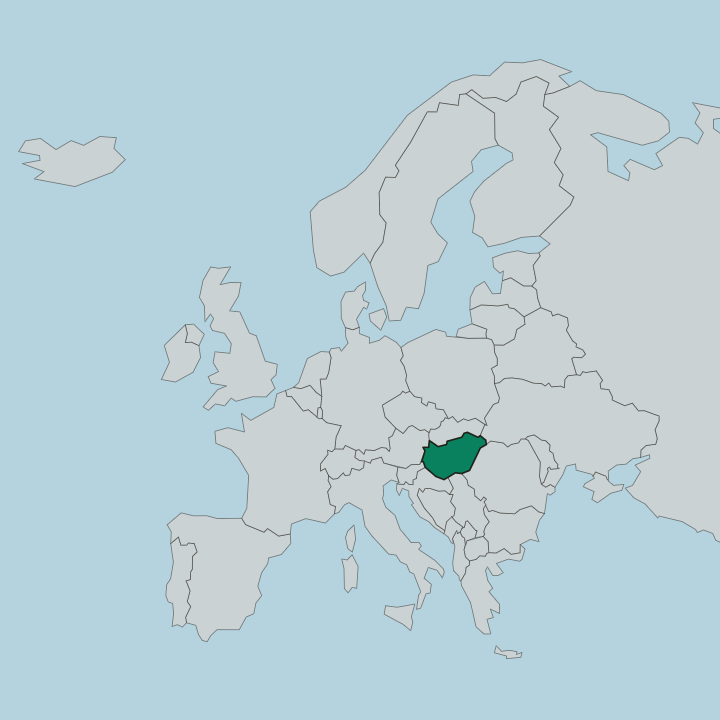
Győr-Moson-Sopron megye is Hungary's north-western corner, spread across the Kisalföld plain between the Danube, Slovakia and Austria.
Hotel links are affiliate links: booking through them may earn us a commission, at no extra cost to you. It never affects how places are ranked. How this works


Towns & cities in Győr-Moson-Sopron megye
Pick a town or city — each links to where to stay.
 Hungary
Győr
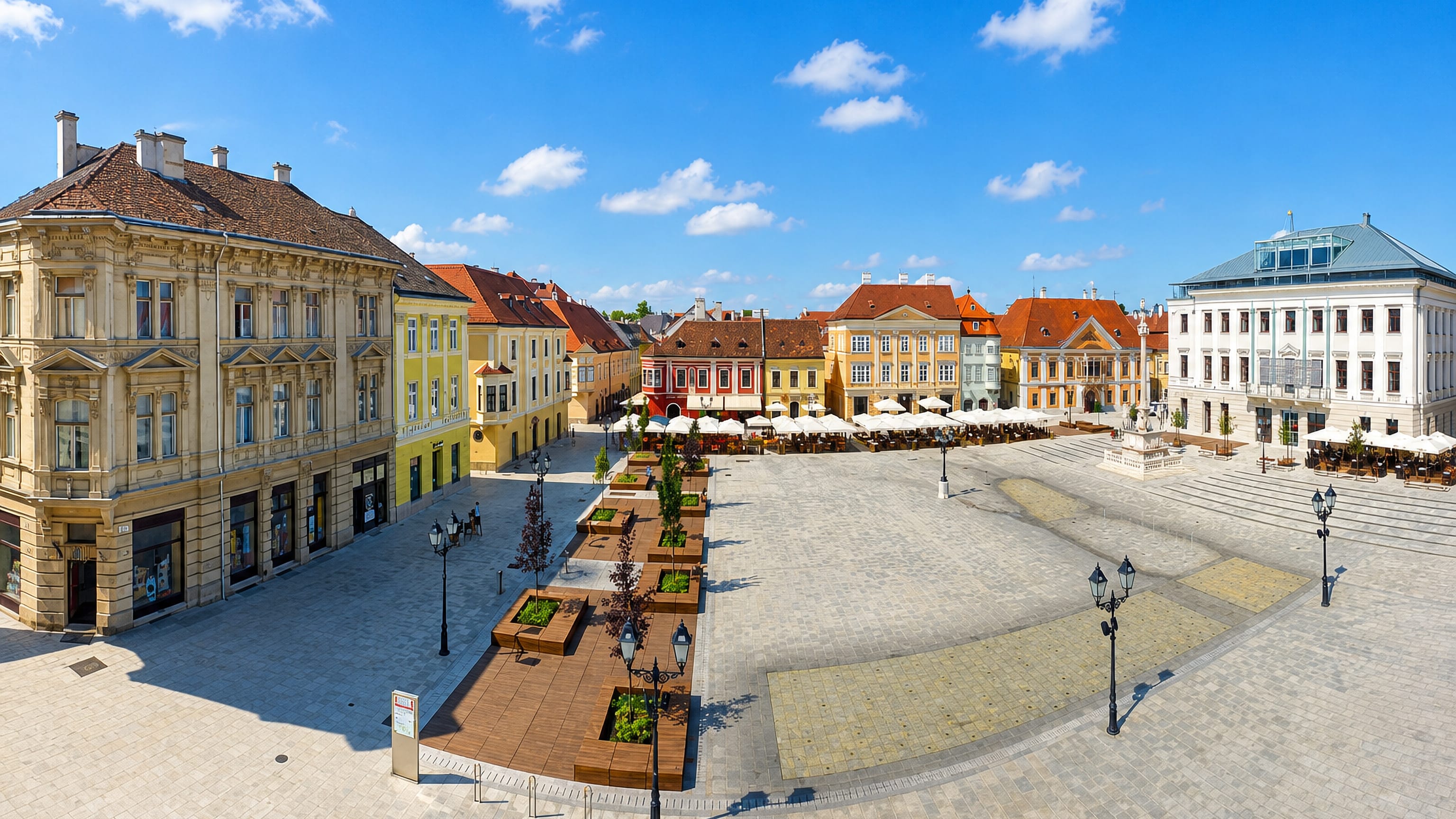
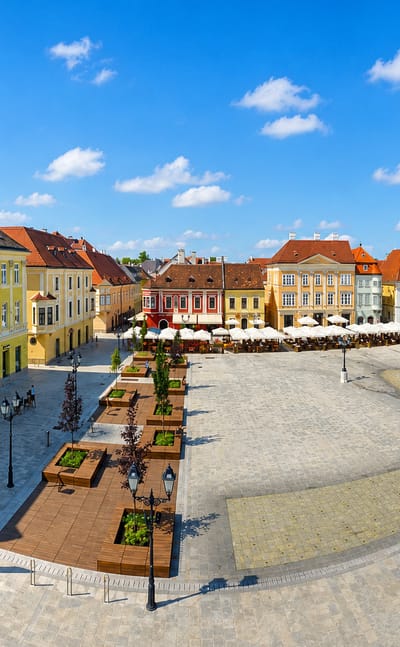
Baroque fronts line the old streets of Győr, the main city of northwest Hungary, known as A barokk városa for its 18th-century core.Where to stay →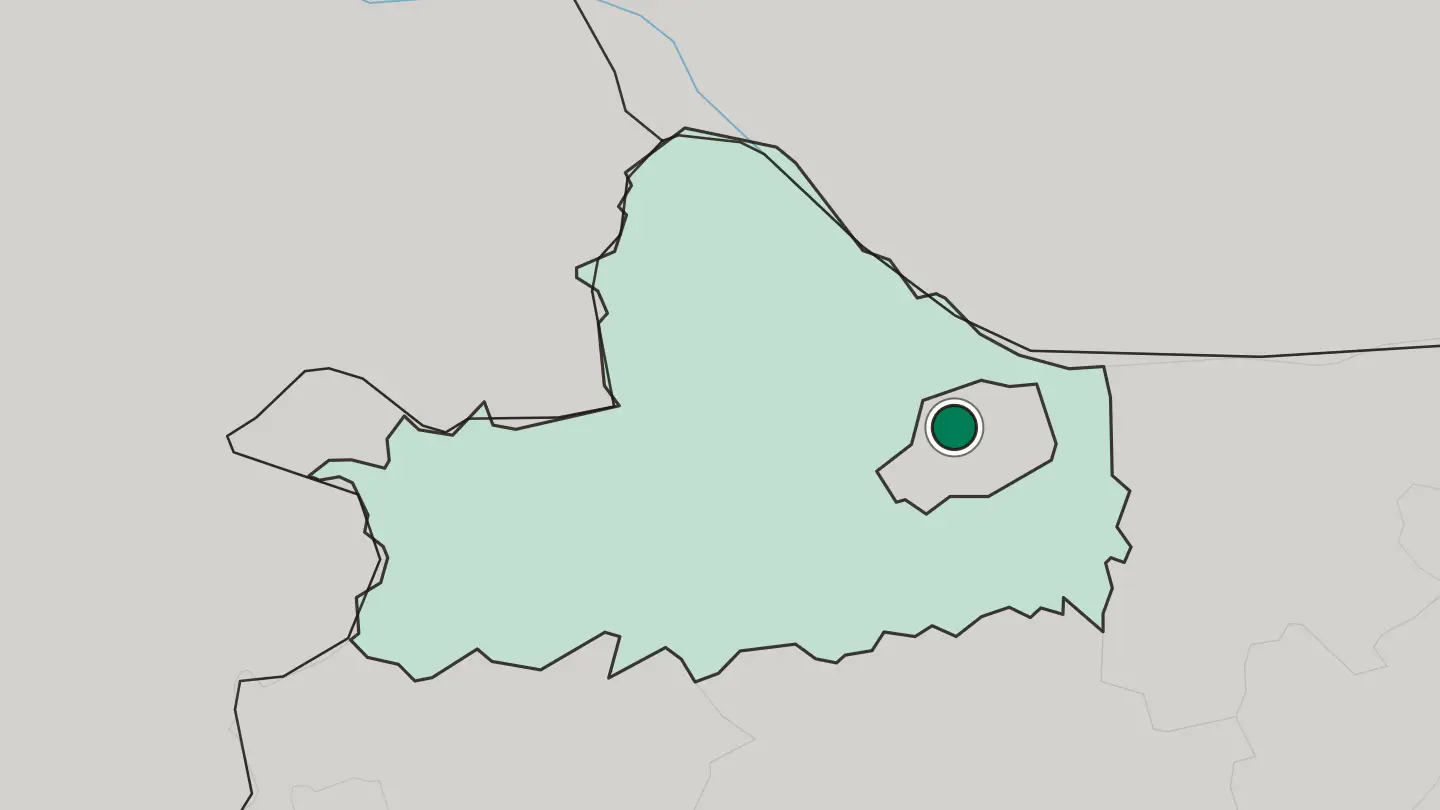
 Hungary
Sopron
Sopron is a town of west Hungary on the Austrian border, a preserved medieval city of towers and burgher houses, in wine country by the shallow Fertő.Where to stay →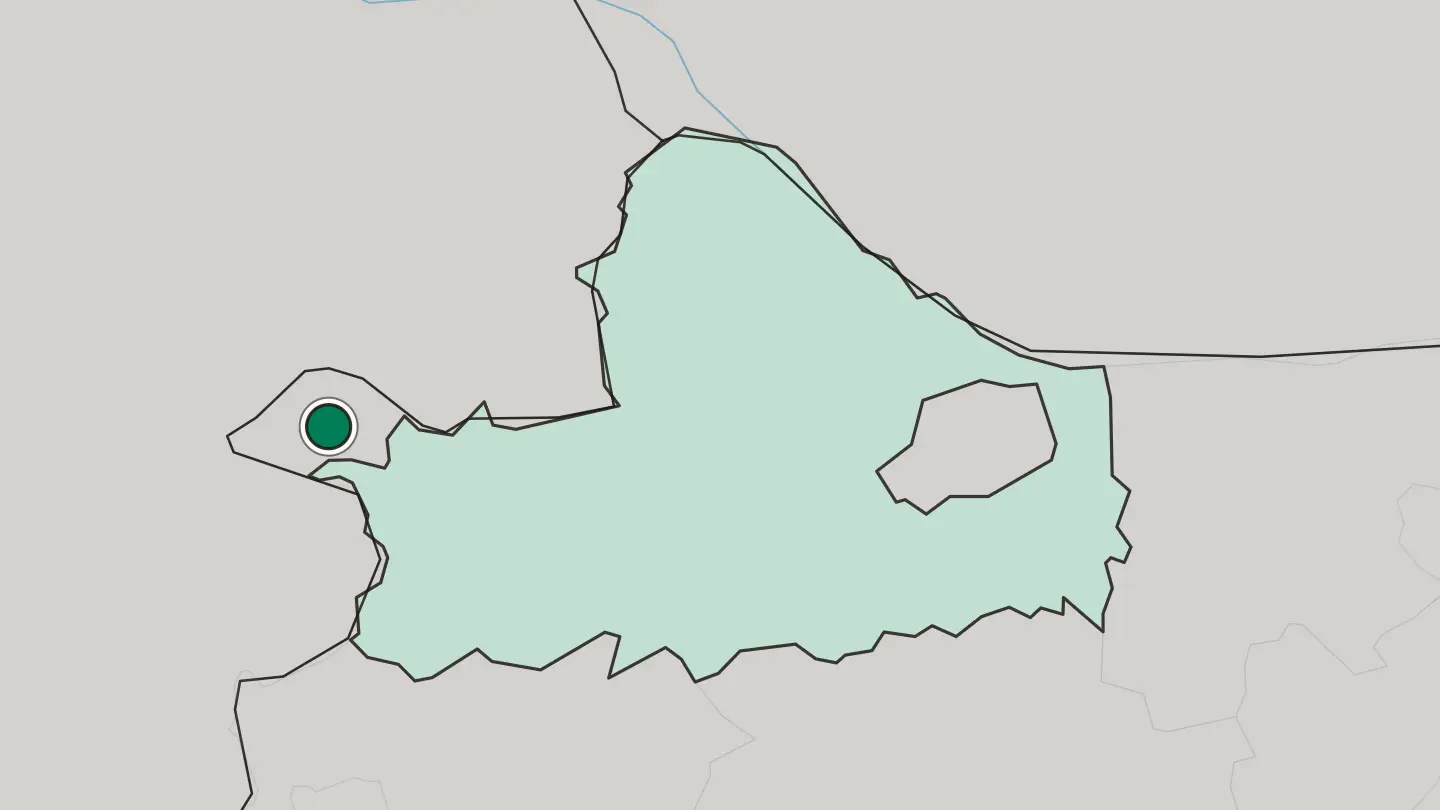
Hotel links are affiliate links: booking through them may earn us a commission, at no extra cost to you. It never affects how places are ranked. How this works
About Győr-Moson-Sopron megye
Three river towns give the county its name.
What is Győr-Moson-Sopron megye known for?
Győr, the seat, grew up where the Mosoni-Duna, the Rába and the Rábca meet, and its Baroque old town is the region's calling card. Sopron guards the Austrian frontier in the west, close to the reed-fringed shore of Lake Fertő. Two UNESCO sites sit inside the borders: the Benedictine archabbey on the hill at Pannonhalma, and the Fertő cultural landscape that Hungary shares with Austria.
Vienna is closer than Budapest.
Where is Győr-Moson-Sopron megye?
The county fills the north-western tip of Hungary. It lies almost entirely on the Kisalföld, the flat Little Hungarian Plain that runs on into Austria and Slovakia. The Danube forms the northern edge, and across that water lies Slovakia.
Austria and its Burgenland province press in from the west. Inside those borders the land is mostly level and given over to farms. Water rules the north.
The Danube splits here into two arms, the main channel and the Mosoni-Duna, and between them lies the Szigetköz, a low island-world of gravel, side-channels and willow that floods and drains with the river. South of it spreads the Hanság, once a great marsh, now mostly drained peatland edging the reed beds of Lake Fertő. The seat, Győr, sits where the Rába and the Rábca join the Mosoni-Duna.
Westward the plain finally breaks. There the Sopron Hills rise in vineyard-covered slopes around Sopron, the last high ground before the Alpine foothills of Austria. Vienna lies a short drive west, Budapest further east, and the county straddles the historic road between the two.
It is the corner of Hungary that faces Central Europe most directly.
What is Győr-Moson-Sopron megye like?
This is Hungary at its most Central European. Centuries of trade along the Vienna road left the county's towns full of Baroque façades, and Győr in particular preserves one of the country's finest 18th-century townscapes, all painted merchant houses and corner balconies around the cathedral hill. The county wears its border position openly.
German was long spoken alongside Hungarian in Sopron, which even voted to stay with Hungary rather than Austria after the First World War, and the town still calls itself the most loyal town for it. Music belongs here too. Joseph Haydn spent much of his working life at the Esterházy court in Fertőd and nearby Eisenstadt, writing symphonies for a prince who kept his own orchestra out on the plain.
Wine matters in the west. The slopes around Sopron have pressed grapes since Roman times, and the town's cellars still turn out the deep red Kékfrankos the district is known for. Faith left its mark on the highest ground.
On a hill south of Győr the monks of Pannonhalma have kept a Benedictine house since 996, one of the oldest in the country. The county reads as a meeting of Hungarian, German and Austrian threads, tied together by rivers and by the long road between two capitals.
What is the history of Győr-Moson-Sopron megye?
The present county is a modern stitch. It was assembled in 1950 from the old Győr-Moson and Sopron counties, and took its three-part name in 1990. The threads it joins are far older.
Győr began as the Roman fort of Arrabona on the Danube frontier, and Pannonhalma's archabbey was founded in 996, at the very start of Christian Hungary. Sopron kept its medieval walls and its German-speaking merchants for centuries. These three river towns had long looked more to Vienna than to distant Buda, and the modern county simply drew a line around them.
What is the climate of Győr-Moson-Sopron megye?
The county has a mild, changeable climate at the wet western edge of the Kisalföld. Winters run cold and often grey over the plain, with frost settling along the Danube arms and the Szigetköz backwaters. Summers are warm rather than fierce, and rain falls through the year instead of in one burst.
Air off the eastern Alps reaches the Sopron Hills first, so the western vineyards catch a little more cloud and rain than the open farmland downriver toward Győr. Spring comes early to the sheltered slopes.
How do you get to Győr-Moson-Sopron megye?
Nearly everyone reaches Győr-Moson-Sopron by road or rail. The county sits astride the main motorway and rail line from Vienna to Budapest, so Győr is an easy stop between the two, and Vienna's airport is the nearest large one. Motorway and rail meet at Győr.
Hegyeshalom, on the Austrian frontier in the north-west, is Hungary's busiest road border crossing. Trains from Vienna also run to Sopron across the border. Inside the county, road and rail spread out from Győr to Sopron, Mosonmagyaróvár and the smaller towns of the plain.
Common questions
What is the best area to stay in Győr-Moson-Sopron megye?
Győr: a central base at the three-river confluence. Sopron: wine country and the Austrian-border west. Mosonmagyaróvár: thermal baths and the Szigetköz backwaters. Fertőd: the Esterházy Palace and the Haydn connection.
Good for
More regions in Hungary
Updated September 2026