Hungary · Jász-Nagykun-Szolnok
Where to Stay in Szolnok, Jász-Nagykun-Szolnok
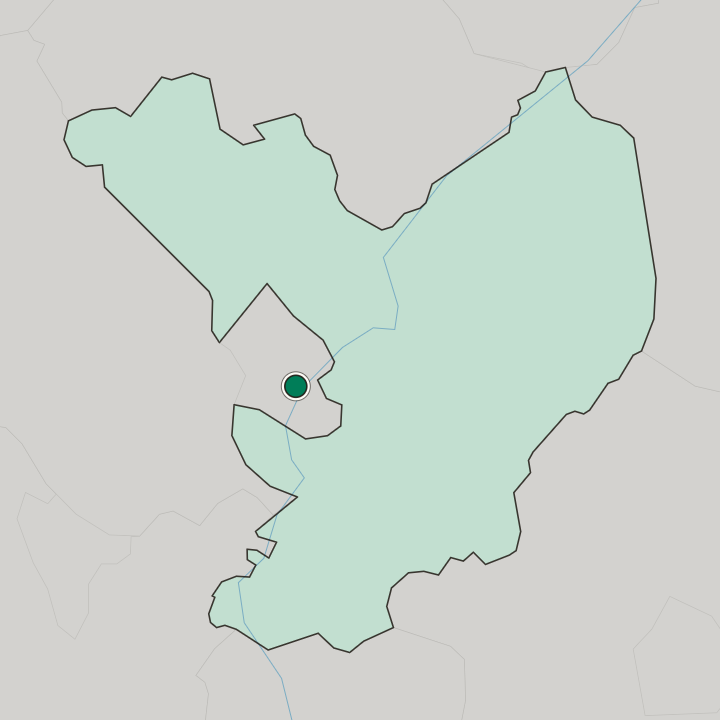
The county seat of Jász-Nagykun-Szolnok, Szolnok sits on the Tisza in the heart of the Great Hungarian Plain, a crossroads city with county rights.
Hotel links are affiliate links: booking through them may earn us a commission, at no extra cost to you. It never affects how places are ranked. How this works


Where to stay in Szolnok
One neighbourhood here has its own guide — here's what it is best for.
 SzolnokHungary
Szandaszőlős
Szandaszőlős is a south-eastern district of Szolnok, six kilometres out from the city in Jász-Nagykun-Szolnok.Where to stay →Hotel links are affiliate links: booking through them may earn us a commission, at no extra cost to you. It never affects how places are ranked. How this works
Find hotels in Szolnok
Direct booking searches for these neighbourhoods.
The gallery side
The Szent József templom, the Statue of Stephen I of Hungary and the Battle of Szolnok memorial fall on a single circuit of the town bank.Find hotels in The gallery sidesport trips built around the Tiszaligeti SportcsarnokTiszaliget
Recreation ground across the Tisza from the museum streets, with easy parking and the RepTár Aviation Museum within a drive.Find hotels in TiszaligetHotel links are affiliate links: booking through them may earn us a commission, at no extra cost to you. It never affects how places are ranked. How this works
Things to do in Szolnok
Ranked by global recognition; descriptions from Wikidata (CC0).
Museums & Galleries
3- RepTár Aviation Museum
- Szolnok gallery
- János Damjanich Museum
Churches & Religious Sites
1- Szent József templom
Castles & Historic Sites
1- Tanúhegy emlékmű
Stadiums & Sports
1- Tiszaligeti Sportcsarnok
worth knowingacross 4 categories in Szolnok
About Szolnok
Water polo and the Tisza.
What is Szolnok known for?
Szolnok fields one of the strongest water polo sides in Hungary, and the river running through the city is claimed locally as its own, the self-declared capital of the Tisza. The Szolnok gallery and the János Damjanich Museum carry the art and county collections. RepTár Aviation Museum pulls a different visitor again, aircraft under a roof rather than canvases on a wall.
What are the main landmarks in Szolnok?
The János Damjanich Museum sets the tone for the rest, a county collection housed in the centre and paired with the Szolnok gallery a short walk away. Statues and memorials fill the gaps. The Statue of Stephen I of Hungary by Sándor Györfi, the Tanúhegy emlékmű and the Memorial of the Battle of Szolnok mark a city that keeps much of its commemoration outdoors, while the Szent József templom supplies the one large interior.
The RepTár Aviation Museum and the Tabán Country House round out the list.
What is the history of Szolnok?
Rivers made this town. The Tisza carried traffic across the Great Hungarian Plain long before the roads did, and Szolnok grew at the crossing, an economic and cultural junction for centuries rather than a place that arrived late. Position was the whole asset.
Control of a river crossing on open plain draws armies as reliably as it draws merchants, and the Memorial of the Battle of Szolnok records what that meant in 1849. The county came with the crossing. Szolnok became the seat of Jász-Nagykun-Szolnok and the gate of the Nagykunság, the administrative point through which the surrounding plain districts were governed and supplied.
That role has not moved. The Tabán Country House keeps the older domestic fabric, one house standing for the vernacular building that the modern centre otherwise replaced, while the János Damjanich Museum holds the county record indoors. Commemoration stayed public.
The Statue of Stephen I of Hungary by Sándor Györfi and the Tanúhegy emlékmű continue a habit of marking the past in the open air, on squares rather than in vitrines, which suits a city whose story is largely about what moved through it.
Where is Szolnok?
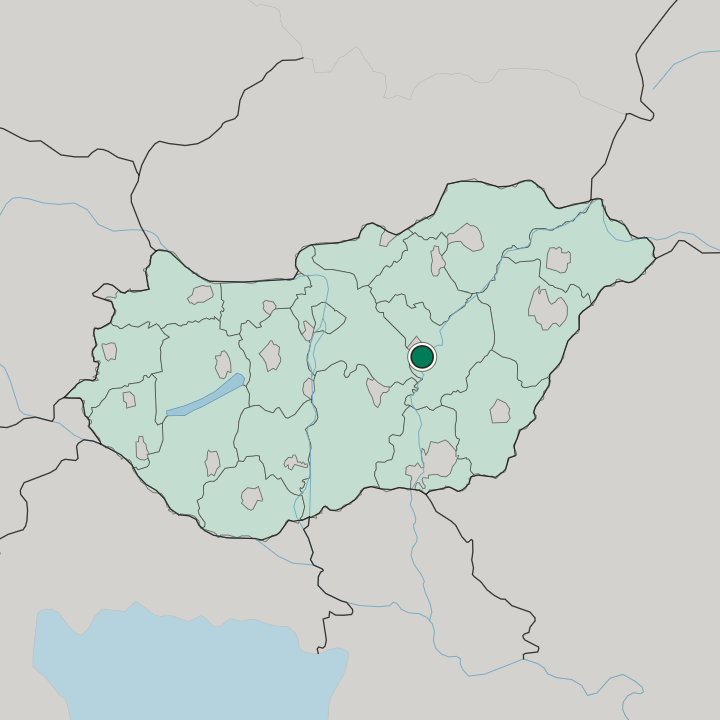
Szolnok lies on both banks of the Tisza, in the middle of the Great Hungarian Plain, with the Nagykunság stretching away beyond the river and level farmland in every other direction. The land does not rise. River, bridges and flat ground govern how the city is laid out, and every route into Jász-Nagykun-Szolnok arrives across open country rather than over a pass.
Water is the only relief.
What is the climate of Szolnok?
The Tisza is the only moderator here. Open plain runs to the horizon on all sides of Szolnok, so summers turn hot and dry while winters sit cold and still, with the river damping the swing a little near the banks and nothing at all further out. Little breaks the wind.
Spring and autumn pass quickly across the Great Hungarian Plain, which leaves the year feeling like two long seasons with short hinges between them.
How do you get to Szolnok?
Trains converge here. Szolnok has been a crossroads of the Great Hungarian Plain for centuries, so the lines and main roads crossing the region meet in the city rather than passing it, and the station stands within walking distance of the Szolnok gallery. Bridges carry the rest over the Tisza.
Local buses link the two banks and the outlying museums.
Common questions
What is the best area to stay in Szolnok?
The gallery side: walk-in stays around the Szolnok gallery and the János Damjanich Museum. Tiszaliget: sport trips built around the Tiszaligeti Sportcsarnok.
Good for
Updated September 2026