Hungary
Jász-Nagykun-Szolnok, Hungary — Towns & Travel Guide
Jász-Nagykun-Szolnok is a flat county on the Great Hungarian Plain, split by the Tisza and centred on the river city of Szolnok.
Hotel links are affiliate links: booking through them may earn us a commission, at no extra cost to you. It never affects how places are ranked. How this works


Towns & cities in Jász-Nagykun-Szolnok
One town here has its own guide — it links to where to stay.
 Hungary
Szolnok
The county seat of Jász-Nagykun-Szolnok, Szolnok sits on the Tisza in the heart of the Great Hungarian Plain, a crossroads city with county rights.Where to stay →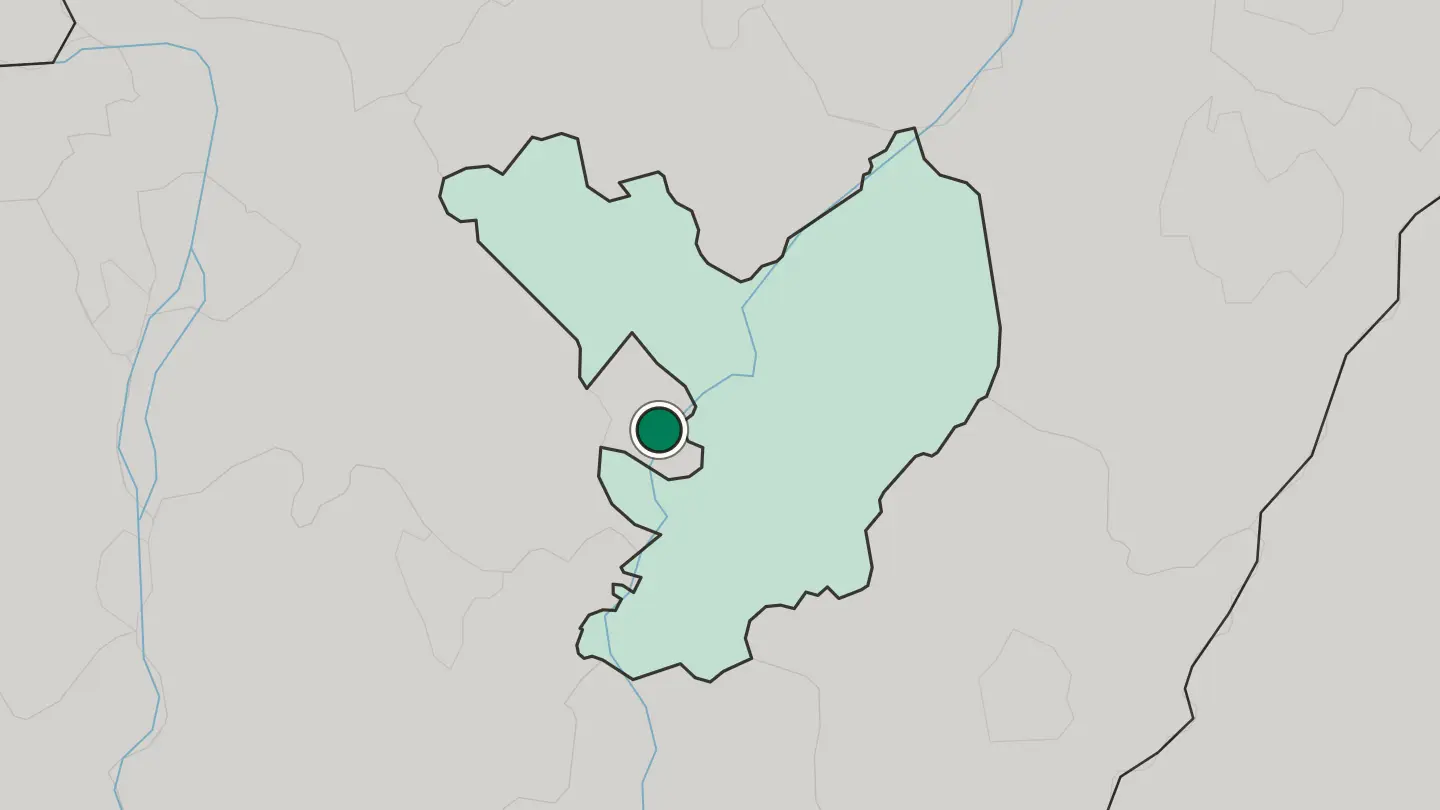
Hotel links are affiliate links: booking through them may earn us a commission, at no extra cost to you. It never affects how places are ranked. How this works
About Jász-Nagykun-Szolnok
What is Jász-Nagykun-Szolnok known for?
Two old steppe peoples gave this county its long, double-barrelled name. The Jász, descended from Iranian Alans, held the Jászság in the north-west, while the Kun, or Cumans, took the Nagykunság on the far side of the river and grazed it as herders. The Tisza runs the length of it, drawing south from Lake Tisza past Szolnok toward the Körös.
Wheat and maize cover the black-soil plain, and thermal springs feed spa towns. It stays deep countryside. Worked and watered, this is farm and pasture rather than anything dramatic.
Where is Jász-Nagykun-Szolnok?
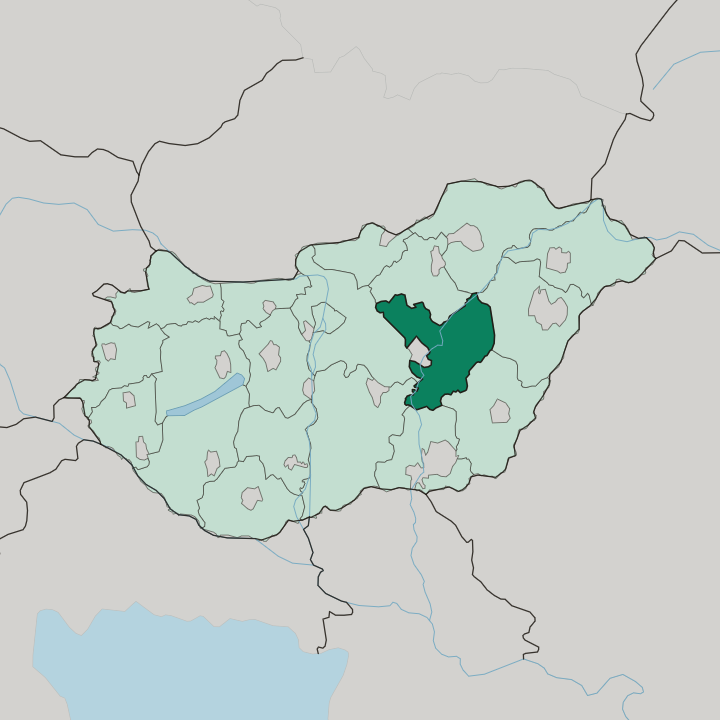
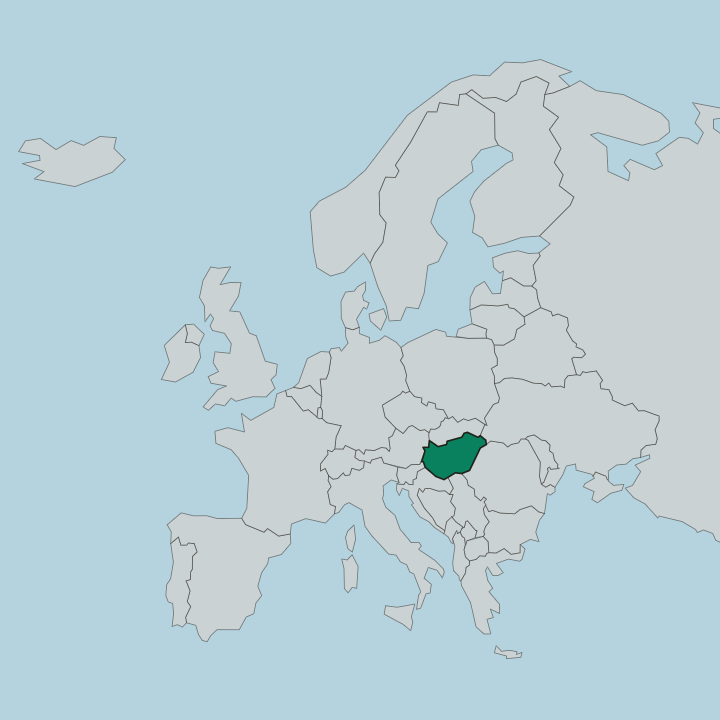
The county lies in east-central Hungary, square in the middle of the Great Hungarian Plain. Jász-Nagykun-Szolnok is flat country from edge to edge. There is barely a hill across its whole spread, only loess and river silt laid down over the plain in sheets that reach to the horizon.
The Tisza cuts through it from north to south, the axis around which everything else is arranged. In the north-west the Zagyva crosses the Jászság and empties into the Tisza at Szolnok, the county seat. On the southern fringe the Körös runs in to meet the larger river.
East of the Tisza spreads the Nagykunság, a plain of high-grade black chernozem soil, some of the best farmland in the country. Lake Tisza, the largest artificial lake in Hungary, brushes the county's northern edge near Tiszafüred. Seven neighbours ring it: Heves and Borsod-Abaúj-Zemplén to the north, Hajdú-Bihar and Békés to the east, Csongrád to the south, Bács-Kiskun to the south-west and Pest to the west.
No sea, no foreign border. No relief to speak of. What shapes this place is water on flat ground, and the Tisza above all.
What is Jász-Nagykun-Szolnok like?
The county's character comes from two peoples the plain took in during the thirteenth century. Jász settlers were steppe nomads of Iranian stock, kin to the Alans and the distant Ossetians, granted land in the north-west after the Mongols drove them west. Their Kun neighbours, the Cumans, were Kipchak horsemen who settled the plain east of the Tisza.
Both kept their own law and self-government for centuries, a privileged status confirmed by King Charles Robert in 1323 and not dissolved until the county reforms of 1876. That long autonomy bred a stubborn local identity. Riding, herding and the open pasture run through the culture here.
The Nagykunság still keeps its grey cattle and its horse traditions, and the Jászság guards its distinct name with pride. Hungarian is the everyday language, the old Jász tongue long since faded into it. Folk custom is agrarian at root.
This is a working plain, and its festivals, its food and its music grew out of the herd and the harvest rather than any court.
What is the history of Jász-Nagykun-Szolnok?
The Jász and the Kun both reached this plain in the aftermath of the Mongol invasion of 1241. King Béla IV settled them on the open land, and King Charles Robert confirmed their self-government in 1323. Their two districts, Jazygia and Greater Cumania, ran their own affairs for centuries.
The modern county was drawn in 1876, when the reforms merged those old privileged lands with the Külső-Szolnok district around the river town. Old freedoms ended there. What had been three self-ruling territories became one ordinary county on the map of Hungary.
What is the climate of Jász-Nagykun-Szolnok?
The plain has a continental climate, hot in summer and cold in the depths of winter. Szolnok counts among the sunniest places in Europe, and rain is scarce, well under 550 millimetres a year on the open ground east of the Tisza. July bakes the fields while January is the one month that holds below freezing.
Dry heat and long sun make this good grain and maize country, though the Tisza has to carry much of the water the sky withholds. Shade is hard to find out here.
How do you get to Jász-Nagykun-Szolnok?
Trains bring most travellers in. Szolnok is one of the busiest rail junctions in Hungary, the county's front door, and the lines running east from Budapest across the plain all funnel through it before fanning out. The county keeps no airport of its own, so flights land in the capital to the west and the last leg comes by rail or road.
Routes east toward Debrecen and the border pass through Szolnok too. From there local trains and buses reach Jászberény, Karcag and the towns along the Tisza.
Common questions
What is the best area to stay in Jász-Nagykun-Szolnok?
Szolnok: arriving in Jász-Nagykun-Szolnok by train. Jászberény: the Jász heartland of the north-west. Karcag: the Cuman grazing plain. Tiszafüred: swimming and boating on Lake Tisza.
Good for
More regions in Hungary
Updated September 2026