Hungary · Komárom-Esztergom · Tatabánya
Felsőgalla, Tatabánya — Area Guide & Where to Stay
Felsőgalla is one of the three settlements that founded Tatabánya, and it keeps the shape of a village with its own centre. Obergalla is its German name.
Hotel links are affiliate links: booking through them may earn us a commission, at no extra cost to you. It never affects how places are ranked. How this works


Where to stay in Felsőgalla
Where the beds are, and what that means for the visit.
Felsőgalla reads as a village inside Tatabánya rather than a quarter of it, which suits anyone who would rather sleep away from the town centre. Swabian roots show in the bilingual school and the minority kindergarten. The Rózsadomb housing sits on the saddle between Bódis-hegy and Kálvária-hegy.
About Felsőgalla
What are the main landmarks in Felsőgalla?
The Roman Catholic church went up between 1794 and 1798, late Baroque, its tower climbing close to thirty metres. Three bells once hung there; the Russians took the middle one in the Second World War. Jakab Fellner designed the parish house, plain but under monument protection, and the chapel on Kálvária-hegy has been renovated with a new Way of the Cross leading up to it.
Its organ is unusual for the region.
What is the history of Felsőgalla?
Two accounts explain the name. One takes galla from the Hungarian personal name Gál, given in the thirteenth century along with Alsógalla, probably after a landowner. The other traces it to the Slavic galya, a mountain clearing or a bare hill, and the recorded form Felsow-Gallya supports that reading.
The felső prefix marks it off from Alsógalla, which is also part of Tatabánya. Since 1991 the Felsőgallai Baráti Kör has run local programmes.
Where is Felsőgalla?
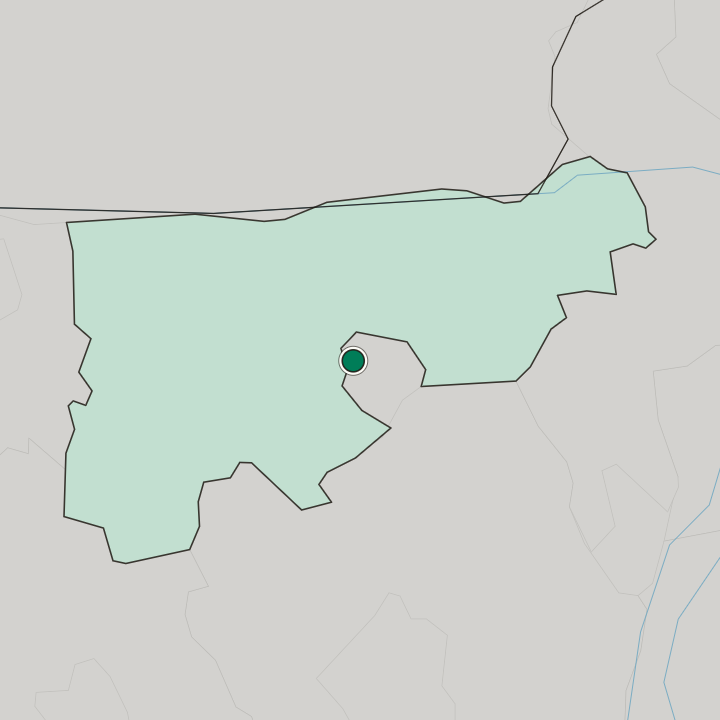
Felsőgalla sits on the southern slope of Bódis-hegy and Kálvária-hegy, between the Gerecse and the Vértes. The Galla-patak is its largest watercourse, held to a steady flow by a waterworks, and the Névtelen-patak joins it at the corner of Piactér. A relay tower crowns Kálvária-hegy.
Csákányospuszta and Körtvélyespuszta, out in the Vértes, once belonged to the village. Old black pines survive on the hills above, some from Maria Theresa's time.
More areas in Tatabánya
Updated September 2026