Hungary · Zala megye
Where to Stay in Zalaegerszeg, Zala megye
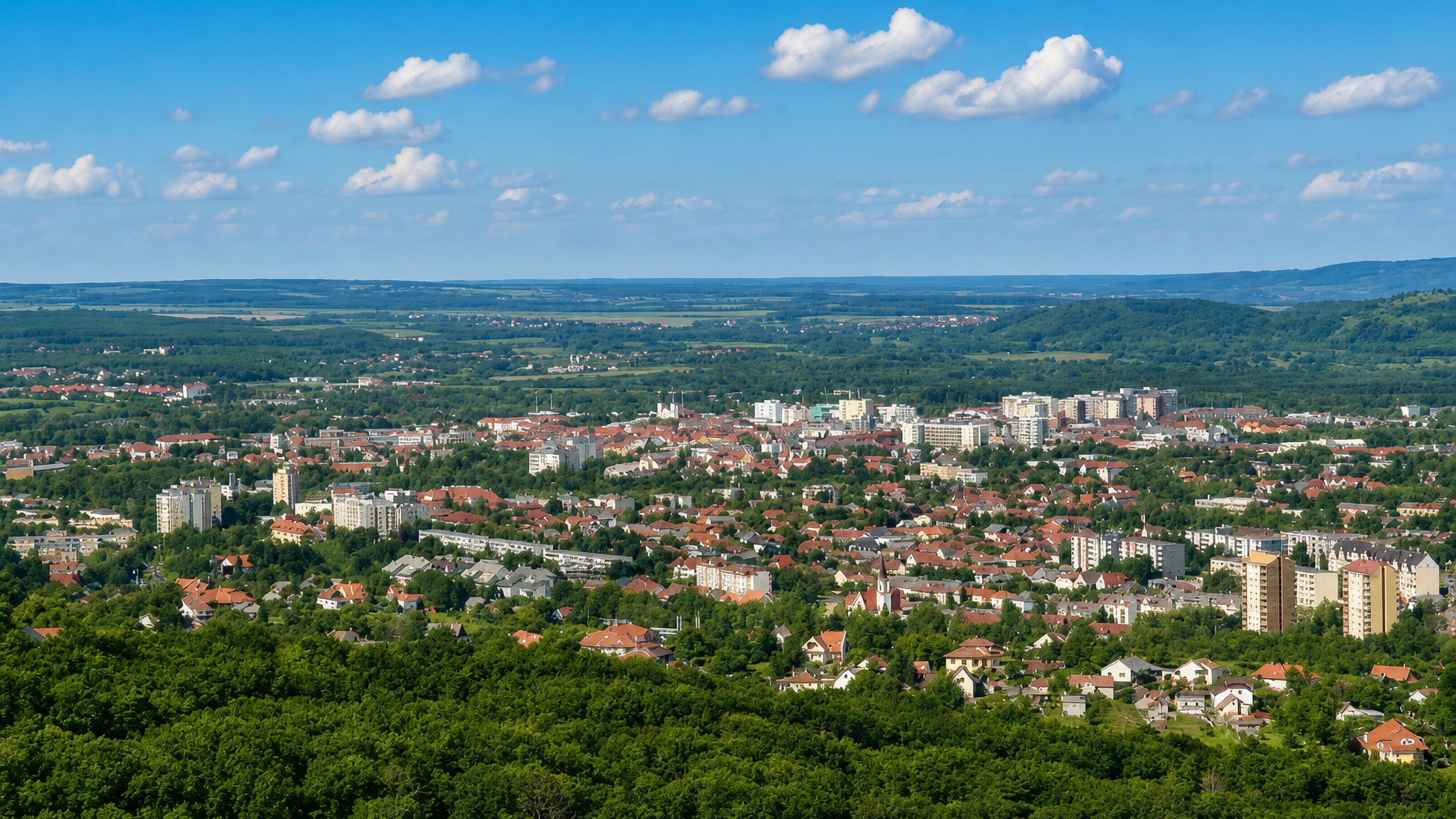
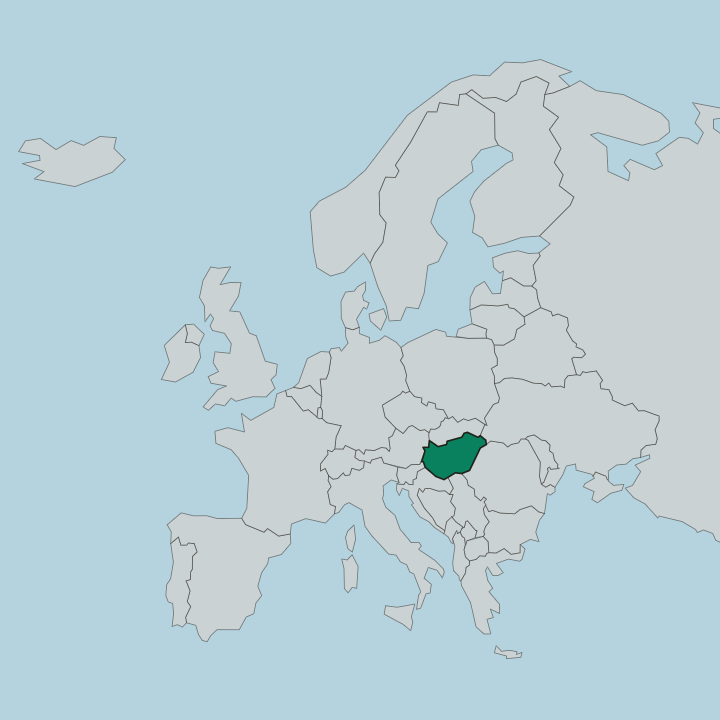
Zalaegerszeg is the administrative centre of Zala County in Hungary, a 12th-century foundation known for the Göcsej Village Museum.
Hotel links are affiliate links: booking through them may earn us a commission, at no extra cost to you. It never affects how places are ranked. How this works


Where to stay in Zalaegerszeg
Where you base yourself shapes the visit — here's the character of each area.

 ZalaegerszegHungary
Csácsbozsok
Zalaegerszeg counts Csácsbozsok among its quarters, a Hungarian name still carried on the city map in Zala megye.Where to stay →ZalaegerszegHungaryKaszaháza
Kaszaháza is the quarter of Zalaegerszeg that holds the Göcsej Village Museum and the Finno-Ugric Ethnographic Park.Where to stay →ZalaegerszegHungaryNekeresd
Nekeresd belongs to Zalaegerszeg as a quarter name, one of the Hungarian labels a city of Zala megye keeps in everyday use.Where to stay →ZalaegerszegHungaryNeszele
Neszele names a part of Zalaegerszeg in Zala megye, working as an address within the Hungarian city rather than as a destination apart.Where to stay →ZalaegerszegHungaryAndráshida
Andráshida is a named quarter of Zalaegerszeg in Hungary, an address inside the city boundary rather than a separate town.Where to stay → ZalaegerszegHungary
Bazita
Bazita is a district of Zalaegerszeg, lying south-west of the city among the outlying names of Zala megye.Where to stay →Hotel links are affiliate links: booking through them may earn us a commission, at no extra cost to you. It never affects how places are ranked. How this works
Find hotels in Zalaegerszeg
Direct booking searches for these neighbourhoods.
Around the Mary Magdalene church
The Mary Magdalene church and the Szentháromság-szobor stand within the same few streets, and the shops and evening places are on them.Find hotels in Around the Mary Magdalene churchcar trips built around the Göcsej Village MuseumThe Göcsej museum side
Open-air ground at the Göcsej Village Museum and the Finno-Ugric Ethnographic Park, with parking and an early start on a full museum morning.Find hotels in The Göcsej museum sideHotel links are affiliate links: booking through them may earn us a commission, at no extra cost to you. It never affects how places are ranked. How this works
About Zalaegerszeg
Open-air museums do the work here.
What is Zalaegerszeg known for?
The Göcsej Village Museum sets out the timber building of the Göcsej country, and the Finno-Ugric Ethnographic Park adds a second open-air collection, which is an unusual pairing for a county seat of this size. Industry has its own museum. The Museum of Hungarian Petroleum and Gas Industry records the oil and gas trade, and the Mary Magdalene church holds the older centre together.
What are the main landmarks in Zalaegerszeg?
Two open-air sites lead. The Göcsej Village Museum gathers the timber houses and farm buildings of the Göcsej country onto one site, and the Finno-Ugric Ethnographic Park continues the theme with dwellings from further afield. The Mary Magdalene church and the Szentháromság-szobor supply the centre with its two set pieces, one a church and the other a monument standing in the open.
Oil has its own hall. The Museum of Hungarian Petroleum and Gas Industry covers the extraction and refining side, which is not a subject most county seats keep a museum for.
What is the history of Zalaegerszeg?
The city dates from the 12th century. That places its foundation well before the county administration it now carries, and the long stretch between the two is the part that the surviving buildings tell least about. The Mary Magdalene church is the exception.
A church of that dedication in the middle of Zalaegerszeg gives the old core its fixed point, and the Szentháromság-szobor adds the kind of public monument that tends to follow a town becoming a seat of administration. Country building outlasted the town's own. The Göcsej Village Museum exists because the timber houses of the Göcsej country were worth moving and keeping, and an open-air museum of that kind is a record of how the villages of Zala County actually lived.
The Finno-Ugric Ethnographic Park widened the frame. It sets the local material against dwellings from the wider Finno-Ugric world, which turns a county collection into something with a comparative point. Oil rewrote the modern chapter.
The Museum of Hungarian Petroleum and Gas Industry stands here because the industry mattered in this part of Hungary, and the city grew with administrative and industrial work rather than with any medieval trade.
Where is Zalaegerszeg?
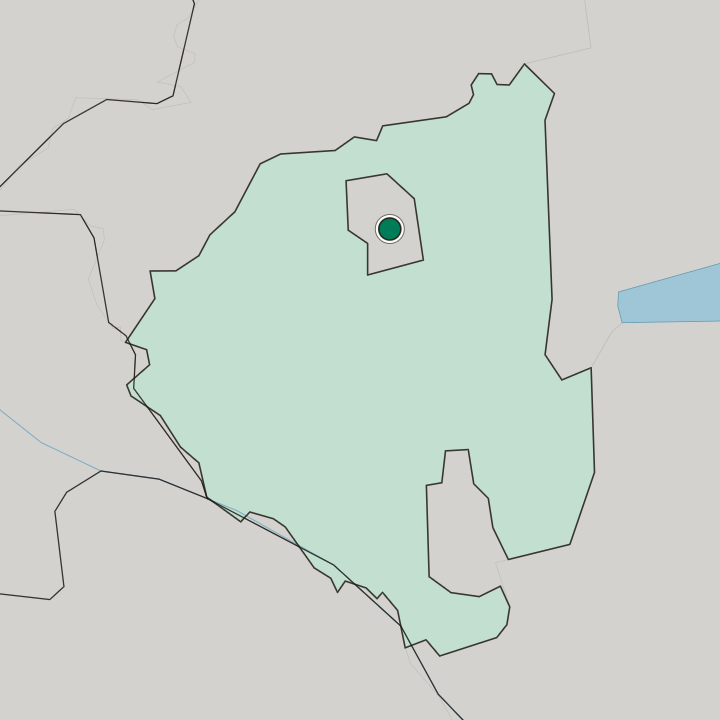
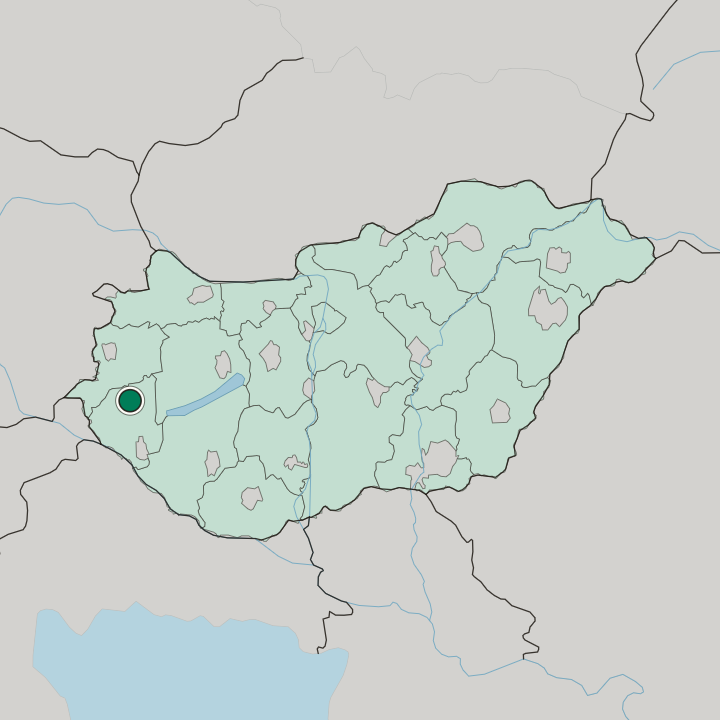
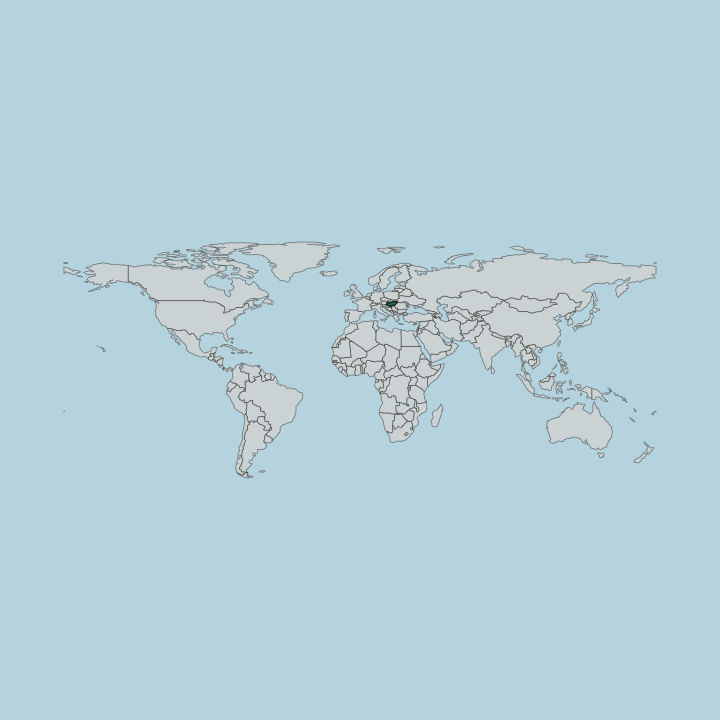
Zala County frames the city. Zalaegerszeg sits inland among the villages of the Göcsej country, close enough to them that the Göcsej Village Museum could be assembled from the buildings of the surrounding district. The city keeps a compact footprint.
Its built-up area covers a modest stretch of ground, so the museums on the outskirts stay within a short drive of the Mary Magdalene church in the centre.
What is the climate of Zalaegerszeg?
The year here is temperate. Zalaegerszeg sits inland, which sharpens both ends of it, giving a warm summer that suits the open-air ground of the Göcsej Village Museum and a cold winter that pushes visitors indoors instead. Spring is the awkward season.
Rain falls across the year rather than in one wet season, so the outdoor collections are best treated as a fine-day plan.
How do you get to Zalaegerszeg?
Zalaegerszeg is the county road hub. As the administrative centre of Zala County, it is where the routes from the surrounding villages of the Göcsej country converge, and the practical way in is by car or on the coaches that follow those same roads. Rail reaches the city too.
Trains run in from the wider Hungarian network, and the station leaves a manageable walk into the streets around the Mary Magdalene church.
Common questions
What is the best area to stay in Zalaegerszeg?
Around the Mary Magdalene church: walkable stays taking in the Szentháromság-szobor and the county offices. The Göcsej museum side: car trips built around the Göcsej Village Museum.
Updated September 2026