Indonesia · Daerah Istimewa Yogyakarta
Where to Stay in Yogyakarta, Daerah Istimewa Yogyakarta
The Tugu Yogyakarta rises over Yogyakarta, a royal city on the plain of south-central Java, known for its sultan's court and for batik.
Hotel links are affiliate links: booking through them may earn us a commission, at no extra cost to you. It never affects how places are ranked. How this works


Where to stay in Yogyakarta
How the choice of base plays out on the ground.
Yogyakarta sets most of its lodging along the axis that runs from the Tugu Yogyakarta down through the old centre toward the sultan's court. The court anchors it. Fort Vredeburg and the Sonobudoyo Museum stand near the middle of this line, close to the Museum Batik Yogyakarta and the markets of the royal town.
If you want the court and the batik streets at hand, base yourself along this axis. The old town keeps its landmarks near. Staying on the central line puts the fort, the museums, and the sultan's quarter within a short walk of one another at the heart of Java's royal city.
Away from the centre, the city spreads north toward the university quarter and east toward the river. Gadjah Mada University and the UGM Museum draw a younger, quieter district, and the Affandi Museum sits out by the water on the road east. The Gembira Loka Zoo lies on the same eastern side.
For families or a slower stay, a base near the university or the river trades the market bustle for calmer streets. For a first visit, choose the central axis, since the court, the fort, and the museums gather there. Stay on the old line.
Yogyakarta strings its landmarks along one axis, so the court and the museums reach one another on foot.
Find hotels in Yogyakarta
Direct booking searches for these neighbourhoods.
The royal axis and court
Fort Vredeburg, the Sonobudoyo Museum, and the Museum Batik Yogyakarta line the axis running down from the Tugu Yogyakarta in central Yogyakarta.Find hotels in The royal axis and courtQuieter nights near the campus and the Affandi galleriesThe Gadjah Mada university side
Gadjah Mada University, the UGM Museum, and the riverside Affandi Museum mark the northern and eastern edges of Yogyakarta, away from the market axis.Find hotels in The Gadjah Mada university sideHotel links are affiliate links: booking through them may earn us a commission, at no extra cost to you. It never affects how places are ranked. How this works
Things to do in Yogyakarta
Ranked by global recognition; descriptions from Wikidata (CC0).
Museums & Galleries
3- Dirgantara Mandala Museum
- Sonobudoyo Museum
- Fort Vredeburg
Churches & Religious Sites
3- Gereja Sayidan
- Saint Francis Xavier Church, Kidul Loji
- St Joseph Church (Yogyakarta)
Castles & Historic Sites
2- Tugu Yogyakarta
- Mantup Site
Stadiums & Sports
1- Among Rogo Sports Hall
worth knowingacross 4 categories in Yogyakarta
About Yogyakarta
What is Yogyakarta known for?
Yogyakarta is known as the royal capital of the Special Region of Yogyakarta, the one Indonesian city still ruled by a monarchy and a centre of classical Javanese arts. Batik draws the eye here. The Museum Batik Yogyakarta and the Sonobudoyo Museum keep the textile and court traditions, while the Affandi Museum holds the work of the painter Affandi.
Gadjah Mada University fills the city with students, and the Tugu Yogyakarta marks the old axis that runs through the heart of Java's cultural capital.
What are the main landmarks in Yogyakarta?
Yogyakarta gathers its landmarks along the old royal axis and the streets around the court. Fort Vredeburg guards one end near the centre, and the Tugu Yogyakarta marks the axis to the north. Museums fill the town.
The Sonobudoyo Museum, the Museum Batik Yogyakarta, and the Affandi Museum hold its arts, while the Struggle Museum of Yogyakarta and the Sasmitaloka Panglima Besar Jenderal Sudirman Museum record the fight for independence. The Gembira Loka Zoo and the Dewantara Kirti Griya Museum stand among the wider quarters of the city.
What is the history of Yogyakarta?
Yogyakarta was founded in 1756 as the seat of a new Javanese sultanate, laid out on an axis in the south-central part of the island of Java. A royal city rose here. The sultan's court set the plan of the town, running a straight line through its heart that the Tugu Yogyakarta still marks, and the Dutch raised Fort Vredeburg beside the court to watch over it.
Yogyakarta became the one Indonesian royal city still ruled by a monarchy, holding its Javanese arts through the centuries in the batik and puppetry now kept at the Sonobudoyo Museum. The city stood at the centre of the struggle for Indonesian independence, a story told in the Struggle Museum of Yogyakarta and the Sasmitaloka Panglima Besar Jenderal Sudirman Museum. Yogyakarta served as a wartime capital of the young republic.
The court endured. Its schools grew into Gadjah Mada University, the country's largest, and drew the education that the Dewantara Kirti Griya Museum records. Yogyakarta has held its court through great change.
The old axis still runs true. The sultanate remains.
Where is Yogyakarta?
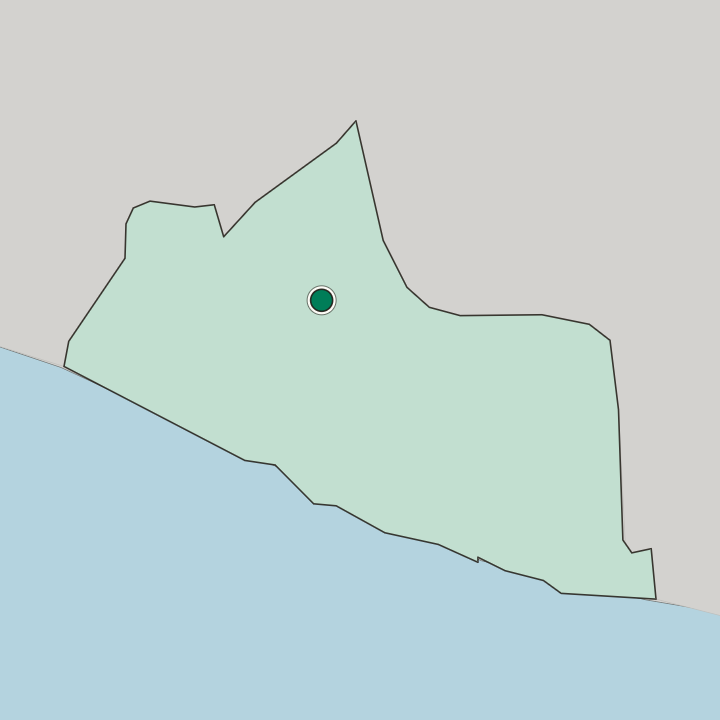
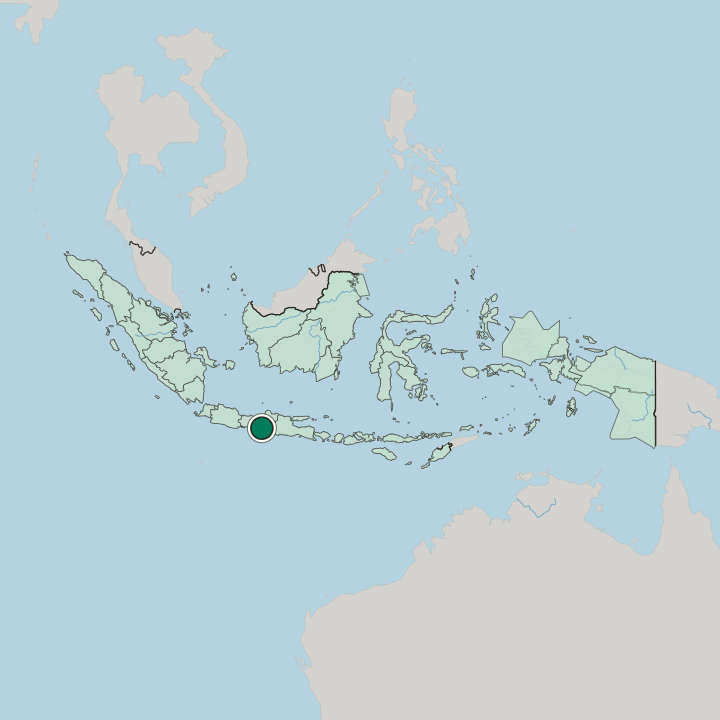
Yogyakarta lies in the south-central part of the island of Java, the capital of the Special Region of Yogyakarta to the south of Central Java. It sits on a plain that runs down toward the southern coast of Java, ringed by volcanic highlands inland. The land tilts to the sea.
On the southeastern side of the city lies the old quarter of Kotagede, an early royal seat now within its reach. Yogyakarta stands near the middle of Java, a court city between the volcanoes and the southern ocean.
What is the climate of Yogyakarta?
Yogyakarta has a hot, humid tropical climate, set on the plain of south-central Java between the volcanoes and the southern sea. On Java's southern plain the heat rarely eases, staying warm from one month to the next. A long wet season brings heavy afternoon rains that sweep down from the highlands over the court and the old axis, while the drier months turn dusty and clear across the plain that runs toward the coast of Java.
The monsoon sets the rhythm. The seasons here turn on rain rather than cold.
How do you get to Yogyakarta?
Yogyakarta is reached by air, rail, and road from across Java and the wider Special Region of Yogyakarta. Trains run the main line along the island, linking the city west to the cities of Central Java and east across Java toward the coast. The rails meet the axis.
Roads climb from the plain toward the volcanic highlands inland and drop south to the ocean, and the old royal town of Kotagede lies on the way out to the southeast. Most arrivals reach the court by train or plane.
Common questions
What is the best area to stay in Yogyakarta?
The royal axis and court: Visitors drawn to the sultan's court and the batik quarter. The Gadjah Mada university side: Quieter nights near the campus and the Affandi galleries.
Good for
Updated September 2026