Indonesia · Daerah Khusus Ibukota Jakarta
Where to Stay in Jakarta, Daerah Khusus Ibukota Jakarta
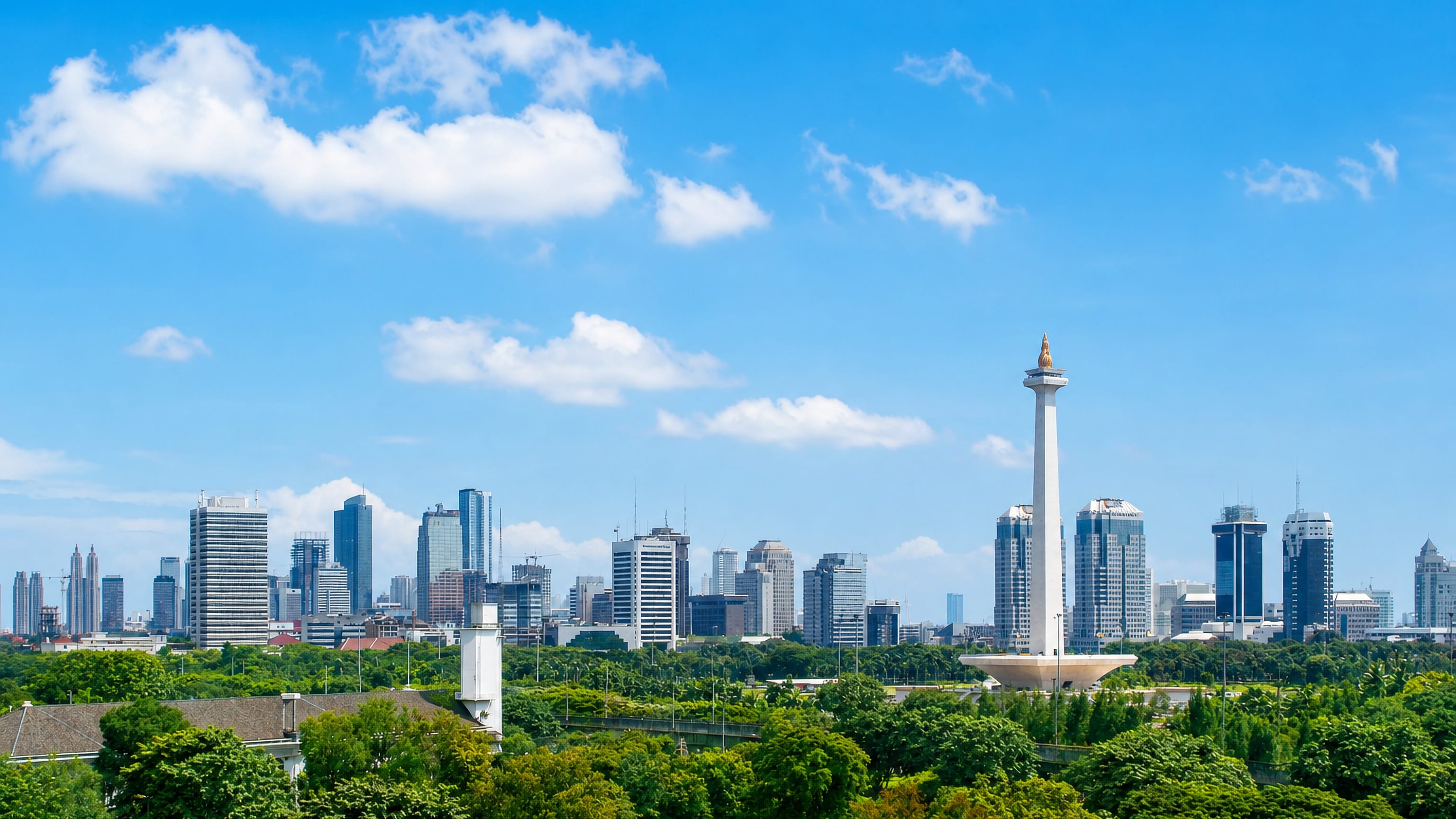
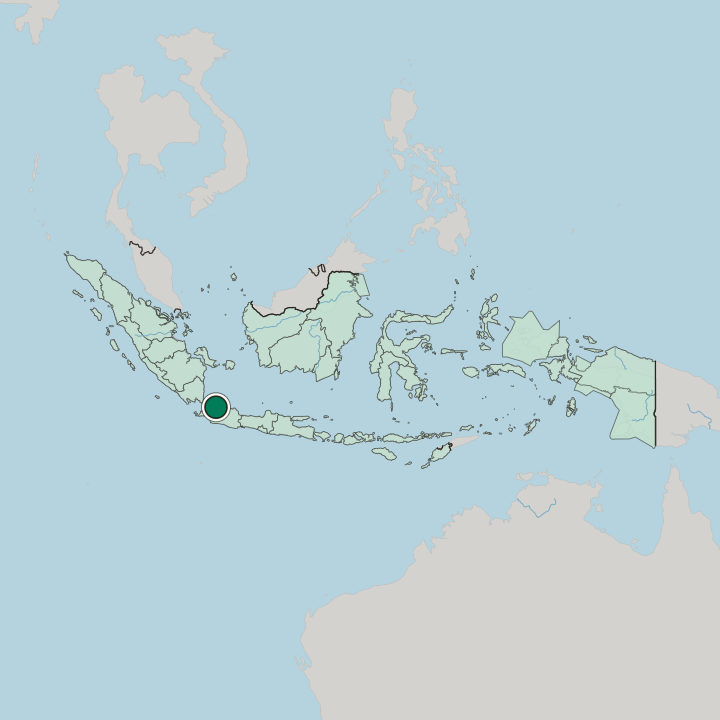
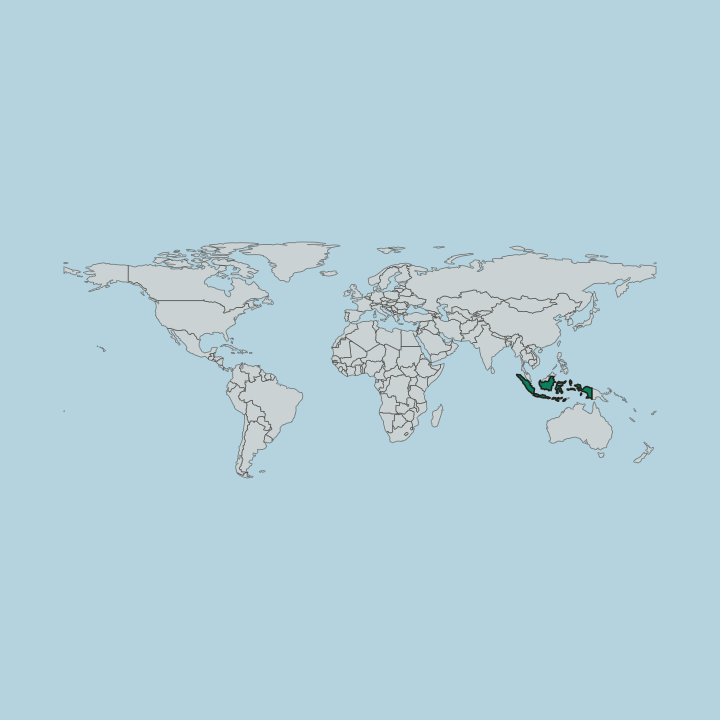
Jakarta stands on the northwest coast of Java, capital of Indonesia, its centre marked by the tower of the National Monument of Indonesia.
Hotel links are affiliate links: booking through them may earn us a commission, at no extra cost to you. It never affects how places are ranked. How this works


Where to stay in Jakarta
Where you base yourself shapes the visit — here's the character of each area.
 JakartaIndonesia
Central Jakarta
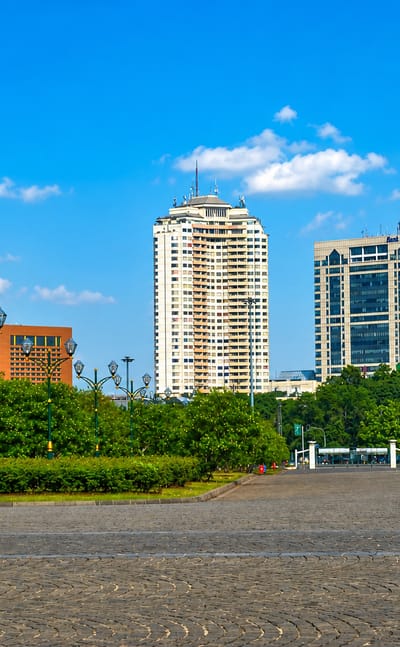
Central Jakarta is the administrative core of Jakarta, home of the National Monument of Indonesia.Where to stay →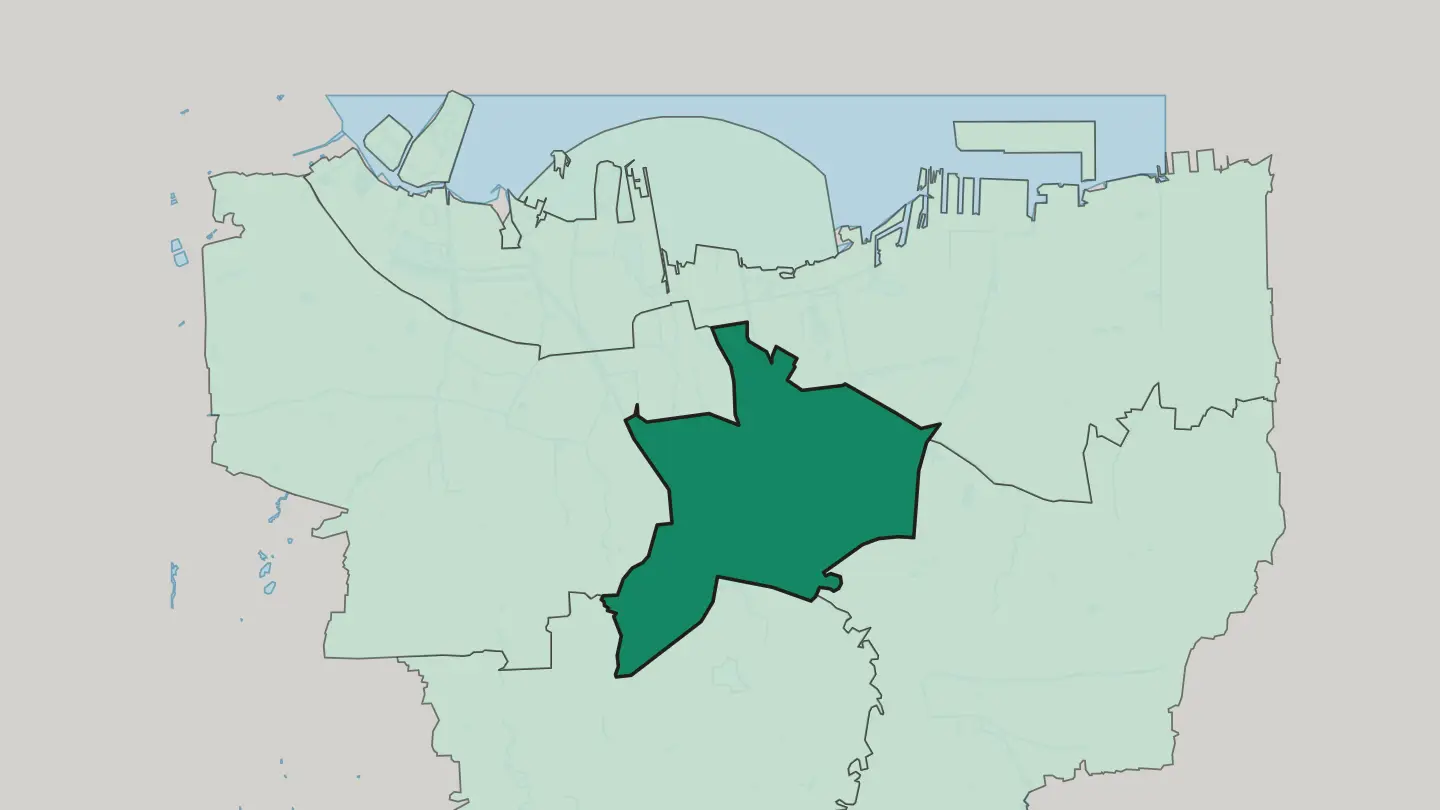
 JakartaIndonesia
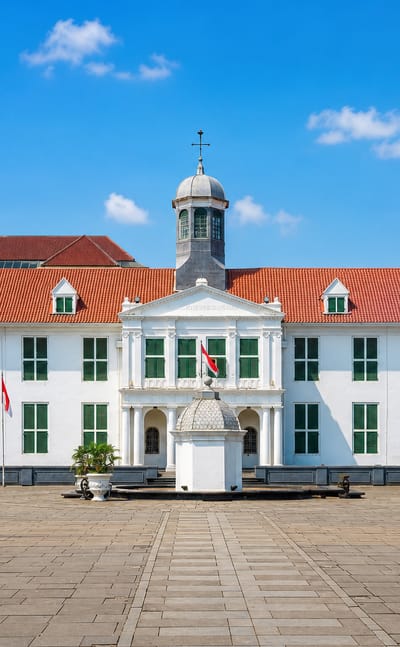
Kota Tua Jakarta
Kota Tua Jakarta is the colonial old town of Jakarta, a compact museum quarter around the Jakarta History Museum.Where to stay →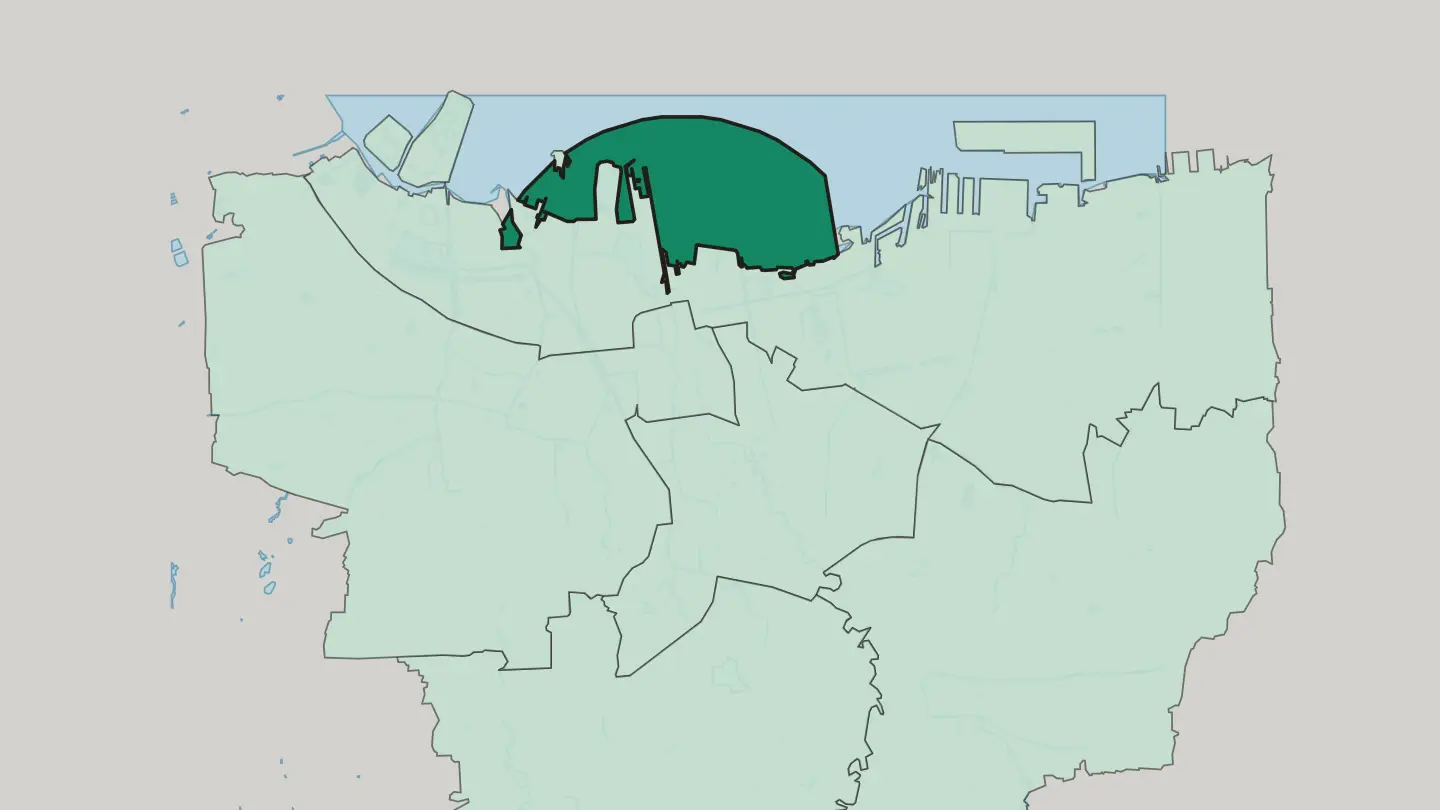
 JakartaIndonesia
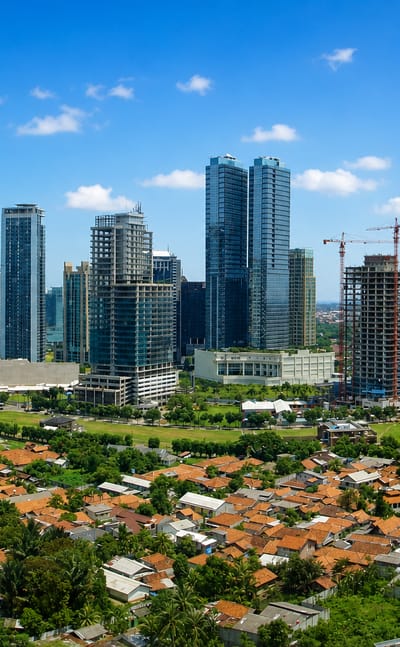
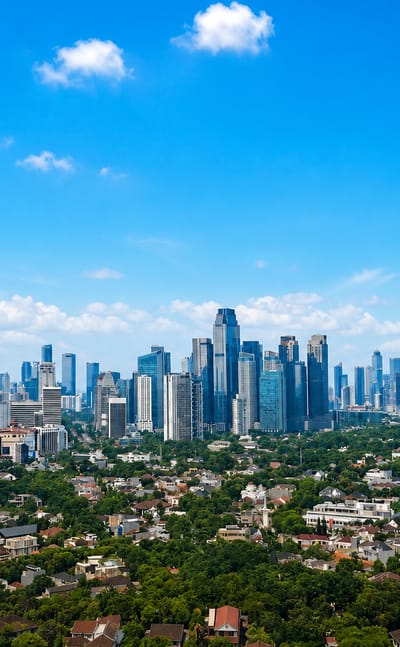
Mega Kuningan
Mega Kuningan is a planned business and embassy district of Jakarta, set within the Kuningan area of South Jakarta.Where to stay →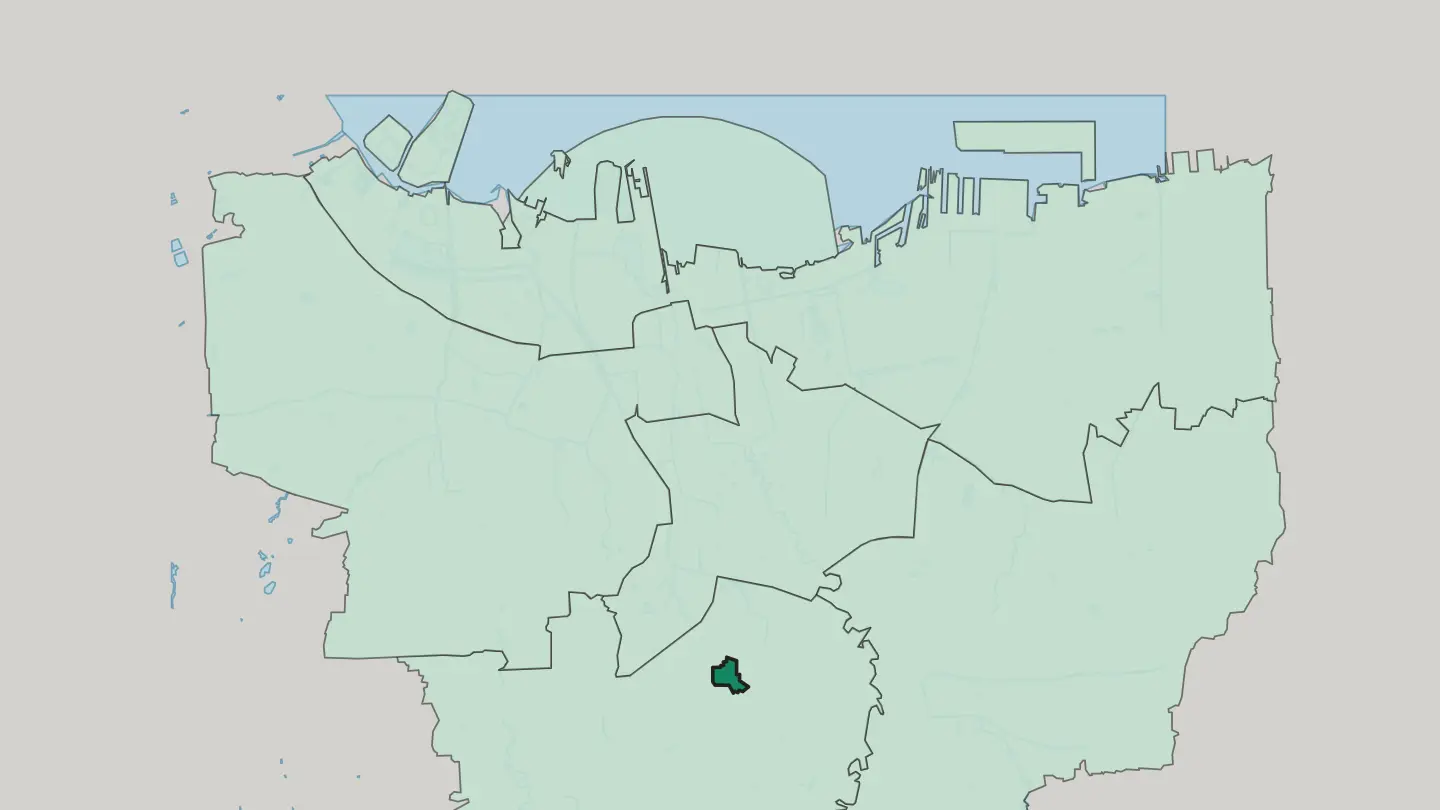
 JakartaIndonesia
South Jakarta
South Jakarta is a district of Jakarta, holding the Satriamandala Museum and Saint John the Evangelist Church.Where to stay →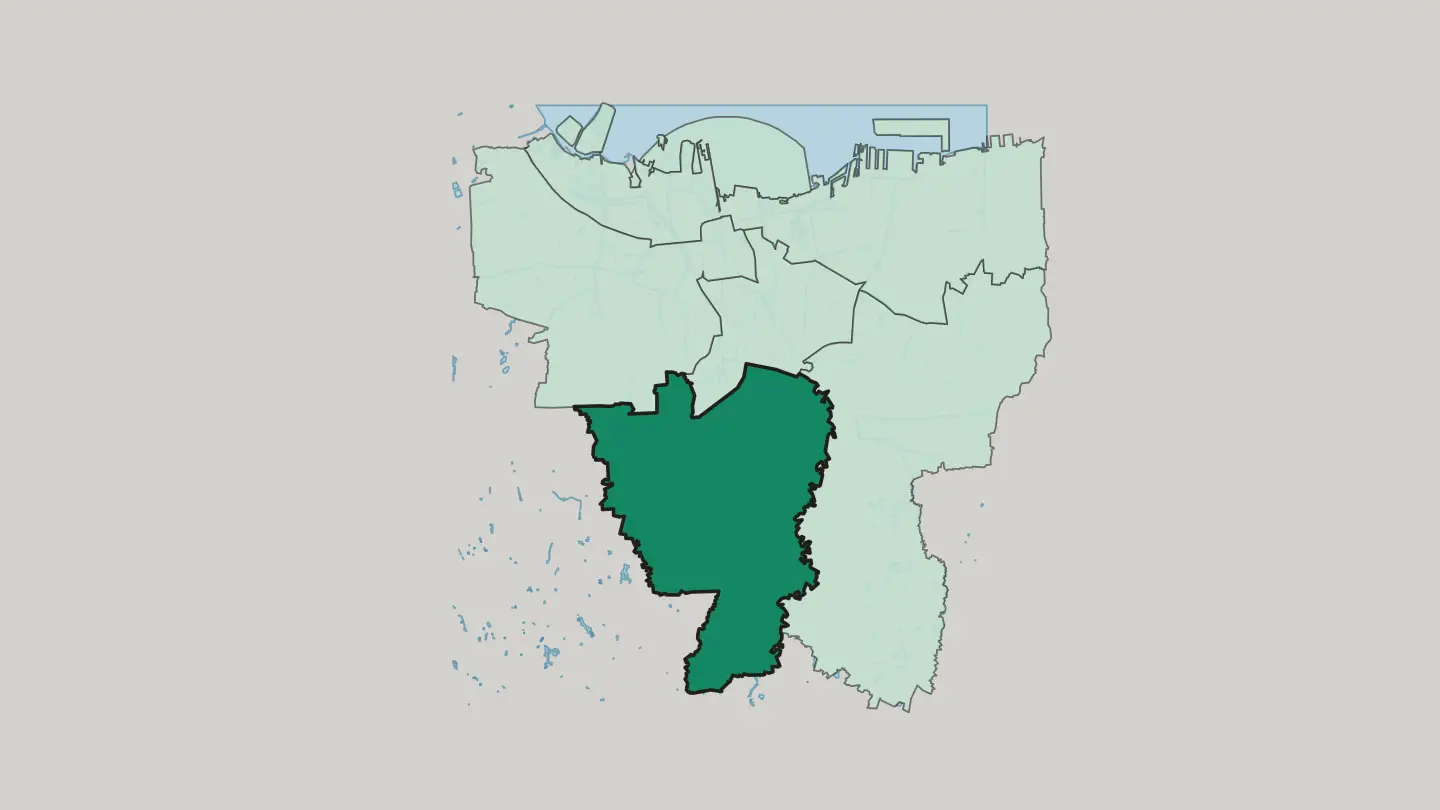
 JakartaIndonesia
North Jakarta
North Jakarta is the coastal, harbour-fronting borough of Jakarta in Indonesia, wrapped around the port of Tanjung Priok.Where to stay →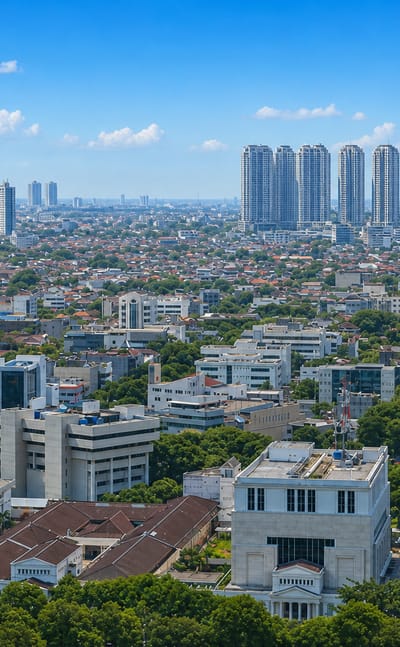 JakartaIndonesia
West Jakarta
West Jakarta, or Jakbar, is the Old Batavia quarter of Jakarta, holding Glodok, the capital's Chinatown.Where to stay → JakartaIndonesia
East Jakarta
East Jakarta, or Jaktim, is the largest of the five administrative cities that make up Jakarta.Where to stay →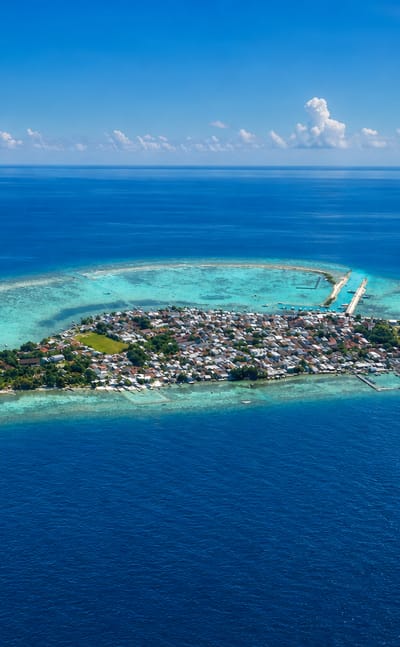 JakartaIndonesia
Thousand Islands
Thousand Islands is Jakarta's offshore island district, a scatter of coral cays and reefs in the Java Sea.Where to stay → JakartaIndonesia
Kuningan
Kuningan is a business district of South Jakarta, home to the embassies of Australia, Malaysia, Singapore and many other countries.Where to stay →Hotel links are affiliate links: booking through them may earn us a commission, at no extra cost to you. It never affects how places are ranked. How this works
Find hotels in Jakarta
Direct booking searches for these neighbourhoods.
The centre, around the National Monument
The heart of the capital around the National Monument of Indonesia, with the National Museum of Indonesia, the National Gallery of Indonesia, and Jakarta Cathedral close by and the best transport in the city.Find hotels in The centre, around the National Monumentolder quarters nearer the seaThe northern coast
The denser, older side of the capital running down to the Java Sea, further from the museums but closer to the shore of Java.Find hotels in The northern coastbudget beds out in the commuter sprawlJabodetabek
Jakarta's outer metropolitan ring, running through Jabodetabek into West Java and Banten, cheaper ground for travellers happy to ride the commuter rail in.Find hotels in JabodetabekHotel links are affiliate links: booking through them may earn us a commission, at no extra cost to you. It never affects how places are ranked. How this works
Things to do in Jakarta
Ranked by global recognition; descriptions from Wikidata (CC0).
Museums & Galleries
3- National Monument of Indonesia Heritage
- National Museum of Indonesia
- Satriamandala Museum
Churches & Religious Sites
3- Jakarta Cathedral
- Gereja Sion
- Messiah Cathedral
Castles & Historic Sites
3- Dirgantara Monument
- Selamat Datang Monument
- West Irian Liberation Monument
Stadiums & Sports
3- Jakarta International Convention Center
- Istora Gelora Bung Karno
- Gelora Bung Karno Sports Complex
Landmarks & Notable Places
1- Candra Naya
worth knowingacross 5 categories in Jakarta
About Jakarta
What is Jakarta known for?
Jakarta is the capital and largest city of Indonesia, its political and cultural centre on the island of Java. The nickname fits. Locals call it The Big Durian, a play on the Big Apple of New York, for a capital that overwhelms before it wins people over.
The National Monument of Indonesia towers over the centre, the National Museum of Indonesia and the National Gallery of Indonesia stand nearby, and the seat of ASEAN, the Association of Southeast Asian Nations, sits here too. It is the busy heart of the whole archipelago.
What are the main landmarks in Jakarta?
Jakarta's landmarks gather around the city centre, most raised to mark the young nation. The National Monument of Indonesia is the best-known of them, a tall column at the heart of the capital. Museums cluster close by.
The National Museum of Indonesia and the National Gallery of Indonesia hold the country's collections, while Jakarta Cathedral and the older Santa Maria de Fatima Church stand among the churches of the centre. Monuments crowd the streets too, from the Selamat Datang Monument to the West Irian Liberation Monument. Older buildings survive between them, among them Candra Naya and the Mohammad Hoesni Thamrin Building.
What is the history of Jakarta?
Jakarta dates back to 1527, first appearing as a small settlement on the northwestern shore of Java. The settlement grew slowly in its early years. Over the centuries the coastal town rose to lead the whole archipelago, becoming the natural centre of the island of Java.
Independence reshaped its role. With the founding of the Republic of Indonesia in 1945, the city became the capital of a new nation spread across thousands of islands. Much of what stands in the old centre of the city records that turn to nationhood.
The Museum of National Awakening and the Gedung Joang 45 both take their names from the road to independence. Newer monuments followed. The National Monument of Indonesia rose at the heart of the capital, and the Selamat Datang Monument and the West Irian Liberation Monument went up as the young republic found its feet.
The capital still keeps its founding in its street names and its stone. From a small coastal settlement of 1527 to the capital of Indonesia, the city has spent its whole history facing the Java Sea.
Where is Jakarta?
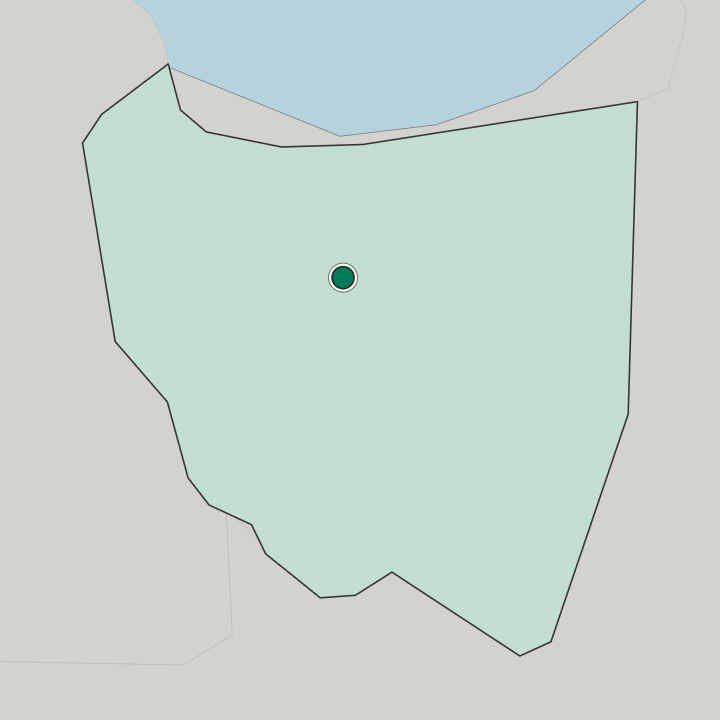
Jakarta spreads across a low, flat plain on the northwestern coast of Java, facing the Java Sea to the north. The ground stays near sea level. Close to sea level, the city runs back from the shoreline into the plain, hemmed by the neighbouring provinces of West Java and Banten on its landward sides.
The built-up area does not stop at the city line, spilling outward into the wider sprawl of Jabodetabek. Water and the flat coast define the ground here more than any hill.
What is the climate of Jakarta?
Jakarta sits in the tropics, hot and humid across the whole year on its low coast by the Java Sea. Cool weather never arrives. The calendar turns on rain rather than temperature, splitting into a wetter half and a drier one, and the heaviest storms fall on the low, flat ground of the city.
Warm sea air holds the humidity in place. From one month to the next, the capital of Indonesia stays steamy on the coast of Java.
How do you get to Jakarta?
Jakarta is the main way into Indonesia for most travellers, the busiest arrival point in the country. Flights come first. Being the country's capital, it takes in air links from Southeast Asia and the rest of the archipelago, with onward hops out to the islands.
On the ground, roads and commuter rail thread out through the metropolitan belt of Jabodetabek into West Java and Banten. Inside the city, heavy traffic makes short distances slow, so plans allow extra time to cross the capital.
Common questions
What is the best area to stay in Jakarta?
The centre, around the National Monument: first-time visitors and the main monuments. The northern coast: older quarters nearer the sea. Jabodetabek: budget beds out in the commuter sprawl.
Good for
Updated September 2026