Indonesia · Provinsi Jambi
Where to Stay in Jambi City, Provinsi Jambi
Jambi is a city of eastern Sumatra in Indonesia, capital of its province, an old Malay river town on the Batang Hari near the temples of Muaro Jambi.
Hotel links are affiliate links: booking through them may earn us a commission, at no extra cost to you. It never affects how places are ranked. How this works


Where to stay in Jambi City
Where the beds are, and what that means for the visit.
Where you stay in Jambi turns on the town or the river. The streets around the centre keep the market, the museum, and the tower within a walk, and staying downtown suits anyone here for the city. The river runs through the heart.
Boats cross to the old town. Out toward Muaro Jambi and the country, the town gives way to the temple forest, the rubber lands, and the river villages. A room by the water trades the streets for the wide Batang Hari, the green plantations, and the quiet of the upstream shrines.
The forest runs on to the east. Stay downtown for the market, or out for the temples. Central Jambi stands only a little back from the Batang Hari.
Find hotels in Jambi City
Direct booking searches for these neighbourhoods.
Downtown
By the river in the centreFind hotels in DowntownStays wanting Muaro Jambi and the countryThe river and temples
Upstream on the Batang HariFind hotels in The river and templesHotel links are affiliate links: booking through them may earn us a commission, at no extra cost to you. It never affects how places are ranked. How this works
Things to do in Jambi City
Ranked by global recognition; descriptions from Wikidata (CC0).
Museums & Galleries
3- Siginjei Jambi Museum
- Gentala Arasy Tower Museum
- Perjuangan Rakyat Jambi Museum
Churches & Religious Sites
2- Gereja Santa Maria Ratu Rosario, Payo Selincah
- Gereja Santa Teresia, Jambi
Landmarks & Notable Places
1- Gentala Arasy
worth knowingacross 3 categories in Jambi City
About Jambi City
Jambi is the old Malay city of the Batang Hari.
What is Jambi City known for?
On the great river of eastern Sumatra, it grew from an ancient river kingdom into the capital of the province, and it keeps the ancient Buddhist temples of Muaro Jambi upstream, the soaring Gentala Arasy bridge and tower over the water, the old riverside quarter across the stream, and the wide rubber and palm country around. The brown river runs slow and wide. Boats work the busy banks.
What are the main landmarks in Jambi City?
The Muaro Jambi temples are the pride of the province. The ancient brick shrines of a Buddhist age, scattered through the forest upstream of the city, are the emblem of old Jambi, out east of town. A white tower spans the river.
The soaring Gentala Arasy bridge and its clock tower cross the Batang Hari, while the state museum, the old riverside quarter, and the wide market mark the country around Jambi.
What is the history of Jambi City?
Jambi is one of the old kingdoms of Sumatra. By the Batang Hari a Malay realm rose more than a thousand years ago, trading gold and spice down the river to the sea, and its power reached far across the island. Monks built temples in the forest.
Upstream at Muaro Jambi a great complex of brick shrines was raised, a seat of Buddhist learning among the trees, one of the largest ancient temple grounds of the region. Traders came from far to the river. Arab, Chinese, and Malay merchants gathered at the port, and an old quarter grew across the water where their mosques and houses still stand.
The river ruled the town's life. Boats carried the rubber, the timber, and the oil of the land down the Batang Hari, and Jambi grew into the busy capital of its province, keeping its temples, its river, and its old town, and raising a tall new tower and bridge over the stream. The river still carries the trade.
Jambi keeps its Malay river city on the Batang Hari.
Where is Jambi City?
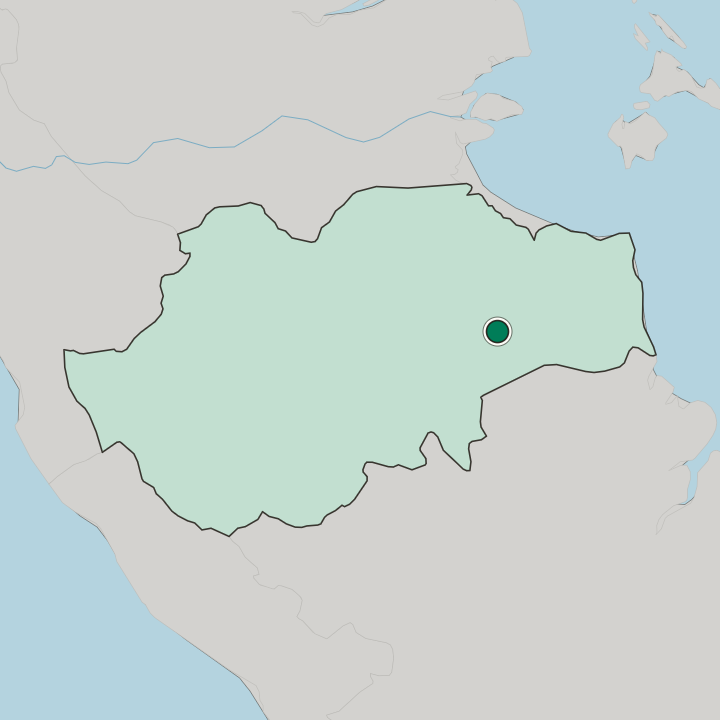
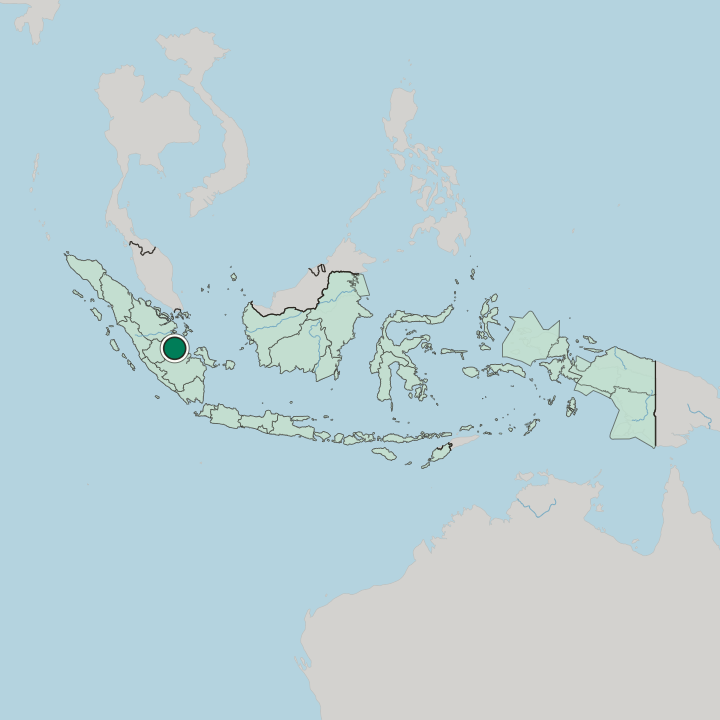
Jambi lies in the east of Sumatra, on the Batang Hari river in the lowlands of the island. The city sits on the banks of the great river as it winds through swamp and jungle toward the sea, in a hot green land of rubber and oil palm, with the river splitting the town and forests spreading all around. The wide river bends through the town.
Green country runs to the coast.
What is the climate of Jambi City?
Jambi has a hot, wet equatorial climate. Warm humid weather holds all year on the plain, with heavy rain and steaming heat and no real dry season by the river. The days stay hot and damp.
Rain falls hard and often.
How do you get to Jambi City?
Jambi lies in eastern Sumatra, on the Batang Hari inland from the coast. Roads and flights run to it across the island from Palembang and Padang, and boats work the river up and down. Planes land by the city.
The sea lies east down the river.
Common questions
What is the best area to stay in Jambi City?
Downtown: Travellers coming for the riverside market and the Siginjei museum. The river and temples: Stays wanting Muaro Jambi and the country.
Good for
Updated September 2026