Indonesia · Provinsi Sulawesi Barat
Where to Stay in Majene, Provinsi Sulawesi Barat
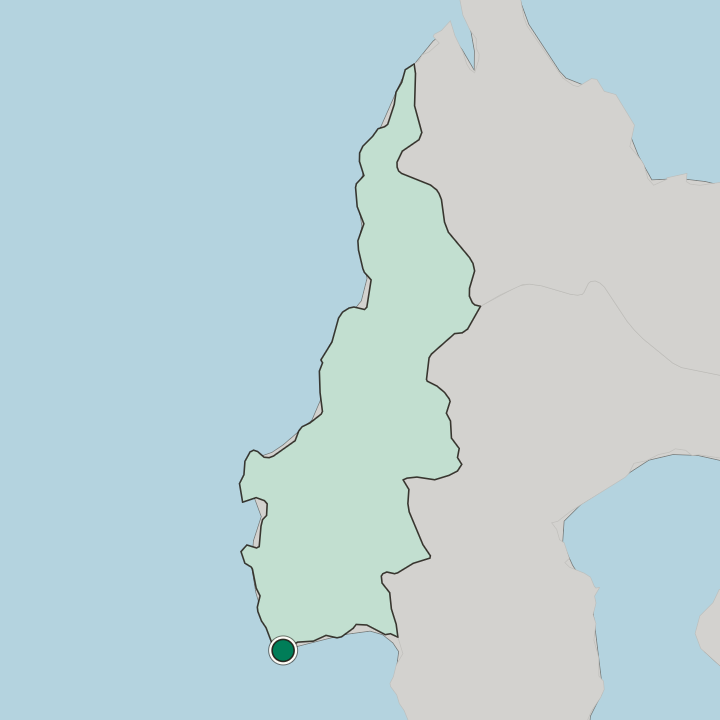
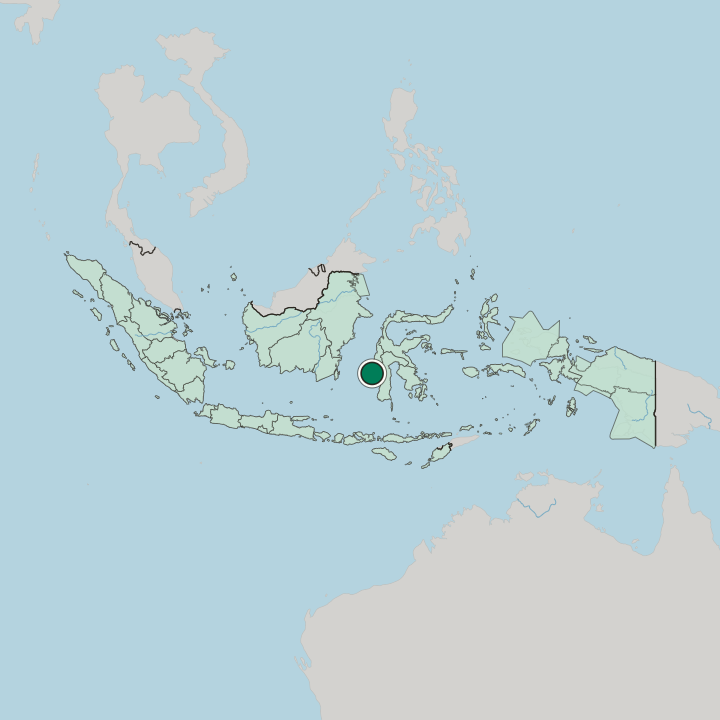
Majene is the administrative capital of Majene Regency, a coastal town on the Makassar Strait at the far south of West Sulawesi.
Hotel links are affiliate links: booking through them may earn us a commission, at no extra cost to you. It never affects how places are ranked. How this works


Where to stay in Majene
The practical side of choosing where to sleep.
Beds in Majene sit in two clusters, one strung along the coast road and one in the quieter blocks behind Mandar Museum, and the walk between them is short enough that noise decides the choice. The seaward rooms catch the breeze off the Makassar Strait and the evening light with it, along with every lorry that uses the through road. Behind the museum it is calmer.
Stock is limited and plain, because most of the demand comes from officials, teachers, and traders with business in Majene Regency rather than from holidaymakers. Guesthouses outnumber hotels. Majene works better as a base than as a stop.
Anyone moving along the West Sulawesi coast can break the drive here and reach the museum, the shoreline, and a meal without moving the car again, which is most of what the town is asked to provide. Expect plain rooms rather than a resort strip, air conditioning where it is offered and a fan where it is not. Bookings tighten when the regency holds its bigger meetings.
If you want the shortest walk to Mandar Museum, take the streets immediately behind it; if you want the sea, take the coast road side and accept the traffic.
Find hotels in Majene
Direct booking searches for these neighbourhoods.
Coast road frontage
Rooms on the seaward side of Majene's through road, with the water a step away and passing lorries the trade-off. Rooms are few around here — worth securing early.Find hotels in Coast road frontagea museum morning that needs no transport at allStreets behind Mandar Museum
Quieter blocks set back from the coast road, with Mandar Museum and the market stalls behind it both on foot. Beds are limited here, so book early.Find hotels in Streets behind Mandar Museumtrips built around business at Majene RegencyRegency office quarter
Plain hotels beside the offices that run Majene Regency, useful when the day starts at a government counter. Lodging is scarce in this area; reserve in advance.Find hotels in Regency office quarterHotel links are affiliate links: booking through them may earn us a commission, at no extra cost to you. It never affects how places are ranked. How this works
About Majene
What is Majene known for?
Administration is the town's first business. Majene Regency runs its offices here, and the coast either side sends its paperwork, its schools, and its court cases into the same handful of streets. Mandar Museum carries the other reputation.
Its collection sets out the boat-building and household culture of the Mandar, whose crews worked the Makassar Strait. Both sides of that story sit within a few blocks.
What are the main landmarks in Majene?
Mandar Museum is the town's one formal sight. Its rooms set out the boats, tools, and textiles of the Mandar coast, and an unhurried visit takes an hour rather than an afternoon. The shoreline does the rest.
Fishing craft pull up within sight of the through road, and the market streets behind them carry the ordinary business of a regency capital in West Sulawesi. Sightseeing here is a short list.
What is the history of Majene?
The paper record for Majene is thin. Most of what the town holds of its own past sits in Mandar Museum, in boats and tools rather than in charters, and the Mandar seafarers who made them worked this coast long before any administrative line crossed it. Sulawesi's western shore faces a strait, and settlements along it grew as landing places for boats rather than as market towns set back in the hills.
Majene grew that way. Fish and the small coastal trade gave the place a reason to exist before any government did. Administration arrived later and stayed.
The town was made the seat of Majene Regency, which put the courts, the offices, and the schools of a long stretch of coast into a few streets, and that role has shaped it more than any single event in its past. West Sulawesi itself is a late creation, split away from the larger province on its southern side, and Majene has belonged to the newer unit since the line was drawn. No founding year is recorded.
What the town has instead is continuity of use: a landing on the Makassar Strait that became a market, then a seat of government for Majene Regency, and has run the coast's business ever since.
Where is Majene?
Majene lies at the far south of West Sulawesi, on a narrow shelf of flat ground between hills and the Makassar Strait. The level strip is thin. Slopes stand close behind the town, so the coast road, the houses, and the shoreline are pressed into a band only a few streets deep for much of the way through Majene Regency.
Streams off those hills reach the sea in short, steep courses. Little of the district lies flat.
What is the climate of Majene?
The Makassar Strait sets the weather. Warm sea air moves onshore through the year, so Majene stays hot and humid without much swing in temperature, and what changes instead is how hard and how often the rain falls. Monsoon winds off the strait pile the wettest months around the turn of the year.
The middle months run drier. Storms build in the afternoon and clear by night, which makes mornings the reliable part of a day on this coast.
How do you get to Majene?
Everything arrives by road. The coastal trunk route between Makassar in the south and Mamuju to the north passes through Majene, and the inter-city buses and shared cars running it are the normal way in and out. Air travellers connect through the province's airports and finish the trip on that coast road.
Journeys are measured in hours rather than kilometres, because the road bends with every headland and river mouth between Majene Regency and the next town along. Daylight makes the drive easier.
Common questions
What is the best area to stay in Majene?
Coast road frontage: sea air off the Makassar Strait and the shortest reach to the shoreline. Streets behind Mandar Museum: a museum morning that needs no transport at all. Regency office quarter: trips built around business at Majene Regency.
Updated September 2026