Republic of Ireland · Connacht
Where to Stay in Galway, Connacht
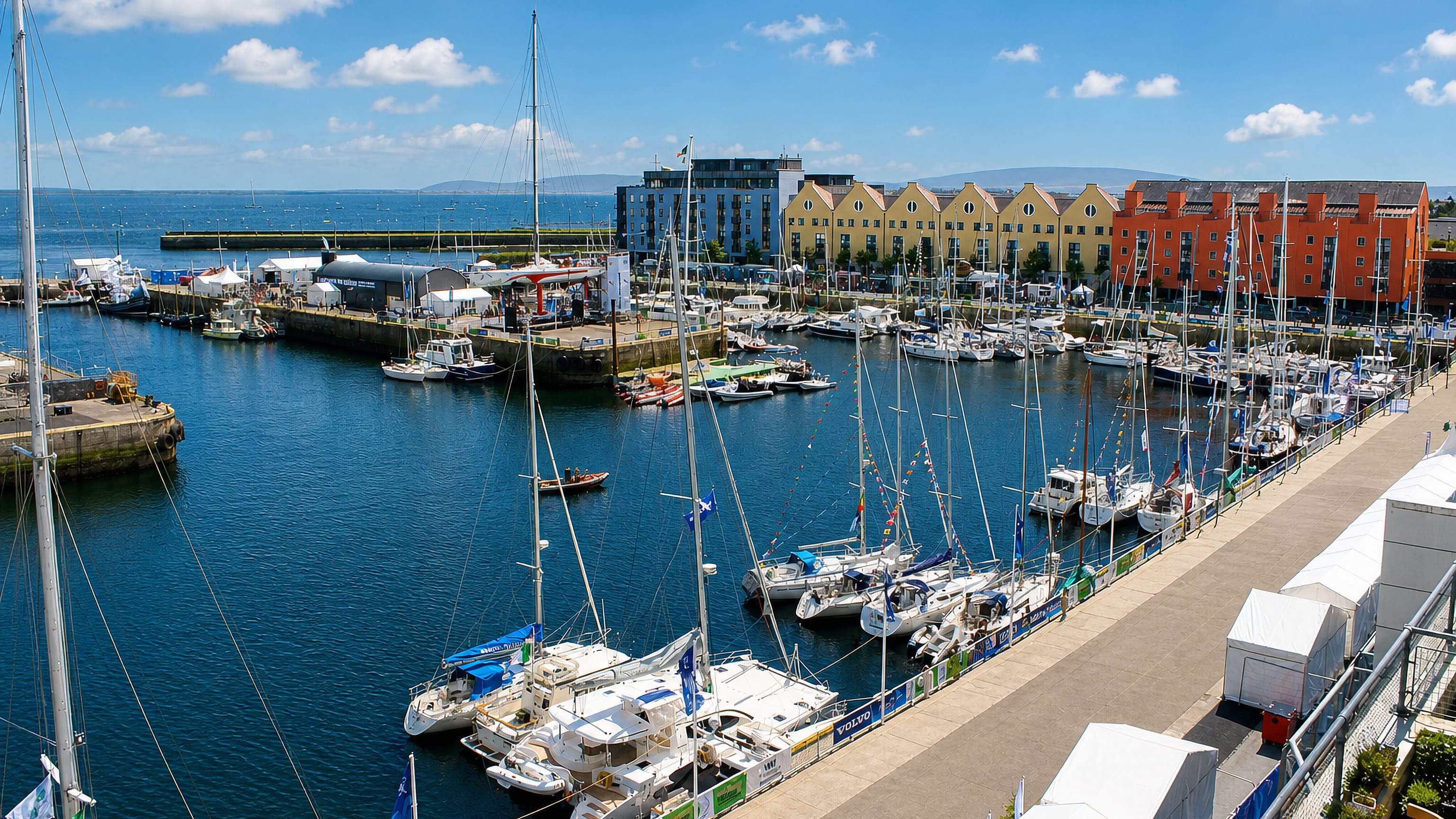
Galway sits where the River Corrib meets Galway Bay, a medieval port on the west coast of Ireland and the largest city in Connacht.
Hotel links are affiliate links: booking through them may earn us a commission, at no extra cost to you. It never affects how places are ranked. How this works


Where to stay in Galway
How the choice of base plays out on the ground.
Galway's historic centre is small enough to cross on foot. Its heart is the medieval quarter on the east bank of the River Corrib, where the pedestrianised central street threads past St. Nicholas' Collegiate Church, Lynch's Castle, and the Hall of the Red Earl. Down toward the water the streets open to Galway Bay, near where the Galway Hooker Monument marks the old sailing craft of the coast and the Spanish trade that once filled the port.
The medieval centre is the obvious base. Its lanes put the church, the castle, the Galway City Museum, and the daily life of the pedestrianised street within a few minutes' walk of each other. The waterfront by the bay is the quieter counterpart, closer to the sea air and the harbour, with the Corrib running down beside it to the water.
Stay in the medieval quarter for the streets and the sights at your door; take the bayside if you want the water and the harbour and the light off Galway Bay.
Find hotels in Galway
Direct booking searches for these neighbourhoods.
The medieval quarter
Galway's compact old core on the east bank of the River Corrib, its pedestrianised street running past St. Nicholas' Collegiate Church, Lynch's Castle, and the Hall of the Red Earl.Find hotels in The medieval quarterthe bay, the harbour, and sea airThe Galway Bay waterfront
The stretch where Galway's streets meet the sea by the Galway Hooker Monument, closer to the harbour, the salt air, and the mouth of the Corrib.Find hotels in The Galway Bay waterfrontHotel links are affiliate links: booking through them may earn us a commission, at no extra cost to you. It never affects how places are ranked. How this works
Things to do in Galway
Ranked by global recognition; descriptions from Wikidata (CC0).
Museums & Galleries
3- James Mitchell Museum
- Computing and Communications Museum of Ireland
- Hall of the Red Earl
Churches & Religious Sites
3- St. Nicholas' Collegiate Church
- St Ignatius Church, Galway
- Augustinian Church
Castles & Historic Sites
3- Menlo Castle
- monument to Christopher Columbus
- Lynch's Castle
worth knowingacross 3 categories in Galway
About Galway
Galway is a port city.
What is Galway known for?
The county town of County Galway, it is the most populous settlement in the province of Connacht and the fourth most populous city in the Republic of Ireland. It is known for its compact medieval core on the east bank of the River Corrib, where a pedestrianised central street runs past Lynch's Castle and St. Nicholas' Collegiate Church, and for its setting on Galway Bay. The city makes a base for exploring the scenic surrounding county.
What are the main landmarks in Galway?
Galway's oldest standing landmark is medieval. St. Nicholas' Collegiate Church rises in the heart of the old town near the pedestrianised central street, close to Lynch's Castle, the stone town-house of the merchant family that ruled the city. Just off the same streets, the Hall of the Red Earl preserves the footings of the earliest civic building, while the Galway City Museum and the Galway Hooker Monument stand down by the water.
The Browne Doorway and the Augustinian Church mark the lanes between.
What is the history of Galway?
Galway grew from a fortified crossing of the River Corrib founded in 1124. The early stronghold guarded the point where the river runs down from Lough Corrib into Galway Bay, and around it a walled town took shape on the east bank. Merchants made it.
The medieval city was governed by a handful of ruling families, the Lynches chief among them, whose stone town-house, Lynch's Castle, still stands on the central street as the mark of that mercantile power. The port looked to the sea and to Spain. Galway traded wine and goods with the Iberian coast across the Atlantic, and the trade left its stamp on the streets running down to the harbour on Galway Bay.
St. Nicholas' Collegiate Church rose in the heart of the town as its principal church, and the Hall of the Red Earl records the seat of the earliest civic authority. From that walled merchant town on the Corrib grew the most populous settlement in the province of Connacht and the county town of County Galway.
Where is Galway?
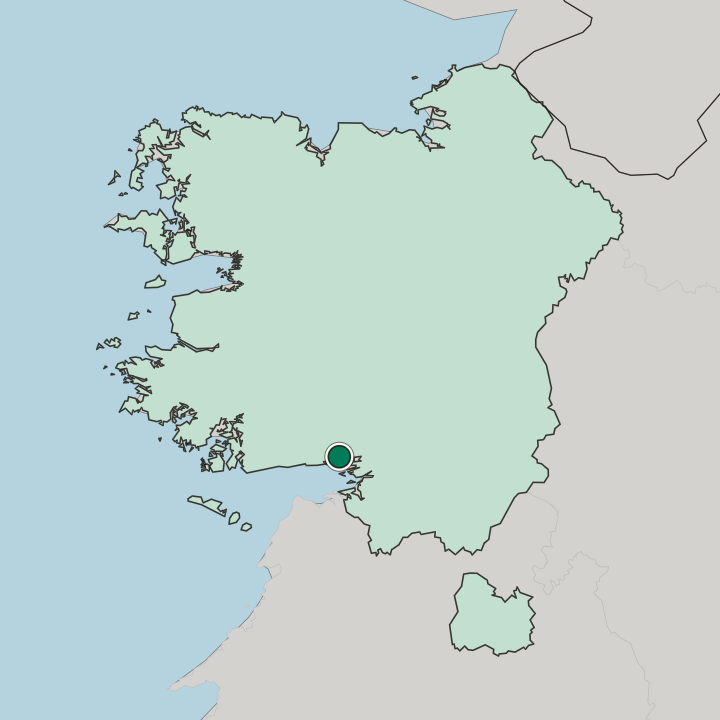
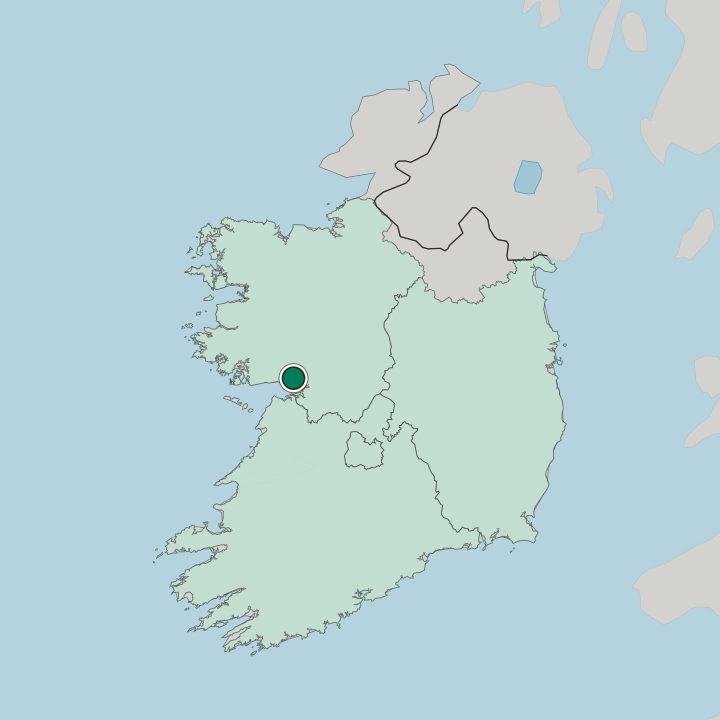
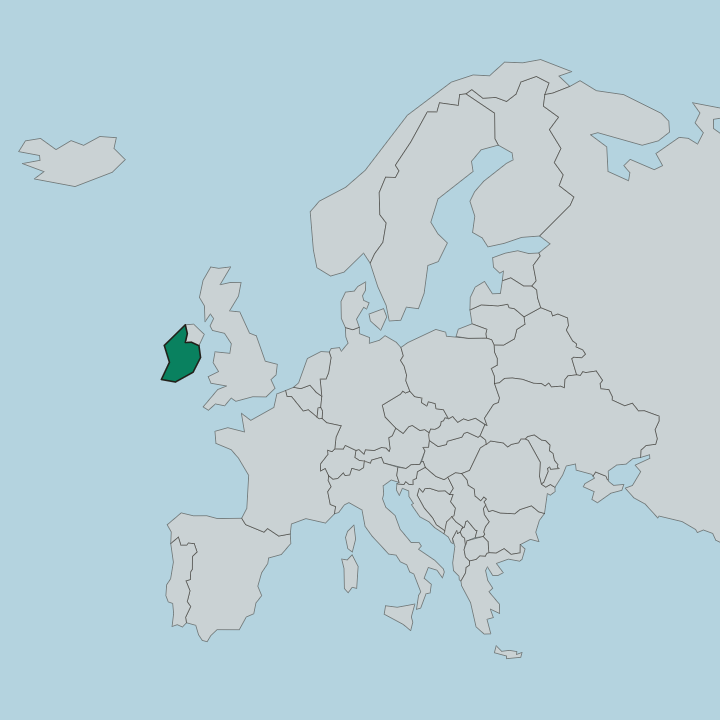
Galway stands on the west coast of Ireland, where the River Corrib meets the sea. The river is short. It runs from Lough Corrib down into Galway Bay in a few miles, and the city's historic centre gathers on its east bank in County Galway, the most populous settlement in the province of Connacht.
This is an exposed Atlantic coast, opening west to the bay and the ocean beyond.
What is the climate of Galway?
Galway takes the full force of the Atlantic weather. Its exposed position on Galway Bay makes it mild but wet and windy, with cool winters, mild green summers, and rain driven in off the ocean through much of the year. The sea keeps hard frost and lasting snow rare on the coast.
Wind is the constant, sweeping across the bay and up the River Corrib into the city.
How do you get to Galway?
Galway is the road and rail terminus of the west. The city stands at the western end of the routes across Ireland, linked by motorway and rail from Dublin and the interior to its centre on the River Corrib. From here travellers reach County Galway and the wider province of Connacht, with roads fanning out along the coast of Galway Bay and into the scenic country beyond.
Buses and trains run into the compact centre near the bay.
Common questions
What is the best area to stay in Galway?
The medieval quarter: the medieval streets and city sights on foot. The Galway Bay waterfront: the bay, the harbour, and sea air.
Good for
Updated September 2026